Ileocecal Resection: Procedure, Recovery and Results
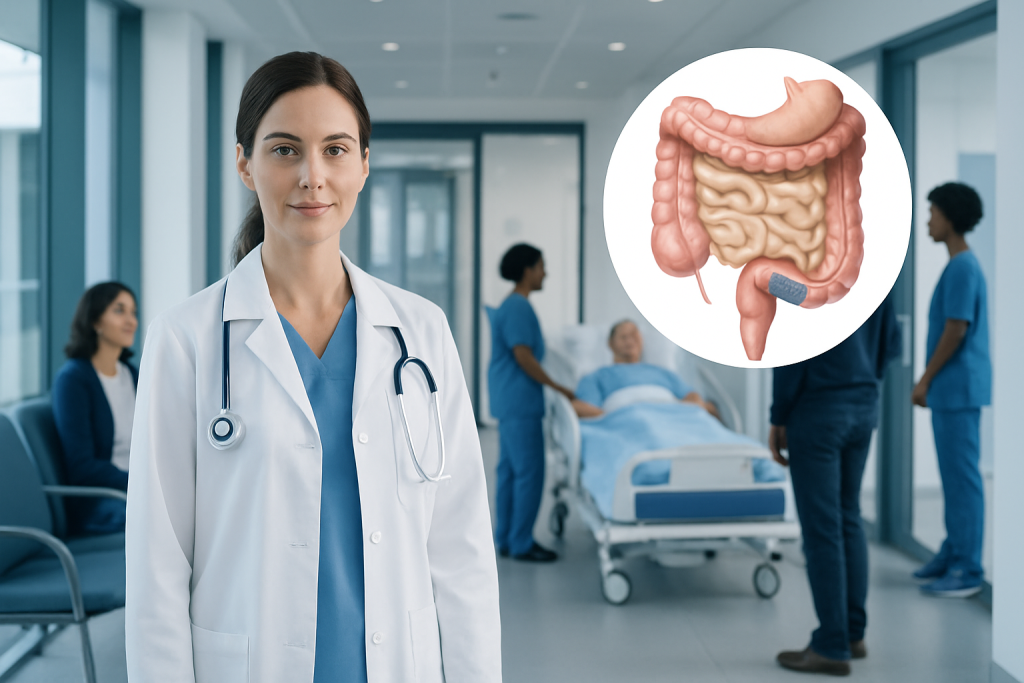
Ileocecal resection removes diseased or damaged bowel around the junction of the small and large intestines. The operation may be performed laparoscopically, robotically or through open surgery, depending on the underlying condition and surgical complexity.
Key Takeaways
- Ileocecal resection removes diseased or damaged bowel around the junction of the small and large intestines.
- The operation may be performed laparoscopically, robotically or through open surgery, depending on the underlying condition and surgical complexity.
- Recovery varies, but bowel habits commonly change temporarily and may remain looser or more frequent for some people.
- Nutrition, hydration, gradual activity and follow-up monitoring are important parts of ileocecal resection recovery.
- Long-term follow-up may include checking for vitamin B12 deficiency, bile salt-related diarrhea and recurrence of the condition that led to surgery.
Ileocecal resection is surgery to remove the ileocecal valve, the final part of the small intestine (ileum), and part of the beginning of the large intestine (cecum). It is often performed for conditions such as Crohn’s disease, cancer, obstruction or severe inflammation, with the remaining bowel usually reconnected during the same operation.
Overview: What Is an Ileocecal Resection?
An ileocecal resection is an operation that removes the ileocecal region: the last portion of the small intestine, called the terminal ileum; the ileocecal valve; and usually the cecum, which is the first section of the large intestine. It may also be called an ileocecectomy or ileocolic resection. In many cases, the surgeon joins the healthy ends of bowel together, creating an anastomosis so that digestion can continue through the natural intestinal pathway.
The ileocecal valve normally helps control movement of intestinal contents from the small bowel into the colon. It also helps limit backward movement of colonic bacteria. Removing this area can affect bowel function, particularly early after surgery, but many people adapt well over time with individualized dietary guidance and medical follow-up.
This operation is used to treat localized bowel disease or damage that cannot be managed safely with medication alone. It may be planned surgery, or it may be performed urgently when there is a serious bowel blockage, perforation, uncontrolled bleeding or another complication. The reason for surgery has an important influence on the expected results and longer-term care needs.
Who May Need This Surgery?
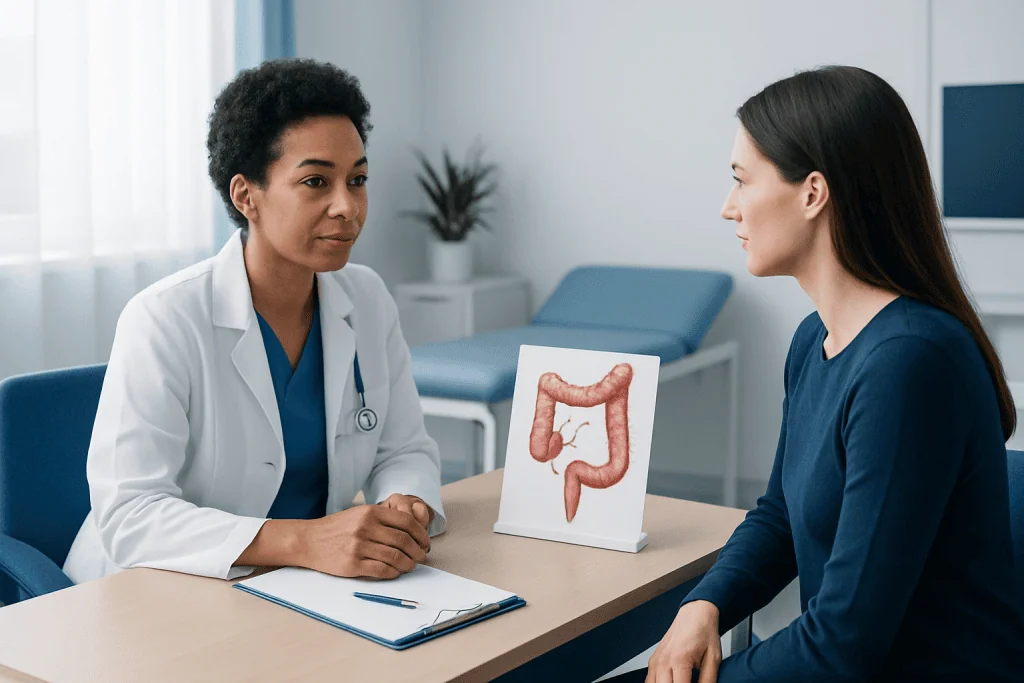
One of the most common reasons for ileocecal resection is Crohn’s disease affecting the terminal ileum and nearby colon. Surgery may be considered when inflammation leads to narrowing of the bowel, fistulas, abscesses, persistent symptoms despite medical treatment, or complications such as obstruction. It treats the affected segment, although Crohn’s disease can recur elsewhere in the digestive tract and still requires ongoing specialist care. Learn more about Crohn’s disease.
Other possible reasons include cancer or suspicious growths in the cecum or terminal ileum, appendiceal tumors, diverticular complications, bowel injury, ischemia, severe infection, or an obstruction caused by scar tissue or another lesion. The care team considers symptoms, imaging findings, endoscopy results, pathology when available, overall health and the amount of bowel that may need to be removed.
Before elective surgery, patients typically have blood tests and imaging, such as CT or MRI scans. Colonoscopy or other endoscopic tests may be used to assess the bowel lining and take tissue samples. Nutritional status, anemia, medication use, smoking and other medical conditions are addressed because optimizing these factors can support safer surgery and healing.
How the Ileocecal Resection Procedure Works
The operation is performed under general anesthesia. The surgical approach may be minimally invasive, using several small abdominal incisions for laparoscopic or robotic instruments, or open, using a larger incision. A minimally invasive approach may be suitable for many planned operations, but open surgery may be necessary when disease is extensive, there is significant scarring, complications are present, or an emergency operation is needed.
During the ileocecal resection procedure, the surgeon identifies the diseased section and carefully separates it from nearby tissues and its blood supply. The affected ileum, ileocecal valve and cecum are removed, sometimes along with a short adjacent section of colon. If cancer is being treated, nearby lymph nodes may also be removed for staging and treatment.
The surgeon usually reconnects the remaining small bowel and colon. In selected situations, such as severe infection, poor tissue healing conditions or extensive inflammation, a temporary or less commonly permanent stoma may be needed. This decision is individualized and discussed whenever possible before surgery. Colon cancer surgery may include an ileocecal resection when the tumor is located in this area.
Ileocecal resection surgery time varies with the surgical approach, the reason for surgery, prior operations, the degree of inflammation and whether other procedures are required. The surgical team can provide the most relevant estimate after reviewing the person’s imaging and clinical situation.
Recovery Timeline After Ileocecal Resection
Immediately after surgery, the clinical team monitors pain control, breathing, circulation, wound healing and the return of bowel activity. Patients are encouraged to begin gentle movement as advised, since early walking can support circulation, lung function and recovery. Fluids are given intravenously at first, then oral fluids and food are introduced gradually when the care team considers it appropriate.
Hospital stay depends on the operation and recovery progress. People who have uncomplicated minimally invasive surgery may go home sooner than those who require open or emergency surgery. Before discharge, patients should be able to drink and eat sufficiently, pass stool or gas as expected, move safely, and understand wound care and medication instructions.
At home, tiredness is common in the first weeks. Activity is gradually increased, while strenuous lifting and vigorous exercise should be avoided until the surgeon confirms that healing is adequate. Follow-up appointments assess the incision, bowel function, nutritional recovery and the pathology report where relevant. Recovery also includes adjusting emotionally to altered bowel habits and, when necessary, living temporarily with a stoma.
How long does it take to recover from ileocecal valve resection surgery?
Ileocecal resection recovery time differs between individuals. Basic recovery after an uncomplicated minimally invasive operation may take several weeks, while recovery after open surgery, emergency surgery, infection or treatment for complex Crohn’s disease can take longer. Returning to work, travel, driving and exercise should be based on the surgeon’s advice, the demands of the activity and the person’s energy level.
The bowel itself may take weeks to months to settle into a new pattern. Loose stools, urgency, gas and more frequent bowel movements are relatively common early on because the bowel is healing and adapting. These changes often improve, but ongoing symptoms deserve assessment rather than being accepted without support.
Recovery may be slower in people who have poor nutritional intake, anemia, diabetes, smoking exposure, steroid use, active inflammation or postoperative complications. Regular communication with the surgical and gastroenterology teams helps identify issues early and allows the recovery plan to be adjusted safely.
Do you poop more after colon resection?
Yes, some people have more frequent or looser stools after an ileocecal or right-sided colon resection, especially in the first weeks after surgery. This may occur because the colon has less capacity to absorb water, the terminal ileum may no longer absorb bile acids as effectively, and removal of the ileocecal valve can alter the way food and bacteria move through the digestive tract.
For many people, bowel frequency gradually becomes more predictable as healing progresses and the remaining bowel adapts. Eating smaller meals, drinking enough fluids and introducing fiber carefully can be helpful, although the best approach differs depending on symptoms and the underlying condition. A clinician may recommend medication when bile acid diarrhea, infection, inflammation or another treatable cause is suspected.
New severe diarrhea, dehydration, fever, increasing abdominal pain, blood in the stool or an inability to pass stool and gas should be reported promptly. These symptoms may indicate a complication or an unrelated condition that needs medical assessment.
What to eat after ileocecal resection?
Food is reintroduced in stages according to the surgical team’s instructions. In the early period, easily digested foods and smaller, more frequent meals are often better tolerated than large meals. Adequate fluid intake is especially important when stools are loose or frequent. The specific progression from liquids to soft foods and a more regular diet varies with the operation and the person’s recovery.
Some people temporarily limit foods that cause bloating, cramping or diarrhea, such as very fatty meals, alcohol, large amounts of caffeine, heavily spiced foods or high-sugar drinks. High-fiber foods may need to be added slowly, particularly when the bowel is still swollen or when a narrowing is a concern. Restrictive diets should not be continued unnecessarily, as sufficient calories, protein and micronutrients are important for healing.
Because the terminal ileum is involved in absorbing vitamin B12 and bile acids, some people need blood monitoring or dietary and medical support over time. A registered dietitian can help tailor food choices to symptoms, weight goals, Crohn’s disease activity and any need for supplementation. Nutrition support is particularly valuable when a substantial length of small bowel has been removed.
What are the long-term side effects of ileocecal resection?
Potential long-term effects include looser stools, urgency, bile acid diarrhea, bloating and sensitivity to certain foods. Removal of a short ileal segment often causes limited nutritional impact, but more extensive ileal removal can reduce vitamin B12 absorption and affect absorption of bile acids and dietary fats. Doctors may monitor blood counts, vitamin B12 and other nutrients according to the amount of bowel removed and the person’s symptoms.
Some people may develop small intestinal bacterial overgrowth, in which bacteria increase within the small intestine and contribute to gas, bloating or diarrhea. Kidney stones or gallstones can occur in selected patients, particularly when ileal disease or more extensive resection changes bile acid and oxalate handling. These concerns are manageable, and they do not occur in everyone.
The original condition remains important. For example, Crohn’s disease can return after surgery, so gastroenterology follow-up, monitoring and preventive treatment may be recommended. When surgery is performed for cancer, follow-up includes pathology-based staging and a surveillance plan. Acibadem International’s multidisciplinary specialists in JCI-accredited hospitals provide evaluation and treatment planning for international patients who need bowel surgery and follow-up care.
Benefits, Risks and When to Seek Medical Care
The main benefit of ileocecal resection is removal of a diseased, obstructed, bleeding or cancerous bowel segment. It can relieve symptoms caused by a fixed narrowing or other complication and can provide definitive tissue diagnosis. For cancer, surgery may be a central part of curative treatment when disease is localized; for Crohn’s disease, it may address a complication while medical care continues to reduce the risk of recurrence.
As with any abdominal operation, risks include bleeding, infection, blood clots, injury to nearby organs, anesthesia-related problems, delayed bowel function, scar-related obstruction and incisional hernia. A leak at the bowel connection is uncommon but serious and requires prompt assessment. Risks depend on the individual’s health, the reason for surgery and whether the procedure is planned or urgent.
Patients should seek urgent medical care after discharge for fever, worsening or persistent abdominal pain, repeated vomiting, a swollen abdomen, inability to keep fluids down, heavy rectal bleeding, pus or rapidly spreading redness at the incision, chest pain, shortness of breath, or one-sided leg swelling. They should also contact their surgical team for persistent diarrhea, signs of dehydration, worsening wound pain or any concern about recovery.
Following discharge instructions, taking prescribed medicines as directed, avoiding tobacco, attending follow-up visits and asking early about new symptoms can support a safer recovery. The care team can also coordinate gastroenterology, oncology, nutrition, pathology and rehabilitation services when needed.
Frequently asked questions
Is ileocecal resection a major surgery?
Yes. Ileocecal resection is a major abdominal operation because it removes part of the bowel and usually creates a new bowel connection. It may be performed through minimally invasive techniques, which can reduce incision size and sometimes shorten recovery, but it still requires anesthesia, hospital monitoring and structured follow-up.
Can a person live without the ileocecal valve?
Yes, people can live without the ileocecal valve. The body often adapts, although some people experience looser or more frequent stools, bloating or bile acid-related diarrhea. Symptoms can often be improved with diet adjustments, hydration, medicines when indicated and specialist follow-up.
Will I need a stoma after ileocecal resection?
Most people undergoing a planned ileocecal resection have the bowel reconnected during the same surgery and do not need a permanent stoma. A temporary stoma may be recommended if it is safer to allow the bowel connection to heal or if there is severe infection or inflammation. The surgeon explains the likelihood of this before surgery whenever circumstances allow.
How painful is recovery after ileocecal resection?
Pain is expected after abdominal surgery, but it is managed with an individualized pain-control plan. Minimally invasive surgery may be associated with less incision-related pain for some people, though pain levels vary. Pain that suddenly worsens or is accompanied by fever, vomiting or abdominal swelling should be assessed promptly.
Can Crohn’s disease come back after ileocecal resection?
Yes. Surgery can remove the part of bowel currently affected by Crohn’s disease, but it does not cure the underlying immune-mediated condition. Gastroenterology follow-up, monitoring and preventive medical treatment may help reduce the chance of recurrence and identify it early.
When can normal foods be eaten after ileocecal resection?
The timing varies according to bowel function, the type of surgery and the surgeon’s instructions. Food is usually advanced gradually from fluids to more substantial meals as it is tolerated. A dietitian or surgical team can advise on reintroducing fiber, fatty foods and other foods that may temporarily worsen symptoms.
References
- American Society of Colon and Rectal Surgeons
- National Institute of Diabetes and Digestive and Kidney Diseases
- Crohn's & Colitis Foundation
- National Cancer Institute
- Mayo Clinic
This article is for general information only and is not a substitute for professional medical advice. Please consult a qualified doctor about your individual situation.
Persistent digestive symptoms? Get evaluated in Turkey
JCI-accredited · board-certified surgeons · reply within 24h
Add us as a Preferred Source to see more of our trusted health content across Google Search, AI Overviews and Discover.