

Ilium — Explained by Medical Evidence, Not Myths
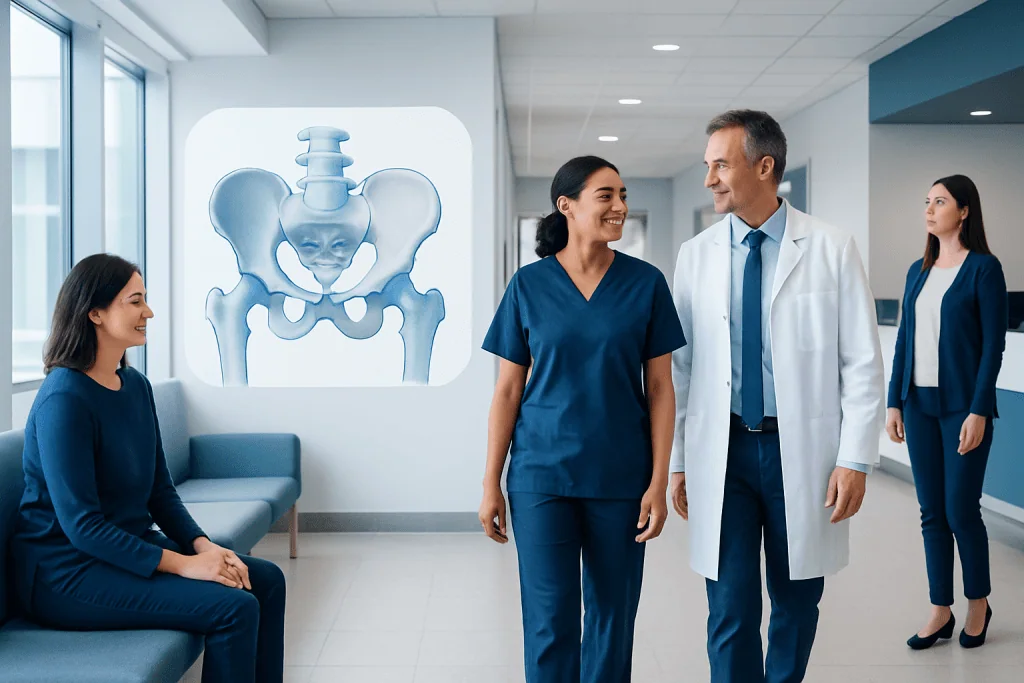
The ilium is the broad upper portion of the pelvic bone and an important attachment site for muscles and ligaments. Pain felt over the ilium may come from the bone itself, the sacroiliac joint, nearby muscles, the hip, or the lower back.
Key Takeaways
- The ilium is the broad upper portion of the pelvic bone and an important attachment site for muscles and ligaments.
- Pain felt over the ilium may come from the bone itself, the sacroiliac joint, nearby muscles, the hip, or the lower back.
- Common causes include overuse, trauma, arthritis, sacroiliac dysfunction, and less commonly infection or bone disease.
- Diagnosis usually relies on a medical history, physical examination, and sometimes X-ray, MRI, or CT imaging.
- Treatment depends on the cause and may include rest, physical therapy, medicines, injections, or surgery in selected cases.
- Persistent pain, difficulty walking, fever, numbness, or pain after a major injury should be assessed by a doctor.
The ilium is the large, wing-shaped upper part of the hip bone. It helps form the pelvis, supports body weight, and can become painful due to muscle strain, joint inflammation, injury, or nearby spine and hip conditions.
Overview: what the ilium is and why it matters
The ilium is the broad, curved upper part of each hip bone. In simple terms, it is the large wing-like portion of the pelvis that many people can feel at the sides of the waist. Together with the ischium and pubis, it forms the pelvic bone, which supports the trunk, helps transfer weight to the legs, and protects structures in the lower abdomen and pelvis.
The ilium is not just a bone shape seen in anatomy diagrams. It is an active structural part of everyday movement. Important muscles of the abdomen, back, and hips attach to it, allowing walking, standing, bending, and balance. The top ridge of the ilium is called the iliac crest, and this area can sometimes become tender from strain or injury.
When people say they have “ilium pain,” the discomfort may come from several nearby structures rather than the bone alone. The sacroiliac joint, where the ilium meets the sacrum, the hip joint, lower back, tendons, and surrounding soft tissues can all refer pain to this area. Understanding this helps explain why a medical evaluation focuses on the whole region, not only the bone itself.
Anatomy of the ilium: a practical guide
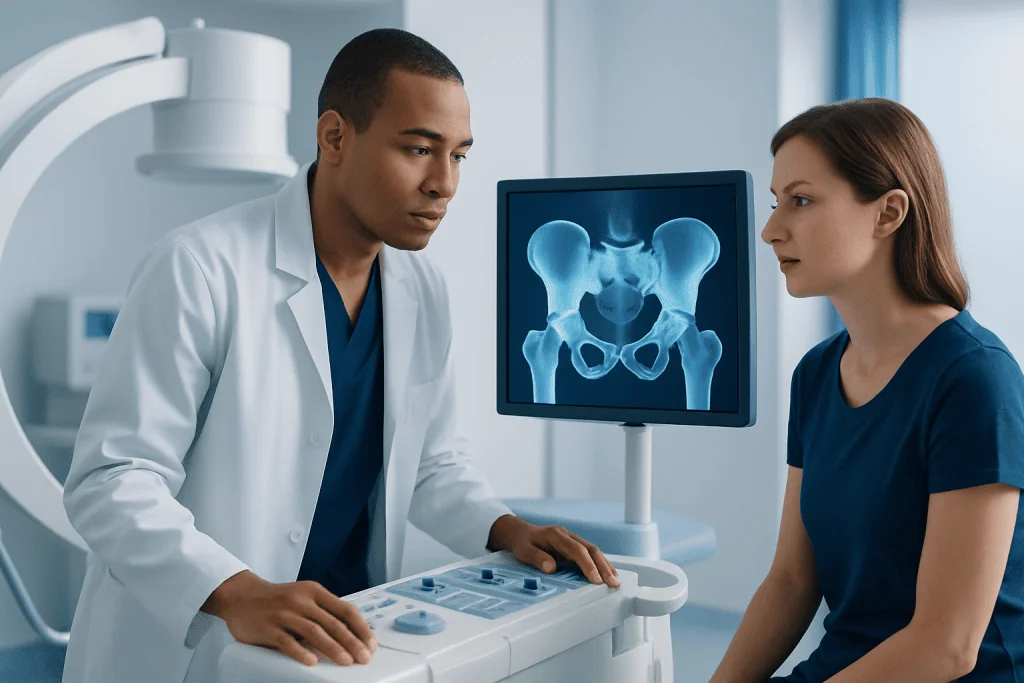
The ilium has a broad upper surface called the ala, or wing, and a thicker lower part that contributes to the hip socket. On the outside, part of the ilium forms the acetabulum, the cup-shaped socket of the hip joint. On the inside, the bone helps create the shape of the pelvis and supports organs in the lower body.
The iliac crest is the upper border of the ilium and is one of the easiest bony landmarks to feel through the skin. At the front are the anterior superior and anterior inferior iliac spines, where several muscles and ligaments attach. At the back are the posterior iliac spines, which are close to the sacroiliac joints. These landmarks are important because pain in one area may suggest a particular muscle, tendon, or joint problem.
The ilium also contains bone marrow and has a rich blood supply, like other large bones. In medical care, the iliac crest can be used as a reference point for some procedures or imaging interpretation. Because the ilium connects closely with the spine, sacrum, and hip, disorders in neighboring areas such as hip pain or lower back conditions may be felt around the ilium.
Symptoms linked to the ilium area

Symptoms related to the ilium vary depending on the cause. Some people feel a sharp or aching pain along the iliac crest, while others describe deep pelvic pain, tenderness after exercise, or discomfort when lying on one side. Pain may be constant or may appear only with walking, climbing stairs, twisting, or standing for a long time.
Other symptoms can help narrow the source of the problem. Sacroiliac joint irritation may cause pain near the back of the pelvis, often on one side, and may worsen with prolonged standing or moving from sitting to standing. Muscle strain may cause localized soreness and stiffness after activity. Hip disorders can cause groin pain, buttock pain, or reduced range of motion, while lower back causes may be associated with radiating pain or numbness.
Some warning signs suggest a more urgent issue. These include severe pain after a fall or accident, fever, redness, unexplained weight loss, inability to bear weight, new weakness, bowel or bladder changes, or numbness in the groin or leg. These symptoms do not always mean a serious condition, but they do need prompt medical assessment.
- Localized tenderness over the iliac crest
- Pain near the back of the pelvis or buttock
- Discomfort with walking, running, or twisting
- Stiffness in the hip or lower back
- Swelling or bruising after injury
- Numbness or weakness if nearby nerves are involved
Common causes of ilium pain and related problems
Many cases of pain around the ilium are mechanical, meaning they relate to muscles, joints, ligaments, or repetitive stress. Overuse injuries may develop in runners, athletes, or people who do frequent twisting, lifting, or sudden changes in training. Muscle strain involving the abdominal wall, hip flexors, gluteal muscles, or lower back can create pain along the iliac crest or side of the pelvis.
Sacroiliac joint dysfunction is another common source of pain in this region. This joint links the ilium to the base of the spine and can become irritated by altered movement patterns, pregnancy-related ligament changes, arthritis, or previous injury. Conditions such as osteoarthritis, inflammatory arthritis, bursitis, and tendon irritation may also contribute. In some people, symptoms overlap with lower back pain or with hip joint disease.
Trauma can injure the ilium directly. Falls, sports collisions, and road accidents may cause bruising, stress injury, or fracture. Older adults and people with reduced bone density may be more vulnerable to pelvic fractures even after a less severe fall. Less common causes include bone infection, benign or malignant bone tumors, or pain referred from abdominal or pelvic organs. Because the ilium sits near several major body systems, the cause is not always obvious without medical evaluation.
Risk factors include sudden increases in exercise, poor core strength, previous back or hip problems, inflammatory joint disease, osteoporosis, and direct injury. In growing adolescents, traction injuries near pelvic growth plates can also occur during sports. A careful history often helps distinguish between strain, joint inflammation, fracture, or referred pain.
How doctors diagnose ilium-related pain
Diagnosis begins with a detailed history. A doctor usually asks where the pain is felt, when it started, whether there was an injury, and which movements make it better or worse. Information about sports, work activities, recent infections, inflammatory conditions, or previous back and hip problems can be especially helpful.
The physical examination looks at posture, gait, spinal motion, hip range of motion, pelvic alignment, and areas of tenderness. The clinician may press along the iliac crest, assess the sacroiliac joints, and perform movements that stress the hip or lower back. This is important because pain over the ilium may come from neighboring structures rather than the bone alone.
Imaging is not needed for every case, but it may be recommended when symptoms are severe, persistent, or linked to trauma or red-flag features. X-rays can help detect fractures, arthritis, or pelvic changes. MRI is useful for stress injuries, soft tissue inflammation, and bone marrow problems, while CT may better define certain fractures. If needed, care teams may use MRI scanning or CT scanning to clarify the diagnosis.
Blood tests may be ordered if infection, inflammation, or another systemic condition is suspected. In some cases, a diagnostic injection into the sacroiliac joint or another structure can help identify the exact source of pain. The goal is not simply to name the symptom, but to match treatment to the underlying cause.
Treatment options for ilium pain
Treatment depends on the diagnosis. For many mechanical causes, the first steps are relative rest, temporary activity modification, and measures to reduce pain and inflammation. This may include avoiding movements that trigger pain, using cold or heat as advised by a clinician, and taking appropriate medicines if recommended. Many mild strains and overuse problems improve with conservative care over time.
Physical therapy is often central to recovery. A therapist may focus on posture, core strength, hip stability, flexibility, and movement patterns that reduce stress on the pelvis. This is especially helpful when pain relates to muscle imbalance, sacroiliac dysfunction, or repeated overloading. In selected cases, structured physical therapy and rehabilitation can support a safer return to walking, work, or sport.
When inflammation is significant, a doctor may consider injections around the sacroiliac joint or other painful structures. If an underlying disease such as arthritis, osteoporosis, or infection is present, treatment targets that condition directly. Fractures may require protected weight-bearing, close follow-up, or orthopedic management. Surgery is uncommon for isolated iliac crest pain, but it may be needed for unstable fractures, certain tumors, or advanced joint disease. If hip joint damage is part of the problem, further orthopedic assessment may sometimes lead to options such as hip replacement in carefully selected patients.
Near the end of the care pathway, multidisciplinary input can be helpful when pain is complex or persistent. Acibadem International’s multidisciplinary specialists and JCI-accredited hospitals diagnose and treat bone, joint, and pelvic conditions for international patients, with imaging, rehabilitation, and orthopedic expertise available when needed.
Prevention, self-care, and daily habits
Not every cause of ilium pain can be prevented, but several habits can reduce strain on the pelvis and nearby joints. Gradual increases in exercise are safer than sudden jumps in intensity or distance. Warm-up routines, recovery time, and balanced strengthening of the core, hips, and lower limbs can improve body mechanics and help distribute forces more evenly.
Good posture and lifting technique also matter. People who sit for long periods may benefit from regular movement breaks and attention to workstation ergonomics. Supportive footwear, especially during exercise, can help limit unnecessary stress through the hips and pelvis. For those with low bone density, fall prevention and bone-health care are important parts of reducing fracture risk.
At home, short-term self-care may include resting from aggravating activities, using cold packs in the first day or two after a minor strain, and then gentle mobility as tolerated. Prolonged bed rest is usually not helpful for mechanical pain and can worsen stiffness. If symptoms continue beyond a short period, become more intense, or repeatedly return, medical advice is appropriate.
When to seek medical care
Medical care is appropriate if pain around the ilium does not improve after several days of rest and simple self-care, or if it repeatedly interferes with walking, sleep, work, or exercise. A clinician can help determine whether the source is the bone, sacroiliac joint, hip, spine, or nearby soft tissues. Early assessment may also reduce the risk of ongoing pain from untreated movement problems.
Prompt medical review is especially important after a significant fall, sports collision, or traffic accident. It is also recommended for anyone with severe pain, visible swelling, inability to bear weight, fever, night pain, numbness, weakness, or unexplained weight loss. These symptoms can have many causes, but they should not be ignored.
People with osteoporosis, cancer history, inflammatory arthritis, or recent infection should seek advice sooner if new pelvic pain appears. In children and adolescents, ongoing pelvic pain during sport also deserves attention because growth-related injuries can occur. A qualified doctor can guide the next steps safely.
Frequently asked questions
What is the ilium in simple terms?
The ilium is the large, upper part of the hip bone. It forms much of the pelvis and helps support body weight, protect pelvic organs, and provide attachment points for important muscles.
Is ilium pain the same as hip pain?
Not always. Pain near the ilium may come from the bone, the sacroiliac joint, muscles, tendons, the lower back, or the hip joint itself. Because these structures are close together, a medical exam is often needed to identify the true source.
Can exercise cause pain over the iliac crest?
Yes. Overuse, poor training progression, muscle strain, and tendon irritation can all cause pain along the iliac crest. The discomfort is often related to running, twisting, core workouts, or sudden increases in activity.
How is an ilium problem diagnosed?
Doctors usually begin with a medical history and physical examination. If symptoms are severe, persistent, or linked to injury, imaging such as X-ray, MRI, or CT may be used to look for fracture, inflammation, arthritis, or soft tissue injury.
When is ilium pain serious?
Pain is more concerning if it follows major trauma or comes with fever, swelling, inability to walk, unexplained weight loss, weakness, or numbness. These features do not always mean a dangerous condition, but they should be assessed promptly.
What helps ilium pain get better?
Treatment depends on the cause, but rest from aggravating activities, gradual return to movement, and physical therapy are common approaches. Some people also need medicines, injections, or treatment for an underlying condition such as arthritis or fracture.
References
- National Institute of Arthritis and Musculoskeletal and Skin Diseases
- American Academy of Orthopaedic Surgeons
- MedlinePlus
- Mayo Clinic
- Cleveland Clinic
This article is for general information only and is not a substitute for professional medical advice. Please consult a qualified doctor about your individual situation.
Joint and spine care in Turkey — expert assessment & treatment
JCI-accredited · board-certified surgeons · reply within 24h
Add us as a Preferred Source to see more of our trusted health content across Google Search, AI Overviews and Discover.

More from the Health Library



Related Specialists
Assoc. Prof. Dr. Kemal Paksoy
Neurosurgery
Prof. Dr. Tunç Ovali
Ophthalmology
Prof. Dr. Yüksel Ersoy
Physical Medicine & Rehabilitation
Assoc. Prof. Dr. Sinan Kırım
Endocrinology