Incubation Period: A Complete Clinical Guide for Patients

An incubation period is the interval between exposure to an infection and symptom onset. Different infections have different incubation periods, ranging from hours to weeks or longer.
Key Takeaways
- An incubation period is the interval between exposure to an infection and symptom onset.
- Different infections have different incubation periods, ranging from hours to weeks or longer.
- A person may be contagious before symptoms begin, during symptoms, or sometimes even without symptoms.
- Incubation periods help guide monitoring, testing, isolation, and decisions about medical care.
- A long or short incubation period alone does not show how severe an illness will be.
The incubation period is the time between exposure to a germ and the first appearance of symptoms. Knowing this timeframe can help people understand when illness may begin, when testing may be useful, and when to monitor closely or seek medical advice.
Overview: what the incubation period means
The incubation period is the time between exposure to an infectious agent, such as a virus, bacterium, or parasite, and the start of symptoms. In simple terms, it is the “silent” phase when a germ has entered the body but illness has not yet become noticeable. This period can be very short for some infections and much longer for others.
Understanding the incubation period helps patients make sense of what happens after a possible exposure. It can guide when to watch for fever, cough, rash, stomach upset, or other symptoms, and it can also help doctors decide when testing is most informative. Public health recommendations such as quarantine, monitoring, and contact tracing often rely on the typical incubation period of a disease.
Importantly, the incubation period is not the same as the time when a person becomes contagious. Some infections can spread before symptoms appear, while others are most infectious after symptoms begin. It is also different from the recovery period, which refers to the time needed to get better once illness starts.
How incubation periods differ between infections
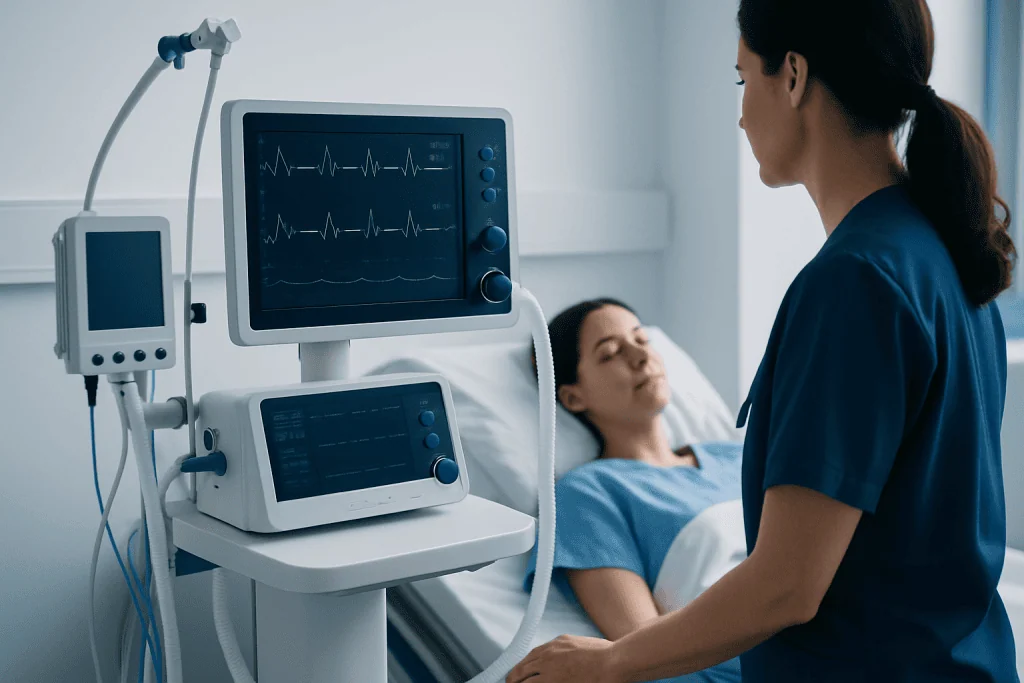
Incubation periods vary because germs behave differently in the body. Some multiply quickly and trigger symptoms within hours or a few days. Others take longer to reproduce, spread to target tissues, or stimulate the immune response strongly enough to cause noticeable signs of illness.
For example, foodborne illnesses may develop relatively quickly after exposure, while some respiratory viruses can take several days before symptoms appear. Certain chronic or more complex infections may have incubation periods measured in weeks, months, or even longer. This is why a recent exposure is not always the only relevant one when a clinician takes a history.
Many factors can influence timing, including:
- The type of germ involved
- The amount of exposure
- The route of exposure, such as breathing in droplets or eating contaminated food
- A person’s age and overall health
- Immune status, including pregnancy or immune suppression
- Vaccination history or past exposure to the same infection
Even with the same disease, the exact incubation period can differ from person to person. Doctors usually speak in terms of a range rather than one fixed number. That range is often more useful than an “average” because it better reflects real-life variation.
What happens in the body during the incubation period

During the incubation period, the infectious organism begins to establish itself in the body. A virus may enter cells and start replicating, while bacteria may multiply, release toxins, or invade tissues. At the same time, the immune system starts recognizing the threat and preparing a response.
Symptoms usually do not begin immediately because there must be enough biological activity to disrupt normal function or trigger inflammation. Fever, fatigue, sore throat, diarrhea, or rash often reflect the body’s response as much as they reflect the infection itself. This is one reason people can feel well for a period after exposure, even when infection has already begun.
In some illnesses, people can still pass the infection to others before they feel sick. That is why infection control advice may include masking, limiting close contact, or watching for symptoms after known exposure. It also explains why outbreaks can spread in households, schools, workplaces, and during travel before anyone realizes an infection is present.
Symptoms, contagiousness, and why timing matters
The end of the incubation period is marked by the appearance of symptoms, but this does not always happen in a predictable or dramatic way. Some infections start with vague complaints such as tiredness, mild aches, or reduced appetite before more recognizable signs develop. Others begin suddenly with fever, vomiting, or cough.
Timing matters because symptom onset helps clinicians interpret exposure history. For example, if symptoms appear much sooner or much later than expected for a suspected infection, a doctor may consider another diagnosis. This may be especially important when several conditions can look similar, such as seasonal viral illnesses, food poisoning, or urinary tract infection in a person with fever and discomfort.
Contagiousness does not always line up neatly with symptoms. A person may be infectious during the late incubation period, while symptoms are active, or in some cases after symptoms improve. This is why public health guidance may recommend testing, isolation, or monitoring for a set number of days after exposure rather than waiting only for symptoms to appear.
For patients, the practical message is that feeling well right after exposure does not always mean there is no risk. Following the advice given for the specific infection remains important, especially for pregnant people, newborns, older adults, and anyone with a weakened immune system.
How doctors use incubation periods in diagnosis
Clinicians use the incubation period as one part of a larger diagnostic picture. They consider the type of exposure, travel history, close contacts, vaccination status, symptoms, and examination findings. The timing of symptom onset can help narrow the list of likely causes and guide decisions about testing.
For example, a doctor may ask when a person attended a gathering, ate a shared meal, had close contact with someone ill, or returned from travel. If symptoms began within a timeframe that matches a certain infection, that can support the diagnosis. If the timing does not fit, it may point to another illness such as influenza, a stomach infection, or a noninfectious condition.
Incubation periods also help determine when tests may be most reliable. Testing too early after exposure may produce a negative result even if infection later develops. Depending on the illness, a doctor may recommend repeat testing, home monitoring, or supportive care while watching for symptom progression.
When symptoms are significant or the diagnosis is uncertain, additional evaluation may be needed. This can include blood tests, swabs, stool tests, imaging, or specialist assessment through services such as diagnostic imaging or comprehensive check-up programs when appropriate.
Prevention, self-care, and practical steps after exposure
After a known or suspected exposure, the most helpful first step is to follow guidance specific to the infection involved. This may include hand hygiene, wearing a mask, avoiding close contact, monitoring temperature and symptoms, or testing at a recommended time. The exact advice depends on the disease, the setting, and whether the person is at higher risk of complications.
Self-care during the incubation period usually focuses on observation rather than treatment, since symptoms may not have started. It can help to rest, stay hydrated, and avoid exposing others if there is a realistic chance of infection. People should also review any instructions from their doctor, workplace, school, or local public health authority.
Vaccination remains one of the most effective ways to reduce the risk of many infections or make illness milder if it occurs. In some cases, medicines or vaccines can be given after exposure to prevent illness or reduce severity, but timing is important. This is one reason patients should not wait too long to seek medical advice after a high-risk exposure.
For women who are pregnant, planning pregnancy, or caring for a newborn, prompt advice can be especially important because certain infections require closer monitoring. If there are repeated infections, severe symptoms, or concern about spread to the lungs or other organs, treatment planning may involve specialist care such as infectious diseases evaluation or pulmonology assessment when respiratory symptoms are present.
When to seek medical care
Medical care is advisable if symptoms develop after a known exposure, especially if they are moderate, worsening, or unusual for the person. Patients should contact a healthcare professional promptly for high fever, shortness of breath, chest pain, dehydration, confusion, severe weakness, persistent vomiting, or a rash with systemic symptoms.
Urgent advice is also important for infants, pregnant people, older adults, and people with chronic illnesses or weakened immune systems. These groups may need earlier assessment even if symptoms seem mild. Anyone who may have been exposed to a serious infection through travel, close contact, contaminated food, or healthcare settings should mention this clearly when seeking care.
If symptoms are mild, a doctor may recommend home monitoring, rest, fluids, and testing at an appropriate time. If symptoms worsen or do not follow the expected course, reassessment may be needed. Near the end of care planning, some patients choose centers with multidisciplinary specialists; Acibadem International’s JCI-accredited hospitals diagnose and treat infectious and related conditions for international patients.
Frequently asked questions
What is the simple definition of incubation period?
The incubation period is the time between exposure to an infection and the first symptoms. During this interval, the germ is present in the body, but the person may still feel completely well.
Can someone be contagious during the incubation period?
Yes, some infections can spread before symptoms appear. Whether this happens depends on the disease, so it is important to follow advice for testing, masking, or limiting close contact after a known exposure.
Does a longer incubation period mean a more serious illness?
No, the length of the incubation period does not automatically predict severity. Some mild infections have longer incubation periods, while some illnesses with rapid symptom onset can be quite intense.
Why can a test be negative even after exposure?
Testing too early can miss an infection because there may not yet be enough virus, bacteria, or immune response to detect. This is why doctors sometimes recommend waiting a certain number of days or repeating the test.
Is the incubation period the same as the contagious period?
No, these are different concepts. The incubation period refers to when symptoms have not started yet, while the contagious period describes when an infection can spread to others.
What should a person do after a possible exposure but before symptoms begin?
They should follow advice specific to the suspected infection, monitor for symptoms, and consider testing at the recommended time. It is also wise to reduce the chance of spreading illness to others until the risk is clearer.
References
- World Health Organization
- Centers for Disease Control and Prevention
- National Institutes of Health
- European Centre for Disease Prevention and Control
This article is for general information only and is not a substitute for professional medical advice. Please consult a qualified doctor about your individual situation.
Explore treatments in Turkey — costs, top hospitals & a free quote
JCI-accredited · board-certified surgeons · reply within 24h
Add us as a Preferred Source to see more of our trusted health content across Google Search, AI Overviews and Discover.