Infectious Disease: Diagnosis, Outlook, and Modern Treatment Approaches

Infectious disease can affect almost any part of the body and ranges from mild to serious. Accurate diagnosis often requires a medical history, physical exam, and targeted lab or imaging tests.
Key Takeaways
- Infectious disease can affect almost any part of the body and ranges from mild to serious.
- Accurate diagnosis often requires a medical history, physical exam, and targeted lab or imaging tests.
- Treatment depends on the organism involved and may include antivirals, antibiotics, antifungals, antiparasitic medicines, and supportive care.
- Not all infections need antibiotics; the right treatment depends on the specific cause.
- Hand hygiene, vaccination, food safety, and prompt medical advice for warning signs can reduce risk and complications.
Infectious disease is illness caused by microorganisms such as viruses, bacteria, fungi, or parasites. Modern care focuses on identifying the exact cause, treating it appropriately, and preventing spread while supporting recovery.
Overview: what infectious disease means
Infectious disease refers to illness caused by microorganisms that enter the body, multiply, and trigger symptoms or inflammation. These organisms include viruses, bacteria, fungi, and parasites. Some infections are short-lived and mild, while others can become more severe or long-lasting depending on the organism, the part of the body affected, and a person’s overall health.
Infections may spread in several ways, including close contact with an infected person, respiratory droplets, contaminated food or water, insect bites, sexual contact, or contact with contaminated surfaces or medical devices. In some cases, germs that normally live on or in the body can also cause infection if they enter the bloodstream, lungs, urinary tract, or a wound.
Modern management of infectious disease is built around a simple principle: identify the likely source, confirm the diagnosis when needed, and choose the most appropriate treatment rather than using a one-size-fits-all approach. This matters because bacterial infections, viral infections, fungal infections, and parasitic infections are treated differently, and some conditions require only careful monitoring and symptom relief.
Symptoms and how infections can appear
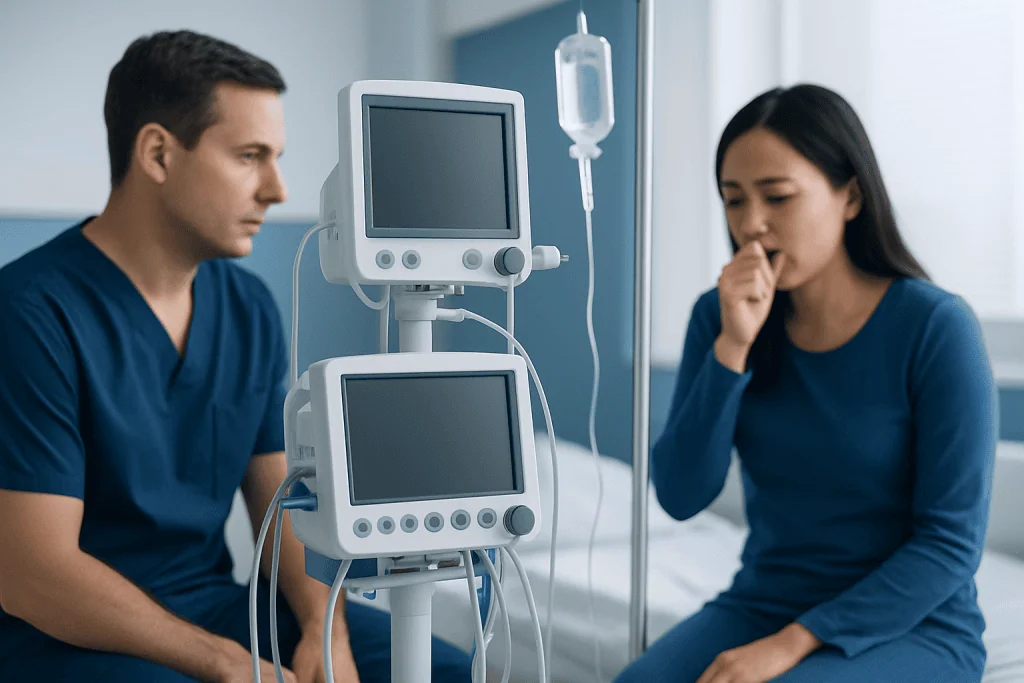
Symptoms of infectious disease vary widely. Some infections mainly affect one body system, such as the lungs, digestive tract, skin, urinary tract, brain, or bloodstream. Others cause more general symptoms that can resemble many noninfectious illnesses, which is one reason a careful medical evaluation is important.
Common symptoms may include fever, chills, fatigue, cough, sore throat, shortness of breath, runny nose, body aches, nausea, vomiting, diarrhea, abdominal pain, painful urination, skin redness, rash, or swelling. In some cases, swollen lymph nodes, headache, confusion, or dehydration can develop. Children, older adults, pregnant people, and those with weakened immune systems may have less typical symptoms.
Examples of infectious conditions include respiratory infections, stomach and intestinal infections, skin and soft tissue infections, urinary tract infections, and bloodstream infections. Some people may also need assessment for specific problems such as pneumonia or meningitis when symptoms point to infection in the lungs or the lining around the brain and spinal cord.
- Mild infection may cause local symptoms only, such as a sore throat or a small skin lesion.
- Moderate infection can involve fever, weakness, or spreading inflammation.
- Severe infection may affect breathing, blood pressure, mental status, or multiple organs.
Causes, transmission, and risk factors
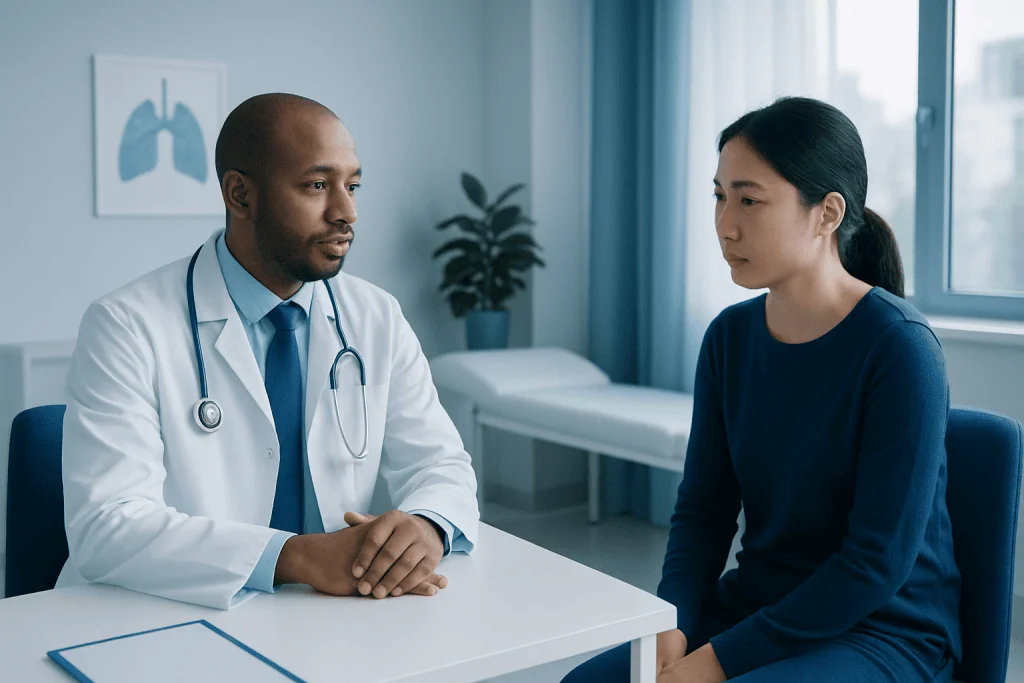
The causes of infectious disease are microorganisms. Viruses rely on human cells to reproduce and commonly cause colds, influenza, and many stomach infections. Bacteria can live independently and may cause conditions such as strep throat, some forms of pneumonia, urinary tract infections, and foodborne illness. Fungi more often affect the skin, nails, lungs, or people with reduced immunity. Parasites can be spread by contaminated food, water, soil, or insect bites.
Whether a person becomes ill depends on both exposure and susceptibility. Two people can be exposed to the same germ but have very different outcomes. Factors such as age, vaccination status, chronic disease, nutritional status, immune system function, recent surgery, hospitalization, and the use of certain medicines can change infection risk and severity.
Important risk factors include close contact in crowded settings, travel to areas with endemic infections, unsafe food or water, poor wound care, smoking, underlying lung disease, diabetes, indwelling catheters, and immunosuppression from illness or treatment. Healthcare-associated infections are a special category because they may involve resistant organisms and need careful infection control and targeted therapy.
How infectious disease is diagnosed
Diagnosis begins with a focused history and physical examination. Clinicians usually ask when symptoms started, whether there has been travel, sick contacts, recent hospital care, animal or insect exposure, sexual exposure, medication use, and any chronic conditions that could affect immunity. The pattern of symptoms often helps narrow the likely cause before testing is chosen.
Laboratory testing may include blood tests, urine tests, stool testing, throat or nasal swabs, sputum cultures, wound cultures, or other samples from the affected area. These tests can help identify the organism directly or show signs that point toward infection. In some situations, molecular tests such as PCR can detect viral or bacterial genetic material quickly and with high sensitivity.
Imaging may be helpful when doctors need to see where the infection is located or whether complications have developed. For example, chest X-rays or MRI may be used when symptoms suggest infection in deeper tissues or organs. If infection is suspected in the chest, abdomen, brain, bones, or joints, physicians may combine lab results with CT scan findings to guide treatment safely and accurately.
Because many symptoms overlap across different illnesses, diagnosis is not always immediate. Sometimes a clinician starts treatment based on the most likely cause while waiting for test results, then adjusts the plan once more information becomes available. This approach is especially important when there is concern about a serious or rapidly progressing infection.
Modern treatment approaches
Treatment for infectious disease depends on the organism, the body area involved, the severity of illness, and the patient’s general health. Antibiotics are used for bacterial infections, but they do not treat viral illnesses such as most common colds or many cases of flu-like illness. Antiviral, antifungal, or antiparasitic medicines may be needed when those organisms are responsible.
Supportive care is also a major part of treatment. This may include fluids, rest, fever control, pain relief, oxygen support, and monitoring for dehydration or breathing problems. Some infections improve with home care and follow-up, while others require hospital treatment, intravenous medication, drainage of an abscess, or close observation for complications.
Doctors also consider whether a treatment is likely to work against local resistance patterns or whether culture results suggest a more targeted option. This is an important part of antimicrobial stewardship, which aims to use the right medicine only when needed and for the appropriate duration. In selected cases, additional testing such as blood tests helps monitor response to treatment and detect inflammation, organ stress, or medication effects.
When an infection is severe or complicated, care may involve more than one specialty. Infectious disease specialists may work alongside pulmonologists, neurologists, surgeons, critical care teams, or pediatricians depending on the site of infection. Near the end of the care pathway, some patients also need rehabilitation, nutrition support, or review of vaccines and prevention strategies before returning to normal activities.
Prevention and self-care
Preventing infectious disease often starts with simple, consistent habits. Good handwashing, avoiding close contact when someone is sick, covering coughs and sneezes, safe food handling, clean drinking water, and staying up to date with recommended vaccines can all lower risk. Travel-related precautions, insect protection, and safe sexual practices are also important for certain infections.
At home, self-care depends on symptoms and medical advice. Rest, hydration, regular meals when tolerated, and taking prescribed medicines exactly as directed can support recovery. If a doctor prescribes antibiotics or another antimicrobial drug, it is important not to stop early or use leftover medication without guidance.
People should also avoid sharing personal items such as towels, razors, or utensils when appropriate, keep wounds clean and covered, and pay attention to signs that symptoms are changing. Self-care is useful for comfort and recovery, but it should not replace professional evaluation when symptoms are severe, persistent, or unusual.
For international patients or those needing coordinated assessment, Acibadem International’s multidisciplinary specialists in JCI-accredited hospitals diagnose and treat infectious conditions with support from laboratory, imaging, and intensive care teams when required.
When to seek medical care
Medical advice is recommended if symptoms are worsening, lasting longer than expected, or affecting normal hydration, breathing, urination, or daily function. A doctor should also assess fever in very young infants, recurrent infections, or symptoms in people who are pregnant, elderly, or immunocompromised.
Urgent medical care is important for trouble breathing, chest pain, confusion, fainting, severe dehydration, a stiff neck with fever, a rapidly spreading rash, seizures, blue lips, or signs of severe infection such as extreme weakness or low blood pressure. Worsening pain, swelling, or redness around a wound also deserves prompt review.
People who have recently traveled, had a tick or insect exposure, undergone surgery, or used catheters or other medical devices should mention this during assessment. These details can change which infections are considered and how quickly tests and treatment need to be started.
Frequently asked questions
What is an infectious disease?
An infectious disease is an illness caused by microorganisms such as viruses, bacteria, fungi, or parasites. These organisms can spread in different ways and may affect the lungs, gut, skin, urinary tract, blood, or other parts of the body.
Are all infectious diseases contagious?
No. Many infectious diseases can spread from person to person, but not all do. Some are acquired from contaminated food or water, insect bites, the environment, or germs that enter a wound or another part of the body.
Do infectious diseases always need antibiotics?
No. Antibiotics only treat bacterial infections and do not work for viral illnesses. The correct treatment depends on the cause, which is why medical evaluation and testing can be important.
How do doctors know whether an infection is viral or bacterial?
Doctors use the symptom pattern, physical examination, medical history, and sometimes lab tests or imaging to decide the most likely cause. In some cases, a swab, culture, blood test, or PCR test helps confirm the organism.
Can a mild infection become serious?
Yes, some infections that start with mild symptoms can worsen, especially in older adults, infants, pregnant people, or those with weakened immune systems. Warning signs such as breathing difficulty, confusion, dehydration, or severe pain should be assessed quickly.
How can someone reduce the risk of infectious disease?
Practical steps include regular handwashing, recommended vaccinations, safe food preparation, clean water, cough etiquette, and avoiding unnecessary close contact when sick. Travel precautions and safe sexual practices also help in certain situations.
References
- World Health Organization
- Centers for Disease Control and Prevention
- National Institutes of Health
- Mayo Clinic
- Merck Manual Consumer Version
This article is for general information only and is not a substitute for professional medical advice. Please consult a qualified doctor about your individual situation.
Explore treatments in Turkey — costs, top hospitals & a free quote
JCI-accredited · board-certified surgeons · reply within 24h
Add us as a Preferred Source to see more of our trusted health content across Google Search, AI Overviews and Discover.
Check your numbers in seconds
BMI, calories, due date, blood pressure and 30+ more clinical calculators — free, instant, doctor-reviewed ranges.