Infrared Sauna Benefits — Explained by Medical Evidence, Not Myths

Infrared saunas warm the body mainly with light energy rather than heating the air as much as traditional saunas. The best-supported benefits are relaxation, short-term relief of muscle soreness and some chronic pain symptoms, and possible mild cardiovascular support.
Key Takeaways
- Infrared saunas warm the body mainly with light energy rather than heating the air as much as traditional saunas.
- The best-supported benefits are relaxation, short-term relief of muscle soreness and some chronic pain symptoms, and possible mild cardiovascular support.
- Sweating does not mean the body is being “detoxed” in a medically meaningful way.
- Infrared sauna use is not appropriate for everyone, especially people with unstable heart disease, severe dehydration, fever, or pregnancy-related concerns without medical advice.
- Hydration, reasonable session length, and stopping if symptoms occur are central to safe use.
Infrared sauna benefits are real in some areas, but they are often overstated. Current medical evidence suggests possible help with relaxation, temporary muscle and joint pain relief, and modest cardiovascular effects in some people, while claims about detox, weight loss, or curing disease are not well supported.
Overview: what infrared sauna benefits are supported by evidence?
Infrared sauna benefits are best understood as potential wellness effects rather than proven treatments for most medical conditions. The most consistent findings in medical literature are improved relaxation, temporary relief of muscle tension or soreness, and modest improvements in circulation and blood vessel function in some people. Some studies also suggest a role in easing certain chronic pain symptoms and supporting general well-being.
At the same time, evidence is not equally strong for every claim. Popular messages about “detox,” rapid weight loss, anti-aging, or curing chronic disease go beyond what current research can confidently show. Heat exposure can affect heart rate, blood vessels, sweating, and perceived stress, but these responses do not automatically translate into long-term disease prevention or treatment.
Infrared saunas differ from traditional saunas because they use infrared light to warm the body more directly, usually at lower air temperatures. Many people find this more comfortable, which may make sessions easier to tolerate. Comfort, however, should not be confused with medical superiority; both infrared and traditional sauna bathing expose the body to heat, and many benefits may come from heat itself rather than from infrared technology alone.
How infrared saunas work and how they differ from traditional saunas
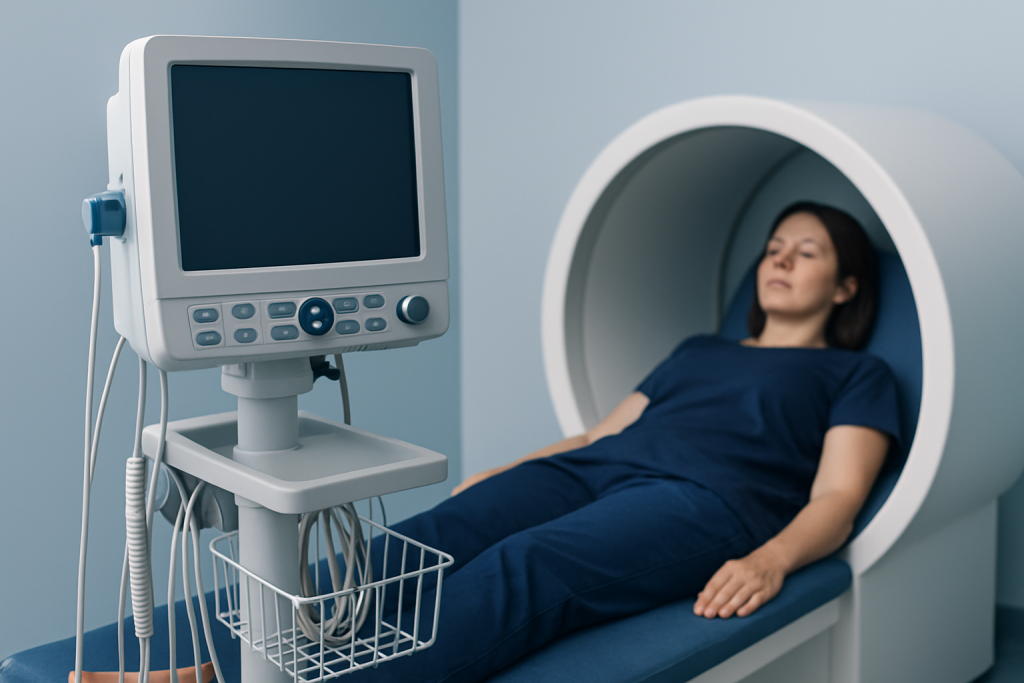
An infrared sauna uses panels that emit infrared radiation, a form of light energy that people feel as heat. Instead of heating the room air to very high temperatures, these devices primarily warm the skin and superficial tissues. This often allows sessions at lower ambient temperatures than a traditional steam or dry sauna.
During a session, body temperature rises slightly, blood vessels widen, sweating increases, and heart rate may climb in a way similar to light physical activity for some people. These changes can create a sense of warmth, relaxation, and loosening of tight muscles. Because the air is usually less intensely hot, some users report less discomfort than they feel in a standard sauna.
It is important to keep expectations realistic. Infrared heat does not penetrate deep enough to replace medical treatments for joint disease, heart disease, or chronic pain disorders. It may be used as a supportive practice, but symptoms such as ongoing back pain or signs of heart disease still need proper medical evaluation.
Potential benefits: where the evidence is strongest

The clearest benefit is relaxation. Heat exposure can help reduce perceived stress, encourage muscle relaxation, and support a calming routine. Many people feel physically and mentally better after a session, and this subjective improvement can be meaningful, especially when used alongside healthy sleep habits, physical activity, and stress management.
There is also moderate support for short-term relief of muscle soreness and some chronic pain symptoms. People with muscle tension, exercise-related soreness, or certain pain conditions may notice temporary improvement. In clinical practice, heat-based approaches can complement broader care plans such as physical therapy and rehabilitation when a clinician feels they are appropriate.
Some research suggests cardiovascular effects such as improved blood vessel function, lower perceived fatigue, and mild short-term support for blood pressure control in selected patients. These findings are promising but should be interpreted carefully. Infrared sauna use is not a substitute for medically recommended care such as lifestyle changes, prescribed medication, or cardiology follow-up for diagnosed heart conditions.
Evidence for skin benefits is mixed. Sweating may temporarily leave skin feeling cleaner or softer, and warmth can increase superficial blood flow. However, infrared sauna use does not treat most skin diseases on its own, and anyone with persistent rashes, changing moles, or chronic inflammatory skin conditions should seek medical advice rather than self-treat.
Common myths: detox, weight loss, immunity, and chronic disease claims
One of the most repeated claims is that sweating in an infrared sauna “detoxes” the body. In medical terms, this is misleading. The liver, kidneys, lungs, and digestive system are the body’s main detoxification organs. Sweat contains mostly water and electrolytes, with very small amounts of other substances. Sweating can be part of temperature regulation, but it is not a primary or reliable method for removing toxins.
Weight loss claims also need context. People may weigh less immediately after a sauna session, but this is mostly from fluid loss. Once they drink water again, that weight usually returns. Infrared sauna use is not a replacement for nutrition, exercise, sleep, and medically guided care for overweight or obesity.
Claims that infrared saunas “boost immunity,” reverse aging, or treat cancer, infections, or autoimmune disease are not supported by strong clinical evidence. Heat may influence comfort, circulation, and stress levels, but these effects are not the same as proven treatment. People with chronic medical symptoms should be evaluated by a qualified physician, especially if symptoms could reflect conditions such as rheumatoid arthritis or another inflammatory disorder.
Risks, side effects, and who should be cautious
Infrared saunas are generally well tolerated by healthy adults when used sensibly, but they are not risk-free. The most common concerns are dehydration, dizziness, headache, lightheadedness, overheating, and low blood pressure after a session. These risks increase when sessions are too long, temperatures are too high, alcohol is involved, or the person is already ill or dehydrated.
People with unstable cardiovascular disease, recent heart symptoms, uncontrolled blood pressure problems, significant kidney disease, severe illness, fever, or conditions that impair sweating should speak with a doctor before use. Extra caution is also needed for older adults, people taking medications that affect hydration or blood pressure, and anyone with balance problems or a history of fainting.
Pregnant individuals should seek medical advice before using any sauna, including infrared models, because excessive heat exposure may be unsafe. Children should not use adult sauna settings without pediatric guidance. If someone has chest discomfort, unusual shortness of breath, confusion, or fainting, sauna use should be stopped immediately and medical care should be sought.
- Do not use a sauna when intoxicated or severely dehydrated.
- Do not stay in if nausea, dizziness, or weakness develops.
- Drink water before and after the session.
- Allow the body to cool gradually afterward.
How to use an infrared sauna more safely
A safe approach begins with moderation. For most healthy adults, shorter sessions are more sensible than long sessions, especially when first starting. It is often wise to begin conservatively, leave the sauna if discomfort appears, and avoid assuming that more heat or more sweating means more benefit.
Good hydration matters because sweat loss can lead to headache, fatigue, cramps, or dizziness. Drinking water before and after the session is usually enough for routine use. A person should also avoid entering a sauna with a fever, after heavy alcohol intake, or immediately after intense exercise if they already feel overheated.
Infrared sauna use should be viewed as one small part of a broader health routine, not a stand-alone therapy. For chronic pain, mobility issues, or recovery goals, a clinician may suggest combining heat with stretching, exercise, or orthopedics and traumatology evaluation when structural joint or spine problems are suspected.
When to seek medical care
Medical advice is important if a person wants to use an infrared sauna but has a chronic medical condition, takes regular medication, or has symptoms that could worsen with heat. This includes known heart disease, kidney problems, low blood pressure, repeated fainting, or difficulty regulating body temperature. A clinician can help decide whether sauna use is reasonable and how to do it more safely.
A person should seek prompt medical care if symptoms happen during or after sauna use, such as chest pain, severe shortness of breath, fainting, confusion, persistent palpitations, or vomiting. These are not normal wellness responses. New or worsening swelling, severe weakness, or ongoing dehydration also deserve attention.
Persistent pain, fatigue, sleep problems, or stress symptoms should not be dismissed simply because heat brings temporary relief. These concerns may need a fuller assessment and a structured treatment plan. Near the end of that care pathway, some people may choose wellness practices like sauna use as a complement, not a replacement, for diagnosis and treatment. Acibadem International’s multidisciplinary specialists and JCI-accredited hospitals diagnose and treat a wide range of underlying conditions for international patients when expert evaluation is needed.
Frequently asked questions
Are infrared sauna benefits proven?
Some infrared sauna benefits are supported by medical evidence, but not all popular claims are proven. The strongest support is for relaxation, temporary easing of muscle soreness, and possible short-term circulation or blood pressure benefits in some people.
Is an infrared sauna better than a traditional sauna?
Not necessarily. Many benefits seem to come from heat exposure itself, and current research does not clearly show that infrared saunas are medically superior. Some people simply find infrared sessions easier to tolerate because the air temperature is usually lower.
Do infrared saunas detox the body?
No, not in the way that claim is usually presented. The body mainly removes waste through the liver, kidneys, digestive system, and lungs. Sweating helps regulate temperature, but it is not a primary detox treatment.
Can infrared sauna use help with pain?
It may help some people with short-term relief of muscle tightness, exercise soreness, or certain chronic pain symptoms. However, it does not treat the underlying cause of pain, so ongoing or severe symptoms should be medically assessed.
Is infrared sauna use safe for people with heart disease?
It depends on the person and the condition. Some people with stable disease may tolerate heat exposure, but anyone with heart disease, chest symptoms, fainting, or blood pressure problems should ask a doctor before using an infrared sauna.
How often can a healthy adult use an infrared sauna?
There is no single medically correct schedule for everyone. Healthy adults usually do best with moderate use, short sessions, and careful attention to hydration, comfort, and symptoms. If dizziness, weakness, or headache occurs, the session should end.
References
- World Health Organization
- National Center for Complementary and Integrative Health
- American Heart Association
- Mayo Clinic
- Harvard Medical School
This article is for general information only and is not a substitute for professional medical advice. Please consult a qualified doctor about your individual situation.
Joint and spine care in Turkey — expert assessment & treatment
JCI-accredited · board-certified surgeons · reply within 24h
Add us as a Preferred Source to see more of our trusted health content across Google Search, AI Overviews and Discover.
Check your numbers in seconds
BMI, calories, due date, blood pressure and 30+ more clinical calculators — free, instant, doctor-reviewed ranges.

More from the Health Library

Osteomas: A Complete Medical Overview

Coffee Alternatives: An Evidence-Based Guide for Patients

Pentamidine — Explained by Medical Evidence, Not Myths

Abnormal ECG: What Patients Need to Know

Thai Massage: An Evidence-Based Guide for Patients