Ingrown Hair vs Herpes: Key Differences and How Doctors Tell Them Apart

Ingrown hairs usually form as single bumps centered on a hair follicle, often after shaving, waxing, or friction. Herpes more often causes clusters of painful blisters or shallow sores and may be accompanied by burning, tingling, or flu-like symptoms during a first outbreak.
Key Takeaways
- Ingrown hairs usually form as single bumps centered on a hair follicle, often after shaving, waxing, or friction.
- Herpes more often causes clusters of painful blisters or shallow sores and may be accompanied by burning, tingling, or flu-like symptoms during a first outbreak.
- Doctors distinguish the two by examining the skin, asking about symptoms and exposures, and sometimes using a swab or blood test.
- Ingrown hairs often improve with gentle skin care and avoiding hair removal until the area settles.
- Possible herpes should be assessed promptly because antiviral treatment works best when started early.
Ingrown hair vs herpes can be confusing because both may cause small bumps, tenderness, and irritation in areas where hair grows. In general, an ingrown hair is a localized inflammation around a hair follicle, while herpes more often causes grouped blisters or sores caused by a viral infection, and a clinician can usually tell them apart by the history, appearance, and, when needed, lab testing.
Overview: Ingrown Hair vs Herpes at a Glance
When comparing ingrown hair vs herpes, the most useful starting point is the pattern of the bump or sore. An ingrown hair happens when a hair curls back or becomes trapped under the skin, causing a small inflamed bump. Herpes is a viral infection that typically causes a cluster of blisters or sores, often with a burning or tingling sensation.
Although they can look similar at first glance, especially in the groin, bikini line, beard area, or buttocks, they usually behave differently over time. An ingrown hair tends to stay localized to one follicle and may show a visible hair, whitehead, or pimple-like center. Herpes lesions often evolve from tingling or redness into small fluid-filled blisters that break open and crust.
The table below highlights the differences doctors commonly use to guide the next step.
- Typical cause: Ingrown hair = trapped hair and inflammation; herpes = herpes simplex virus infection
- Common look: Ingrown hair = one or a few bumps around follicles; herpes = grouped blisters or shallow ulcers
- Pain pattern: Ingrown hair = tender or itchy; herpes = burning, stinging, or painful sores
- Trigger: Ingrown hair = shaving, waxing, friction, curly hair; herpes = skin-to-skin contact with infected area
- Course: Ingrown hair = often improves with skin care; herpes = outbreaks may recur
- Contagious? Ingrown hair = no; herpes = yes, especially during active lesions
- Testing: Ingrown hair = usually clinical exam only; herpes = exam plus possible swab or blood test
What an Ingrown Hair Usually Looks and Feels Like
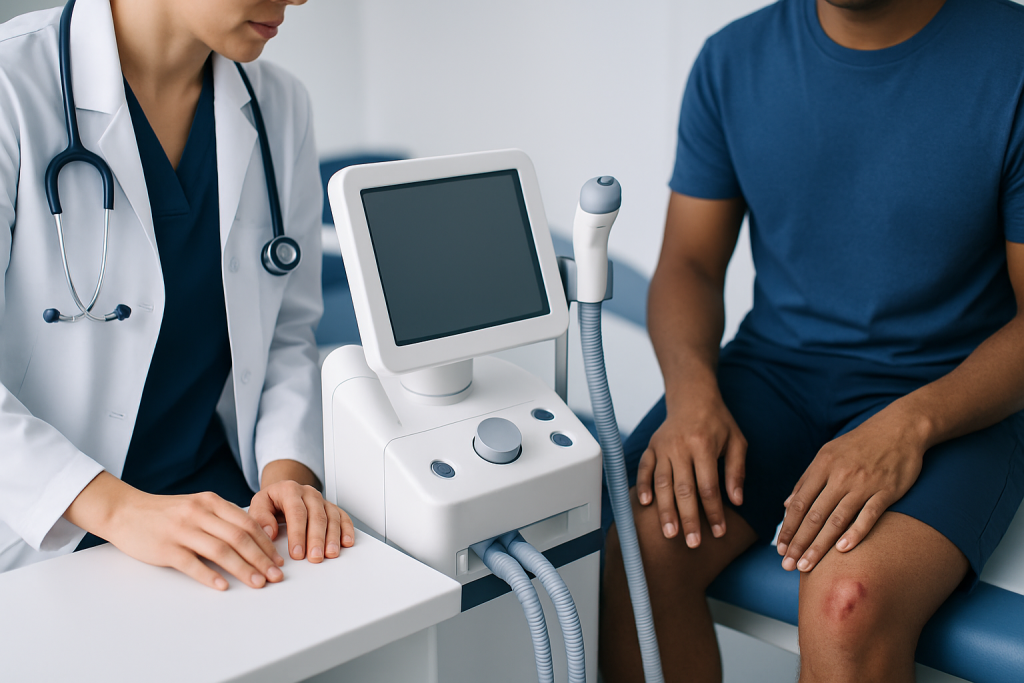
An ingrown hair commonly appears as a small red, skin-colored, or darker bump in an area where hair has been removed or rubbed by clothing. It may look like a pimple, pustule, or tiny boil. Sometimes a curved hair can be seen trapped under the skin, which is a helpful clue.
The area may feel itchy, mildly painful, or sore to the touch. In some people, especially those with curly or coarse hair, repeated ingrown hairs can lead to persistent discoloration, thickened skin, or small scars. These bumps are common on the face, neck, underarms, legs, pubic region, and anywhere frequent shaving or waxing occurs.
An ingrown hair does not spread from person to person. It is not a sexually transmitted infection. However, if bacteria enter the irritated follicle, the area can become more inflamed, swollen, or filled with pus, which may make it resemble other skin conditions.
What Herpes Usually Looks and Feels Like

Herpes simplex virus can cause sores around the mouth or genitals, depending on the type of exposure. In the genital area, herpes often begins with tingling, burning, itching, or heightened skin sensitivity before visible lesions appear. This early sensation is an important clue that is less typical of an ingrown hair.
The skin changes usually develop into a cluster of small blisters on a red base. These blisters may break open and become shallow, painful ulcers before crusting and healing. Some people have only a few spots, while others have a broader rash-like area. A first outbreak may be more noticeable and may come with swollen lymph nodes, body aches, fatigue, or fever.
Herpes can recur because the virus remains in the body after the first infection. Repeat outbreaks are often shorter and milder than the initial one. If a person is worried about a sexually transmitted infection, a doctor may consider herpes among other possibilities such as genital warts or other causes of genital sores, depending on the appearance and history.
How Clinicians Tell Them Apart
Doctors usually begin by asking when the bump started, whether there was recent shaving or waxing, whether symptoms began with tingling or burning, and whether there has been sexual contact that could expose the person to herpes. This history matters because the timing and triggers are often more informative than appearance alone.
On examination, a clinician looks for whether the lesion is centered on a hair follicle, whether a trapped hair is visible, and whether there is a pimple-like bump or pustule. In contrast, herpes often appears as grouped vesicles, open erosions, or shallow ulcers rather than one isolated follicular bump. Lesions that recur in the same area can also raise suspicion for herpes.
If the diagnosis is uncertain, testing may help. A fresh sore can be swabbed for a herpes PCR or viral test. Blood tests may sometimes be used to look for past herpes exposure, but they do not always explain a current bump. In situations where doctors need a closer skin assessment, referral to dermatology evaluation can help distinguish an ingrown hair from infection, folliculitis, cysts, or other skin conditions.
It is also common for clinicians to consider conditions that can mimic both problems, including folliculitis, contact dermatitis, acne-like eruptions, razor burn, and skin irritation from hygiene products. If there are multiple genital sores or concern about sexually transmitted infections, a broader sexual health assessment may be recommended.
Causes and Risk Factors for Each Condition
Ingrown hairs are more likely when hair is shaved very closely, plucked, waxed, or exposed to friction from tight clothing. People with curly, coarse, or tightly coiled hair may be more prone to hairs curving back into the skin. Dead skin buildup, repeated irritation, and certain shaving techniques can increase the risk as well.
Herpes is caused by herpes simplex virus, usually spread through skin-to-skin contact during oral, vaginal, or anal sex, or through contact with an infected area even if sores are not obvious. Not everyone who has herpes knows it, because symptoms may be mild or absent. That is one reason a new genital sore should not be self-diagnosed based on appearance alone.
Several factors can make confusion more likely. The pubic area often develops shaving bumps, but it is also a common site for sexually transmitted infections. In addition, both conditions may cause tenderness and redness. For this reason, a clinician may also ask about previous episodes, partner history, and whether there are mouth sores, urinary discomfort, or nearby swollen glands.
What to Do for an Ingrown Hair and What to Do for Possible Herpes
If a bump seems consistent with an ingrown hair, the first step is usually to stop shaving, waxing, or plucking the area until it heals. Warm compresses and gentle cleansing may help reduce irritation. Picking, squeezing, or digging for the hair can worsen inflammation and increase the chance of infection or scarring.
For recurrent shaving-related bumps, a doctor may suggest changes in hair-removal technique, topical treatments, or other approaches to reduce follicle irritation. In some cases, persistent ingrown hairs may benefit from specialist assessment or hair-removal strategies such as laser hair removal if appropriate for the individual.
If herpes is possible, prompt medical evaluation is useful, especially if sores are new, painful, or recurring. Early antiviral treatment can shorten symptoms and lower viral shedding during an outbreak. Sexual contact should be avoided until a clinician has assessed the lesions and any active sores have healed.
When herpes is diagnosed, treatment focuses on antiviral medication, symptom relief, and reducing transmission risk. If genital symptoms are part of a broader concern about reproductive or sexual health, clinicians may coordinate care through gynecology or the appropriate specialty based on the person’s sex and symptoms.
When to Seek Medical Care
Medical care is recommended if a bump in the genital area is painful, recurrent, spreading, draining pus, or not improving after several days of gentle self-care. A doctor should also assess lesions that began with burning or tingling, are grouped together, or have become open sores.
Prompt evaluation is especially important if there is fever, swollen lymph nodes, painful urination, significant swelling, pregnancy, immune suppression, or a recent sexual exposure that raises concern for a sexually transmitted infection. These features can change both the urgency and the treatment plan.
A person should not feel embarrassed about getting checked. Many genital and skin conditions look alike, and trained clinicians are used to sorting them out. Near the end of the diagnostic process, some patients may be referred for a medical check-up or specialist review if the diagnosis remains unclear. Acibadem International’s multidisciplinary specialists in JCI-accredited hospitals also evaluate and treat skin and genital conditions for international patients when needed.
Prevention and Self-Care Tips
To help prevent ingrown hairs, it is often useful to shave in the direction of hair growth, avoid stretching the skin, use a clean sharp razor, and reduce how closely the hair is cut. Some people do better with trimming instead of close shaving. Gentle exfoliation may help in selected cases, but harsh scrubbing can irritate the skin and make bumps worse.
Preventing herpes involves safer sex practices, open communication with partners, and avoiding contact with active sores. Condoms and dental dams can reduce risk, though they do not fully eliminate it because the virus can affect nearby skin not covered by a barrier. People with known herpes may be advised by their doctor about antiviral strategies and how to recognize early outbreak symptoms.
In either situation, avoid self-treating a genital sore with strong acids, steroid creams, or leftover antibiotics without medical guidance. If there is any uncertainty between ingrown hair vs herpes, professional assessment is safer than guessing. A clear diagnosis helps protect both skin health and sexual health.
Frequently asked questions
Can herpes look like an ingrown hair at first?
Yes. Early herpes can begin as a small tender spot before blisters become obvious, which is why people sometimes mistake it for a shaving bump. The difference often becomes clearer over a day or two as herpes tends to form clustered blisters or shallow sores rather than a single follicle-based bump.
How can someone tell if a bump is centered on a hair follicle?
An ingrown hair often appears in a hair-bearing area and may have a visible hair under the skin or a pimple-like center right where a follicle sits. If there is no obvious hair, if there are multiple grouped lesions, or if the area becomes ulcerated, a clinician should examine it.
Does an ingrown hair usually hurt as much as herpes?
Ingrown hairs are often mildly tender or itchy, but they are not usually described as burning or stinging in the same way as herpes. Herpes sores are more likely to be distinctly painful, especially during a first outbreak, and may be accompanied by other symptoms such as swollen glands or discomfort with urination.
Should a person pop or squeeze an ingrown hair bump?
No. Squeezing or picking can worsen inflammation, introduce bacteria, and increase the chance of scarring. Gentle skin care and a medical review if the bump is persistent or worsening are safer options.
What test confirms herpes?
If there is an active sore, a swab test such as a herpes PCR is often the most useful way to confirm the diagnosis. Blood tests may show past exposure, but they do not always explain whether a current bump is caused by herpes.
Can an ingrown hair occur in the genital area?
Yes. The pubic area is a common place for ingrown hairs because shaving, waxing, and friction from clothing can irritate follicles. However, because genital sores can have several causes, a new or unusual lesion should not be assumed to be harmless without proper assessment.
References
- Centers for Disease Control and Prevention
- American Academy of Dermatology
- Mayo Clinic
- National Health Service
- World Health Organization
This article is for general information only and is not a substitute for professional medical advice. Please consult a qualified doctor about your individual situation.
Hair transplant in Turkey — costs, graft counts & a free assessment
JCI-accredited · board-certified surgeons · reply within 24h
Add us as a Preferred Source to see more of our trusted health content across Google Search, AI Overviews and Discover.