Inguinal Lymph Nodes — Explained by Medical Evidence, Not Myths
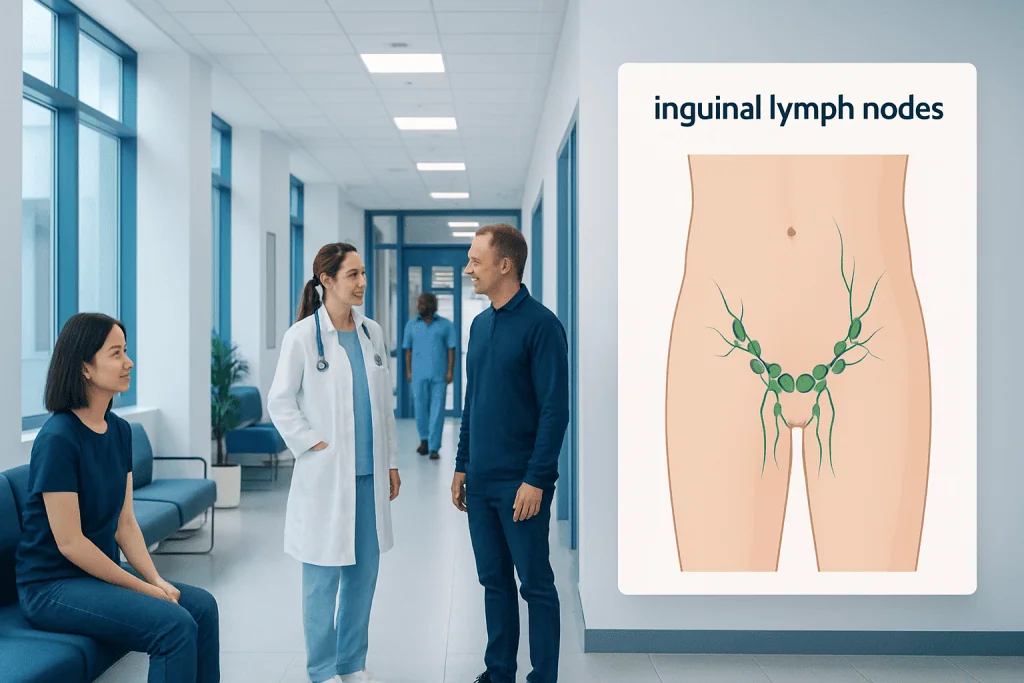
Inguinal lymph nodes are a normal part of the immune system and are located in the groin. Swollen inguinal lymph nodes often result from infection, skin irritation, or inflammation in the legs, feet, groin, or genital area.
Key Takeaways
- Inguinal lymph nodes are a normal part of the immune system and are located in the groin.
- Swollen inguinal lymph nodes often result from infection, skin irritation, or inflammation in the legs, feet, groin, or genital area.
- Lymph nodes that are hard, fixed, steadily enlarging, or present with fever, weight loss, or night sweats should be evaluated.
- Doctors assess groin lymph nodes with a history, examination, and sometimes blood tests, ultrasound, or biopsy.
- Treatment depends on the cause and may include observation, treating an infection, or investigating less common causes such as cancer.
Inguinal lymph nodes are lymph nodes in the groin that help the immune system filter germs and abnormal cells from the lower abdomen, pelvis, genitals, buttocks, and legs. When they become enlarged or tender, the cause is often a nearby infection or inflammation, though persistent or unexplained swelling may need medical assessment.
Overview: what inguinal lymph nodes are
Inguinal lymph nodes are small, bean-shaped immune structures located in the groin. They are part of the lymphatic system, a body-wide network that helps drain fluid, filter germs, and support immune responses. In simple terms, these nodes act like checkpoints for areas such as the lower abdomen, external genital area, buttocks, and legs.
Most people cannot feel their inguinal lymph nodes unless the nodes become enlarged or they are naturally more noticeable in a thin person. Even then, a small, soft, mobile node can be normal. The key point is that the presence of inguinal lymph nodes is normal; what matters clinically is whether they change in size, texture, tenderness, or number.
When people search for information about inguinal lymph nodes, they are usually concerned about swelling. Swollen groin lymph nodes are a sign, not a diagnosis. They may react to something minor, such as a skin infection, shaving irritation, or a fungal rash on the foot, but they can also occasionally point to a more serious underlying problem that deserves timely evaluation.
Where they are located and what they drain
The groin contains groups of superficial and deep inguinal lymph nodes. Superficial inguinal nodes lie closer to the skin and are the ones more likely to be felt during an examination. Deep inguinal nodes sit further below the surface and are less often noticeable without imaging.
These nodes drain lymph fluid from several nearby regions. This includes the skin and soft tissues of the lower abdomen below the belly button, the buttocks, parts of the perineum, the external genital area, and much of the legs and feet. Because of this drainage pattern, a problem in any of these areas can cause one or more groin nodes to enlarge.
Understanding this drainage map helps explain why the cause is often local rather than systemic. For example, athlete’s foot, an infected cut on the leg, or genital skin inflammation may all trigger enlargement of inguinal lymph nodes. In other situations, doctors may consider pelvic or genital conditions, including prostate cancer or cervical cancer, depending on the person’s age, symptoms, and anatomy.
Why inguinal lymph nodes become swollen
The most common reason inguinal lymph nodes enlarge is that they are responding to infection or inflammation nearby. The node may become tender because immune cells are becoming more active inside it. This process is called reactive lymphadenopathy and is often temporary.
Common causes include bacterial skin infections, infected ingrown hairs, sexually transmitted infections, fungal infections such as athlete’s foot, and inflammatory skin problems like eczema. Minor trauma to the legs or groin, shaving, and foot sores can also be enough to stimulate the nodes. In children and young adults, reactive swelling is particularly common.
Less commonly, enlarged inguinal lymph nodes are linked to cancers that spread through lymph channels or arise in the lymphatic system itself. Examples include melanoma, cancers of the genital or anal region, and blood-related cancers such as lymphoma. Cancer is not the most likely explanation for every swollen node, but persistent, firm, or enlarging nodes should not be ignored.
- Infections: skin infection, sexually transmitted infection, foot fungus, abscess
- Inflammation: dermatitis, eczema, trauma, shaving irritation
- Immune conditions: less common autoimmune or inflammatory disorders
- Cancer-related causes: lymphoma, melanoma, genital or pelvic cancers, metastatic disease
Symptoms and signs that matter
A swollen inguinal lymph node may feel like a small lump or several lumps in the groin crease. Some are tender and sore to touch, especially when the cause is infection. Others may be painless and discovered by chance while bathing or dressing.
Doctors pay attention to features such as size, tenderness, consistency, mobility, and duration. Soft, movable, mildly tender nodes that appear during an infection are often reactive. In contrast, nodes that feel hard, matted together, or fixed in place deserve closer assessment, especially if they remain enlarged for several weeks.
Associated symptoms can help narrow the cause. A rash, cut, wound, or redness on the leg or foot may point to a local skin problem. Genital sores, unusual discharge, pain with urination, or pelvic symptoms may suggest an infection that affects the groin nodes. Fever, night sweats, ongoing fatigue, or unintentional weight loss are broader warning signs that should be discussed with a doctor.
How doctors evaluate inguinal lymph nodes
Evaluation starts with a medical history and physical examination. A clinician will ask when the swelling began, whether it is painful, and whether there are symptoms involving the skin, legs, feet, genitals, urinary tract, or general health. Travel, recent infections, sexual history, medications, and any history of cancer can also be relevant.
The examination usually includes the groin as well as the skin of the legs and feet, the genital area when appropriate, and other lymph node regions such as the neck and armpits. This helps determine whether the issue is local to the groin or part of a more widespread pattern. Sometimes the most important clue is found away from the node itself, such as a fungal rash between the toes or a healing skin infection.
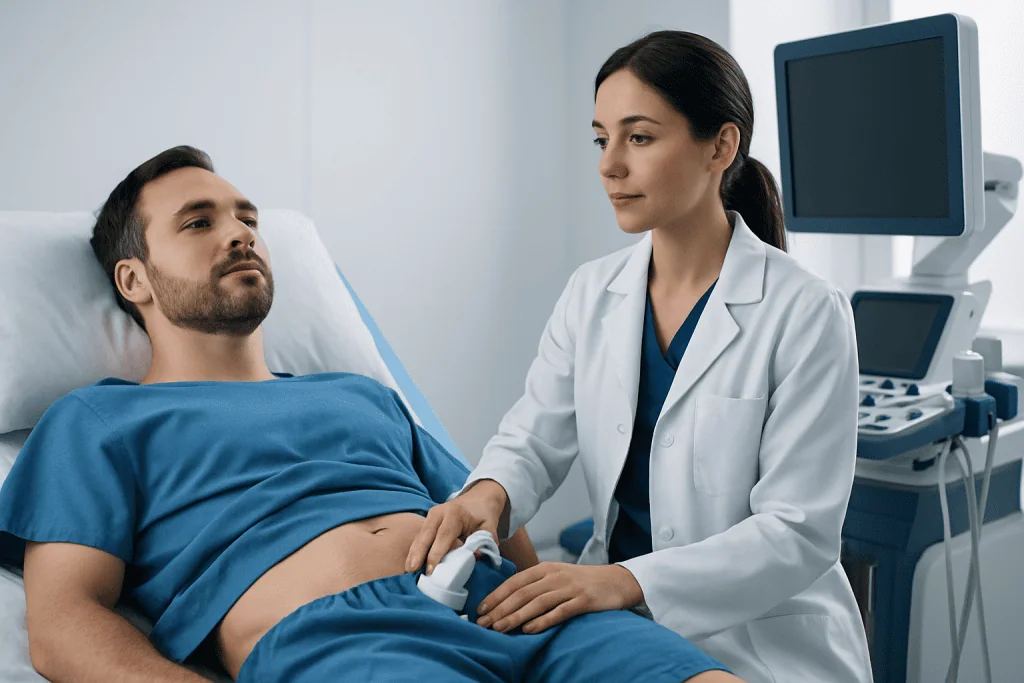
If the cause is not clear, tests may include blood work, urine testing, STI testing, or imaging. Ultrasound is often the first imaging test because it can help describe the size and shape of the node and whether it has features that suggest a benign or more concerning process. In selected cases, doctors may use ultrasound or MRI scanning to investigate further, and if questions remain, a biopsy may be recommended.
Treatment options and what to expect
Treatment depends on the underlying cause rather than the lymph node itself. If a nearby infection is responsible, managing that infection often allows the node to settle over days to weeks. This may involve antifungal treatment for athlete’s foot, antibiotics for a bacterial infection when prescribed by a doctor, or treatment for a sexually transmitted infection.
When the swelling appears clearly reactive and there are no concerning features, a doctor may recommend watchful waiting for a short period. During this time, the node may shrink gradually even after the triggering illness improves. Lymph nodes often take longer to return to their previous size than the infection takes to resolve.
If the node is persistent, growing, or suspicious on examination or imaging, the next step may be tissue sampling. This can involve needle-based assessment or surgical removal of a node for pathology, depending on the clinical picture. If an underlying cancer is found, treatment is guided by the specific diagnosis and may include approaches such as chemotherapy when appropriate.
Near the end of the diagnostic pathway, some people may benefit from care in centers with multiple specialties available in one place. Acibadem International’s multidisciplinary specialists and JCI-accredited hospitals diagnose and treat causes of enlarged inguinal lymph nodes for international patients when further evaluation is needed.
Self-care and reducing avoidable irritation
Self-care does not replace medical evaluation, but it can help reduce common triggers. Keeping the feet clean and dry, treating fungal infections promptly, and caring for cuts or blisters can reduce the chance of reactive groin node swelling. People who shave the groin area may lower irritation by using clean tools and avoiding shaving over inflamed skin.
It is generally best not to squeeze, press, or repeatedly check a swollen node. Frequent poking can make the area more tender and may create the impression that the swelling is getting worse. A note of when the node was first noticed and whether there are other symptoms is more useful than repeatedly touching it.
General health habits also support immune function and skin health. These include good hygiene, safer sex practices, management of chronic conditions such as diabetes, and seeking care for persistent rashes, ulcers, or wounds on the legs, feet, or genital area. If swelling lasts longer than expected or comes back repeatedly, a clinician should review it.
When to seek medical care
Medical review is sensible if an inguinal lymph node is new and does not improve within a few weeks, if it keeps enlarging, or if there is no obvious explanation such as a recent infection. Assessment is also important if the node is hard, fixed, or clearly different from previous minor swellings.
Prompt medical attention is especially important when swollen groin lymph nodes are accompanied by fever, significant redness or warmth of the surrounding skin, severe pain, genital ulcers, pus, or signs of a spreading infection. Unexplained weight loss, drenching night sweats, or persistent fatigue also deserve evaluation because they can point to a broader medical problem.
People with weakened immune systems, a personal history of cancer, or ongoing symptoms from the urinary, genital, or digestive tract should not delay assessment. A qualified doctor can decide whether reassurance and observation are enough or whether testing such as labs, imaging, or biopsy is needed.
Frequently asked questions
Are inguinal lymph nodes always a sign of disease?
No. Inguinal lymph nodes are normal structures in the groin, and some small nodes may be felt in healthy people. They become medically relevant when they newly enlarge, become painful, change texture, or are associated with other symptoms.
How long can a swollen groin lymph node last?
A reactive node may improve within days, but it can take several weeks to shrink after an infection or inflammation settles. If swelling persists, grows, or returns repeatedly, a doctor should evaluate it.
Can exercise cause swollen inguinal lymph nodes?
Exercise itself usually does not enlarge lymph nodes. However, friction, skin irritation, minor injuries, or infections related to the feet, groin, or legs may occur around physical activity and can trigger nearby nodes.
Are swollen inguinal lymph nodes linked to sexually transmitted infections?
They can be. Some sexually transmitted infections may cause groin node swelling, especially when there are genital sores, discharge, pain, or irritation. Because many symptoms overlap with other conditions, testing and medical advice are important.
What does a concerning lymph node feel like?
Doctors are often more concerned about nodes that are hard, fixed, matted, steadily enlarging, or not tender when there is no clear infection. These features do not prove cancer, but they do mean further evaluation may be needed.
Will antibiotics always treat swollen inguinal lymph nodes?
No. Antibiotics help only when the cause is a bacterial infection and should be used based on medical guidance. Swelling caused by fungi, viruses, inflammation, or cancer will not be solved by antibiotics alone.
This article is for general information only and is not a substitute for professional medical advice. Please consult a qualified doctor about your individual situation.
Explore treatments in Turkey — costs, top hospitals & a free quote
JCI-accredited · board-certified surgeons · reply within 24h
Add us as a Preferred Source to see more of our trusted health content across Google Search, AI Overviews and Discover.

More from the Health Library

Theophylline: An Evidence-Based Guide for Patients

Compound Exercises: An Evidence-Based Guide for Patients

8 Ounces of Water: What Patients Need to Know

Manuka Honey — Explained by Medical Evidence, Not Myths

IBS Attack: An Evidence-Based Guide for Patients