Insomia — Explained by Medical Evidence, Not Myths

Insomia is defined by poor sleep plus daytime effects such as fatigue, low concentration, or irritability. Short-term sleep trouble can happen during stress, but persistent symptoms may need medical evaluation.
Key Takeaways
- Insomia is defined by poor sleep plus daytime effects such as fatigue, low concentration, or irritability.
- Short-term sleep trouble can happen during stress, but persistent symptoms may need medical evaluation.
- Many cases improve with sleep-focused habits and cognitive behavioral therapy for insomnia.
- Insomia can be linked to anxiety, depression, pain, breathing-related sleep disorders, medications, or lifestyle factors.
- A doctor may recommend sleep studies or other tests when another sleep disorder is suspected.
Insomia usually means ongoing difficulty falling asleep, staying asleep, or waking earlier than planned despite enough opportunity to sleep. It is a real medical concern rather than a personal failing, and effective treatment often starts by identifying contributing habits, stressors, or health conditions.
Overview: what insomia means in medical terms
Insomia is the common misspelling of insomnia, a sleep disorder in which a person has difficulty falling asleep, staying asleep, or returning to sleep after waking too early. Doctors do not define it only by the number of hours slept. Instead, they look at whether sleep is unsatisfying and whether it causes daytime problems such as tiredness, reduced attention, low mood, or poorer performance at work, school, or daily tasks.
Medical evidence shows that insomnia is not simply “sleeping less than others.” Sleep needs vary from person to person. Someone who sleeps fewer hours may still function well, while another person may spend enough time in bed but still feel unrefreshed and impaired. For this reason, evaluation focuses on both night-time symptoms and daytime effects.
Insomnia can be short-term, often linked to stress, travel, illness, or changes in routine. It can also become chronic when symptoms happen at least several times per week over a longer period. Chronic insomnia often persists because the original trigger becomes mixed with learned patterns such as worrying about sleep, spending too much time awake in bed, irregular schedules, or relying heavily on naps and stimulants.
Symptoms and how insomnia affects daily life
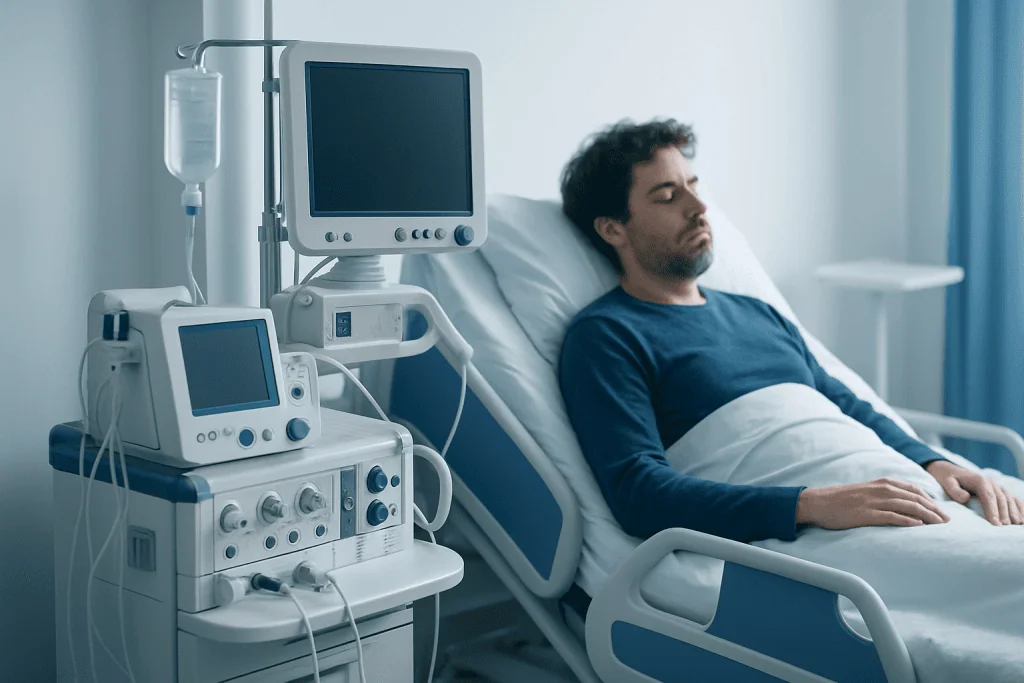
The main symptoms of insomnia include difficulty falling asleep, waking repeatedly during the night, waking very early, or feeling that sleep was light and non-restorative. Some people mainly struggle at the start of the night, while others fall asleep easily but wake often or too early in the morning. Symptoms may vary over time and are often worse during periods of stress or health changes.
Daytime symptoms are an important part of the diagnosis. A person may feel tired, mentally foggy, irritable, less productive, or emotionally sensitive. Headaches, low motivation, and difficulty remembering or concentrating can also occur. In older adults, poor sleep can sometimes contribute to balance problems or reduced daytime function.
Insomnia does not always mean a person never sleeps. Many people with this condition do sleep, but they feel that sleep is fragmented, inadequate, or hard to trust. A doctor may ask about bedtime habits, wake times, caffeine intake, snoring, naps, alcohol use, work schedules, and emotional stress to understand the full picture.
- Trouble falling asleep within a reasonable time
- Waking often during the night
- Waking too early and not being able to return to sleep
- Fatigue, irritability, or poor concentration during the day
- Worry or frustration centered on sleep itself
Why insomnia happens: common causes and risk factors

Insomnia is often caused by more than one factor. Stress is one of the most common triggers, especially after major life changes, grief, work pressure, caregiving demands, or relationship difficulties. Once sleep becomes disrupted, people may start checking the clock, staying in bed awake longer, or trying harder to force sleep, which can unintentionally worsen the problem.
Physical and mental health conditions are also frequent contributors. Pain disorders, reflux, asthma, hormonal changes, anxiety, depression, and neurological conditions can all disturb sleep. Breathing-related sleep problems such as sleep apnea may be mistaken for insomnia, especially when a person wakes often and feels unrefreshed. Restless legs symptoms, frequent urination, and medication side effects are other common explanations.
Lifestyle patterns matter as well. Irregular bedtimes, shift work, late-day caffeine, nicotine, alcohol near bedtime, long daytime naps, heavy evening meals, and excess screen use can interfere with normal sleep regulation. Risk tends to be higher in older adults, women during pregnancy or menopause, people with chronic illness, and anyone with a family or personal history of mood or sleep disorders.
How doctors diagnose insomnia
Diagnosis usually begins with a detailed conversation rather than a complex test. A clinician asks how long symptoms have been present, how often they occur, what the sleep schedule looks like, and how sleep problems affect daytime life. Sleep diaries kept for one to two weeks can be very useful because they show patterns in bedtime, wake time, naps, and awakenings.
The doctor also looks for conditions that may mimic or worsen insomnia. Questions may cover snoring, witnessed breathing pauses, leg discomfort at night, pain, low mood, anxiety, substance use, and medicines such as stimulants or certain decongestants. In some cases, the person may be assessed for sleep disorders more broadly if symptoms suggest more than one issue.
A sleep study is not needed for every person with insomnia. However, it may be recommended when there are signs of another sleep disorder, especially sleep apnea, unusual movements during sleep, or unclear nighttime events. Depending on the situation, a physician might also suggest blood tests or other evaluations to check for conditions such as thyroid problems, anemia, or metabolic issues that can affect sleep.
Evidence-based treatment options
The most effective first-line treatment for chronic insomnia is usually cognitive behavioral therapy for insomnia, often called CBT-I. This is a structured, evidence-based approach that helps people change the behaviors and thought patterns that keep insomnia going. It may include stimulus control, sleep scheduling, relaxation methods, and strategies to reduce worry about sleep. Compared with simply trying to sleep harder or going to bed earlier, CBT-I aims to rebuild a more reliable sleep pattern.
Medications may be considered in selected cases, especially when symptoms are severe, short-term, or causing marked daytime impairment. A doctor chooses treatment based on age, medical history, other medicines, and the likely cause of insomnia. Sleep medications are usually used carefully because some can cause next-day drowsiness, falls, confusion, or dependence in certain people. They are generally most helpful when paired with behavioral treatment rather than used alone for long periods.
If another condition is contributing, treating that condition is an important part of care. For example, a person with breathing-related sleep disruption may need evaluation in a sleep laboratory and polysomnography unit, while someone diagnosed with obstructive sleep apnea may benefit from sleep apnea treatment. When anatomy of the airway is involved, referral for ear, nose and throat care may also be relevant. Effective treatment often combines sleep-focused strategies with management of pain, mood symptoms, or underlying medical issues.
Self-care and prevention: habits that support better sleep
Many people with insomnia benefit from practical sleep habits, though these steps work best when applied consistently rather than occasionally. A regular wake time is often more important than a perfect bedtime because it helps reset the body clock. It is also helpful to use the bed mainly for sleep and intimacy, rather than for work, prolonged phone use, or worrying.
Daytime choices can strongly influence nighttime sleep. Limiting caffeine later in the day, avoiding nicotine and heavy alcohol use, getting daylight exposure, and including regular physical activity can improve sleep regulation. For those who nap, shorter and earlier naps are usually less disruptive than long late-afternoon naps.
People should be cautious about myths. Alcohol may make a person sleepy at first but often leads to more fragmented sleep later in the night. Spending extra hours in bed does not necessarily create more rest and can sometimes worsen insomnia by weakening the link between bed and sleep. Sleep supplements and over-the-counter aids are not harmless for everyone, so it is sensible to discuss them with a healthcare professional, especially in older adults, during pregnancy, or when other medicines are being used.
- Keep a consistent wake-up time every day
- Create a dark, quiet, comfortable sleep environment
- Avoid large meals, caffeine, and stimulating screens close to bedtime
- Get regular exercise, but not too intensely right before bed
- If unable to sleep, get out of bed briefly and return when sleepy
When to seek medical care
Medical evaluation is appropriate when insomnia lasts more than a few weeks, keeps returning, or interferes with work, school, driving, mood, or daily function. A doctor should also be consulted if there is loud snoring, choking or gasping during sleep, unusual behaviors at night, severe leg discomfort, or significant daytime sleepiness, because these can point to conditions beyond insomnia alone.
It is also wise to seek care when poor sleep occurs alongside depression, anxiety, persistent pain, memory problems, or major changes in physical health. New insomnia after starting a medication, or sleep trouble during pregnancy, menopause, or chronic illness, may need individualized guidance. Children, older adults, and people with complex medical conditions should not rely only on self-treatment.
If sleep problems are sudden and severe, or if they occur with chest pain, breathing difficulty, thoughts of self-harm, or neurological symptoms, urgent medical care is needed. Near the end of the care journey, some patients may wish to be evaluated in a center with multidisciplinary sleep expertise; Acibadem International’s multidisciplinary specialists in JCI-accredited hospitals assess and treat sleep-related conditions for international patients.
Frequently asked questions
Is insomia the same as insomnia?
Yes. Insomia is a common misspelling of insomnia. The medical term is insomnia, which means ongoing difficulty with sleep that also affects daytime well-being or functioning.
How much sleep loss is needed before a doctor calls it insomnia?
There is no single number of hours that defines insomnia. Doctors focus on whether a person has trouble sleeping despite enough opportunity to sleep and whether this causes daytime problems such as fatigue, poor concentration, or irritability.
Can stress alone cause insomnia?
Yes, stress is one of the most common triggers of short-term insomnia. However, if sleep problems continue, other factors such as habits, anxiety, pain, medications, or another sleep disorder may also be involved.
Do sleeping pills cure insomnia?
Sleeping pills do not usually cure the underlying pattern that keeps chronic insomnia going. They may help in selected situations, but long-term improvement often depends on behavioral treatment, especially cognitive behavioral therapy for insomnia.
When is a sleep study necessary for insomnia?
A sleep study is not needed for every person with insomnia. It is more likely to be recommended when symptoms suggest another sleep disorder, such as loud snoring, breathing pauses, unusual movements, or marked daytime sleepiness.
Can insomnia be related to anxiety or depression?
Yes. Anxiety and depression can both contribute to insomnia, and poor sleep can also worsen mood symptoms. Because the relationship goes both ways, treatment may need to address sleep and mental health together.
This article is for general information only and is not a substitute for professional medical advice. Please consult a qualified doctor about your individual situation.
Explore treatments in Turkey — costs, top hospitals & a free quote
JCI-accredited · board-certified surgeons · reply within 24h
Add us as a Preferred Source to see more of our trusted health content across Google Search, AI Overviews and Discover.

More from the Health Library

Calcaneus Fracture: A Complete Medical Overview

H Pylori Test — Explained by Medical Evidence, Not Myths

Hypothalamus: An Evidence-Based Guide for Patients

Removing tonsils: Symptoms, Causes, and Treatment — Complete Patient Guide

Macrobid: An Evidence-Based Guide for Patients