Integumentary System: An Evidence-Based Guide for Patients
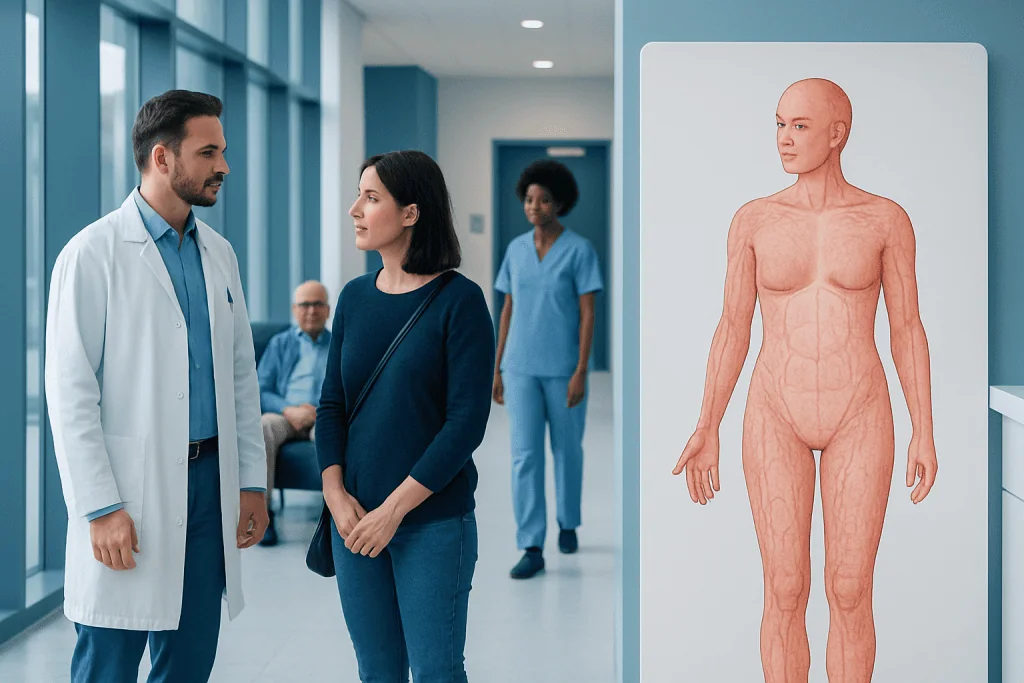
The integumentary system includes the skin, hair, nails, sweat glands, and oil glands. Its main roles are protection, temperature regulation, sensation, and support for wound healing.
Key Takeaways
- The integumentary system includes the skin, hair, nails, sweat glands, and oil glands.
- Its main roles are protection, temperature regulation, sensation, and support for wound healing.
- Dryness, rashes, color changes, new moles, and non-healing sores can signal a skin problem that needs medical review.
- Good skin care, sun protection, hydration, and avoiding irritants can help maintain integumentary health.
- Many skin conditions are manageable, especially when they are diagnosed early.
The integumentary system is the body’s outer protective system, made up of the skin, hair, nails, and sweat and oil glands. It helps shield the body from infection and injury, supports temperature control, and provides sensation, making it essential to everyday health.
Overview: what the integumentary system does
The integumentary system is the body’s outer covering and first physical barrier against the outside world. It includes the skin, hair, nails, sweat glands, and sebaceous (oil) glands. Together, these structures do much more than affect appearance: they help protect the body from germs, chemicals, ultraviolet radiation, fluid loss, and everyday injury.
The skin is the largest organ of the body and plays a central role in this system. It helps keep internal tissues safe, supports temperature balance through sweating and changes in blood flow, and contains nerve endings that allow a person to feel pressure, pain, heat, and cold. The skin also contributes to wound healing and helps the body produce vitamin D when exposed to sunlight.
Understanding the integumentary system can help patients recognize why skin, hair, and nail changes sometimes reflect more than a cosmetic issue. A persistent rash, unusual pigmentation, brittle nails, or a sore that does not heal may point to irritation, infection, inflammation, or another underlying condition. In this way, the integumentary system can offer early clues about overall health.
Parts of the integumentary system

The main part of the integumentary system is the skin, which has three broad layers: the epidermis, dermis, and subcutaneous tissue beneath them. The epidermis forms the outer surface and acts as a barrier. The dermis contains connective tissue, blood vessels, nerves, hair follicles, and glands. The deeper subcutaneous layer helps cushion the body and store energy.
Hair helps protect the scalp, reduce friction, and support sensory awareness. Nails protect the tips of the fingers and toes and help with fine movements such as grasping small objects. Sweat glands produce perspiration to cool the body, while oil glands release sebum, which helps lubricate the skin and hair.
These structures work together continuously. For example, healthy skin depends on moisture balance, blood supply, immune activity, and intact glands. Changes in one part of the system can affect others. A skin disease may involve the nails, and some scalp disorders may also affect hair growth or oil production.
- Skin: barrier, sensation, fluid balance, temperature control
- Hair: protection, insulation, sensory function
- Nails: protection and support for hand function
- Sweat glands: cooling and waste excretion
- Oil glands: lubrication and skin barrier support
How the integumentary system protects health

The integumentary system protects health in several ways at once. The outer skin barrier helps block bacteria, viruses, fungi, irritants, and excessive water loss. Its slightly acidic surface and immune cells also contribute to defense. When the skin barrier becomes damaged, the risk of dryness, irritation, infection, and inflammation increases.
Temperature control is another major function. When body temperature rises, sweat glands produce sweat and blood vessels in the skin widen to release heat. When it is cold, blood vessels narrow to conserve warmth. This constant adjustment helps maintain a stable internal environment.
The system also supports sensation and healing. Nerve endings in the skin help the body react quickly to harmful stimuli, such as sharp objects or extreme temperatures. If the skin is injured, the body begins a repair process involving inflammation, clotting, tissue growth, and remodeling. Problems with circulation, diabetes, nutrition, or infection can slow this healing process.
In addition, the skin participates in vitamin D production with sunlight exposure. Vitamin D is important for bone health and other body processes. Because both too much and too little sun exposure can be harmful, balanced sun habits are important for maintaining skin health and broader well-being.
Common conditions that affect the integumentary system
Many common health concerns involve the integumentary system. These include eczema, acne, fungal infections, dermatitis, psoriasis, hair loss, nail infections, and skin cancer. Some conditions are short-lived and triggered by irritants, allergies, heat, or infection, while others are chronic inflammatory disorders that need long-term management.
Symptoms vary depending on the cause. A patient may notice itching, redness, flaking, dry patches, blisters, swelling, acne lesions, lumps, color changes, or a wound that does not heal. Hair may become thinner or fall out in patches, and nails may become thick, brittle, discolored, or separated from the nail bed. Some changes are harmless, but others deserve prompt evaluation.
Examples of conditions linked to this system include skin cancer, which may appear as a changing mole or a sore that persists, and psoriasis, a long-term inflammatory condition that can cause thick, scaly plaques. Acne can also involve deeper inflammation and scarring in some people, and may benefit from specialist evaluation and acne treatment when over-the-counter care is not enough.
Skin signs can sometimes reflect broader health issues. Pale skin, easy bruising, severe dryness, poor wound healing, or darkened patches may occasionally be associated with nutritional deficiencies, circulation problems, hormone changes, or systemic disease. This is one reason new or persistent changes should not be ignored.
Causes and risk factors for integumentary problems
Integumentary problems can result from many different factors. Common causes include infections, allergic reactions, chronic inflammation, sun exposure, friction, excessive moisture, harsh skin products, and injury. Some people also have inherited traits that increase the likelihood of certain skin or hair conditions.
Age, medical history, occupation, and environment all matter. Older adults often have thinner, drier skin and may bruise more easily. People who work outdoors may have more ultraviolet exposure. Frequent handwashing, cleaning agents, or industrial chemicals can damage the skin barrier. Hot, humid conditions can increase sweating, irritation, and fungal overgrowth.
Certain health conditions also raise risk. Diabetes can affect circulation, sensation, and wound healing. Autoimmune disorders may cause inflammatory skin disease. Hormonal shifts can influence acne, hair growth, and pigmentation. Reduced immunity may increase the likelihood of infections or make them harder to clear.
Lifestyle factors can contribute as well. Smoking may impair wound healing and accelerate skin aging. Poor sleep, ongoing stress, and a limited diet can affect barrier function and inflammation. While not every skin problem is preventable, understanding these influences can help reduce risk and guide early care.
How doctors evaluate integumentary symptoms
Diagnosis often begins with a careful history and skin examination. A doctor may ask when symptoms started, whether they itch or hurt, what products have been used on the area, and whether there has been sun exposure, illness, new medication use, or contact with possible irritants. Family history and any previous skin conditions are also important.
During the examination, the clinician looks at the color, shape, texture, size, and distribution of skin findings. Hair and nails may also be checked, since they can provide helpful diagnostic clues. In many cases, the appearance and location of the problem strongly suggest the cause.
Sometimes further tests are needed. These may include a skin swab, scraping, patch testing for allergies, blood tests, or a skin biopsy. If a mole or lesion looks suspicious, the doctor may recommend sampling the tissue to rule out cancer. Imaging is not commonly needed for routine skin complaints, but it may be used in selected situations.
Prompt diagnosis matters because different causes can look similar but require different treatment. For example, a fungal rash should not be treated in the same way as eczema, and a chronic wound needs evaluation for infection, circulation issues, or other underlying factors.
Treatment and everyday care
Treatment depends on the specific problem, its severity, and whether there is an underlying medical condition. Care may include gentle skin care, moisturizers, trigger avoidance, prescription creams or ointments, antibiotics, antifungal medicines, anti-inflammatory treatments, or procedures for suspicious or bothersome lesions. A doctor will tailor the plan to the diagnosis and the patient’s age, health, and symptoms.
For some conditions, specialist treatment may be appropriate. For example, persistent inflammatory disorders may benefit from dermatology treatment, and concerning growths may require assessment and removal through skin cancer treatment. Patients with recurring symptoms should avoid repeated self-treatment if the diagnosis is uncertain, since this can delay the right care.
Daily habits can support a healthier integumentary system. Using mild cleansers, applying fragrance-free moisturizer, protecting the skin from excessive sun, staying hydrated, and avoiding scratching can all help preserve the skin barrier. Nails should be kept clean and trimmed, and breathable footwear may help reduce some foot and nail infections.
When a condition is chronic, such as eczema or psoriasis, care often focuses on control rather than a permanent cure. Flares can often be reduced by identifying triggers, following the treatment plan consistently, and attending follow-up visits. Near the end of the care pathway, some patients may seek multidisciplinary support; Acibadem International’s specialists in JCI-accredited hospitals diagnose and treat skin, hair, and nail conditions for international patients.
When to seek medical care
Many minor skin changes improve with gentle home care, but some symptoms should be assessed by a doctor. Medical advice is appropriate if a rash lasts more than a couple of weeks, keeps returning, spreads quickly, or interferes with sleep or daily life. It is also important to seek care for signs of infection such as increasing redness, warmth, swelling, pus, or fever.
A new or changing mole, a lesion that bleeds easily, or a sore that does not heal should be evaluated promptly. Ongoing hair loss, sudden nail changes, painful blisters, widespread peeling, or severe itching also deserve attention. People with diabetes, reduced immunity, or poor circulation should seek care early for foot wounds or skin breakdown.
Emergency care may be needed if there is trouble breathing with a rash, rapid swelling of the face or lips, extensive burns, or a rapidly worsening skin reaction after taking a new medicine. In general, it is wise to consult a qualified doctor whenever skin, hair, or nail symptoms are severe, unusual, or persistent.
Frequently asked questions
What is the integumentary system in simple terms?
The integumentary system is the body’s outer protective system. It includes the skin, hair, nails, and sweat and oil glands, all of which help protect the body and support everyday functions.
What are the main functions of the integumentary system?
Its main functions are protection, temperature regulation, sensation, and support for wound healing. It also helps prevent fluid loss and plays a role in vitamin D production through sun exposure.
Is the skin really an organ?
Yes. The skin is considered an organ, and it is the largest organ of the body. Because it has many specialized functions and structures, it is a central part of the integumentary system.
What symptoms suggest a problem with the integumentary system?
Common warning signs include persistent itching, redness, rashes, scaling, blisters, non-healing sores, new or changing moles, nail discoloration, and unusual hair loss. These symptoms are not always serious, but they should be checked if they persist or worsen.
How can a person keep the integumentary system healthy?
Helpful habits include gentle cleansing, regular moisturizing, sun protection, good hydration, and avoiding known irritants. It also helps to avoid picking at the skin, keep nails clean, and seek care early for suspicious changes.
Can integumentary problems be linked to other health conditions?
Yes. Some skin, hair, and nail changes can be associated with allergies, infections, autoimmune disorders, diabetes, circulation problems, or hormone changes. That is why persistent or unusual symptoms sometimes need a broader medical evaluation.
References
- American Academy of Dermatology
- National Institute of Arthritis and Musculoskeletal and Skin Diseases
- MedlinePlus
- Mayo Clinic
- World Health Organization
This article is for general information only and is not a substitute for professional medical advice. Please consult a qualified doctor about your individual situation.
Hair transplant in Turkey — costs, graft counts & a free assessment
JCI-accredited · board-certified surgeons · reply within 24h
Add us as a Preferred Source to see more of our trusted health content across Google Search, AI Overviews and Discover.