Interventional Neuroradiology in Turkey: Hospital Selection, Travel Planning, and Follow-Up
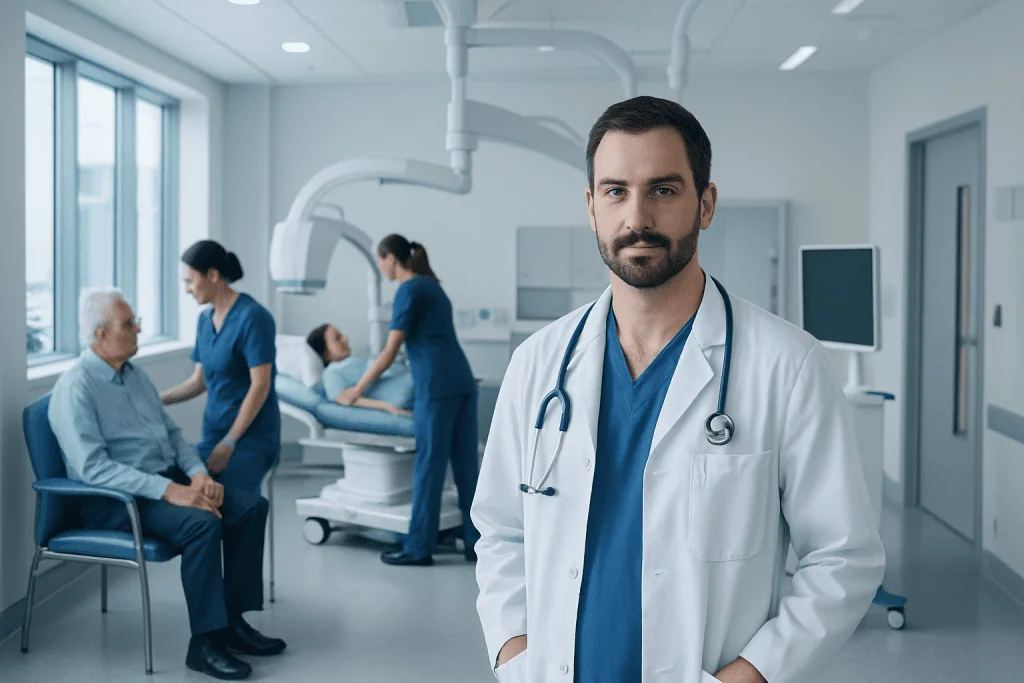
Interventional neuroradiology uses image-guided, minimally invasive techniques to diagnose and treat certain vascular and neurological conditions. Hospital selection should focus on specialist expertise, imaging capability, intensive care support, and multidisciplinary teamwork.
Key Takeaways
- Interventional neuroradiology uses image-guided, minimally invasive techniques to diagnose and treat certain vascular and neurological conditions.
- Hospital selection should focus on specialist expertise, imaging capability, intensive care support, and multidisciplinary teamwork.
- Travel planning matters, especially for urgent conditions, medication management, and recovery time after the procedure.
- Follow-up may include clinic reviews, repeat imaging, and coordinated care with the patient’s local doctors after returning home.
- Patients should ask clear questions about risks, alternatives, expected recovery, and emergency support before choosing treatment abroad.
Interventional neuroradiology in Turkey can offer minimally invasive care for selected brain, spine, head, and neck vascular conditions. For international patients, choosing the right hospital, planning travel carefully, and understanding follow-up needs are key parts of a safe and organized treatment journey.
Overview: What Interventional Neuroradiology Involves
Interventional neuroradiology is a highly specialized field that uses imaging guidance to diagnose and treat certain conditions affecting the blood vessels of the brain, spinal cord, head, and neck. Instead of open surgery, many procedures are performed through a small catheter inserted into a blood vessel, usually in the wrist or groin. Real-time imaging helps the doctor guide very fine instruments to the treatment area.
This approach may be used for conditions such as aneurysms, arteriovenous malformations, fistulas, some types of stroke, and narrowing of blood vessels. Depending on the condition, treatment may involve coils, stents, embolization materials, or clot-removal devices. Because the techniques are precise and minimally invasive, recovery can be shorter than with some traditional surgical approaches, although this depends on the individual case.
For people considering interventional neuroradiology in Turkey, it is helpful to know that the procedure itself is only one part of care. A complete pathway usually includes specialist consultation, high-quality imaging, anesthesia assessment, hospital monitoring, and a structured follow-up plan after discharge. International patients also need support with travel timing, medical records, and communication across borders.
Who May Need It and Common Reasons for Referral
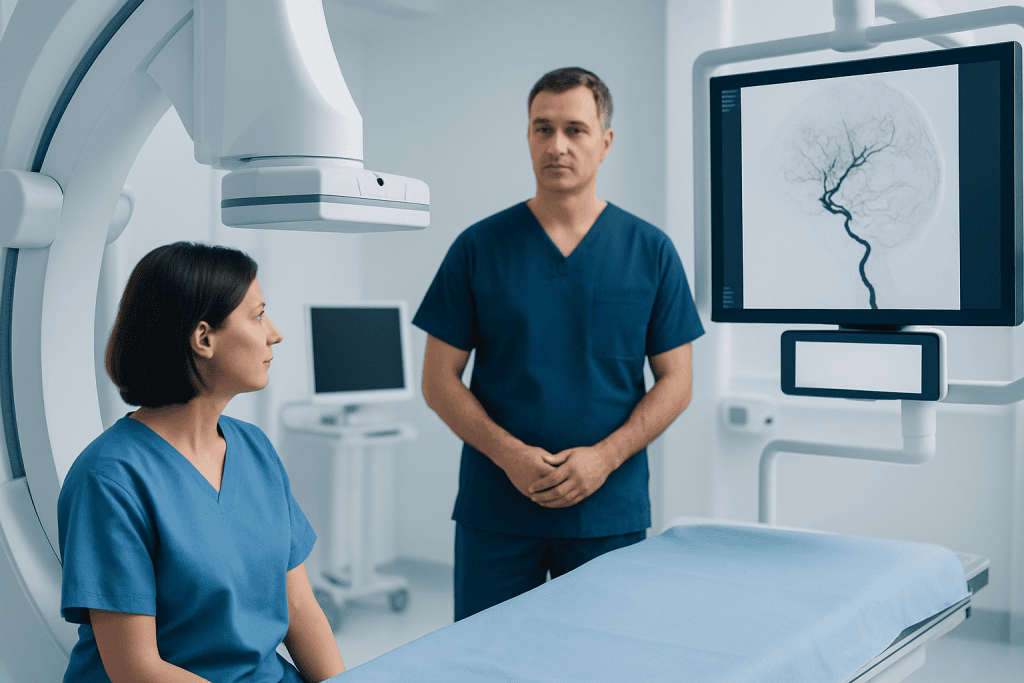
Patients are usually referred for interventional neuroradiology after symptoms, an emergency event, or imaging findings suggest a vascular problem involving the nervous system. Some people present suddenly with severe headache, weakness, speech difficulty, visual changes, or loss of consciousness. Others are evaluated after an incidental finding on a scan done for a different reason.
Common reasons for referral include a brain aneurysm, a blood vessel malformation, carotid or intracranial vessel narrowing, vascular causes of pulsatile tinnitus, and selected stroke-related conditions. In some cases, the goal is to prevent bleeding or recurrent stroke. In others, the aim is to stop abnormal blood flow, restore circulation, or reduce symptoms caused by a vascular lesion.
Interventional neuroradiology is not suitable for every patient or every diagnosis. Some people are better treated with medication, neurosurgery, radiosurgery, or careful monitoring. That is why a full assessment by an experienced team is important. If a patient has been told they may have a brain aneurysm or another cerebrovascular problem, a specialist center can explain which treatment options are most appropriate and why.
How to Choose a Hospital in Turkey
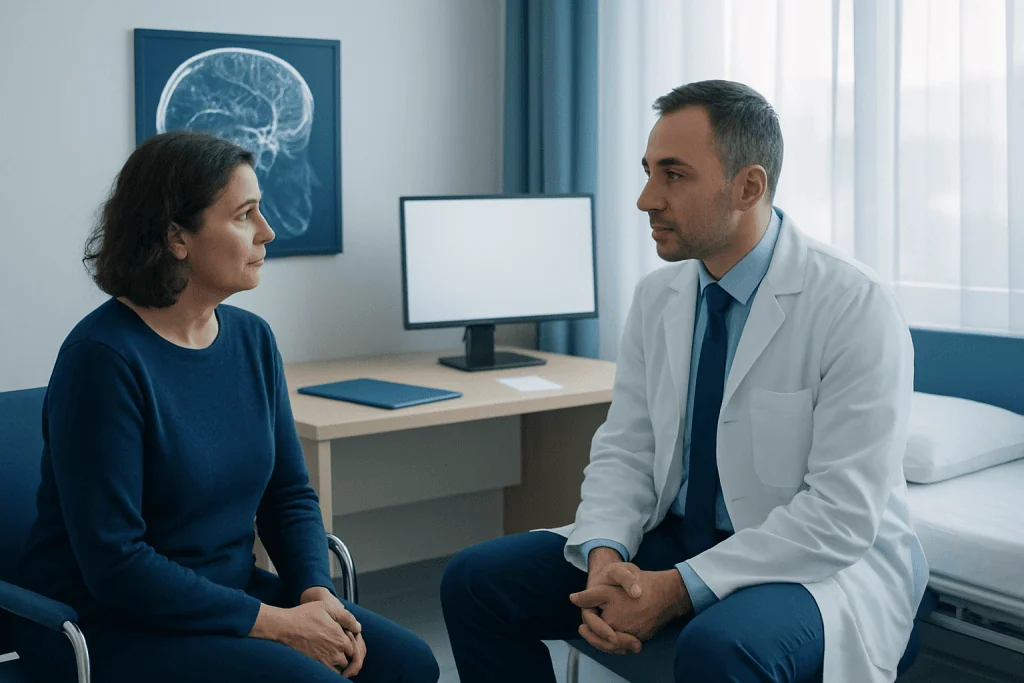
Choosing a hospital is one of the most important steps for international patients. The best center is not defined by location alone, but by the experience of its specialists and the strength of the services around them. Interventional neuroradiology often requires close collaboration between neuroradiologists, neurologists, neurosurgeons, neuroanesthesiologists, intensive care teams, and rehabilitation professionals.
Patients and families may want to ask whether the hospital has 24/7 emergency stroke and neurovascular coverage, advanced angiography suites, MRI and CT imaging on site, neuro-intensive care facilities, and a team experienced in managing complications if they arise. It is also reasonable to ask how treatment decisions are made, whether cases are discussed in multidisciplinary meetings, and which doctor would provide follow-up after discharge.
Practical points matter too. International patients often benefit from a hospital that can review records before travel, coordinate language support, and provide written summaries for doctors back home. When treatment may include a catheter-based interventional neuroradiology procedure, patients can ask about expected length of stay, visitor policies, mobility after the procedure, and whether additional treatments might be needed during the same admission.
Near the end of the decision process, it can be helpful to compare more than one opinion if time allows. A careful review of scans and symptoms may confirm the diagnosis, clarify urgency, or reveal that monitoring is safer than immediate intervention. The goal is not simply to find treatment abroad, but to choose a center that can deliver the right treatment with the right support.
Travel Planning Before the Procedure
Travel planning should begin only after a specialist has reviewed the medical records and advised whether travel is safe. Some neurovascular conditions are urgent, and a patient may need treatment locally without delay. Others allow enough time to gather scans, blood test results, medication lists, allergy information, and summaries from previous doctors before traveling.
Medication planning is especially important. Patients should tell the hospital about blood thinners, antiplatelet medicines, diabetes medications, seizure treatments, and any history of contrast allergy or kidney disease. The team may give instructions about which medicines to continue, stop, or bring in their original packaging. No medication changes should be made without direct medical advice.
Travel companions can be very helpful, especially if the patient may be tired, anxious, or unable to manage transport alone after the procedure. It is wise to plan flexible flights when possible, allow time for pre-procedure consultations, and ask when flying home will be safe. Some patients can travel relatively soon after an uncomplicated admission, while others need longer observation, repeat imaging, or rehabilitation before departure.
Patients should also think ahead about practical needs such as travel insurance terms, passport validity, airport assistance, accommodation close to the hospital, and access to emergency care if symptoms change before treatment. If additional services are needed, related specialties such as neurology evaluation or neurosurgical assessment may be part of the treatment pathway.
What to Expect During Diagnosis and Treatment
Before treatment, the hospital team usually confirms the diagnosis with imaging such as CT, MRI, angiography, or ultrasound, depending on the condition. Blood tests, heart assessment, and anesthesia review may also be required. The doctor explains the purpose of the procedure, possible benefits, potential risks, and alternative options, then asks for informed consent.
Many interventional neuroradiology procedures are done in a specialized angiography suite under local anesthesia with sedation or under general anesthesia. A catheter is guided through the blood vessels to the treatment area while the team watches on detailed imaging screens. The exact treatment depends on the diagnosis, and the procedure may take from under an hour to several hours.
Afterward, patients are monitored in a recovery area and sometimes in a high-dependency or intensive care setting, especially after complex procedures. The team watches neurological status, blood pressure, puncture-site healing, and any signs of complications. Some patients go home within a short time, while others stay longer for observation, additional imaging, or recovery support.
It is normal to have questions about success rates, recurrence, and complications. Each case is different, so personalized advice is more useful than general comparisons. Patients should feel comfortable asking the treating doctor to explain what is expected in their specific situation, including whether more than one procedure may be needed over time.
Recovery, Follow-Up, and Returning Home
Follow-up is a central part of safe care after interventional neuroradiology. Even when a procedure goes smoothly, patients may need medication adjustments, wound care advice, repeat scans, or monitoring for delayed symptoms. Before discharge, the hospital should provide clear written instructions about activity, travel, hydration, warning signs, and when to seek urgent help.
Imaging follow-up can be especially important after treatment of aneurysms, vascular malformations, or stent placement. The timing varies by condition and procedure, but repeat MRI, CT angiography, or catheter angiography may be recommended weeks or months later. Patients returning home should know whether these scans can be done locally and how the images will be shared with the treating team in Turkey.
Close communication between the treating hospital and the patient’s local doctor is helpful. Discharge reports should include the diagnosis, what was done, any devices or materials used, medicines to continue, and symptoms that require urgent review. If rehabilitation is needed for weakness, balance problems, or speech changes, arrangements should be made before travel or soon after return.
For international patients, continuity of care is often easier when the hospital has experience coordinating cross-border follow-up. Acibadem International’s multidisciplinary specialists and JCI-accredited hospitals diagnose and treat neurovascular conditions for international patients, with attention to treatment planning and aftercare coordination.
Questions to Ask and When to Seek Urgent Medical Help
Patients and families often feel more confident when they prepare questions in advance. Helpful topics include the exact diagnosis, why interventional treatment is recommended, what alternatives exist, whether the condition is urgent, what risks are most relevant in that individual case, and what recovery is likely to involve. It is also reasonable to ask who to contact after discharge and how follow-up imaging will be arranged.
After the procedure, urgent medical attention is needed if the patient develops sudden weakness, numbness, severe or unusual headache, confusion, speech difficulty, seizures, chest pain, shortness of breath, heavy bleeding, or worsening swelling at the catheter site. Fever, persistent vomiting, or severe new pain should also be reported promptly, especially in the first days after treatment.
Even before travel, sudden neurological symptoms should never be ignored. A suspected stroke or brain bleed is a medical emergency, and immediate local emergency care is the priority. Seeking rapid treatment close to home can be life-saving, and transfer abroad should only be considered if the patient is medically stable and specialists advise that travel is appropriate.
Frequently asked questions
What is interventional neuroradiology?
Interventional neuroradiology is a medical specialty that treats certain brain, spine, head, and neck vascular conditions using image-guided catheters and very small instruments. It is designed to be less invasive than open surgery for selected problems, but it is not the right option for every patient.
Why do people travel to Turkey for interventional neuroradiology?
Some patients travel to Turkey to access specialized neurovascular teams, advanced imaging, and coordinated hospital care in one setting. The most important factor is not the country itself, but whether the chosen hospital has the right expertise, facilities, and follow-up arrangements for that person’s condition.
How can a patient choose the right hospital?
Patients should look for a center with experienced interventional neuroradiologists, 24/7 imaging and emergency support, intensive care access, and multidisciplinary teamwork. It also helps if the hospital can review records before travel and provide clear discharge information for doctors at home.
Is interventional neuroradiology always safer than surgery?
Not always. In some situations it may reduce recovery time or avoid open surgery, but every treatment has risks and benefits. The safest and most effective option depends on the diagnosis, anatomy, overall health, and urgency of the condition.
How long is recovery after the procedure?
Recovery varies widely depending on the condition treated, the complexity of the procedure, and the patient’s health before treatment. Some people recover quickly after a short hospital stay, while others need longer monitoring, rehabilitation, or repeat imaging over time.
Will follow-up be needed after returning home?
Yes, follow-up is often essential. Patients may need clinic review, medication guidance, and repeat imaging, and these can sometimes be coordinated with local doctors and shared with the treating team in Turkey.
References
- World Health Organization
- American Heart Association
- Society of NeuroInterventional Surgery
- European Stroke Organisation
This article is for general information only and is not a substitute for professional medical advice. Please consult a qualified doctor about your individual situation.
Interventional Neuroradiology in Turkey — costs, top hospitals & a free quote
JCI-accredited · board-certified surgeons · reply within 24h
Add us as a Preferred Source to see more of our trusted health content across Google Search, AI Overviews and Discover.

More from the Health Library



Related Specialists

Dr. Ayşegül Akkaya Erden
Acibadem Life Clinical Service
Prof. Dr. Hakan Ağır
Aesthetic Plastic & Reconstructive Surgery
Dr. Ecem Yurdadoğan
Physical Medicine & Rehabilitation
Prof. Dr. Refik Erdim
Cardiology