Intestines Explained: Small vs Large Intestine

The small intestine mainly digests food and absorbs nutrients. The large intestine mainly absorbs water, processes waste, and forms stool.
Key Takeaways
- The small intestine mainly digests food and absorbs nutrients.
- The large intestine mainly absorbs water, processes waste, and forms stool.
- Although connected, the two intestines differ in length, structure, and function.
- Symptoms such as ongoing pain, bleeding, weight loss, or changes in bowel habits should be medically assessed.
- Healthy eating, hydration, exercise, and routine screening support intestinal health.
The intestines are a major part of the digestive system, but the small and large intestine have different jobs. Understanding how each section works can make digestive symptoms, tests, and treatments easier to understand.
Overview of the Intestines
The intestines are a long, connected part of the digestive tract that begins after the stomach and ends at the anus. They help complete digestion, absorb essential nutrients and water, and move waste out of the body. Although people often speak of “the intestines” as one organ, they are divided into two main parts: the small intestine and the large intestine.
The small intestine comes first. It receives partly digested food from the stomach and continues breaking it down with the help of digestive enzymes and bile. The large intestine follows. Its main role is to absorb water and salts from the remaining material and turn it into stool for elimination.
These two sections work closely together, but they are not the same in structure or purpose. The small intestine is longer and narrower, while the large intestine is shorter and wider. Knowing this difference can help explain why certain symptoms, tests, and diseases affect one part more than the other.
What the Small Intestine Does

The small intestine is the main site of digestion and nutrient absorption. It is divided into three parts: the duodenum, jejunum, and ileum. As food leaves the stomach, it enters the duodenum, where it mixes with digestive juices from the pancreas and bile from the liver and gallbladder. These fluids help break down fats, proteins, and carbohydrates into smaller particles the body can absorb.
The inner lining of the small intestine is specially designed for absorption. It has folds, villi, and microscopic microvilli that greatly increase surface area. This allows vitamins, minerals, sugars, amino acids, and fats to pass into the bloodstream or lymphatic system so they can be used throughout the body.
The small intestine also plays an important role in immune function and gut balance. It contains immune tissue that helps the body respond to harmful germs while tolerating food and normal intestinal bacteria. When this area is affected by inflammation, infection, or a condition such as Crohn’s disease, digestion and absorption may become less efficient.
What the Large Intestine Does
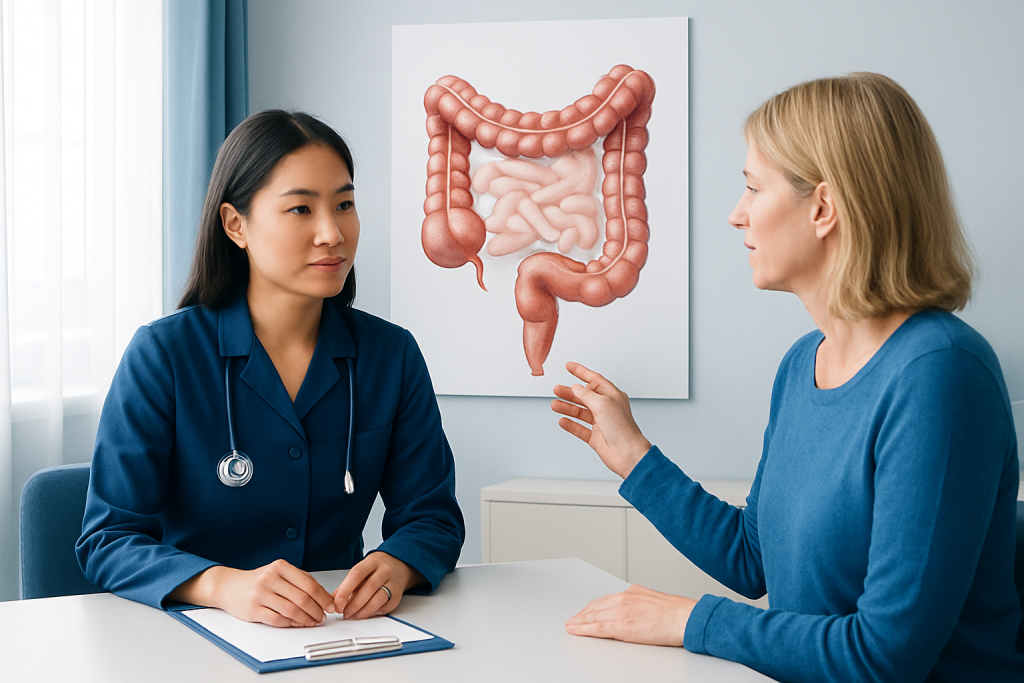
The large intestine, also called the colon, begins where the small intestine ends. It includes the cecum, colon, rectum, and anal canal. By the time material reaches the large intestine, most nutrients have already been absorbed. What remains is largely water, fiber, salts, bacteria, and waste products.
The large intestine absorbs water and electrolytes from this material. As water is removed, the contents become more solid and gradually form stool. The rectum stores stool until it is passed through a bowel movement. This process is an important part of maintaining fluid balance and clearing waste from the body.
The colon also contains a large number of beneficial bacteria, known as the gut microbiota. These organisms help ferment certain fibers, produce some vitamins, and support immune health. Problems affecting the large intestine may lead to symptoms such as constipation, diarrhea, bloating, bleeding, or abdominal discomfort. In some cases, doctors may evaluate the area with tests such as colonoscopy.
Small vs Large Intestine: Key Differences
The clearest difference between the small and large intestine is their function. The small intestine is mainly responsible for digesting food and absorbing nutrients. The large intestine is mainly responsible for absorbing water, processing leftover material, and forming stool. Both are essential, but they contribute to digestion in different ways.
They also differ in appearance and anatomy. The small intestine is much longer but has a narrower diameter. The large intestine is shorter but wider. The lining of the small intestine is highly folded for absorption, while the large intestine has a smoother inner surface designed more for water recovery and storage than nutrient uptake.
Symptoms can sometimes suggest which part is involved, although this is not always simple. Poor nutrient absorption may point toward a small intestine problem, while changes in bowel habits or visible blood in stool may be more linked to the large intestine. However, many digestive complaints overlap, so a proper medical evaluation is important.
- Small intestine: digestion, nutrient absorption, immune support
- Large intestine: water absorption, stool formation, storage and elimination
- Small intestine structure: longer, narrower, villi-lined
- Large intestine structure: shorter, wider, more focused on waste processing
Common Conditions That Affect the Intestines
Both the small and large intestine can be affected by a range of conditions. Infections may cause sudden diarrhea, cramps, or fever. Inflammatory diseases can lead to ongoing pain, weight loss, fatigue, and altered bowel habits. Structural problems such as narrowing, blockage, or diverticula may also develop in some people.
Some conditions affect one part more often than the other. Celiac disease mainly damages the small intestine and interferes with nutrient absorption. Ulcerative colitis primarily affects the large intestine and rectum. Crohn’s disease can involve any part of the digestive tract, including both small and large intestine. Conditions such as ulcerative colitis and irritable bowel symptoms can cause overlapping digestive complaints, which is why diagnosis is based on more than symptoms alone.
Doctors also watch for polyps and cancer in the large intestine, especially with increasing age or a family history. Screening can help find changes early, before symptoms appear. If there are warning signs such as unexplained bleeding or iron deficiency, a specialist may recommend tests and, when appropriate, treatments such as endoscopy or further colon evaluation.
How Doctors Evaluate Intestinal Problems
When someone has intestinal symptoms, a doctor usually starts with a medical history and physical examination. The conversation may include bowel habits, pain, bloating, appetite, food triggers, weight changes, medications, family history, and any blood in the stool. This information helps narrow down whether the small intestine, large intestine, or another digestive organ may be involved.
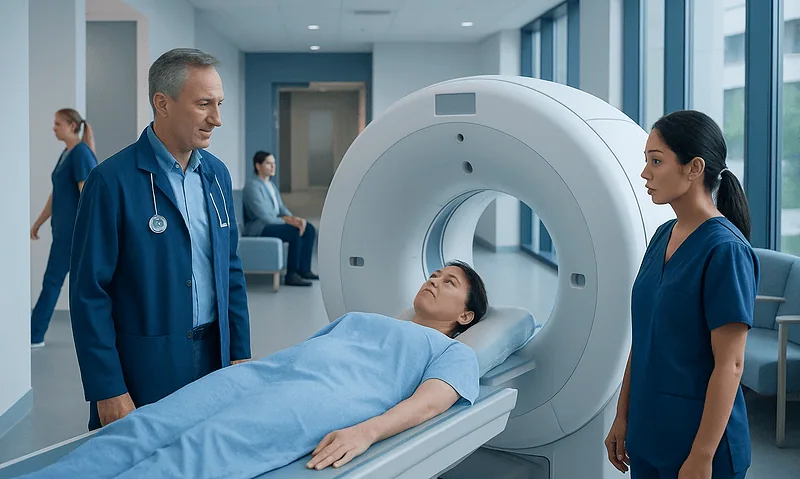
Basic tests may include blood work, stool studies, and imaging. Blood tests can look for anemia, infection, inflammation, or poor nutrient absorption. Stool tests may help identify infection, bleeding, or inflammation. Imaging studies such as ultrasound, CT, or MRI can show structural problems, though the best test depends on the symptom pattern and the part of the intestine being assessed.
Endoscopic procedures are often important. A colonoscopy examines the large intestine and can identify polyps, inflammation, bleeding, or cancer. An upper endoscopy may help evaluate the beginning of the small intestine, and other specialized tests may be used for deeper areas of the small bowel. If surgery is needed for selected intestinal conditions, a doctor may discuss options such as general surgery.
How to Support Intestinal Health
Everyday habits can help keep both the small and large intestine functioning well. A balanced diet with fruits, vegetables, whole grains, legumes, and other fiber-rich foods supports regular bowel movements and nourishes beneficial gut bacteria. Adequate protein, healthy fats, and varied micronutrients also help maintain the intestinal lining and overall digestive health.
Hydration is especially important for the large intestine because this part of the bowel regulates water balance in stool. Regular physical activity can support natural bowel movement patterns and overall metabolism. Limiting tobacco, moderating alcohol intake, and using medications only as advised may also protect intestinal health.
Screening and follow-up matter too. People with a family history of bowel disease, colorectal cancer, inflammatory bowel disease, or persistent unexplained symptoms may need closer medical attention. For international patients who need digestive evaluation, Acibadem International’s multidisciplinary specialists in JCI-accredited hospitals diagnose and treat intestinal conditions using a coordinated approach.
When to See a Doctor
Many digestive symptoms are short-lived and improve with rest, hydration, or simple diet changes. However, symptoms that persist or keep returning should not be ignored. Medical assessment is especially important when symptoms interfere with eating, sleeping, work, or quality of life.
Warning signs include unexplained weight loss, blood in the stool, black stools, persistent vomiting, severe abdominal pain, fever with digestive symptoms, ongoing diarrhea, long-lasting constipation, or signs of dehydration. These do not always mean a serious disease, but they do deserve timely professional evaluation.
Early assessment can help identify treatable causes before complications develop. A gastroenterologist or qualified doctor can decide whether symptoms relate to the small intestine, large intestine, stomach, pancreas, liver, or another system. Clear diagnosis is the first step toward the right treatment and peace of mind.
Frequently asked questions
What is the main difference between the small and large intestine?
The small intestine mainly digests food and absorbs nutrients such as vitamins, minerals, fats, proteins, and carbohydrates. The large intestine mainly absorbs water and electrolytes, then forms and stores stool before it leaves the body.
Why is the small intestine called “small” if it is longer?
The small intestine is called “small” because it is narrower in diameter, not because it is shorter. In fact, it is much longer than the large intestine, but the large intestine is wider.
Can intestinal problems affect nutrition?
Yes. Conditions involving the small intestine can reduce the body’s ability to absorb nutrients properly. This may lead to fatigue, weight loss, vitamin deficiencies, or other signs of malabsorption.
What symptoms suggest a problem in the large intestine?
Common symptoms can include constipation, diarrhea, blood in the stool, bloating, and changes in bowel habits. These symptoms are not specific to one disease, so medical evaluation may be needed if they persist.
How do doctors check the intestines?
Doctors may use blood tests, stool tests, imaging, and endoscopic procedures depending on the symptoms. Colonoscopy is commonly used to examine the large intestine, while other tests may help assess the small intestine.
Can diet help keep the intestines healthy?
A balanced diet with enough fiber, fluids, and varied nutrients can support healthy intestinal function. Individual needs differ, though, especially for people with bowel disease, food intolerance, or after certain treatments.
References
- World Health Organization
- National Institute of Diabetes and Digestive and Kidney Diseases
- American College of Gastroenterology
- National Health Service
- Mayo Clinic
This article is for general information only and is not a substitute for professional medical advice. Please consult a qualified doctor about your individual situation.
Persistent digestive symptoms? Get evaluated in Turkey
JCI-accredited · board-certified surgeons · reply within 24h
Add us as a Preferred Source to see more of our trusted health content across Google Search, AI Overviews and Discover.