

Irregular Periods: Causes, Diagnosis, and When Hormone Testing Helps

Irregular periods can include cycles that are too short, too long, unpredictable, unusually heavy, or missed altogether. Common causes include stress, weight changes, polycystic ovary syndrome, thyroid disorders, pregnancy, and perimenopause.
Key Takeaways
- Irregular periods can include cycles that are too short, too long, unpredictable, unusually heavy, or missed altogether.
- Common causes include stress, weight changes, polycystic ovary syndrome, thyroid disorders, pregnancy, and perimenopause.
- Hormone testing may help when symptoms suggest ovulation problems, thyroid disease, high prolactin, or other endocrine conditions.
- Treatment depends on the cause and may involve lifestyle measures, medication, or targeted care for an underlying condition.
- Medical review is important for very heavy bleeding, bleeding between periods, missed periods, severe pain, or possible pregnancy.
Irregular periods are common and can happen for many reasons, from stress and lifestyle changes to hormone-related conditions. Careful history, examination, and selected tests can help identify the cause and guide treatment when needed.
Overview
Irregular periods describe menstrual cycles that do not follow a person’s usual pattern or fall outside the range considered typical. A regular menstrual cycle does not have to be exactly 28 days. In many healthy adults, cycles can normally vary somewhat from month to month. What matters most is whether bleeding has become noticeably different in timing, flow, or duration.
Irregularity may mean periods come too often, too far apart, or unpredictably. It can also mean bleeding is unusually heavy, very light, prolonged, or occurs between periods. Some people miss periods entirely for several months, while others notice spotting between otherwise normal cycles.
Menstrual patterns can change at different life stages. During the first few years after periods begin, cycles may be less predictable because ovulation is still maturing. Irregularity can also become more common in the years leading up to menopause. Between those stages, ongoing or new changes may point to lifestyle factors, medications, pregnancy, or an underlying medical condition.
Although irregular periods are common, they should not be ignored when they are persistent, troublesome, or associated with other symptoms. The goal of assessment is to find out whether the change is a normal variation or a sign that the body’s hormone balance, reproductive system, or general health needs attention.
What Counts as an Irregular Period?
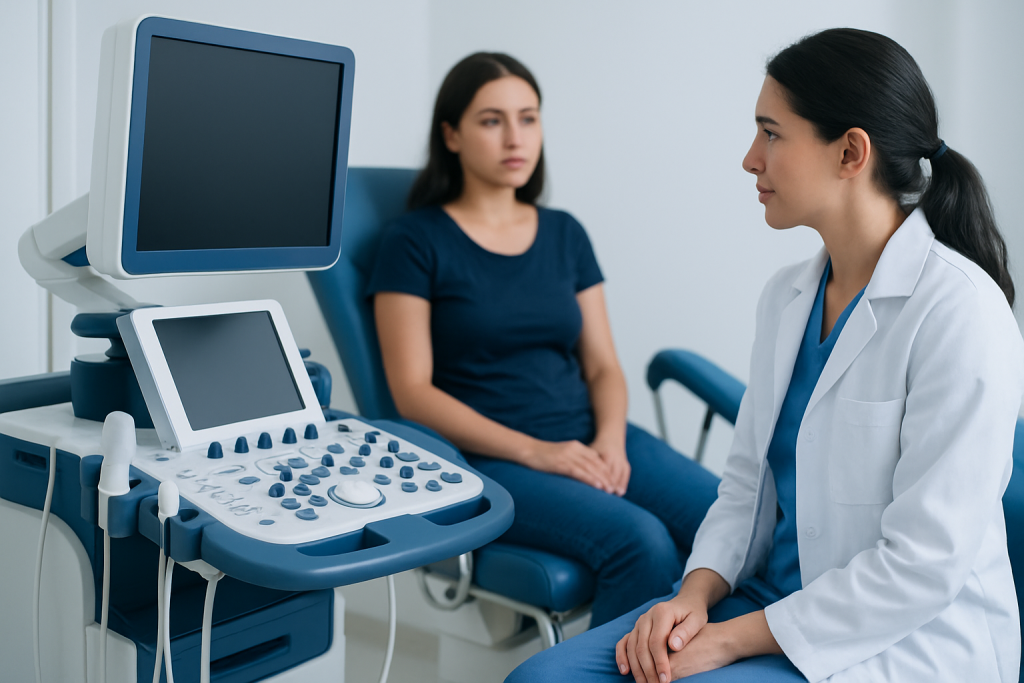
Doctors look at several features of the menstrual cycle when deciding whether it is irregular. These include the number of days between periods, how long bleeding lasts, how heavy it is, and whether bleeding happens unexpectedly. A cycle that suddenly changes from a person’s normal pattern can also be important, even if the numbers still seem close to average.
Examples of irregular periods include:
- Cycles that are consistently shorter than expected or much longer than usual
- Periods that are missed for months at a time
- Unpredictable bleeding with no clear monthly pattern
- Very heavy bleeding, such as soaking through pads or tampons quickly
- Bleeding that lasts much longer than usual
- Spotting or bleeding between periods or after sex
Other symptoms can help narrow down the cause. Acne, increased facial or body hair, scalp hair thinning, weight gain, or difficulty conceiving may suggest ovulation problems such as polycystic ovary syndrome. Fatigue, feeling unusually cold, constipation, or changes in heart rate may suggest a thyroid disorder. Breast discharge, headaches, or vision changes may point to hormone imbalance involving prolactin.
Keeping a period diary can be very useful. Recording the first and last day of bleeding, the heaviness of flow, pain, spotting, and related symptoms gives a clearer picture than memory alone. This information often helps the doctor decide whether testing is needed and which tests are most appropriate.
Common Causes and Risk Factors

Irregular periods can happen when ovulation does not occur regularly or when hormone signals between the brain, ovaries, thyroid, and uterus are disrupted. Everyday factors such as stress, travel, poor sleep, intense exercise, or significant weight loss or weight gain can affect the cycle. Some medications, including certain contraceptives or drugs that influence hormones, may also change bleeding patterns.
Pregnancy is an important cause of missed periods and should always be considered when there is a possibility of conception. Breastfeeding can also delay or suppress periods for a time. As people approach menopause, cycles may become more variable because ovarian function changes naturally; this stage is known as perimenopause.
Medical conditions can also play a role. Common examples include PCOS, thyroid disorders, elevated prolactin levels, diabetes, and disorders that affect the hypothalamus or pituitary gland. Structural problems in the uterus, such as fibroids or polyps, can cause heavy or irregular bleeding. In some cases, endometriosis or uterine fibroids may be part of the evaluation, especially when pain or heavy bleeding is prominent.
Risk factors depend on the cause, but may include a personal or family history of endocrine disorders, obesity, rapid weight change, high athletic training loads, chronic stress, and approaching menopause. Rarely, abnormal bleeding may be related to precancerous changes or cancer of the uterus or cervix, particularly in older adults or when bleeding occurs after menopause, so persistent changes deserve medical review.
How Doctors Diagnose Irregular Periods
Diagnosis begins with a detailed medical history. The doctor usually asks about cycle timing, heaviness of bleeding, pain, sexual activity, contraception, pregnancies, medications, stress, exercise, weight changes, and symptoms such as acne, hair growth, hot flushes, headaches, or nipple discharge. Age is also important because the likely causes differ in adolescence, reproductive years, and perimenopause.
A physical examination may include checking weight, blood pressure, signs of excess androgen hormones, thyroid enlargement, or breast discharge. A pelvic examination may be recommended depending on age, symptoms, and sexual history. This helps look for local causes of bleeding and guides the next steps in testing.
Basic tests often include a pregnancy test when relevant, since pregnancy can change or stop periods. Blood tests may assess anemia if bleeding is heavy. Depending on symptoms, the doctor may recommend laboratory tests to check thyroid function, prolactin, reproductive hormones, blood sugar, or other markers. These tests are selected based on the history rather than ordered routinely for everyone.
Imaging can help when structural problems are suspected. A pelvic ultrasound is commonly used to examine the uterus and ovaries and may help identify cysts, fibroids, polyps, or features suggestive of PCOS. In some cases, a person may be referred for ultrasound evaluation or further gynecologic assessment if symptoms are persistent, severe, or difficult to explain.
When Hormone Testing Helps
Hormone testing can be helpful when the pattern of irregular periods suggests a problem with ovulation or the endocrine system. It is often considered if periods are widely spaced, absent, or unpredictable; if there are symptoms of thyroid disease; or if signs such as acne, increased body hair, infertility, or milk discharge from the breasts are present. Hormone tests can also help evaluate early menopause or ovarian insufficiency in some situations.
The exact tests depend on the individual. Doctors may check thyroid-stimulating hormone, prolactin, and selected reproductive hormones such as follicle-stimulating hormone, luteinizing hormone, estradiol, or androgens. Timing matters for some hormones, so the clinician may recommend testing on a specific day of the cycle or after a period has been absent for a certain time. Results are interpreted together with symptoms and examination findings.
Hormone testing does not always provide a complete answer on its own. Some people with cycle changes have normal blood tests, especially if stress, travel, exercise, or recent weight change is the main driver. In others, the results support a diagnosis such as thyroid dysfunction or PCOS and help shape treatment decisions.
Testing is most useful when it is targeted. Rather than ordering every possible hormone, clinicians usually choose the tests that best fit the person’s symptoms, age, and cycle pattern. This approach avoids confusion and increases the chance of finding the true cause of the bleeding change.
Treatment Options
Treatment for irregular periods depends on the cause, the person’s age, whether pregnancy is desired, and how much symptoms affect daily life. If cycles have changed because of stress, overtraining, poor sleep, or major weight change, addressing those factors may help periods become more regular over time. Nutritional support and a balanced exercise routine can be important when energy intake is too low.
When an underlying condition is identified, treatment focuses on that problem. Thyroid disorders may improve once thyroid hormone levels are corrected. PCOS management may include weight management support, treatment to regulate bleeding, or fertility-focused care if pregnancy is desired. Structural causes such as fibroids or polyps may require gynecologic treatment, and severe bleeding may need medicines to reduce blood loss or correct anemia.
Hormonal treatments, including certain contraceptive methods, are often used to regulate cycles, reduce heavy bleeding, and protect the uterine lining when ovulation is infrequent. The best option depends on medical history and goals. For people trying to conceive, management may instead focus on restoring ovulation or treating the reason it is not happening, sometimes with specialist fertility treatment support when appropriate.
If symptoms are complex or involve multiple body systems, coordinated care can help. This may include a gynecologist, endocrinologist, nutrition specialist, or fertility expert. Near the end of the diagnostic journey, some patients seek care at centers such as Acibadem International, where multidisciplinary specialists in JCI-accredited hospitals evaluate and treat menstrual and hormone-related conditions for international patients.
Self-care, Prevention, and When to See a Doctor
Not every irregular period can be prevented, but healthy habits may support cycle stability. Managing stress, getting enough sleep, maintaining a balanced diet, and avoiding extreme weight loss or excessive exercise can help protect normal ovulation. Tracking periods with an app or calendar makes it easier to notice changes early and share accurate information with a doctor.
It is sensible to arrange medical review if periods suddenly become very different, are repeatedly missed, are consistently far apart, or are unusually heavy or prolonged. Medical advice is also important for bleeding between periods, bleeding after sex, severe pelvic pain, symptoms of anemia such as marked fatigue or dizziness, or signs that suggest hormone imbalance. Anyone who could be pregnant and has missed a period should consider prompt testing.
Urgent care may be needed if bleeding is extremely heavy, if there is fainting, severe weakness, significant shortness of breath, or severe one-sided pelvic pain. These symptoms do not always mean a dangerous problem, but they deserve timely assessment. A doctor may also recommend further evaluation if irregular bleeding happens after menopause.
With the right evaluation, many causes of irregular periods can be identified and managed effectively. Even when the cause is not serious, seeking advice can provide reassurance, reduce symptoms, and help protect long-term reproductive and general health.
Frequently asked questions
Are irregular periods always a sign of a hormone problem?
No. Irregular periods can happen because of stress, travel, exercise changes, recent weight change, or normal life stages such as adolescence and perimenopause. Hormone problems are one possible cause, but not the only one.
When should someone consider hormone testing for irregular periods?
Hormone testing is often considered when periods are absent, very far apart, or unpredictable for several months, or when symptoms suggest thyroid disease, PCOS, high prolactin, or early menopause. A doctor decides which tests are appropriate based on symptoms, age, and medical history.
Can stress really make periods irregular?
Yes. Physical or emotional stress can affect the brain signals that help control ovulation, which may delay or disrupt periods. For some people, cycles return to their usual pattern once stress improves.
Do irregular periods mean infertility?
Not necessarily. Some people with irregular periods still ovulate and can conceive, while others may have reduced fertility if ovulation is infrequent. If pregnancy is desired and cycles are irregular, medical advice can help assess ovulation and discuss treatment options.
What tests might be done besides hormone tests?
A pregnancy test is often one of the first steps when relevant. Doctors may also order blood tests for anemia, pelvic ultrasound, and sometimes other investigations depending on whether they suspect structural, endocrine, or reproductive causes.
Is it normal for periods to become irregular before menopause?
Yes. During perimenopause, hormone levels fluctuate and cycles may become shorter, longer, heavier, lighter, or less predictable. Even so, new or very heavy bleeding should still be discussed with a doctor to rule out other causes.
References
- American College of Obstetricians and Gynecologists
- National Institute for Health and Care Excellence
- Office on Women's Health
- World Health Organization
- Endocrine Society
This article is for general information only and is not a substitute for professional medical advice. Please consult a qualified doctor about your individual situation.
Explore treatments in Turkey — costs, top hospitals & a free quote
JCI-accredited · board-certified surgeons · reply within 24h
Add us as a Preferred Source to see more of our trusted health content across Google Search, AI Overviews and Discover.
Check your numbers in seconds
BMI, calories, due date, blood pressure and 30+ more clinical calculators — free, instant, doctor-reviewed ranges.

More from the Health Library



Related Specialists

Dr. Oya Uğurlubilek
Inpatient Clinic Physicians Clinical Service
Dr. Fatih Kaya
General Surgery
Prof. Dr. Çiğdem Ünal Gülmeden
Aesthetic Plastic & Reconstructive Surgery
Dr. Mehmet Gürcan
Orthopedic Surgery & Traumatology