Irritable Bowel Symptoms in Females: Common Causes, Related Conditions, and When to See a Doctor

Irritable bowel syndrome (IBS) is a disorder of gut-brain interaction that can cause recurring abdominal pain and altered bowel habits. Females are diagnosed with IBS more often than males, and hormonal changes may influence symptom patterns.
Key Takeaways
- Irritable bowel syndrome (IBS) is a disorder of gut-brain interaction that can cause recurring abdominal pain and altered bowel habits.
- Females are diagnosed with IBS more often than males, and hormonal changes may influence symptom patterns.
- Symptoms that worsen around periods can occur with IBS, but endometriosis and other pelvic conditions can cause similar symptoms.
- IBS is diagnosed from symptom patterns and medical history; tests are mainly used to rule out other causes when needed.
- Blood in the stool, unexplained weight loss, fever, anemia, or new symptoms later in life require prompt medical evaluation.
Irritable bowel symptoms in females often include recurrent abdominal pain with bloating, diarrhea, constipation, or both. Symptoms may fluctuate across the menstrual cycle and overlap with gynecologic, urinary, or digestive conditions, so a medical assessment can help clarify the cause and guide care.
Overview: What irritable bowel symptoms can mean in females
Irritable bowel symptoms in females most often refer to a pattern of recurrent abdominal pain or cramping together with a change in bowel habits. This may mean diarrhea, constipation, or alternating between the two. Bloating, gas, a sense of incomplete bowel emptying, and mucus in the stool can also occur. Although these symptoms can be disruptive, they do not automatically mean there is damage to the bowel.
Irritable bowel syndrome, usually called IBS, is a common disorder of gut-brain interaction. In IBS, the digestive tract can be more sensitive to normal stretching, gas, food movement, and signals from the nervous system. Symptoms are real and can significantly affect daily life, but IBS is different from inflammatory bowel disease, infection, or cancer. A clinician should assess new, persistent, or concerning symptoms to make sure another condition is not responsible.
Females are diagnosed with IBS more often than males. The reasons are likely multifactorial and may include hormonal influences, differences in pain processing, the effect of stress on the gut, and the presence of conditions with overlapping pelvic or digestive symptoms. A careful, person-centered assessment is particularly useful when symptoms appear to track with menstruation, pregnancy, or menopause.
Common symptom patterns
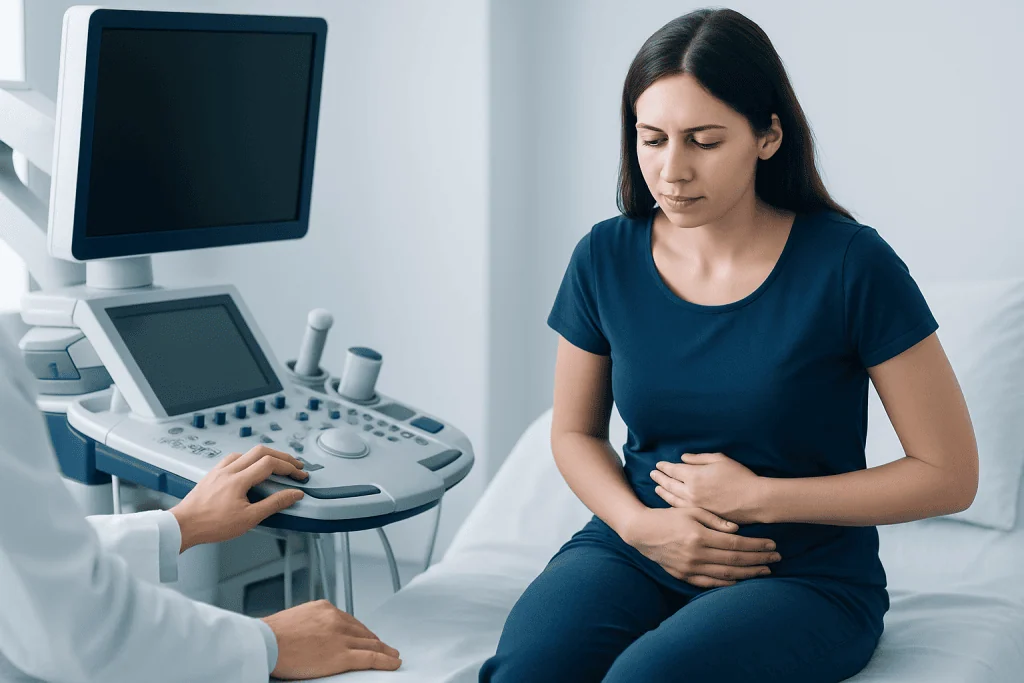
IBS symptoms vary from person to person and can change over time. Pain is often felt in the lower abdomen, but it may occur elsewhere and may improve or change after a bowel movement. Some people have diarrhea-predominant IBS (IBS-D), while others have constipation-predominant IBS (IBS-C). Mixed IBS (IBS-M) involves periods of both loose stools and constipation.
Bloating is especially common and may feel like pressure, fullness, or visible abdominal distension by the end of the day. People may also notice urgency to pass stool, frequent trips to the bathroom, straining, hard stools, or the feeling that the bowel has not fully emptied. Fatigue, nausea, pelvic discomfort, and back pain may accompany symptoms, although these are not specific to IBS.
Symptoms can flare after meals, during emotionally demanding periods, after poor sleep, or around menstruation. However, there is no single IBS symptom pattern that applies to every female. Keeping a simple record of pain, stool changes, menstrual timing, food intake, sleep, and stress can help identify patterns without unnecessarily restricting foods or assuming that one trigger explains everything.
- Diarrhea may involve loose or watery stools, urgency, and cramping.
- Constipation may involve infrequent stools, hard stools, straining, and incomplete evacuation.
- Mixed bowel habits can alternate over days or weeks.
- Bloating can occur with any IBS subtype and does not necessarily indicate food intolerance.
Why symptoms may be different across the menstrual cycle
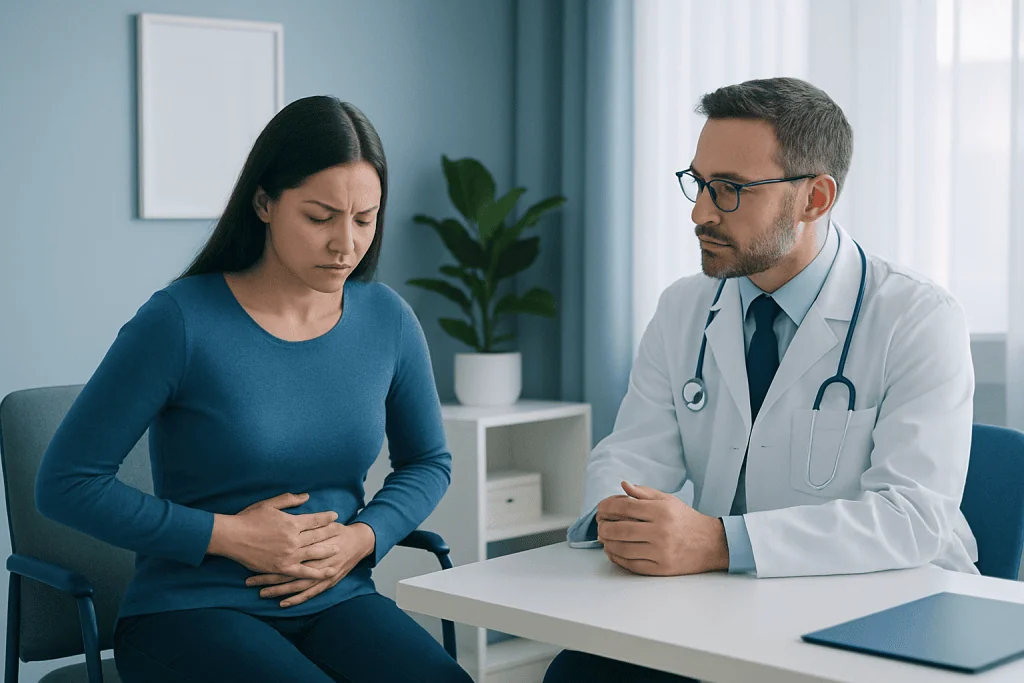
Estrogen and progesterone can influence bowel movement, fluid balance, pain sensitivity, and communication between the brain and digestive tract. As a result, some females with IBS notice more constipation during phases when progesterone is higher, while others experience looser stools, cramping, or bloating shortly before or during a period. Prostaglandins released during menstruation can also increase bowel activity and contribute to diarrhea or cramps.
Symptoms that change with the menstrual cycle can still be consistent with IBS, particularly when abdominal pain is linked with stool changes. However, pelvic pain that is severe, progressively worsening, mainly occurs around periods, occurs during sex, or is associated with infertility should also raise consideration of a gynecologic cause. Endometriosis, for example, may cause bowel-related pain, constipation, diarrhea, bloating, or pain with bowel movements, particularly during menstruation.
Pregnancy and the postpartum period may change bowel habits because of hormonal shifts, reduced activity, supplements such as iron, dietary changes, and pressure on the intestines. During perimenopause and menopause, changes in hormones, sleep, mood, and metabolism may also affect digestive symptoms. New or persistent symptoms at any life stage deserve discussion with a qualified clinician rather than being attributed to hormones alone.
Causes, triggers, and related conditions
IBS does not have one proven cause. It is thought to arise from an interaction between the gut, nervous system, immune system, intestinal microbes, and life experiences. Some people develop symptoms after an intestinal infection, while others have a long-standing tendency toward constipation, sensitive digestion, or pain amplification. Stress does not cause IBS in every case, but stress and anxiety can affect gut function and make symptoms more noticeable or frequent.
Common triggers include large meals, high-fat foods, alcohol, caffeine, carbonated drinks, and certain carbohydrates that are poorly absorbed in the small bowel. These carbohydrates are often grouped as FODMAPs and are found in a wide range of foods, including some fruits, dairy products, wheat-based foods, legumes, and sweeteners. A food trigger is individual; eliminating many foods without guidance can lead to unnecessary restriction and may not improve symptoms.
Several conditions can resemble or coexist with IBS. These include celiac disease, lactose intolerance, inflammatory bowel disease, thyroid disorders, pelvic floor dysfunction, and medication-related bowel changes. Gynecologic conditions such as endometriosis, ovarian cysts, and uterine fibroids may cause pelvic pressure or pain that can be mistaken for bowel symptoms. Bladder pain syndrome and urinary tract problems can also overlap with pelvic discomfort.
Because symptoms overlap, the goal is not to self-diagnose IBS based on bloating alone. A clinician can consider the full pattern, including menstrual history, family history, medications, diet, and warning signs, to determine whether IBS is likely or whether further evaluation is appropriate.
How IBS is assessed and diagnosed
There is no single blood test, scan, or procedure that confirms IBS. Clinicians usually diagnose it from a characteristic symptom pattern: recurrent abdominal pain associated with bowel movements and changes in stool frequency or appearance. They will ask when symptoms began, whether pain is related to passing stool, what the stools look like, and whether symptoms occur overnight or follow a menstrual pattern.
A physical examination and selected tests may be recommended to exclude other causes. Depending on a person’s age, symptoms, and family history, these may include blood tests for anemia or inflammation, screening for celiac disease, stool tests, or further bowel investigation. Pelvic examination, gynecologic assessment, or imaging may be appropriate when pelvic symptoms suggest a condition outside the bowel.
Tests are not always needed for typical symptoms in a younger person without warning signs. Avoiding unnecessary tests can be part of good care, but this should be balanced with a thorough review of symptoms. It is helpful to tell the clinician about all medicines and supplements, including laxatives, antacids, iron, magnesium products, hormonal contraception, and pain medicines, as these can affect bowel habits.
Treatment options and practical self-care
IBS care is tailored to the main symptoms and their effect on quality of life. Many people benefit from regular meals, adequate fluid intake, gradual physical activity, and consistent sleep. For constipation, increasing soluble fiber slowly may help; examples include oats, psyllium, and certain fruits. Increasing fiber too quickly can worsen gas or bloating, so changes should be gradual and accompanied by fluids.
A clinician or dietitian may suggest a time-limited, structured dietary approach, such as reducing selected high-FODMAP foods and then reintroducing foods to identify personal triggers. This is not intended as a permanent highly restrictive diet. For diarrhea, limiting individual triggers such as excess caffeine, alcohol, fatty foods, or sugar alcohol sweeteners may be useful. Regular eating rather than skipping meals may also reduce symptoms for some people.
Medicines may be considered for constipation, diarrhea, abdominal cramping, or pain when lifestyle measures are not enough. The best option depends on the IBS subtype, other health conditions, pregnancy status, and current medications. Gut-directed psychological therapies, including cognitive behavioral therapy or hypnotherapy, can also help some people by improving the gut-brain response; this does not mean symptoms are imagined or “all in the mind.”
Acibadem International’s multidisciplinary specialists and JCI-accredited hospitals can assess persistent digestive and pelvic symptoms and coordinate gastroenterology and gynecology care for international patients. Any treatment plan should be developed with a qualified healthcare professional, particularly for symptoms during pregnancy, breastfeeding, or when there is a history of pelvic disease.
When to seek medical care
Medical care is appropriate when bowel symptoms are new, persistent, recurrent, or affecting work, sleep, nutrition, or emotional well-being. A routine appointment can help establish whether IBS is likely and address symptoms safely. It is particularly important to seek assessment when symptoms are strongly linked to periods, include significant pelvic pain, or have changed after pregnancy or around menopause.
Prompt medical assessment is needed for blood in the stool or black stools, unexplained weight loss, fever, persistent vomiting, anemia, a new abdominal mass, severe or worsening pain, or diarrhea that wakes a person from sleep. A family history of colorectal cancer, inflammatory bowel disease, or celiac disease may also change the testing needed. These features do not necessarily indicate a serious condition, but they should not be assumed to be IBS.
Emergency care may be needed for severe abdominal pain with a rigid or markedly swollen abdomen, fainting, inability to keep fluids down, signs of dehydration, or heavy rectal bleeding. For less urgent symptoms, bringing a symptom diary and a list of foods, medicines, menstrual dates, and family medical history can make a consultation more productive.
Frequently asked questions
Are irritable bowel symptoms more common in females?
IBS is diagnosed more often in females than in males. Hormonal factors, differences in pain sensitivity, healthcare-seeking patterns, and overlap with pelvic conditions may all contribute. However, IBS can affect people of any sex or gender.
Can IBS symptoms get worse before or during a period?
Yes. Hormonal changes and menstrual prostaglandins can affect bowel movement and pain sensitivity, leading to more bloating, cramps, diarrhea, or constipation around a period. Symptoms that are severe, progressively worsening, or mainly cyclical should also be discussed with a gynecologist.
How can someone tell the difference between IBS and endometriosis?
The conditions can overlap, and it is not always possible to distinguish them based on symptoms alone. IBS pain is commonly associated with bowel movements and changes in stool habits, while endometriosis may cause marked menstrual or pelvic pain, pain during sex, and pain with bowel movements around periods. A clinician may need to assess both digestive and gynecologic possibilities.
Does bloating always mean IBS?
No. Bloating is common in IBS but can also occur with constipation, food intolerance, celiac disease, hormonal changes, and gynecologic conditions. Persistent bloating, especially when it is new or accompanied by weight loss, pain, or early fullness, should be medically reviewed.
What foods should females with IBS avoid?
There is no universal IBS diet, and avoiding many foods without guidance is not recommended. Some people benefit from identifying personal triggers, such as excess caffeine, fatty foods, certain dairy products, or high-FODMAP foods. A dietitian can help create a nutritionally adequate, individualized plan.
Can IBS be cured?
IBS is often a long-term condition, but symptoms can improve substantially with an individualized combination of diet, lifestyle measures, stress management, and medication when needed. Symptoms may also come and go over time. Regular follow-up can help adjust care if the symptom pattern changes.
References
- National Institute of Diabetes and Digestive and Kidney Diseases
- American College of Gastroenterology
- National Institute for Health and Care Excellence
- International Foundation for Gastrointestinal Disorders
- American College of Obstetricians and Gynecologists
This article is for general information only and is not a substitute for professional medical advice. Please consult a qualified doctor about your individual situation.
Persistent digestive symptoms? Get evaluated in Turkey
JCI-accredited · board-certified surgeons · reply within 24h
Add us as a Preferred Source to see more of our trusted health content across Google Search, AI Overviews and Discover.