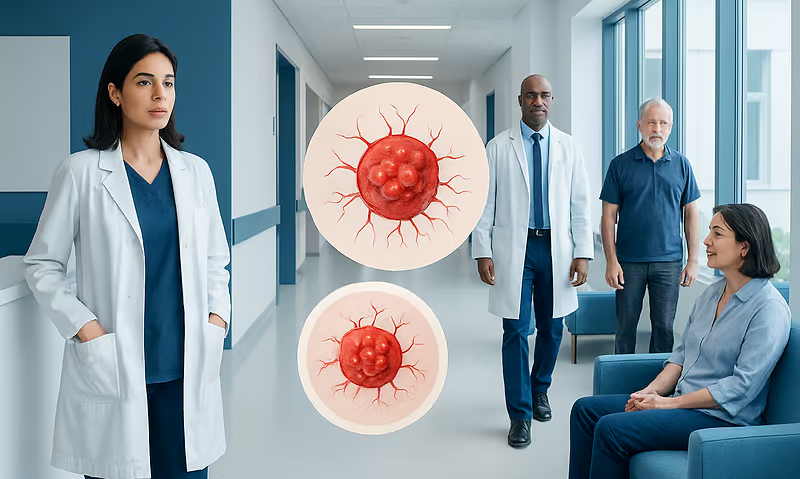
Is Cancer Contagious?
Cancer itself does not usually pass from one person to another. Everyday contact such as hugging, kissing, sharing meals, or living together does not spread cancer.
Key Takeaways
- Cancer itself does not usually pass from one person to another.
- Everyday contact such as hugging, kissing, sharing meals, or living together does not spread cancer.
- Some viruses, bacteria, and parasites can increase cancer risk, but that does not mean cancer is contagious.
- Very rare exceptions include transmission through organ transplantation, from mother to baby, or in specific laboratory settings.
- Prevention focuses on reducing infection-related risks, avoiding tobacco, limiting alcohol, and attending recommended screenings.
Cancer is not contagious in the way colds, flu, or COVID-19 are contagious. A person cannot usually “catch” cancer from touching, living with, or caring for someone who has it, although certain infections can increase the risk of developing some cancers later on.
Overview: Is Cancer Contagious?
The short answer to the question, is cancer contagious, is no. Cancer does not behave like an infectious illness such as influenza, tuberculosis, or the common cold. In almost all everyday situations, a person cannot catch cancer by being near someone with cancer, touching them, sharing food, or caring for them.
Cancer begins when a person’s own cells develop genetic changes that allow them to grow and divide in an uncontrolled way. Because these abnormal cells come from within the body, they are not usually able to move from one person to another and start growing there. The immune system of another person would normally recognize foreign cells and destroy them.
This is an important message for patients, families, and caregivers. People with cancer need closeness, practical help, and emotional support. There is no reason to avoid normal affection or social contact because of fear that cancer could spread from one person to another.
Why Cancer Does Not Spread Like an Infection
Infectious diseases are caused by germs such as viruses, bacteria, fungi, or parasites. These organisms can move between people through the air, bodily fluids, contaminated food, insect bites, or direct contact. Cancer is different. It is not a germ, and it does not reproduce outside the body in a way that allows routine person-to-person spread.
For cancer to grow, abnormal cells must survive in a new host, escape immune defenses, and adapt to a new environment. In healthy day-to-day interactions, this does not happen. Even if cancer cells were to leave one person’s body, they generally cannot establish themselves in another person’s body.
This is why activities such as hugging, shaking hands, sharing a bathroom, swimming in the same pool, or being intimate with someone who has cancer do not transmit the disease itself. Friends and family can safely provide support, comfort, and companionship.
Common Myths About Cancer and Contact
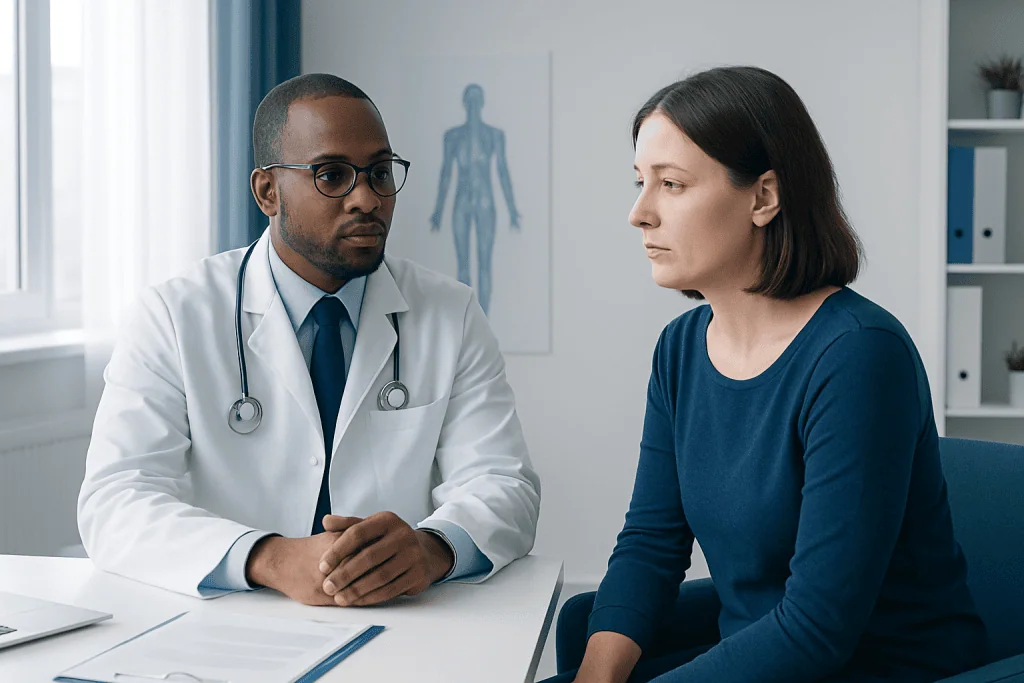
Many people worry that close contact might be dangerous, especially after a cancer diagnosis in the family. These concerns are understandable, but they are based on myths rather than medical evidence. Cancer does not spread through casual physical contact, coughing, sneezing, sharing dishes, or sitting next to someone.
It is also a myth that blood donation, routine caregiving, or touching a tumor can spread cancer. Healthcare teams use special precautions mainly to protect patients from infection, especially if their immune system is weakened by illness or treatment. These precautions are not because cancer itself is contagious.
There can be temporary concerns related to treatment rather than the cancer. For example, some chemotherapy drugs, radiation precautions, or postoperative wound care may require specific instructions. These situations are about treatment safety and hygiene, not about cancer spreading from one person to another.
- Hugging and kissing do not spread cancer.
- Sharing food or utensils does not spread cancer.
- Living in the same home does not spread cancer.
- Caring for a loved one with cancer does not put someone at risk of “catching” cancer.
Infections That Can Increase Cancer Risk
Although cancer itself is not contagious, some infections can increase the risk of developing certain cancers. This can be confusing, because it may sound as if cancer is being transmitted. In reality, what spreads is the infection, and over many years that infection may contribute to changes in cells that raise cancer risk.
Examples include human papillomavirus (HPV), which is linked to cervical cancer and some head and neck, anal, penile, vulvar, and vaginal cancers; hepatitis B and hepatitis C, which can increase the risk of liver cancer; and Helicobacter pylori, a bacterium associated with some stomach cancers. In some parts of the world, Epstein-Barr virus, human T-cell leukemia virus type 1, HIV, and certain parasites are also linked to higher cancer risk.
Most people with these infections do not develop cancer. Risk depends on many factors, including how long the infection lasts, whether it is treated, immune system health, smoking, alcohol use, genetics, and other environmental exposures. Preventing or treating these infections can reduce future cancer risk, which is one reason vaccination, screening, and medical follow-up matter.
Rare Exceptions and Special Situations
There are a few very uncommon situations in which cancer cells may be transmitted. One example is organ transplantation. If a donor has an undetected cancer, cancer cells could rarely be transferred to the recipient, especially because transplant recipients take medicines that suppress the immune system. Donor screening is designed to make this risk extremely low.
Another rare situation is transmission from mother to baby during pregnancy or birth. This is exceptionally uncommon. A few isolated cases have also been reported after accidental exposure in laboratory or surgical settings involving direct implantation of cancer cells into damaged tissue.
These rare events do not change the general rule that cancer is not contagious in everyday life. People should not interpret these exceptions as a reason to avoid normal contact with someone who has cancer.
How Doctors Understand Cancer Risk
When someone asks, can cancer spread from person to person, doctors usually explain the difference between transmission and risk. Transmission means a disease passes directly from one individual to another. Risk refers to factors that make a disease more likely to develop. Cancer is mainly about risk, not person-to-person transmission.
Known cancer risk factors include smoking, ultraviolet radiation, excess alcohol use, obesity, chronic inflammation, certain infections, environmental exposures, age, family history, and inherited gene changes. Some cancers also develop without any clear cause. That does not mean a person did something wrong; it means cancer is a complex disease with many pathways.
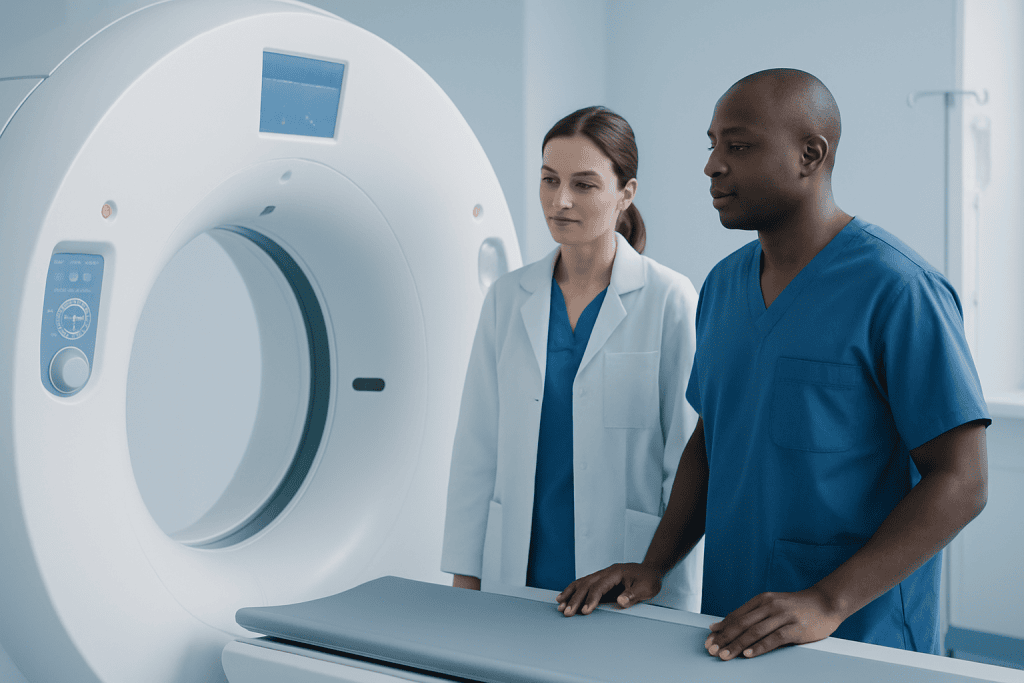
If there is concern about cancer symptoms, doctors may evaluate with physical examination, imaging, blood tests, endoscopy, or biopsy, depending on the situation. A biopsy is often needed to confirm a diagnosis. Related evaluations may include PET-CT imaging or a biopsy when clinically appropriate.
Understanding risk can also help patients learn about specific diseases. For example, some people want to know more about cervical cancer because of its link to HPV, or liver cancer because of hepatitis-related risk. These are examples of cancers associated with infections, but they are still not considered contagious cancers.
Prevention and Self-Care
Because cancer is not usually contagious, prevention does not involve avoiding people with cancer. Instead, prevention focuses on reducing modifiable risks and detecting disease early. Practical steps include not smoking, limiting alcohol, maintaining a healthy weight, staying physically active, protecting skin from excessive sun exposure, and following recommended screening programs.
Vaccination can play an important role. HPV vaccination helps prevent infections that can lead to several cancers, and hepatitis B vaccination reduces the risk of chronic hepatitis B infection and related liver cancer. Safe sex practices, prompt treatment of infections, and regular medical care also support long-term cancer prevention.
People with family histories of cancer may benefit from individualized advice. In some cases, doctors may suggest genetic counseling or screening at an earlier age. For patients who need treatment, care may include surgery, systemic therapies, or radiotherapy, depending on the cancer type and stage.
Near the end of the care journey, coordinated support can be especially valuable. Acibadem International’s multidisciplinary specialists and JCI-accredited hospitals diagnose and treat cancer for international patients, with treatment plans tailored to the individual’s needs.
When to See a Doctor
A person should see a doctor if they notice symptoms that persist, worsen, or are difficult to explain. Warning signs can include an unusual lump, unexplained weight loss, ongoing fatigue, abnormal bleeding, a changing mole, persistent cough, changes in bowel habits, difficulty swallowing, or pain that does not improve. These symptoms do not always mean cancer, but they deserve proper evaluation.
Medical advice is also important for people who may have been exposed to infections linked to cancer, such as HPV, hepatitis B, hepatitis C, or Helicobacter pylori. Early treatment, vaccination, and monitoring can lower long-term risk and provide reassurance. Anyone with a strong family history of cancer should discuss screening and prevention with a qualified doctor.
For someone living with or caring for a person with cancer, emotional strain is common. If fear of contagion is causing stress or distancing, it can help to talk with a healthcare professional. Clear information often reassures families that normal contact is safe and support should continue.
Frequently asked questions
Can someone catch cancer from another person?
No. In normal daily life, cancer does not pass from one person to another. People cannot catch cancer through touch, shared meals, coughing, or being close to someone with the disease.
Is it safe to live with or care for someone who has cancer?
Yes. Living with, hugging, and caring for a person with cancer is safe because cancer itself is not contagious. Any special precautions are usually related to treatments or infection prevention, not to cancer spreading.
If cancer is not contagious, why are some infections linked to cancer?
Certain infections can increase the chance of developing cancer over time by causing long-term inflammation or changes in cells. What spreads between people is the infection, not the cancer itself. Most people with these infections still do not develop cancer.
Can kissing or sexual contact spread cancer?
Cancer itself does not spread through kissing or sexual contact. However, some infections that are transmitted sexually, such as HPV, can increase the future risk of certain cancers. Prevention may include vaccination, screening, and safer sex practices.
Are there any situations where cancer can be transmitted?
Rarely, cancer cells can be transferred in unusual circumstances such as organ transplantation from a donor with undetected cancer, or very rare mother-to-baby transmission. These are exceptional cases and do not happen through routine social contact.
Should people avoid a loved one with cancer to protect themselves?
No. Avoiding a loved one because of fear of contagion is unnecessary and may increase emotional distress. Support, affection, and everyday contact are important and safe.
References
- World Health Organization
- American Cancer Society
- National Cancer Institute
- Centers for Disease Control and Prevention
- International Agency for Research on Cancer
This article is for general information only and is not a substitute for professional medical advice. Please consult a qualified doctor about your individual situation.
Oncology care in Turkey — second opinion and treatment plan
JCI-accredited · board-certified surgeons · reply within 24h
Add us as a Preferred Source to see more of our trusted health content across Google Search, AI Overviews and Discover.