Is Foul-Smelling Poop a Sign of Cancer?

Foul-smelling poop alone is not a typical or reliable sign of cancer. Common causes include foods, infections, malabsorption, antibiotics, and digestive disorders.
Key Takeaways
- Foul-smelling poop alone is not a typical or reliable sign of cancer.
- Common causes include foods, infections, malabsorption, antibiotics, and digestive disorders.
- Cancer is more concerning when stool odor happens together with blood, unexplained weight loss, anemia, or ongoing bowel changes.
- Medical evaluation may include history, stool tests, blood tests, imaging, or colonoscopy depending on symptoms.
- Persistent or worsening symptoms should be discussed with a qualified healthcare professional.
Foul-smelling poop is usually caused by diet, infection, medications, or digestive conditions rather than cancer. Still, if it happens with bleeding, weight loss, persistent bowel changes, or abdominal pain, it should be assessed by a doctor.
Overview: Can foul-smelling poop mean cancer?
Many people notice occasional changes in stool odor. In most cases, foul-smelling poop is not a sign of cancer. Stool smell can vary from day to day depending on foods eaten, hydration, gut bacteria, medications, and how well the body digests and absorbs nutrients.
Cancer can sometimes affect bowel habits, but odor by itself is a nonspecific symptom. Doctors usually look more closely at the full picture, including whether there is blood in the stool, persistent diarrhea or constipation, abdominal pain, fatigue, anemia, appetite loss, or unexplained weight loss. These features are generally more useful than smell alone when assessing cancer risk.
When cancer is involved, it is more often because a tumor changes digestion, causes bleeding, or affects the normal movement of stool through the bowel. This is one reason bowel cancers may sometimes be discussed when people ask about unusual stool changes. However, far more common explanations include infection, food intolerance, inflammatory bowel disease, pancreatic problems, or the temporary effects of antibiotics.
What stool odor is normal, and what changes matter?
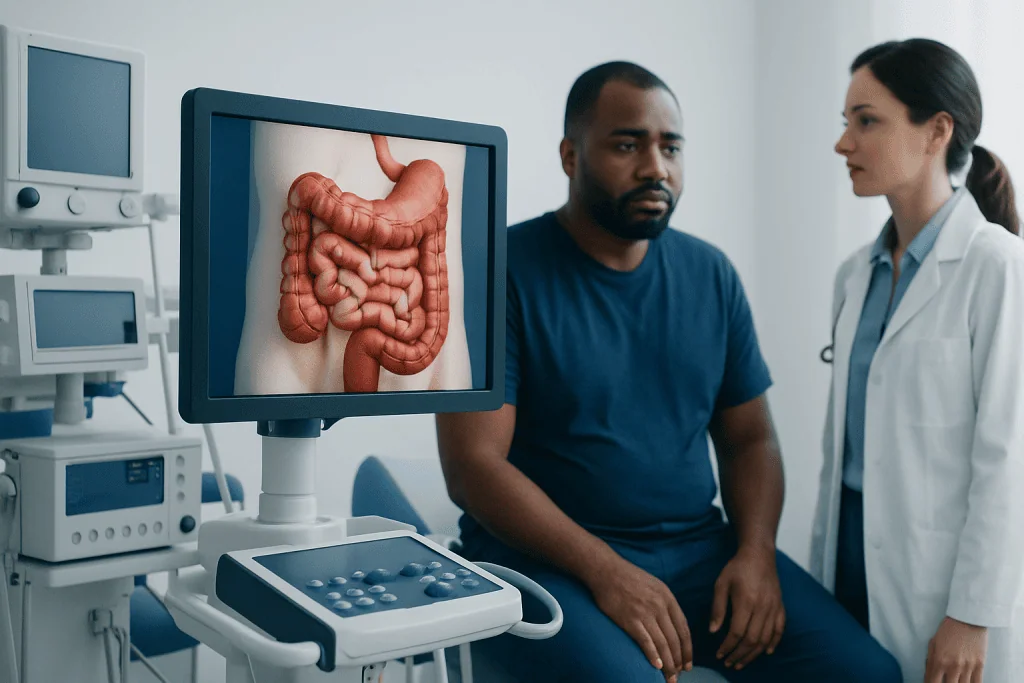
Stool naturally has an unpleasant smell because bacteria in the intestines break down food during digestion. What is normal can differ from person to person. A stronger odor after eating certain foods, such as eggs, meat, garlic, onions, some spices, or high-fat meals, is often not a sign of disease.
Doctors are usually more interested in patterns than a single episode. A sudden short-lived change may point to a food-related issue or a stomach infection. A persistent change over several weeks, especially when combined with other bowel symptoms, deserves more attention.
Changes that matter include stool that becomes very greasy, bulky, pale, difficult to flush, black and tarry, or mixed with visible blood. These may suggest bleeding, poor fat absorption, liver or bile duct problems, or other gastrointestinal conditions. If odor changes are accompanied by these stool changes, medical review is important.
- Occasional strong odor after certain meals is common.
- Persistent foul odor may reflect infection, malabsorption, or digestive disease.
- Black, bloody, greasy, or pale stool should not be ignored.
Common causes of foul-smelling poop

The most common causes are not cancer. Diet is a frequent factor, especially foods rich in sulfur, fat, or artificial sweeteners. Temporary infections, including viral gastroenteritis or some bacterial and parasitic infections, can also cause very strong-smelling stool, often along with diarrhea, cramping, nausea, or fever.
Another major cause is malabsorption, meaning the body is not properly absorbing nutrients. This can happen with celiac disease, pancreatic insufficiency, lactose intolerance, or other digestive disorders. When fat is poorly absorbed, stool can become especially foul-smelling, bulky, oily, or difficult to flush.
Medicines can contribute as well. Antibiotics may change the balance of bacteria in the gut and alter stool smell. Some supplements and medical treatments can do the same. Digestive conditions such as inflammatory bowel disease, including Crohn’s disease, may also lead to persistent changes in stool, sometimes with urgency, abdominal pain, fatigue, or weight loss.
Less commonly, blockages, fistulas, or tumors in the digestive tract can contribute to unusual stool odor by changing bowel function or causing tissue breakdown and bleeding. Even then, odor is rarely the only symptom present.
When cancer may be part of the picture
Foul-smelling poop alone is not considered a classic warning sign of colorectal or other gastrointestinal cancers. Still, cancers of the colon, rectum, stomach, pancreas, or small bowel can sometimes cause changes in stool characteristics. This may happen if a tumor bleeds, narrows the bowel, disrupts digestion, or leads to infection or tissue changes.
Colorectal cancer is usually more strongly linked with signs such as blood in the stool, a change in bowel habits that lasts more than a few weeks, a feeling that the bowel does not empty fully, unexplained iron-deficiency anemia, tiredness, abdominal discomfort, and unintentional weight loss. People worried about persistent bowel changes may need assessment for colon cancer or other bowel conditions, depending on their age, family history, and overall symptoms.
Pancreatic or stomach cancers may occasionally contribute to especially offensive stool if they interfere with digestion and fat absorption, but these cancers usually cause other symptoms too, such as upper abdominal pain, reduced appetite, nausea, jaundice, or progressive weight loss. Doctors evaluate odor as one clue among many, not as a standalone sign.
Symptoms that should prompt medical attention
It is sensible to arrange a medical review if foul-smelling poop lasts for more than a short period or keeps returning without a clear cause. While many explanations are harmless or treatable, persistent symptoms should not be guessed at from smell alone.
Certain warning signs are especially important because they can point to bleeding, inflammation, significant infection, or cancer. These symptoms do not automatically mean cancer, but they do mean proper evaluation is needed.
- Blood in the stool or black, tarry stool
- Unexplained weight loss
- Ongoing diarrhea, constipation, or narrower stools
- Persistent abdominal pain, bloating, or cramping
- Fever or signs of dehydration
- Fatigue, weakness, or diagnosed anemia
- Vomiting, poor appetite, or trouble eating
- A strong family history of bowel cancer or polyps
People over screening age, or younger people with strong risk factors, should also keep up with recommended colorectal screening even if symptoms seem mild. Screening can detect problems before they cause obvious signs.
How doctors investigate the cause
Assessment starts with a medical history and physical examination. A doctor will ask how long the odor change has been present, whether there is diarrhea, blood, pain, fever, weight loss, travel history, medication use, and whether certain foods trigger the problem. Family history of colorectal cancer, polyps, celiac disease, or inflammatory bowel disease can also be relevant.
Tests depend on the suspected cause. Stool tests may look for infection, hidden blood, inflammation, or signs of malabsorption. Blood tests can check for anemia, infection, inflammation, liver function, nutritional deficiencies, or celiac-related markers. If the symptoms suggest structural bowel disease, imaging or endoscopy may be recommended.
A colonoscopy is often used when there is concern about colorectal cancer, polyps, unexplained bleeding, or persistent bowel changes. In some cases, doctors may also use abdominal imaging such as MRI scanning or other scans to assess nearby organs. If symptoms suggest a tumor or another mass, biopsy results are needed for a definite diagnosis.
The main goal is to identify the real cause rather than focusing only on stool odor. Many people are relieved to find that the explanation is treatable and not related to cancer.
Treatment and self-care
Treatment depends entirely on the cause. If a food intolerance, medication effect, or mild infection is responsible, the approach may involve dietary changes, hydration, probiotics in some cases, or treatment of the infection. If malabsorption is the issue, care focuses on the underlying condition, such as celiac disease, pancreatic insufficiency, or another digestive disorder.
If testing points to inflammatory bowel disease, infection, or another gastrointestinal problem, a gastroenterologist can advise tailored treatment. When doctors suspect cancer, the next steps may include additional imaging, biopsy, and planning with specialists. In colorectal disease, this can include colorectal cancer treatment where appropriate after diagnosis.
Helpful self-care measures include keeping a symptom diary, noting foods that seem to worsen stool odor, staying hydrated, and avoiding self-prescribing repeated anti-diarrheal or antibiotic medicines without medical advice. It is also wise to review over-the-counter supplements with a doctor if symptoms are ongoing.
For international patients who need evaluation for persistent digestive symptoms or cancer concerns, Acibadem International’s multidisciplinary specialists and JCI-accredited hospitals provide diagnosis and treatment planning across gastroenterology, imaging, endoscopy, and oncology services.
Prevention and reducing worry
Not all causes of foul-smelling poop can be prevented, but some simple habits support digestive health. A balanced diet, good hydration, food safety, and sensible use of antibiotics can all help reduce episodes linked to infection or disruption of the gut microbiome. For known intolerances, avoiding trigger foods may make a clear difference.
Screening is one of the best ways to reduce worry about bowel cancer. People should follow national guidance for colorectal cancer screening based on age and risk factors. Anyone with a strong family history of bowel cancer, inherited cancer syndromes, or previous polyps may need earlier or more frequent screening.
It can also help to remember that online symptom searches often overestimate the chance of cancer. Stool odor is a common concern but a weak indicator on its own. Paying attention to the whole pattern of symptoms and discussing persistent changes with a qualified doctor is the most reliable way to get answers and peace of mind.
Frequently asked questions
Is foul-smelling poop usually a sign of colon cancer?
No. Foul-smelling poop by itself is usually not a sign of colon cancer. Doctors are more concerned when it happens with blood in the stool, persistent bowel changes, weight loss, abdominal pain, or anemia.
What are the most common non-cancer causes of very smelly stool?
Common causes include certain foods, stomach infections, antibiotics, lactose intolerance, celiac disease, and problems with fat absorption. These are generally much more likely than cancer, especially if symptoms are short-lived.
Can infections make stool smell unusually bad?
Yes. Bacterial, viral, and parasitic infections can cause stool to smell stronger than usual, often together with diarrhea, cramping, nausea, or fever. If symptoms are severe, prolonged, or lead to dehydration, medical care is important.
When should someone see a doctor about foul-smelling poop?
A doctor should be consulted if the symptom lasts more than a short time, keeps recurring, or comes with blood, black stool, weight loss, severe pain, fever, or fatigue. Ongoing changes in bowel habits should also be checked.
How do doctors check whether cancer is causing stool changes?
Doctors may use a medical history, physical examination, stool tests, blood tests, imaging, and sometimes colonoscopy. If an abnormal growth is found, a biopsy is needed to confirm whether it is cancer.
Can diet alone cause foul-smelling poop?
Yes. Foods high in sulfur, fat, or certain additives can change stool smell, sometimes quite noticeably. If the change appears after specific meals and there are no other symptoms, diet may be the explanation.
References
- World Health Organization
- National Cancer Institute
- American Cancer Society
- National Health Service
- Centers for Disease Control and Prevention
This article is for general information only and is not a substitute for professional medical advice. Please consult a qualified doctor about your individual situation.
Medical weight-loss options in Turkey — costs & eligibility
JCI-accredited · board-certified surgeons · reply within 24h
Add us as a Preferred Source to see more of our trusted health content across Google Search, AI Overviews and Discover.