

Is It Safe to Eat Raw Eggs? Here Is What the Evidence Says

Raw eggs are not the safest option because they may contain Salmonella even when the shell looks clean and intact. Most healthy adults who eat a raw egg do not become seriously ill, but the risk is not zero.
Key Takeaways
- Raw eggs are not the safest option because they may contain Salmonella even when the shell looks clean and intact.
- Most healthy adults who eat a raw egg do not become seriously ill, but the risk is not zero.
- Pasteurized eggs are a safer alternative when a recipe calls for uncooked or lightly cooked eggs.
- Symptoms after eating raw eggs may include diarrhea, stomach cramps, nausea, vomiting, and fever.
- Medical care is important if symptoms are severe, prolonged, or occur in someone at higher risk of complications.
For many people, eating a raw egg once does not lead to illness. However, raw eggs are not considered the safest choice because they can sometimes contain Salmonella bacteria, which may cause food poisoning and can be more serious in young children, older adults, pregnant people, and those with weakened immune systems.
Overview: what the evidence says
In most cases, eating a raw egg once does not cause harm. Still, the short answer to the question “is it safe to eat raw eggs” is: not completely. Raw eggs can carry Salmonella, a type of bacteria that can cause foodborne illness, so health authorities generally advise using cooked eggs or pasteurized eggs instead.
The main issue is not that every raw egg is contaminated, but that there is no reliable way to tell which egg may contain bacteria by looking at it, smelling it, or tasting it. A shell can appear normal and still allow contamination, and bacteria may also be present inside the egg before the shell forms fully.
Risk also depends on the person eating the egg. Healthy adults may recover from mild food poisoning without lasting problems, but infants, older adults, pregnant people, and anyone with a weakened immune system have a higher chance of dehydration or more severe infection. For these groups, avoiding raw eggs is especially important.
Recipes such as homemade mayonnaise, mousse, hollandaise sauce, some desserts, and protein drinks may contain uncooked eggs. When these foods are prepared with pasteurized eggs, the risk is much lower. This simple swap often allows a person to enjoy the same foods more safely.
Why raw eggs can cause illness
The bacteria most often linked to raw eggs are Salmonella. Infection can happen if the bacteria are present inside the egg or if they are on the shell and spread during cracking and food preparation. Because raw eggs are not heated enough to kill bacteria, they can pass into foods that are eaten as they are.
Cooking matters because heat is what destroys most foodborne bacteria. Eggs that are fully cooked until both the white and yolk are set are generally safer than eggs that remain raw or runny. Light cooking lowers risk somewhat, but may not eliminate it completely, especially in vulnerable people.
Cross-contamination is another concern. A person may crack raw eggs on a bowl edge, touch kitchen surfaces, utensils, or other foods, and unknowingly spread bacteria. This is one reason food safety advice focuses not only on the egg itself, but also on handwashing, cleaning, refrigeration, and safe food storage.
Food poisoning linked to raw eggs belongs to the broader group of gastrointestinal infections and gastroenteritis. While many episodes are mild, symptoms can become significant if fluid loss is heavy or if infection spreads beyond the gut in a high-risk person.
Symptoms to watch for after eating raw eggs
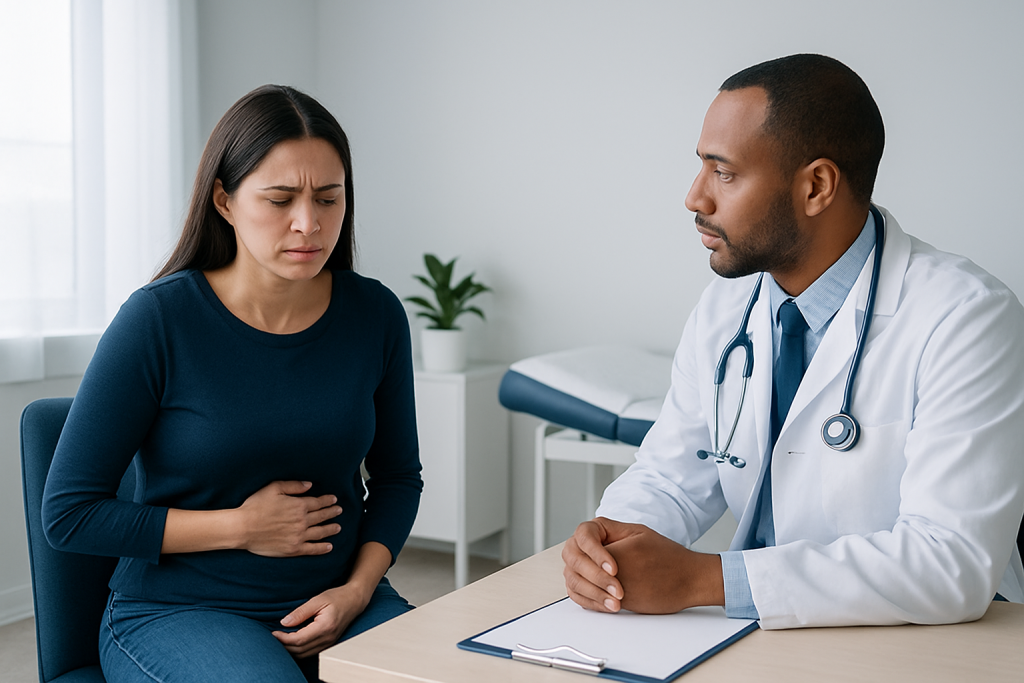
If a raw egg does lead to illness, symptoms usually resemble food poisoning. Common complaints include diarrhea, stomach cramps, nausea, vomiting, and fever. Some people also feel tired, weak, bloated, or generally unwell for a few days.
Symptoms do not always start immediately. In many cases, they develop hours to days after exposure, which can make it hard to connect the illness to a particular meal. This is one reason doctors often ask about recent foods eaten, travel, sick contacts, and whether anyone else who shared the meal also became unwell.
Many mild cases improve with rest and hydration. The main concern is dehydration, especially if diarrhea or vomiting is frequent. Warning signs include very dark urine, dizziness, dry mouth, marked weakness, or trouble keeping fluids down.
It can also help to know what is not typical. A single mild stomach upset after eating raw egg does not automatically mean bacterial infection, and not every digestive symptom is caused by the egg itself. Doctors may also consider other causes such as viral food poisoning, intolerance to ingredients, or unrelated digestive conditions.
Who should avoid raw eggs most carefully
Some people are more likely to become seriously unwell from bacteria that a healthy adult might tolerate better. These higher-risk groups include pregnant people, babies and young children, adults over age 65, and people with weakened immune systems due to illness, cancer treatment, transplant medicines, or certain long-term medical conditions.
For these individuals, even a relatively small exposure may lead to stronger symptoms or complications. What might be a short-lived stomach illness for one person can cause severe dehydration, hospitalization, or more widespread infection in another. Because the potential consequences are greater, prevention matters more.
People with chronic digestive disease may also want to be more cautious, especially if vomiting or diarrhea tends to worsen quickly for them. Anyone who has difficulty staying hydrated or who has a history of becoming ill from contaminated food should discuss safer food choices with a clinician.
In practical terms, avoiding raw cookie dough, homemade dressings or sauces made with unpasteurized eggs, and uncooked egg-based drinks is wise for high-risk individuals. Choosing pasteurized egg products is often the easiest safer alternative without needing major dietary changes.
How doctors evaluate symptoms after raw egg exposure
Most people do not need testing after accidentally eating a raw egg if they feel well. Medical evaluation becomes more relevant when symptoms are moderate to severe, last longer than expected, or occur in someone at higher risk. A doctor usually begins by asking when the egg was eaten, what symptoms developed, whether there is fever or blood in the stool, and whether others who ate the same food became sick.
The physical exam focuses on hydration and signs of more serious illness. The doctor may check temperature, blood pressure, pulse, abdominal tenderness, and signs of fluid loss such as dry mouth or reduced urination. This helps guide whether home care is reasonable or whether a person may need urgent treatment.
Testing is not always necessary, but it may be used in selected cases. Stool testing can sometimes help identify a bacterial cause, particularly if diarrhea is severe, prolonged, bloody, or part of a suspected outbreak. Blood tests may be considered if dehydration, infection severity, or complications are a concern.
If symptoms are significant, assessment may involve specialists in gastroenterology evaluation or supportive hospital care. When infection is severe or affects vulnerable patients, doctors may also coordinate with infectious diseases specialists to guide testing and treatment decisions.
Treatment and home care
Treatment depends on symptom severity. For mild illness, the main goals are replacing fluids, resting, and returning gradually to simple foods as tolerated. Small, frequent sips of water or oral rehydration solutions may be easier to manage than large amounts at once, especially if nausea is present.
Not everyone needs antibiotics, and they are not automatically used for every case of suspected Salmonella. In fact, many healthy adults recover without them. A doctor decides whether they may be appropriate based on age, overall health, severity of illness, and whether there are signs that infection may be spreading or causing complications.
People should be cautious with self-treatment if symptoms are intense or prolonged. Ongoing vomiting, persistent fever, severe abdominal pain, confusion, or signs of dehydration deserve medical advice rather than repeated home remedies alone. If fluids cannot be kept down, some patients may need intravenous support through emergency medical care.
During recovery, it is sensible to avoid alcohol, very fatty meals, and foods that irritate the stomach. Good hand hygiene is also important, because some infections that cause diarrhea can spread to others in the household through shared bathrooms or contaminated hands and surfaces.
Prevention and safer choices
The best way to lower risk is simple: choose cooked eggs or pasteurized eggs when eggs will be eaten raw or only lightly cooked. Pasteurized eggs have been treated to reduce bacteria while remaining usable in recipes such as dressings, desserts, and drinks. This makes them a practical option for people who want the texture or flavor of uncooked egg without the same level of risk.
Safe handling also matters. Eggs should be refrigerated, kept in their original carton if possible, and not left at room temperature for long periods. Hands, bowls, counters, and utensils should be washed after contact with raw egg. Cracked or dirty eggs are best avoided.
At home, it helps to think beyond the egg itself. If raw egg touches batter, cutting boards, blenders, or spoons, those items should be cleaned before they contact ready-to-eat foods. This reduces the chance of bacteria spreading to fruit, salads, bread, or other ingredients that will not be cooked later.
For people who frequently make foods containing eggs, basic guidance from a dietitian or clinician can be useful, especially if there are children, pregnant family members, or immunocompromised adults in the household. A structured nutrition and diet consultation may help tailor safe food habits without making meals overly restrictive.
When to seek medical care
Medical care is important if symptoms after eating raw eggs are severe, do not improve, or happen in a person at higher risk of complications. Concerning features include high fever, blood in the stool, severe abdominal pain, persistent vomiting, signs of dehydration, fainting, or diarrhea lasting more than a few days.
Pregnant people, young children, older adults, and immunocompromised individuals should seek advice earlier, even if symptoms seem only moderate. The threshold for assessment is lower because these groups can worsen faster and may need closer monitoring.
Immediate care may be needed if a person becomes confused, very weak, unable to keep fluids down, or produces little urine. These can be signs of significant dehydration or more serious illness. If symptoms are escalating rather than settling, prompt medical review is the safest next step.
For international patients who need assessment, Acibadem International’s multidisciplinary specialists in JCI-accredited hospitals diagnose and treat digestive and infectious conditions with individualized care plans. A qualified doctor can help determine whether symptoms reflect simple food irritation, dehydration, or an infection that needs targeted treatment.
Frequently asked questions
Is it ever safe to eat raw eggs?
Raw eggs are not considered completely safe because they can sometimes contain Salmonella. If a recipe requires uncooked egg, pasteurized eggs are the safer choice.
What happens if someone accidentally eats a raw egg?
Often, nothing serious happens and the person stays well. If illness develops, it usually causes food-poisoning symptoms such as nausea, diarrhea, stomach cramps, vomiting, or fever over the next hours to days.
Are raw eggs in smoothies or protein shakes risky?
Yes, they can be, because blending does not kill bacteria. Using pasteurized eggs or a pasteurized egg product lowers this risk significantly.
Do fresh farm eggs make raw egg consumption safe?
Not necessarily. Even very fresh eggs can carry bacteria, and freshness alone does not guarantee safety if the egg is eaten raw.
Are runny eggs the same as raw eggs?
Not exactly, but they may still carry some risk if not fully cooked. Eggs cooked until both the white and yolk are set are generally the safest option.
Who should definitely avoid raw eggs?
Pregnant people, young children, older adults, and people with weakened immune systems should avoid them most carefully. These groups are more likely to develop complications from foodborne infection.
When should a person call a doctor after eating raw eggs?
A doctor should be contacted if there is high fever, blood in the stool, severe pain, ongoing vomiting, dehydration, or symptoms that last more than a few days. Earlier advice is also sensible for anyone in a higher-risk group.
References
- Centers for Disease Control and Prevention
- U.S. Food and Drug Administration
- United States Department of Agriculture
- World Health Organization
- National Institute of Diabetes and Digestive and Kidney Diseases
This article is for general information only and is not a substitute for professional medical advice. Please consult a qualified doctor about your individual situation.
Explore treatments in Turkey — costs, top hospitals & a free quote
JCI-accredited · board-certified surgeons · reply within 24h
Add us as a Preferred Source to see more of our trusted health content across Google Search, AI Overviews and Discover.

More from the Health Library



Related Specialists

Dr. Büşra Nur Enez Baş
Acibadem Life Clinical Service
Asst. Prof. Dr. İbrahim Şahbaz
Ophthalmology
Dr. Fatih Çelik
Emergency Service
Fzt. Nergis Demiröz
Physical Medicine & Rehabilitation