Ischemic Cardiomyopathy: Early Signs, Risk Factors, and How It Is Treated

Ischemic cardiomyopathy means the heart muscle has been weakened by reduced blood supply, usually from blocked or narrowed coronary arteries. Common symptoms include shortness of breath, fatigue, swelling in the legs, chest discomfort, and reduced exercise tolerance.
Key Takeaways
- Ischemic cardiomyopathy means the heart muscle has been weakened by reduced blood supply, usually from blocked or narrowed coronary arteries.
- Common symptoms include shortness of breath, fatigue, swelling in the legs, chest discomfort, and reduced exercise tolerance.
- Diagnosis often combines a medical history, physical exam, ECG, blood tests, echocardiogram, and imaging of the coronary arteries.
- Treatment may include lifestyle changes, heart medicines, procedures to restore blood flow, and devices for selected patients.
- Managing blood pressure, cholesterol, diabetes, smoking, and weight can help slow progression and reduce future heart problems.
Ischemic cardiomyopathy is a form of heart muscle weakness that happens when long-term reduced blood flow damages the heart, most often because of coronary artery disease. Early signs can be subtle, but timely diagnosis and treatment can improve symptoms, protect heart function, and lower the risk of complications.
Overview: What Is Ischemic Cardiomyopathy?
Ischemic cardiomyopathy is a condition in which the heart muscle becomes weak because it has not received enough oxygen-rich blood over time. In most cases, this happens due to coronary artery disease, where the arteries that supply the heart become narrowed or blocked. As a result, parts of the heart muscle may be injured, scarred, or unable to pump as effectively as before.
This condition is one of the common causes of heart failure. It does not always begin suddenly. In some people, reduced blood flow develops slowly over years, so symptoms may first appear as tiredness, breathlessness, or difficulty with daily activity rather than a dramatic emergency.
Ischemic cardiomyopathy is different from other types of cardiomyopathy because its main cause is poor blood supply to the heart muscle. It is closely related to coronary artery disease and may also follow one or more heart attacks. Recognizing the condition early matters because treatment can reduce strain on the heart and help prevent further damage.
Early Signs and Symptoms
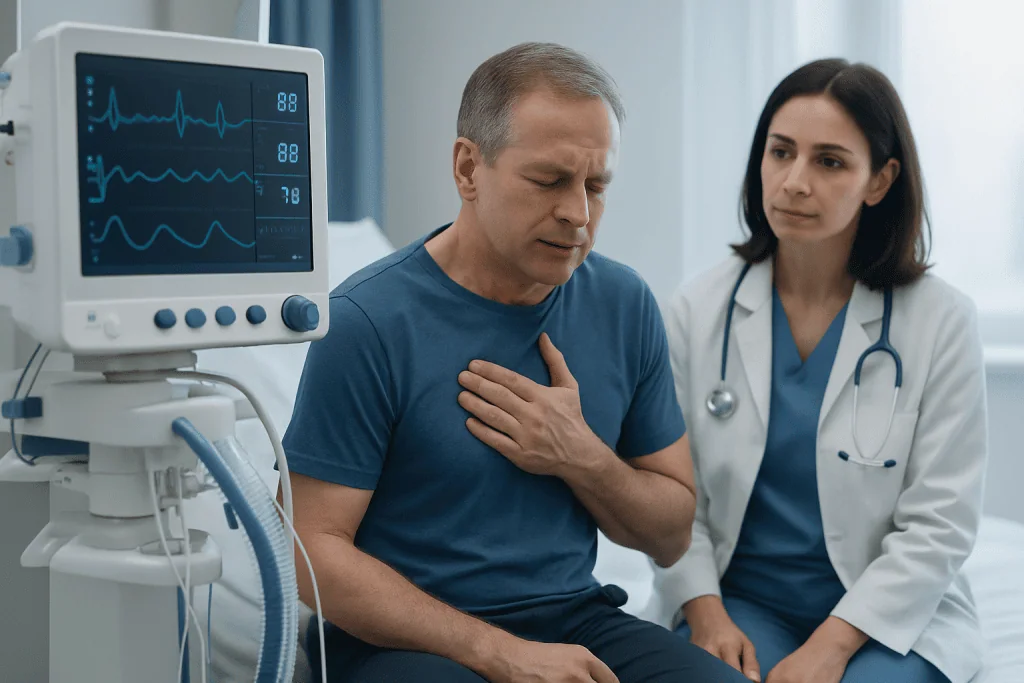
Early ischemic cardiomyopathy symptoms can be mild and easy to overlook. Many people first notice becoming short of breath when walking, climbing stairs, or lying flat. Others feel unusually tired, weak, or less able to exercise than they were in the past.
As the heart’s pumping ability declines, fluid may build up in the body. This can lead to swelling in the ankles, feet, legs, or abdomen. Some people develop a persistent cough, especially at night, or wake up feeling breathless. Rapid weight gain over a few days may also suggest fluid retention.
Chest pressure or discomfort may occur if reduced blood flow is ongoing, but not everyone has chest pain. Some people instead notice heart palpitations, dizziness, lightheadedness, or fainting. Symptoms can overlap with other conditions, so medical evaluation is important, particularly in people with known heart disease or risk factors.
- Shortness of breath with activity or at rest
- Fatigue or reduced stamina
- Swelling in the legs or feet
- Chest discomfort or pressure
- Palpitations or irregular heartbeat
- Dizziness or fainting
What Causes It and Who Is at Risk?
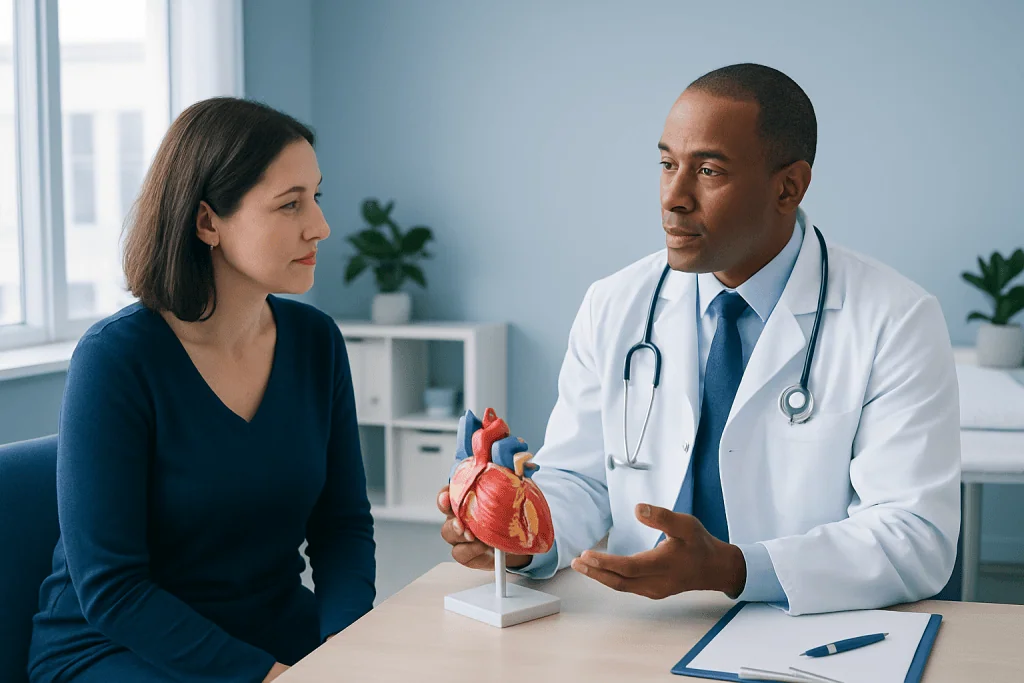
The underlying cause of ischemic cardiomyopathy is long-term reduced blood flow to the heart muscle. This usually happens when fatty deposits build up inside the coronary arteries, narrowing them and limiting blood supply. If a blockage becomes severe or complete, part of the heart muscle may be permanently damaged, as in a heart attack. Repeated injury or ongoing low blood flow can gradually weaken the heart’s pumping function.
Risk factors are largely the same as those for coronary artery disease and heart failure. These include high blood pressure, high LDL cholesterol, diabetes, smoking, obesity, physical inactivity, and a diet high in saturated fats, trans fats, salt, or heavily processed foods. Older age, a family history of heart disease, and chronic kidney disease can also increase risk.
Some people already diagnosed with heart failure later learn that ischemia is the main reason their heart function has declined. Others may have had a silent or unrecognized heart attack in the past. Because symptoms and risk factors can build gradually, regular medical follow-up is especially important for anyone with established cardiovascular disease.
How Doctors Diagnose Ischemic Cardiomyopathy
Diagnosis begins with a detailed medical history and physical examination. A doctor will ask about breathlessness, swelling, chest discomfort, exercise tolerance, past heart attacks, and risk factors such as smoking, diabetes, or high blood pressure. During the exam, they may listen for abnormal heart sounds, signs of fluid in the lungs, or swelling in the legs.
Testing usually includes an electrocardiogram (ECG) to look for rhythm problems or evidence of prior heart damage, along with blood tests that may help assess heart strain, kidney function, cholesterol, blood sugar, and other possible contributors. An echocardiogram is often central to diagnosis because it shows how well the heart pumps and whether certain areas of the heart muscle are moving poorly.
To identify reduced blood flow or blocked arteries, doctors may use stress testing, coronary CT angiography, cardiac MRI, or invasive coronary angiography. In some cases, coronary angiography helps clarify whether narrowed arteries are responsible for symptoms and whether a procedure might help restore blood flow. These tests also help distinguish ischemic cardiomyopathy from other causes of an enlarged or weakened heart.
Treatment Options and Long-Term Management
Treatment aims to improve symptoms, support the heart’s pumping function, reduce fluid buildup, lower the risk of heart rhythm problems, and address the reduced blood flow that caused the condition. Most patients need a combination of lifestyle measures and medication. Commonly used medicines may include drugs that lower blood pressure, reduce strain on the heart, remove excess fluid, control heart rate, prevent clots in selected cases, and improve outcomes in heart failure.
When blocked coronary arteries are contributing to ongoing ischemia, restoring blood flow may be recommended. Depending on the pattern and severity of disease, this may involve coronary stent placement or coronary bypass surgery. The best approach depends on symptoms, heart function, the number and location of narrowed arteries, and the person’s overall health.
Some patients benefit from implantable devices such as a pacemaker or implantable cardioverter-defibrillator if they have certain rhythm abnormalities or severely reduced heart function. Cardiac rehabilitation can also be valuable, helping people return to activity safely while improving confidence and symptom control. Follow-up care is essential because treatment often needs adjustment over time.
For international patients seeking multidisciplinary evaluation, Acibadem International’s JCI-accredited hospitals assess and treat ischemic heart conditions with cardiology, imaging, and cardiovascular surgery specialists working together. A care plan is usually individualized to the person’s symptoms, test results, and long-term goals.
Prevention and Self-Care
Although ischemic cardiomyopathy cannot always be fully reversed, self-care plays a major role in slowing progression and improving daily life. Stopping smoking is one of the most important steps. Managing blood pressure, cholesterol, and diabetes carefully can also reduce further injury to the heart and lower the chance of future heart attacks.
A heart-healthy eating pattern usually focuses on vegetables, fruits, whole grains, legumes, lean protein, and healthier fats while limiting excess salt, added sugar, and heavily processed foods. Regular physical activity can support cardiovascular health, but exercise should be tailored to the person’s condition and medical advice. People with symptoms of heart failure should ask their doctor what level of activity is safe for them.
Taking medicines exactly as prescribed is essential. Patients may also be asked to monitor daily weight, watch for swelling or increasing breathlessness, and attend regular follow-up visits. Vaccinations, stress reduction, good sleep, and limiting alcohol may also support overall heart health. Self-care does not replace medical treatment, but it can make treatment more effective.
When to Seek Medical Care
Medical care should be sought promptly if symptoms such as shortness of breath, swelling, unusual fatigue, or reduced exercise tolerance are new, worsening, or interfering with daily life. These symptoms do not always mean ischemic cardiomyopathy, but they do warrant evaluation, especially in someone with a history of heart disease, diabetes, high blood pressure, or smoking.
Urgent medical attention is needed for chest pain or pressure, sudden severe shortness of breath, fainting, confusion, bluish lips, or a rapid irregular heartbeat that does not settle. These symptoms may signal a heart attack, dangerous arrhythmia, or worsening heart failure and should not be ignored.
People already diagnosed with the condition should contact their doctor if they notice rapid weight gain, more swelling in the legs or abdomen, needing more pillows to sleep, or reduced response to usual medicines. Early review can often prevent more serious deterioration and may allow treatment to be adjusted before hospitalization is needed.
Frequently asked questions
Is ischemic cardiomyopathy the same as heart failure?
Not exactly. Ischemic cardiomyopathy is a cause of heart failure, specifically when the heart muscle becomes weak because of reduced blood flow from coronary artery disease. A person can have heart failure for other reasons as well, such as valve disease, high blood pressure, or non-ischemic cardiomyopathy.
Can ischemic cardiomyopathy be reversed?
Some improvement is possible, especially if reduced blood flow is treated and heart failure is managed well. However, scar tissue from past heart damage usually cannot be reversed. The main goals are to improve function, relieve symptoms, and prevent further injury.
What are the first signs of ischemic cardiomyopathy?
Early signs often include shortness of breath with activity, unusual tiredness, reduced exercise capacity, or swelling in the ankles and feet. Some people also notice chest pressure, palpitations, or trouble breathing when lying flat. Symptoms can start gradually rather than suddenly.
How is ischemic cardiomyopathy diagnosed?
Doctors usually combine a medical history, physical exam, ECG, blood tests, and an echocardiogram. Additional testing may include stress testing or imaging of the coronary arteries to look for blockages. The aim is to confirm weak heart function and identify whether poor blood flow is the cause.
Does everyone with ischemic cardiomyopathy need surgery?
No. Many people are treated first with medications, risk-factor control, and close follow-up. Procedures such as stenting or bypass surgery are considered when opening blocked arteries is likely to improve symptoms, reduce ischemia, or support heart function.
What lifestyle changes help most?
Stopping smoking, following a heart-healthy diet, taking prescribed medicines regularly, and controlling blood pressure, cholesterol, and diabetes are key steps. Safe physical activity, weight monitoring, and keeping follow-up appointments also help. A doctor can tailor advice based on the severity of the condition.
References
- American Heart Association
- National Heart, Lung, and Blood Institute
- European Society of Cardiology
- Centers for Disease Control and Prevention
- Mayo Clinic
This article is for general information only and is not a substitute for professional medical advice. Please consult a qualified doctor about your individual situation.
Explore treatments in Turkey — costs, top hospitals & a free quote
JCI-accredited · board-certified surgeons · reply within 24h
Add us as a Preferred Source to see more of our trusted health content across Google Search, AI Overviews and Discover.
Check your numbers in seconds
BMI, calories, due date, blood pressure and 30+ more clinical calculators — free, instant, doctor-reviewed ranges.

More from the Health Library



Related Specialists

Dr. Ahmet Talha Kayataş
Emergency Service
Dr. Necip Güngör Atikeler
Radiology
Dr. Sinem Bostan Kayaoğlu
Gynecology & Obstetrics
Prof. Dr. Yüksel Ersoy
Physical Medicine & Rehabilitation