Ischial Ramus — Explained by Medical Evidence, Not Myths

The ischial ramus is part of the ischium, one of the three bones that form each side of the pelvis. It connects with the pubic ramus and helps form the lower border of the obturator foramen, an opening in the pelvis.
Key Takeaways
- The ischial ramus is part of the ischium, one of the three bones that form each side of the pelvis.
- It connects with the pubic ramus and helps form the lower border of the obturator foramen, an opening in the pelvis.
- Pain felt near the ischial ramus may come from bone, muscle, tendon, hip or pelvic structures rather than the ramus alone.
- A fall, high-impact injury, osteoporosis or repeated loading can increase the likelihood of a pelvic ramus fracture.
- Sudden severe pelvic pain, inability to bear weight, numbness, weakness or bladder and bowel changes require prompt medical assessment.
The ischial ramus is a strong, lower portion of the pelvic bone that contributes to the ring-shaped structure of the pelvis. It is not a disease itself, but pain in this area can arise from nearby muscles, tendons, nerves, joints or a pelvic injury and should be assessed in context.
What Is the Ischial Ramus?
The ischial ramus is a branch-like section of the ischium, which is the lower and back portion of each hip bone. Together, the right and left hip bones join with the sacrum at the back of the pelvis to create a stable framework that supports the upper body and protects pelvic organs.
The ischial ramus runs forward from the ischial tuberosity, often called the “sitting bone,” toward the pubis. It joins the inferior pubic ramus, creating the ischiopubic ramus. This curved bony area forms part of the lower boundary of the obturator foramen, a large opening in each side of the pelvis through which nerves and blood vessels pass.
In everyday language, people may use “ischial ramus” to describe pain low in the buttock, groin, inner thigh or pelvic region. However, the bone itself is only one possible source. A clinician considers the location of pain, how it began, associated symptoms and examination findings before determining whether the bone or nearby tissue is involved.
Where It Is and Why It Matters
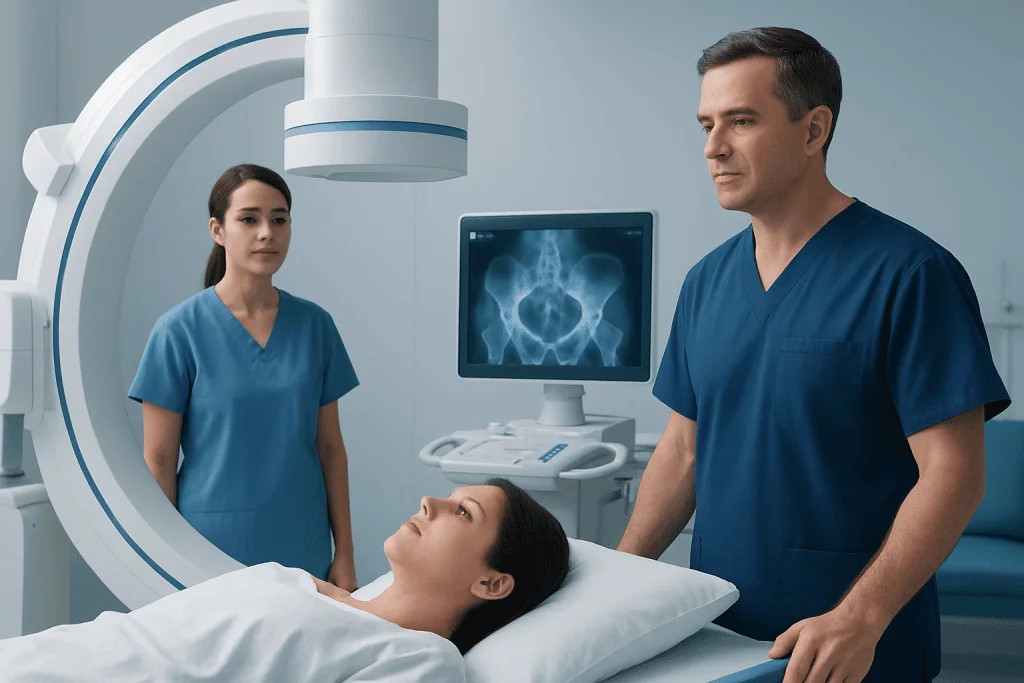
The pelvis is designed to balance strength with mobility. The ischial ramus helps complete the pelvic ring, so it plays a supporting role when a person stands, walks, transfers body weight or sits. Its relationship to the pubis and ischial tuberosity also makes it an important landmark on pelvic X-rays, CT scans and other imaging studies.
Several muscles and connective tissues lie close to this part of the pelvis. Muscles of the pelvic floor attach around the ischiopubic region, while muscles that move the hip and thigh are nearby. The hamstring tendons attach to the ischial tuberosity rather than directly to the ramus, but pain from a hamstring tendon problem can sometimes be felt in the same general area.
Its position also explains why symptoms can overlap. Discomfort in the lower pelvis may be related to a hip problem, adductor muscle strain, pelvic floor condition, lower-back disorder, nerve irritation or abdominal and pelvic organ conditions. Accurate assessment avoids assuming that every symptom near a bone represents a bone injury.
Common Reasons for Pain Near the Ischial Ramus
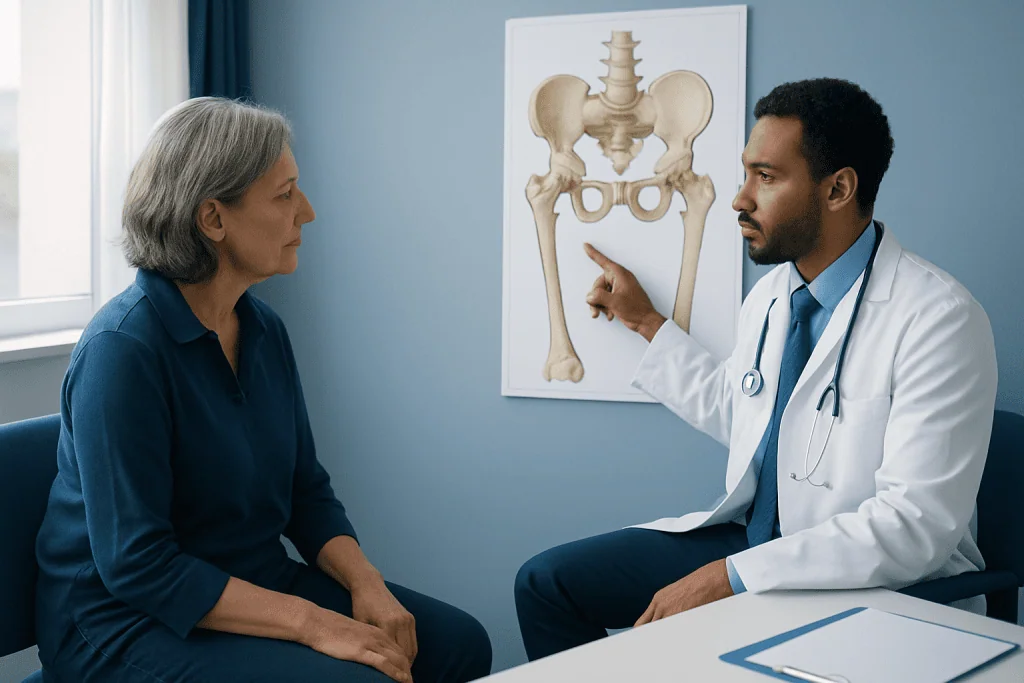
Pain around the ischial ramus may occur after a direct fall, a collision, childbirth-related pelvic stress or a twisting injury. In younger and physically active people, repetitive activities such as running, kicking, jumping or rapid changes of direction can strain the muscles and tendons around the pelvis. Symptoms may be mild and gradual or may begin suddenly after an injury.
A pelvic ramus fracture is another possible cause. These fractures may result from high-energy trauma, such as a road traffic collision, but can also occur after a lower-energy fall in older adults with fragile bones. A stress fracture may develop when repeated loading exceeds the bone’s ability to repair itself, particularly when training intensity increases quickly or bone health is reduced.
Other possible explanations include <a href="https://acibademinternational.com/diseases/hip-osteoarthritis/”>hip osteoarthritis, inflammation around tendons, hernias, sacroiliac joint problems, nerve-related pain and conditions affecting pelvic organs. Pain that is worsened by sitting may occur with several conditions, including irritation of tissues near the sitting bone, but this pattern alone does not identify a specific diagnosis.
- Muscle or tendon strain: often linked with activity and movement.
- Pelvic fracture: may cause pain with standing, walking or turning in bed.
- Stress injury: may start as activity-related pain and progress if loading continues.
- Referred pain: can originate from the spine, hip, pelvic floor or nearby organs.
Ischial Ramus Fractures and Bone Health
An ischial ramus fracture is a break involving this lower part of the pelvic ring. Some isolated, stable ramus fractures can be managed without surgery, while complex pelvic fractures may involve multiple areas of the pelvic ring and require urgent specialist care. The severity depends on the injury pattern, stability of the pelvis, associated injuries and the person’s overall health.
Older adults are at increased risk of fragility fractures because bone density and balance can decline with age. Osteoporosis, previous fractures, long-term use of certain medicines, low body weight, smoking, nutritional deficiencies and some hormonal or medical conditions can contribute to reduced bone strength. A fracture after a fall from standing height may prompt a clinician to review bone health.
It is a myth that pelvic fractures only happen after major accidents. While significant trauma is an important cause, a low-impact fall can cause a fracture in weakened bone. Conversely, not all pain after a fall means a fracture is present; examination and imaging, when appropriate, are needed to clarify the cause.
How Clinicians Assess Ischial Ramus Symptoms
Assessment usually begins with a medical history. A clinician may ask whether symptoms started after trauma or increased exercise, where the pain is felt, whether walking or sitting is difficult, and whether there are symptoms such as fever, weight loss, numbness, weakness, urinary changes or bowel changes. These details help identify both common musculoskeletal causes and conditions requiring more urgent evaluation.
During examination, the clinician may assess walking, hip movement, pelvic tenderness, muscle strength, sensation and circulation in the legs. They may also evaluate the lower back, abdomen or groin when symptoms suggest another source of pain. For people with a suspected fracture, clinicians also consider whether there could be injury to the bladder, bowel, nerves or blood vessels, especially after significant trauma.
Plain X-rays are often used to look for a pelvic fracture, although small, early or stress-related fractures may not always be visible initially. CT can provide more detailed information about pelvic bone injuries. MRI may be useful when a stress fracture, soft-tissue injury or another cause is suspected. Blood tests are not routinely needed for every case but may help investigate inflammation, infection or underlying metabolic bone concerns.
Treatment, Recovery and Self-Care
Treatment is guided by the cause rather than the location of pain alone. A minor muscle or tendon injury may improve with a temporary reduction in aggravating activity, gradual return to movement and a structured rehabilitation plan. A healthcare professional can advise whether cold or heat, simple pain relief or referral to physiotherapy is suitable for the individual.
Stable pelvic ramus fractures are often treated with pain control, safe mobilization and support from rehabilitation professionals. Depending on the fracture and the patient’s mobility, a walking aid may be advised for a period of time. Early, safe movement is often encouraged to reduce complications of prolonged inactivity, but weight-bearing recommendations should always follow the treating team’s advice.
Complex, displaced or unstable pelvic injuries may require hospital care and, in selected cases, surgical stabilization. Recovery varies widely according to age, fracture pattern, pre-existing health, muscle strength and the presence of other injuries. Follow-up is important to monitor healing, pain, mobility and possible bone-health needs.
General measures that support musculoskeletal health include adequate dietary protein, calcium and vitamin D as advised by a clinician, regular weight-bearing and strengthening exercise when safe, fall-prevention strategies and avoiding tobacco. People should not continue high-impact exercise through persistent pelvic pain without medical guidance, as this can worsen some stress injuries.
When to Seek Medical Care
Medical assessment is appropriate for new pelvic, groin or lower-buttock pain that persists, limits walking, follows a fall or is not improving with rest. It is particularly important for older adults, people with osteoporosis, those receiving treatment that may affect bone strength, and athletes with pain that repeatedly returns during activity.
Urgent medical care is needed after a major injury, or when pelvic pain is severe, rapidly worsening or associated with inability to stand or bear weight. Immediate assessment is also important if there is fainting, dizziness, heavy bleeding, abdominal swelling, numbness in the groin or legs, new weakness, or loss of bladder or bowel control.
A person should also arrange a timely review for unexplained night pain, fever, unintentional weight loss, a new lump, or pain accompanied by urinary, bowel or reproductive symptoms. These features do not necessarily indicate a serious condition, but they need evaluation rather than self-diagnosis. Acibadem International’s multidisciplinary specialists and JCI-accredited hospitals assess pelvic and musculoskeletal conditions for international patients.
Frequently asked questions
Is the ischial ramus the same as the sitting bone?
No. The sitting bone usually refers to the ischial tuberosity, the lower bony prominence of the ischium that bears weight during sitting. The ischial ramus extends forward from this area and joins with the pubic ramus.
What does ischial ramus pain feel like?
Symptoms vary depending on the cause. A person may feel aching, tenderness or sharp pain in the lower buttock, groin, inner thigh or pelvis, often made worse by walking, climbing stairs, sitting or certain hip movements. Pain location alone cannot confirm a diagnosis.
Can an ischial ramus fracture heal without surgery?
Many stable pelvic ramus fractures can heal with non-surgical care, including pain management, protected or supported mobility and rehabilitation. Surgery may be considered for unstable, displaced or more complex pelvic injuries. The treatment plan should be based on imaging and specialist assessment.
Can an X-ray miss an ischial ramus fracture?
Yes. Some small fractures, stress fractures or fractures that are difficult to see because of pelvic anatomy may not be obvious on an initial X-ray. If symptoms and examination suggest a fracture despite a normal X-ray, a clinician may recommend CT or MRI.
How long does recovery from a pelvic ramus fracture take?
Recovery time differs between individuals and depends on the fracture pattern, stability, age, bone health and other injuries. Pain and mobility often improve gradually over weeks, while full functional recovery may take longer. Follow-up helps ensure that activity is increased safely.
Should a person exercise with pain near the ischial ramus?
It is generally sensible to avoid activities that clearly worsen pain until the cause is understood. Gentle movement may be appropriate for some conditions, but continuing impact exercise with persistent pelvic pain can aggravate a stress injury. A doctor or physiotherapist can recommend a safe return-to-activity plan.
References
- American Academy of Orthopaedic Surgeons
- National Institute of Arthritis and Musculoskeletal and Skin Diseases
- National Institute for Health and Care Excellence
- International Osteoporosis Foundation
This article is for general information only and is not a substitute for professional medical advice. Please consult a qualified doctor about your individual situation.
Joint and spine care in Turkey — expert assessment & treatment
JCI-accredited · board-certified surgeons · reply within 24h
Add us as a Preferred Source to see more of our trusted health content across Google Search, AI Overviews and Discover.

More from the Health Library


Related Specialists

Assoc. Prof. Dr. Selen Kanar
Ophthalmology
Assoc. Prof. Dr. Mehmet Ferdi Kıncı
Gynecology & Obstetrics
Dr. Jamila Ebrahimi
Emergency Service
Prof. Dr. Ayşenur Meriç Hafız
Otorhinolaryngology