Itchy Bruise: Common Causes, Related Conditions, and When to See a Doctor
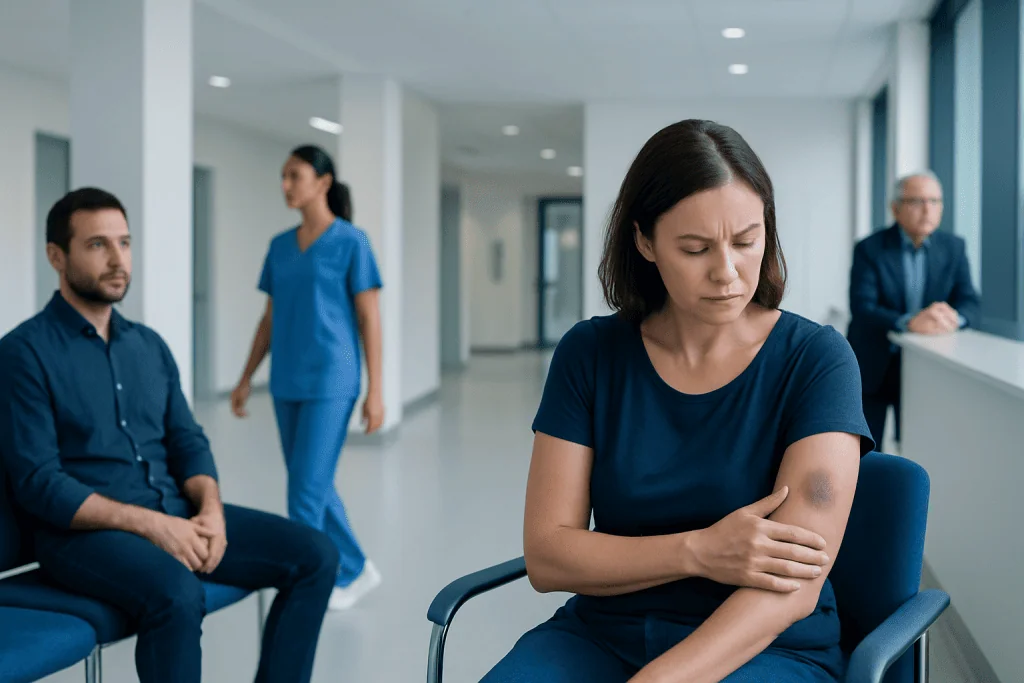
Bruises can itch during healing, particularly as their color changes and swelling settles. Scratching, heat, tight clothing, tapes, or topical products may irritate the skin over a bruise.
Key Takeaways
- Bruises can itch during healing, particularly as their color changes and swelling settles.
- Scratching, heat, tight clothing, tapes, or topical products may irritate the skin over a bruise.
- Most simple bruises improve gradually within about two weeks, although larger bruises may take longer.
- Easy or unexplained bruising can sometimes be linked to medicines, nutritional deficiencies, liver disease, or bleeding disorders.
- Urgent assessment is important for bruising after a significant head injury, sudden widespread bruising, or bruising with serious bleeding symptoms.
An itchy bruise is commonly caused by normal healing as blood under the skin is gradually broken down and absorbed. It can also occur when the skin is irritated by swelling, dryness, adhesive products, or scratching; however, repeated unexplained bruises or bruising with other symptoms needs medical review.
What Does an Itchy Bruise Mean?
An itchy bruise is usually a bruise that is healing. A bruise, also called a contusion, develops when small blood vessels beneath the skin are damaged and blood leaks into surrounding tissue. As the body clears this blood and repairs the affected tissue, mild itching or tingling may occur.
The itch is often felt days after an injury rather than immediately. It may happen as swelling decreases, the bruise changes from red or purple to green, yellow, or brown, and the skin begins to recover. A healing bruise can be uncomfortable, but itchiness alone is not usually a sign of infection or a serious problem.
It is helpful to look at the skin as well as the bruise itself. A rash, blisters, warmth, increasing redness, or itching that spreads beyond the bruised area may suggest skin irritation, an allergic reaction, or another condition rather than routine bruise healing.
How a Bruise Heals and Why It May Itch

After an impact, blood cells collect beneath the skin. The immune system gradually removes these cells and chemical by-products, while tiny blood vessels and surrounding connective tissue heal. This inflammatory and repair process can stimulate nerve endings in the skin, causing itching, tenderness, or a mild prickling sensation.
Bruises generally change color as hemoglobin, the pigment in red blood cells, is broken down. The color progression varies between people and can be less visible in darker skin tones. Mild itching may become more noticeable during later stages of healing, when the bruise is fading.
Dry skin can make the sensation stronger. So can friction from clothing, sweating, hot showers, and rubbing the area. Although scratching may briefly feel relieving, it can damage the skin barrier and increase irritation, especially when the skin is already sensitive.
Bruising normally becomes less painful and gradually smaller over time. A bruise that is getting larger, more painful, increasingly swollen, or persistently itchy without improvement deserves medical advice.
Common Causes of Itching Around a Bruise

Minor injuries are the most common reason for a bruise. Bumping into furniture, playing sports, exercise-related impacts, falls, blood tests, injections, or minor procedures can all cause bruising. The irritated tissues and normal healing response may then lead to itchiness.
Skin irritation is another frequent explanation. Adhesive bandages, medical tape, creams, gels, perfumes, laundry products, or friction from clothing can cause contact dermatitis around an injured area. This often produces a visible itchy rash, dryness, scaling, or small bumps that extend beyond the bruise.
Some people notice bruising after insect bites or vigorous scratching. In these cases, the itch may begin with the bite or rash, while small broken blood vessels from scratching create a bruise-like mark. The main issue may therefore be an itchy skin reaction rather than the bruise itself.
Older adults may bruise more easily because skin becomes thinner and supportive tissues provide less protection for small blood vessels. Long-term sun exposure can also make the skin more fragile, particularly on the forearms and hands.
Related Conditions and Factors That Can Cause Easy Bruising
An occasional bruise without a clear cause is not always concerning, especially on the legs or arms. However, frequent, large, or unexplained bruises may be associated with medicines that affect blood clotting or platelet function. These include prescribed anticoagulants, antiplatelet medicines, some anti-inflammatory medicines, corticosteroids, and certain supplements. A person should not stop a prescribed medicine without speaking with the clinician who prescribed it.
Easy bruising can also occur when the body has low platelet levels, reduced clotting factors, or problems with blood vessel or connective tissue health. Conditions affecting the liver may interfere with production of clotting factors. Certain nutritional deficiencies, including low vitamin C or vitamin K in appropriate clinical settings, may also contribute.
Bleeding disorders can cause bruising alongside nosebleeds, prolonged bleeding after dental work or cuts, unusually heavy menstrual bleeding, or a family history of abnormal bleeding. Hemophilia is one example of an inherited condition that affects blood clotting, although many causes of easy bruising are not inherited.
In some situations, a new pattern of bruising may be related to a blood disorder or another medical condition that needs assessment. A clinician can decide whether testing such as a blood count, platelet assessment, liver tests, or clotting studies is appropriate based on the person’s symptoms, medical history, and medicines.
What Can Help an Itchy Bruise at Home?
For a recent minor injury, protecting the area and avoiding further impact can support healing. During the first day or two, a cool pack wrapped in cloth may help reduce discomfort and swelling. It should not be placed directly on the skin, and it is best used for short periods rather than continuously.
To manage itchiness, keeping the skin clean and gently moisturized may help if there is dryness. Loose clothing can reduce rubbing. A cool compress may also soothe the skin. It is best to avoid scratching, vigorous massage, or applying multiple new products, as these may worsen irritation or make it harder to identify a contact reaction.
If a tape, dressing, cream, or other product seems to be causing a rash, stopping the suspected irritant may be useful, provided it is safe to do so. Anyone with a wound, recent procedure, or clinician-applied dressing should ask their healthcare team before removing it or changing wound care.
For pain relief, a pharmacist or clinician can advise on suitable options based on the individual’s health conditions and medicines. People who bruise easily or take blood-thinning medicine should ask before using medicines that may increase bleeding risk.
When to Seek Medical Care
A healthcare professional should assess bruises that appear often, occur without an obvious injury, are unusually large, or do not start improving over time. An appointment is also appropriate if itching is severe, the skin develops a spreading rash, or there are signs of infection such as increasing warmth, redness, swelling, pus, or fever.
Prompt medical attention is important after a significant injury, particularly a head injury, or when bruising is accompanied by severe pain, numbness, weakness, difficulty moving a limb, or marked swelling. Emergency care is needed for symptoms such as confusion, fainting, severe headache after a head injury, vomiting, trouble breathing, chest pain, or uncontrolled bleeding.
A person should also seek assessment if bruises occur with frequent nosebleeds, bleeding gums, blood in urine or stool, very heavy menstrual bleeding, unexplained fatigue, or tiny red-purple spots that do not fade when pressed. These symptoms do not always indicate a serious condition, but they require timely evaluation.
Acibadem International’s multidisciplinary specialists and JCI-accredited hospitals can assess unusual bruising and related skin or blood concerns for international patients. Medical evaluation is especially helpful when a new bruising pattern develops or symptoms are affecting everyday life.
What to Expect During Medical Evaluation
A clinician will usually ask when the bruises began, how often they occur, whether there was an injury, and whether there are other bleeding symptoms. They may also ask about family history, diet, alcohol use, recent illnesses, supplements, and all prescription and non-prescription medicines.
The examination may include checking the location, size, color, and stage of bruises, as well as looking for rash, fragile skin, swollen joints, or signs of bleeding elsewhere. The pattern matters: bruises on bony areas after a known bump are different from repeated large bruises in unexpected locations.
When indicated, blood tests can assess red blood cells, platelets, clotting function, liver health, and other possible contributors. Further evaluation depends on the findings. Most people with an isolated itchy bruise do not need extensive testing, but testing can be important when bruising is recurrent or unexplained.
Keeping a brief record can be useful before an appointment. This may include photographs showing how a bruise changes, the date it appeared, possible injuries, associated symptoms, and a list of medicines and supplements. This information can help the clinician identify relevant patterns.
Frequently asked questions
Is it normal for a bruise to itch while healing?
Yes. Mild itching can occur as a bruise heals and the body clears blood from under the skin. It should gradually settle as the bruise fades and should not be accompanied by worsening swelling, severe pain, or a spreading rash.
Why does my bruise itch more at night?
Itching may feel more noticeable at night because there are fewer distractions and clothing or bedding can rub against the area. Warmth and dry skin may also increase the urge to scratch. A cool compress and loose, breathable clothing may provide comfort.
Can scratching cause bruising?
Vigorous scratching can damage small blood vessels, especially in people with fragile skin or a tendency to bruise easily. It may also cause skin breaks, which can increase irritation and the risk of infection. Persistent itch should be discussed with a clinician rather than repeatedly scratched.
How long should an itchy bruise last?
Many uncomplicated bruises improve within around two weeks, though larger or deeper bruises can take longer. The itch should generally lessen as the skin heals. Medical advice is sensible if the bruise is not improving, becomes larger, or repeatedly appears without injury.
Can blood thinners cause itchy bruises?
Blood-thinning medicines can make bruises more likely or more noticeable after minor impacts. The itch itself may still reflect normal healing or skin irritation. A person taking these medicines should contact their clinician about unusual bruising but should not stop treatment without medical guidance.
When is unexplained bruising concerning?
Unexplained bruising is more concerning when it is frequent, large, sudden, or accompanied by bleeding elsewhere, fatigue, fever, or weight loss. It also needs prompt review after a head injury or if it occurs with severe pain, swelling, weakness, or neurological symptoms. A clinician can determine whether blood tests or further evaluation are needed.
This article is for general information only and is not a substitute for professional medical advice. Please consult a qualified doctor about your individual situation.
Explore treatments in Turkey — costs, top hospitals & a free quote
JCI-accredited · board-certified surgeons · reply within 24h
Add us as a Preferred Source to see more of our trusted health content across Google Search, AI Overviews and Discover.

More from the Health Library

What Does Oral Cancer Look Like? A Doctor-Reviewed Answer

How to Sleep 8 Hours in 4 Hours? Causes, Explanations, and Next Steps

Can You Get Herpes From Kissing? Causes, Explanations, and Next Steps

Headache and Iron Deficiency: Common Causes, Related Conditions, and When to See a Doctor

Kidney Disease Symptoms: Possible Causes and When to Seek Care