How to Sleep 8 Hours in 4 Hours? Causes, Explanations, and Next Steps

For most adults, 4 hours of sleep does not provide the same recovery as 8 hours. A person may feel temporarily okay on less sleep, but performance, mood, and long-term health can still be affected.
Key Takeaways
- For most adults, 4 hours of sleep does not provide the same recovery as 8 hours.
- A person may feel temporarily okay on less sleep, but performance, mood, and long-term health can still be affected.
- Rarely, naturally short sleep occurs, but doctors first look for sleep loss, lifestyle factors, or sleep disorders.
- Medical review is important if short sleep comes with loud snoring, breathing pauses, insomnia, daytime sleepiness, or mood changes.
- Improving sleep quality, schedule consistency, and underlying health issues is safer than trying to train the body to need less sleep.
Most people cannot truly replace 8 hours of sleep with 4 hours and remain fully restored. When someone feels fine on very little sleep, it is often temporary and harmless, but persistent short sleep, daytime symptoms, or unusual behavior during sleep should be medically reviewed.
Overview: Can 8 Hours of Sleep Be Compressed Into 4?
In most cases, the answer to “how to sleep 8 hours in 4 hours” is simple: the body usually cannot compress the restorative effects of a full night’s sleep into half the time. Many people occasionally sleep for 4 hours and still get through the next day, especially during stress, travel, deadlines, or parenting demands. That can be common and often harmless in the short term, but it is not the same as getting the amount of sleep the brain and body generally need.
Sleep is not a single block of inactivity. It is a repeating cycle of light sleep, deep sleep, and rapid eye movement sleep. These stages support memory, mood regulation, hormone balance, immune function, and physical recovery. Shortening sleep cuts into these cycles, even when a person feels subjectively alert at first.
There are exceptions. A small number of people seem to function well on much less sleep than average, but this is uncommon. More often, a person who thinks they are doing well on 4 hours may be adapted to sleep loss rather than truly unaffected by it. The body can become less aware of impairment even while concentration, reaction time, and emotional regulation decline.
Why Someone May Feel Rested After Only 4 Hours
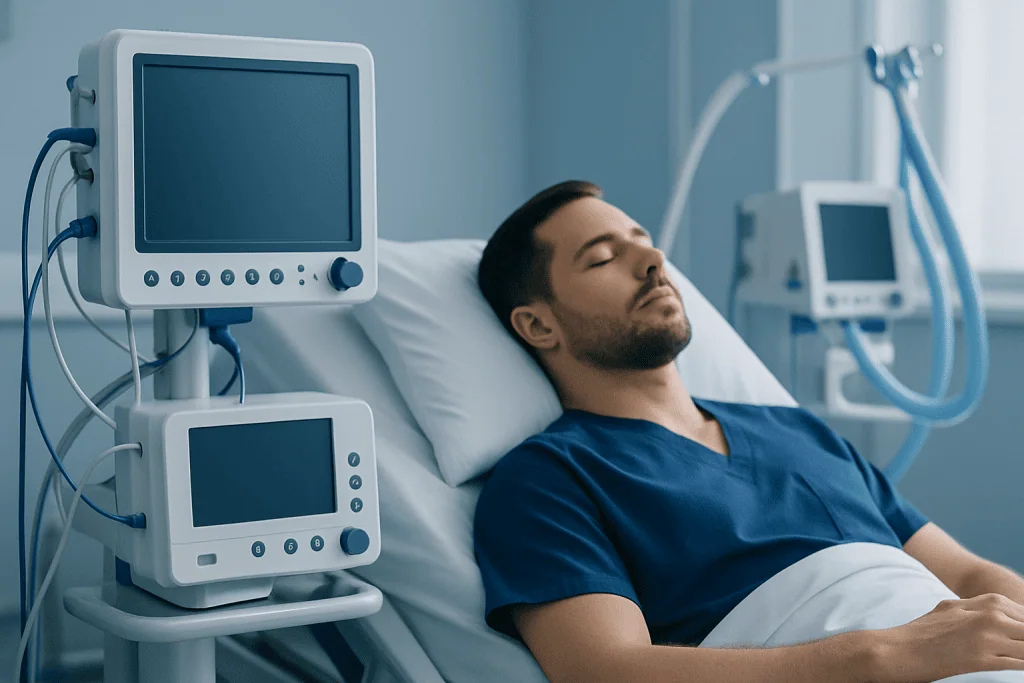
Feeling rested on little sleep does not always mean something is wrong. Short-term explanations are common. A person may wake after 4 hours because of excitement, stress hormones, a changed schedule, jet lag, caffeine use, alcohol disruption later in the night, or simply because they completed a lighter part of a sleep cycle and feel briefly refreshed.
Some people also confuse less time in bed with better-quality sleep. If the bedroom environment improves, snoring is treated, or a person follows a more regular routine, sleep may feel more refreshing than before. This can create the impression that they now “need” much less sleep, when in reality they are sleeping more efficiently but still benefit from a fuller night.
There is also a rare trait sometimes called natural short sleep. These individuals consistently sleep less than average and remain alert and healthy without daytime impairment. Because this is unusual, doctors do not assume it first. They usually look instead for common explanations such as insomnia, circadian rhythm disruption, or fragmented sleep from another condition.
Another important point is that sleep debt may not feel obvious right away. A person can feel energetic for a day or two while still having reduced attention, slower decision-making, irritability, or increased appetite. For that reason, how someone feels is only one part of the picture.
Common Causes and Risk Factors Behind Sleeping Too Little

Persistent short sleep often has an identifiable cause. Lifestyle is one of the most common. Shift work, caregiving, heavy screen use at night, frequent travel, irregular bedtimes, stimulants, and high stress can all reduce sleep duration or quality. Even when someone goes to bed early, poor sleep habits may lead to repeated awakenings.
Medical and mental health conditions can also play a role. Anxiety, depression, chronic pain, reflux, thyroid problems, medication side effects, and breathing-related sleep conditions may limit restorative sleep. Some people fall asleep easily but wake too early and cannot return to sleep. Others spend enough time in bed but get fragmented sleep that leaves them under-rested.
Certain sleep disorders deserve special attention because they are easily missed. Obstructive sleep apnea may cause snoring, gasping, witnessed pauses in breathing, dry mouth, morning headaches, or daytime sleepiness. Restless legs syndrome can make it difficult to fall asleep. Circadian rhythm disorders can shift sleep timing so that a person sleeps at odd hours but still does not reach adequate duration.
Occasionally, a reduced need for sleep can appear with elevated mood, racing thoughts, impulsive behavior, or unusually high energy. In that context, doctors may also consider mental health causes such as mania or hypomania. That pattern needs medical assessment rather than self-treatment.
Signs That Short Sleep May Need Medical Review
A brief period of sleeping less due to life events is often not a medical emergency. Still, certain red flags suggest the issue should be evaluated. These include loud snoring, choking or gasping during sleep, breathing pauses noticed by a partner, severe daytime sleepiness, falling asleep unintentionally, morning headaches, or poor concentration despite trying to rest.
Other warning signs include insomnia that lasts for weeks, frequent early waking, sleepwalking, acting out dreams, repeated limb movements, or a strong urge to move the legs at night. Mood changes also matter. Irritability, anxiety, low mood, or unusually elevated mood with a reduced need for sleep can point to a condition that deserves professional care.
It is also wise to seek advice if sleeping 4 hours has become the norm rather than the exception, especially if work, driving, memory, relationships, or school performance are affected. Children, teenagers, older adults, and people with heart, lung, or neurological conditions may be more vulnerable to the effects of poor sleep.
- Short sleep lasting more than a few weeks
- Daytime sleepiness or fatigue
- Snoring, gasping, or witnessed pauses in breathing
- Difficulty staying asleep or waking too early
- Mood or behavior changes
- Safety concerns, including drowsy driving
How Doctors Evaluate the Problem
When someone asks how to sleep 8 hours in 4 hours, a doctor usually reframes the question: why is sleep short, and is the person actually getting enough restorative sleep? The first step is a detailed history. This includes bedtime habits, work schedule, caffeine and alcohol use, medications, snoring, daytime functioning, mental health symptoms, and whether the short sleep is new or lifelong.
A sleep diary or wearable sleep record may help identify patterns, although consumer devices are not perfect diagnostic tools. Doctors may ask a partner about snoring, breathing pauses, unusual movements, or behaviors during sleep. A physical examination can look for clues such as enlarged tonsils, nasal obstruction, obesity, blood pressure issues, or signs of endocrine or neurological problems.
If a sleep disorder is suspected, formal testing may be recommended. A sleep study can help diagnose obstructive sleep apnea and other sleep-related conditions. Depending on the symptoms, blood tests or specialist evaluation may also be useful. If breathing problems during sleep are found, treatment may overlap with care for sleep apnea.
The goal of evaluation is not only to measure hours slept but to understand sleep quality, timing, and the effect on overall health. This is important because some people who report “only 4 hours” are actually sleeping longer than they realize, while others are getting severely fragmented sleep that needs treatment.
Treatment and Next Steps: Improving Sleep Rather Than Reducing It
Treatment depends on the cause. If the problem is behavioral or schedule-related, the most effective approach is usually to improve sleep opportunity and quality, not to force the body to need less sleep. Regular sleep and wake times, limiting caffeine late in the day, reducing evening screen exposure, managing stress, and keeping the bedroom cool, dark, and quiet can all help.
For persistent insomnia, structured treatment is often more effective than repeatedly trying different home remedies. Doctors may recommend behavioral strategies or referral for cognitive behavioral therapy focused on sleep. This can help with racing thoughts, time spent awake in bed, and habits that unintentionally maintain insomnia.
If testing shows a medical condition, treating it can significantly improve rest. Options may include therapy for breathing-related sleep disorders, management of pain or reflux, adjustment of medications, or treatment for anxiety, depression, or other contributing illnesses. In selected cases, a specialist may consider sleep apnea treatment when sleep-disordered breathing is the reason a person wakes frequently or feels unrefreshed.
Near the end of the process, some people simply need reassurance that they do not have to become a “4-hour sleeper” to be productive. If concerns remain, Acibadem International’s multidisciplinary specialists in JCI-accredited hospitals evaluate sleep-related symptoms for international patients and guide diagnosis and treatment based on the underlying cause.
When to Seek Medical Care
Medical care should be sought promptly if short sleep comes with chest pain, fainting, severe shortness of breath, thoughts of self-harm, sudden confusion, or extreme mood elevation with risky behavior. These symptoms may not be caused by lack of sleep alone and should not be ignored.
A non-urgent medical appointment is reasonable if sleeping 4 hours becomes frequent, if sleep problems continue for several weeks, or if there are signs of a sleep disorder such as snoring, gasping, morning headaches, or daytime sleepiness. Professional review is also helpful when home changes have not improved the situation.
In general, it is safer to ask why sleep is short than to search for ways to permanently replace 8 hours with 4. A qualified doctor can determine whether the pattern is temporary, lifestyle-related, or part of a treatable condition.
Frequently asked questions
Is it really possible to sleep 8 hours in 4 hours?
For most people, no. The body usually cannot condense the full restorative value of 8 hours into 4 hours, because healthy sleep depends on repeating stages and cycles over time. A person may sometimes feel okay after a short night, but that does not mean the body got the same recovery.
Why do some people seem fine on very little sleep?
Some people are experiencing only a temporary effect from stress, excitement, or schedule changes, while others may underestimate how impaired they are. Rarely, a person may be a natural short sleeper, but this is uncommon. Doctors usually look for more common explanations first, including insomnia, circadian rhythm issues, or fragmented sleep.
Can sleep quality make 4 hours feel like 8 hours?
Better sleep quality can make a person feel more refreshed, but it usually does not make 4 hours equal to 8 hours. Quality and duration both matter. Even deep, uninterrupted sleep may still be too short for many adults over time.
What are the risks of regularly sleeping only 4 hours?
Regular short sleep can affect attention, memory, mood, reaction time, and daily performance. Over time, poor sleep may also affect physical health, depending on the cause and the person’s overall condition. The exact impact varies, but persistent sleep restriction is generally not ideal.
When should someone worry about sleeping too little?
Concern is reasonable when short sleep lasts for weeks, causes daytime sleepiness, or comes with loud snoring, gasping, breathing pauses, or mood changes. It is also important to seek help if there are safety issues such as drowsy driving or reduced work performance. New symptoms or major changes from a person’s usual pattern deserve medical attention.
How do doctors test for the cause of short sleep?
Doctors usually begin with a medical history, sleep habits review, and questions about daytime functioning. They may ask for a sleep diary, examine for physical clues, and order a sleep study if a disorder such as sleep apnea is suspected. Additional tests depend on symptoms and possible underlying conditions.
This article is for general information only and is not a substitute for professional medical advice. Please consult a qualified doctor about your individual situation.
Explore treatments in Turkey — costs, top hospitals & a free quote
JCI-accredited · board-certified surgeons · reply within 24h
Add us as a Preferred Source to see more of our trusted health content across Google Search, AI Overviews and Discover.

More from the Health Library

Can Constipation Cause Fever? Here Is What the Evidence Says

How Long Does Diverticulitis Last? A Doctor-Reviewed Answer

Can You Be Constipated and Still Poop? A Doctor-Reviewed Answer

Diaper Rash Treatment: Common Causes, Related Conditions, and When to See a Doctor

Children’s Nausea Medicine: Common Causes, Related Conditions, and When to See a Doctor