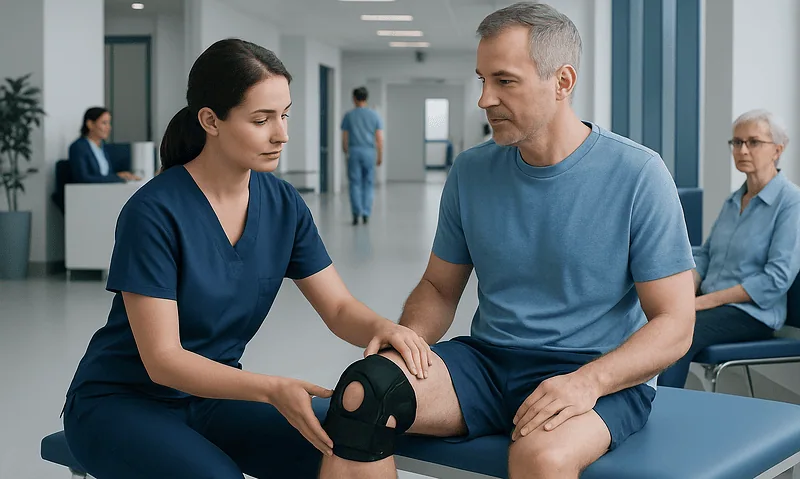
Joint Replacement Recovery: A Week-by-Week Timeline

Early walking and guided physiotherapy are central parts of joint replacement recovery. Pain, swelling, tiredness and sleep disruption are common during the first weeks and should gradually improve.
Key Takeaways
- Early walking and guided physiotherapy are central parts of joint replacement recovery.
- Pain, swelling, tiredness and sleep disruption are common during the first weeks and should gradually improve.
- Knee replacement often requires more intensive early bending and strengthening work than hip replacement.
- Recovery is individual; age, fitness, other health conditions and the type of joint surgery can affect the pace.
- Sudden worsening pain, fever, wound drainage, chest pain or shortness of breath need urgent medical assessment.
Joint replacement recovery begins immediately after surgery with pain control, safe movement and rehabilitation, then continues through gradual improvements in walking, strength and confidence over several months. Most people make meaningful progress in the first 6 to 12 weeks, but full recovery varies with the joint treated, overall health, surgical approach and commitment to rehabilitation.
Overview: What Joint Replacement Recovery Involves
Joint replacement recovery is a staged process of healing after an arthritic or damaged joint is replaced with prosthetic components. The first goal is to protect the surgical area while helping the person get out of bed, manage pain and begin moving safely. Over the following weeks and months, rehabilitation focuses on restoring mobility, muscle control, balance and the ability to return to daily activities.
The timeline differs between hip, knee, shoulder and other joint replacements. A person having a hip replacement may find walking becomes comfortable relatively quickly, while someone recovering from knee replacement may need more time to regain bending and straighten the knee. Progress is rarely perfectly linear: a more active day can temporarily increase swelling or soreness.
Joint replacement is usually considered when pain and loss of function from arthritis, injury or another joint condition continue despite nonsurgical care. For people exploring surgery, joint replacement surgery may be discussed after a clinical examination, imaging and shared decision-making with an orthopedic specialist.
How Joint Replacement Works and Who May Be a Candidate
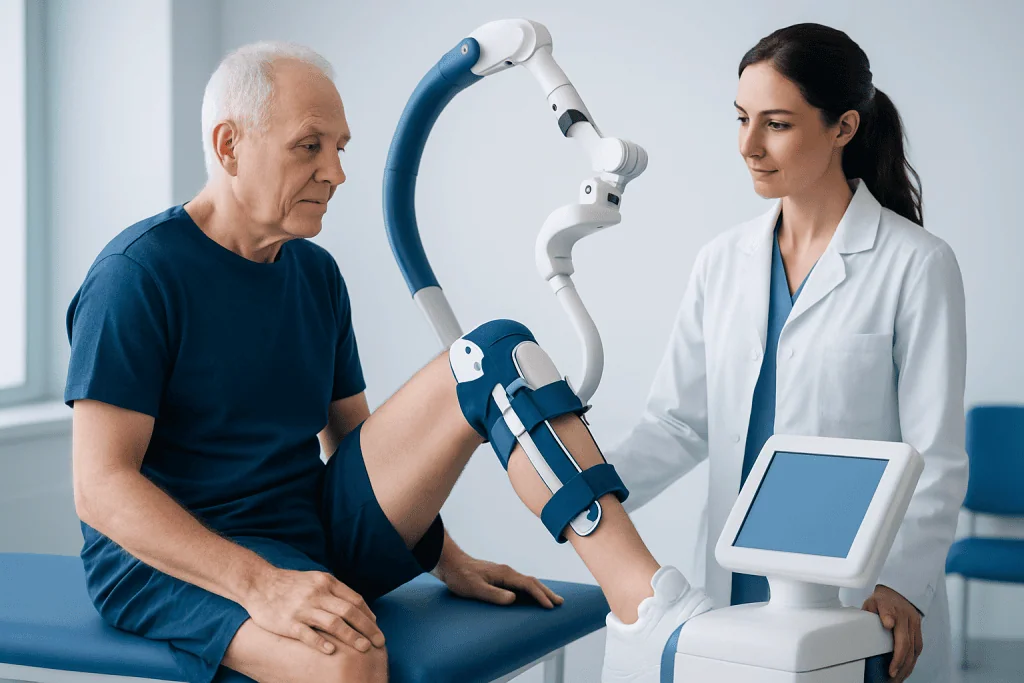
During joint replacement, the surgeon removes damaged cartilage and bone surfaces and replaces them with carefully fitted artificial components. These may be made from metal alloys, ceramic and durable medical-grade plastic. Depending on the joint and the extent of disease, surgery may replace the whole joint or only one damaged compartment.
Potential candidates commonly have persistent joint pain, stiffness, reduced walking or self-care ability, disturbed sleep, or difficulty participating in work and valued activities. The decision is not based on an X-ray alone. Symptoms, physical examination findings, response to conservative treatment, health history and personal goals all matter.
Before surgery, the care team reviews medical conditions, medications, allergies and infection risk. Stopping smoking, improving nutrition where needed, arranging support at home and building strength through prehabilitation may support recovery. Not everyone needs surgery immediately; physical therapy, weight management where appropriate, activity modification and medicines may help some people manage symptoms first.
What Happens During the Procedure and Early Hospital Stay

Joint replacement is performed under anesthesia. The surgical team makes an incision, prepares the damaged joint surfaces, positions the replacement components and checks stability and movement before closing the wound. The exact technique, incision length and expected hospital stay depend on the joint, the surgical plan and the person’s health needs.
After surgery, clinicians monitor circulation, sensation, pain, nausea and the wound. Modern recovery pathways commonly encourage standing and taking a few supported steps on the day of surgery or the following day, when medically appropriate. A physiotherapist teaches safe transfers, walking with a walker or crutches, and exercises designed for the operated joint.
Before discharge, patients and caregivers receive individualized instructions about wound care, medicines, activity restrictions, blood-clot prevention and follow-up appointments. Some people return home quickly with outpatient or home-based rehabilitation; others benefit from a longer hospital stay or short-term rehabilitation support.
- Use walking aids exactly as advised.
- Take prescribed medicines only as directed and discuss side effects promptly.
- Attend rehabilitation sessions and perform approved home exercises.
- Ask the surgical team before driving, bathing, lifting or returning to work.
Joint Replacement Recovery: A Practical Week-by-Week Timeline
Days 0 to 7: The focus is pain control, safe mobility and protecting the surgical wound. Swelling, bruising, fatigue and interrupted sleep are common. Many people can walk short distances with a walker or crutches, perform basic transfers and begin simple exercises. They may still need help with meals, dressing, bathing and household tasks.
Weeks 2 to 4: Walking distance, confidence and independence often improve. The person may transition to a cane when the clinician or physiotherapist confirms that gait and balance are safe. Knee replacement rehabilitation commonly emphasizes regaining extension and bending, while hip recovery may focus on walking mechanics, hip strength and following any movement precautions advised by the surgeon.
Weeks 5 to 8: Many people are managing more daily tasks and can take longer walks, though swelling and stiffness may still occur after activity. Physiotherapy typically progresses toward strength, range of motion, balance and stair practice. Return to desk-based work may be possible for some people, but timing depends on recovery, transport, job demands and clinician advice.
Weeks 9 to 12 and beyond: Continued strengthening and gradual endurance work help refine function. Many patients return to low-impact activities such as walking, stationary cycling, swimming after the wound has healed and the team has approved it, or other individualized exercise. Further gains can continue for 6 to 12 months, particularly after knee replacement.
What Week Is the Hardest After Knee Replacement?
For many people, the first week after knee replacement is the hardest because pain, swelling, tiredness and the need to begin exercises occur at the same time. The second and third weeks can also feel challenging as activity increases while the knee remains stiff and swollen. There is no single experience that applies to everyone.
Early knee exercises can be uncomfortable, but they are important for restoring motion and preventing prolonged stiffness. The rehabilitation team can adapt the plan if pain is preventing exercise, if swelling is excessive or if a person is struggling with mobility. Using ice or cold therapy only as advised, elevating the leg when resting, pacing activities and taking prescribed pain relief appropriately may help.
Recovery should show an overall trend toward improvement, even if individual days vary. A sudden major increase in pain, new redness, drainage or inability to bear weight should be reported rather than assumed to be a normal part of rehabilitation.
What Should I Be Able to Do 1 Week After Total Knee Replacement?
At one week after total knee replacement, many people can get in and out of bed, use the toilet, walk short distances with a walker or crutches, and complete basic prescribed exercises. They may be able to manage a few steps or stairs if this has been taught safely by a physiotherapist. However, they are usually not ready for long walks, driving, heavy household work or unsupported walking.
The knee is commonly swollen, bruised and stiff at this stage. Daily function depends on factors such as preoperative mobility, age, strength, the home environment, other medical conditions and whether there is support from family or caregivers. The treating team sets individualized goals rather than expecting every patient to meet the same milestone.
Patients should focus on safe, frequent movement, rest between activities, wound care and the home exercise plan. It is important to use any mobility aid until a clinician confirms that it is safe to reduce or stop using it.
How Painful Is a Hip Replacement on a Scale of 1 to 10?
A single pain score cannot reliably predict how painful hip replacement will be for an individual. In the first days, pain can be moderate to severe for some people, but it is usually managed with a planned combination of medications, anesthesia techniques, ice or other non-drug measures, positioning and gradual movement. Pain should become more manageable as healing progresses.
Rather than aiming for no pain at all, the care team aims to make pain controlled enough for sleep, breathing comfortably, walking safely and participating in rehabilitation. People should tell their clinicians if pain is not controlled, if medicines cause troubling side effects, or if pain suddenly worsens after it had been improving.
Many patients find that the surgical discomfort becomes preferable to the persistent joint pain they had before surgery, although this comparison varies. Keeping expectations realistic and following the rehabilitation plan can help recovery feel more manageable.
Which Joint Replacement Is the Hardest to Recover From?
There is no universal answer because recovery depends on the individual, the reason for surgery, the complexity of the procedure, muscle strength and rehabilitation access. In general, total knee replacement is often described as more demanding in the early months than total hip replacement because the knee can remain swollen and stiff while patients work intensively on bending, straightening and quadriceps strength.
Shoulder replacement can be challenging in a different way because the arm may be protected in a sling initially and recovery relies on carefully timed rehabilitation. Revision surgery, in which a previous implant is repaired or replaced, may also involve a longer or more complex recovery than a first-time joint replacement.
The most useful comparison is not which operation is “hardest,” but what recovery plan best fits the person’s joint, health needs and goals. A surgeon and physiotherapist can explain expected milestones and restrictions for the planned procedure.
Benefits, Risks and When to Seek Medical Care
Potential benefits of joint replacement include less joint pain, improved mobility, better sleep and greater ability to take part in daily activities. Outcomes depend on the underlying condition, implant position, healing, rehabilitation and the person’s overall health. Maintaining regular movement and muscle strength after recovery can support long-term joint function.
As with any major operation, there are risks. These include infection, blood clots, bleeding, nerve or blood-vessel injury, stiffness, dislocation in certain joint replacements, persistent pain, implant wear or loosening, and the possible need for further surgery. The surgical team discusses individual risks before treatment and uses preventive measures such as early mobilization and, when appropriate, medication to reduce clot risk.
When to seek medical care: Contact the surgical team urgently for increasing wound redness, warmth, swelling, drainage, fever, rapidly worsening pain, new calf pain or marked leg swelling. Seek emergency care for chest pain, shortness of breath, fainting, coughing blood, sudden weakness or other severe symptoms. These signs do not always mean a serious complication, but they need prompt assessment.
Acibadem International’s multidisciplinary orthopedic and rehabilitation specialists at JCI-accredited hospitals support diagnosis, surgery and follow-up care for international patients. A planned follow-up schedule remains important even when recovery appears to be progressing well.
Frequently asked questions
How long does joint replacement recovery take?
Many people make substantial functional progress within 6 to 12 weeks, but recovery continues beyond that point. It may take 6 to 12 months to reach the best expected result, especially after knee replacement. The exact pace varies by joint, procedure, health status and rehabilitation progress.
When can a person walk without a walker after joint replacement?
Some patients transition from a walker to a cane within a few weeks, while others need longer. The decision should be based on safe balance, strength and walking pattern rather than a fixed date. Stopping an aid too soon can increase the risk of a fall or poor walking mechanics.
Is swelling normal after knee or hip replacement?
Some swelling is common in the first weeks and can increase after exercise or prolonged standing. It should generally improve with time, rest and the measures recommended by the care team. New severe swelling, calf pain, redness or shortness of breath needs urgent medical assessment.
When can someone drive after joint replacement?
Driving should wait until the person is no longer taking sedating pain medicine and can safely control the vehicle, including performing an emergency stop. Timing varies with the operated joint, the side of surgery, vehicle type and individual recovery. The surgeon should provide specific clearance.
What exercises are safe after joint replacement?
The safest exercises are those prescribed by the physiotherapist for the specific joint and stage of healing. Early programs commonly include gentle range-of-motion, muscle activation, walking and circulation exercises. Higher-impact exercise or unapproved movements should be avoided until the clinician says they are appropriate.
Can joint replacement pain return after surgery?
Temporary soreness during rehabilitation is common, but persistent or returning pain should be discussed with a clinician. Causes can include overactivity, soft-tissue irritation, stiffness, problems in nearby joints or less commonly a complication involving the implant. Assessment helps identify the cause and guide treatment.
References
- American Academy of Orthopaedic Surgeons
- National Institute of Arthritis and Musculoskeletal and Skin Diseases
- National Health Service
- Centers for Disease Control and Prevention
- American Association of Hip and Knee Surgeons
This article is for general information only and is not a substitute for professional medical advice. Please consult a qualified doctor about your individual situation.
Joint Replacement in Turkey — costs, top hospitals & a free quote
JCI-accredited · board-certified surgeons · reply within 24h
Add us as a Preferred Source to see more of our trusted health content across Google Search, AI Overviews and Discover.

Orthopedics & Spine
Care for bones, joints and the musculoskeletal system, including joint replacement, sports injuries and trauma.
125 specialists in this unit