Kaleidoscope Vision: An Evidence-Based Guide for Patients

Kaleidoscope vision usually refers to a temporary pattern of shimmering, zigzag, or mosaic-like visual changes. A common cause is migraine aura, which may happen with or without a headache.
Key Takeaways
- Kaleidoscope vision usually refers to a temporary pattern of shimmering, zigzag, or mosaic-like visual changes.
- A common cause is migraine aura, which may happen with or without a headache.
- Symptoms in one eye only, sudden vision loss, or symptoms with weakness or trouble speaking need urgent medical care.
- Doctors diagnose the cause through a symptom history, eye examination, and sometimes brain or blood vessel imaging.
- Treatment depends on the cause and may include migraine management, eye care, or urgent stroke evaluation when warning signs are present.
Kaleidoscope vision describes a temporary visual disturbance that can look like shimmering, zigzag, or fractured patterns in part of the sight picture. It is often related to migraine aura, but because similar symptoms can sometimes signal an eye problem or a circulation issue, persistent, new, or one-sided symptoms should be assessed by a doctor.
What kaleidoscope vision means
Kaleidoscope vision is not a disease itself. It is a descriptive term people use when vision briefly looks fractured, shimmering, or filled with bright geometric shapes, zigzags, or patches of distortion. Some people notice a crescent of flickering light, while others describe a mosaic, ripples, or a “broken glass” effect.
In many cases, kaleidoscope vision is caused by a migraine aura. Auras happen when temporary changes in brain activity affect visual processing. This can occur before a migraine headache, during the headache, or without any headache at all. The experience can feel dramatic, but it often goes away on its own within minutes.
Still, not every visual disturbance is a migraine. Similar symptoms can also occur with retinal problems, reduced blood flow, medication effects, or neurological conditions. That is why the pattern, timing, and whether one or both eyes are involved matter when deciding how urgent the problem may be.
How kaleidoscope vision can look and feel
People often describe kaleidoscope vision in different ways, but several features are common. The change is usually temporary and may spread slowly across the visual field. It may affect central vision, side vision, or both. Sometimes there is a blind spot in the middle of the pattern.
Visual symptoms may include:
- Shimmering or sparkling lights
- Zigzag or jagged lines
- Geometric or mosaic-like shapes
- Blurred or warped areas of vision
- A temporary blind spot or scotoma
- Difficulty reading or focusing during the episode
Some episodes happen in both eyes, even if the disturbance seems stronger on one side of the visual field. This pattern is more typical of migraine aura because the brain, not the eye itself, is generating the visual effect. By contrast, symptoms truly limited to one eye may suggest a retinal or optic nerve issue and should be taken seriously.
During an episode, a person may also have sensitivity to light, nausea, or a headache. Others feel completely well apart from the visual change. Keeping note of what was seen, how long it lasted, and whether covering one eye changed the experience can help a doctor identify the cause.
Common causes and possible triggers

The most common explanation for kaleidoscope vision is migraine aura. In this setting, the visual symptoms come from a temporary wave of altered nerve activity in the brain’s visual areas. This type of episode may occur in people with a history of migraine, but it can also appear later in life or happen without a severe headache. Related symptoms may overlap with migraine patterns.
Other causes are less common but important to rule out. These include retinal migraine, vitreous or retinal problems, transient ischemic attack, occipital lobe seizures, and side effects from some medicines. Very low blood sugar, dehydration, stress, poor sleep, and hormonal shifts may also contribute to symptoms in some people.
Typical migraine-related triggers vary from person to person. They may include skipped meals, bright lights, emotional stress, lack of sleep, certain foods, alcohol, or prolonged screen exposure. Identifying patterns can help reduce future episodes, although not every event has a clear trigger.
If kaleidoscope vision is new, unusually frequent, longer-lasting, or accompanied by other neurological symptoms, doctors may look beyond migraine to exclude other causes. This is especially important in older adults or anyone with vascular risk factors such as high blood pressure, diabetes, or smoking.
When it may be an emergency
Kaleidoscope vision is often benign when it follows a familiar migraine pattern and resolves fully. However, certain symptoms should not be ignored because they may suggest a retinal emergency, stroke, or another urgent condition. A key warning sign is vision loss in one eye, especially if it is sudden, dark, or curtain-like rather than shimmering.
Urgent medical care is needed if visual symptoms come with weakness, numbness, facial drooping, trouble speaking, confusion, severe dizziness, or a sudden severe headache. These can be signs of stroke or another neurological emergency. Care is also important if the episode lasts longer than usual, does not fully resolve, or occurs after head injury.
Medical review is also sensible for a first-ever episode, a major change in the usual pattern, repeated attacks over a short time, or new symptoms after age 50. Eye pain, redness, flashes with many new floaters, or loss of part of the visual field may point to an eye condition that needs prompt assessment.
How doctors diagnose the cause
Diagnosis begins with a careful symptom history. Doctors usually ask what the visual disturbance looked like, how long it lasted, whether it affected one eye or both, and whether headache or other symptoms followed. It can help if the person draws the pattern they saw or records details soon after the episode.
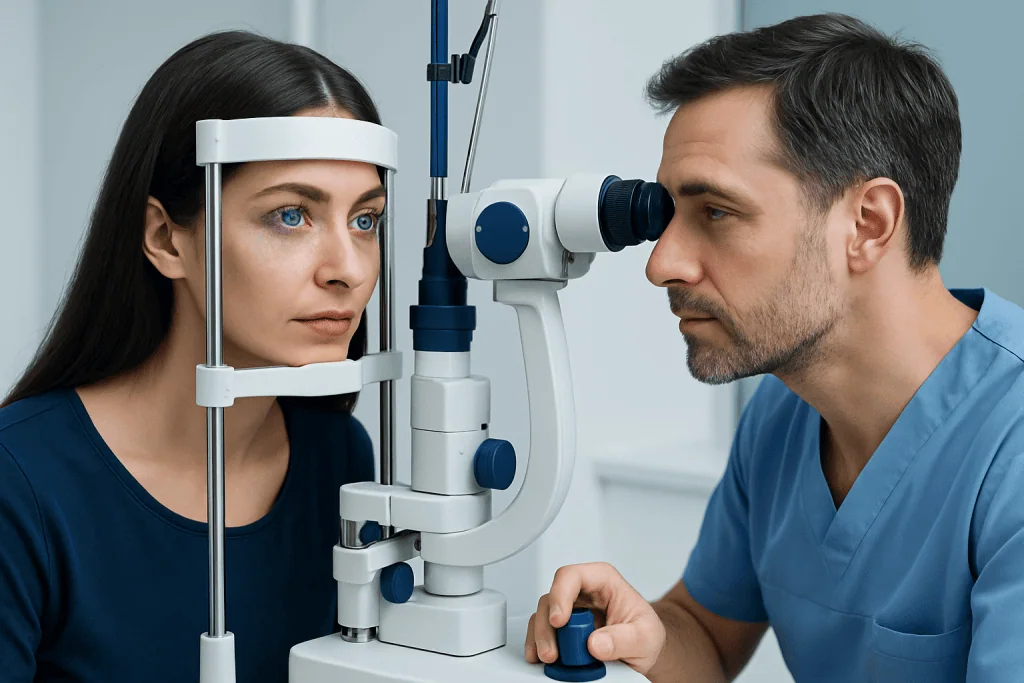
An eye examination may include visual acuity testing, pupil checks, retinal examination, and sometimes visual field testing. If symptoms suggest an eye cause, further evaluation by an ophthalmologist may be needed. In some cases, retinal imaging helps rule out structural problems.
When doctors are concerned about a neurological or vascular cause, they may recommend brain imaging or blood vessel imaging, such as MRI scanning or CT scanning. Tests are chosen based on the person’s age, risk factors, examination findings, and whether the symptoms fit a typical migraine aura.
Sometimes blood tests or heart rhythm evaluation are advised, especially if transient ischemic attack is a concern. The goal is not simply to label the symptom, but to separate a common benign cause from conditions that need urgent treatment.
Treatment options and symptom management
Treatment depends entirely on the underlying cause. If kaleidoscope vision is linked to migraine aura, care focuses on identifying triggers, managing headache symptoms if present, and considering preventive treatment when attacks are frequent or disruptive. A clinician may also advise resting in a quiet, dim environment until symptoms pass.
People with migraine-related visual aura may benefit from regular sleep, hydration, consistent meals, and limiting known personal triggers. If attacks are recurrent, a neurologist may discuss migraine-specific treatment plans. Some patients are evaluated in dedicated services for headaches and aura symptoms, including migraine treatment.
If the cause is eye-related, management may involve urgent ophthalmic treatment. If a transient ischemic attack or stroke-like event is suspected, emergency care is essential to reduce the risk of complications. Treatment then focuses on restoring or protecting blood flow and addressing underlying risk factors.
Near the end of the diagnostic process, patients may be referred across specialties. This can include ophthalmology, neurology, and sometimes services involved in stroke rehabilitation after a confirmed vascular event. At Acibadem International, multidisciplinary specialists in JCI-accredited hospitals evaluate and treat patients with visual and neurological symptoms, including international patients who need coordinated care.
Self-care, prevention, and tracking patterns
Although not every episode can be prevented, self-care can reduce the frequency of migraine-related visual symptoms for some people. Daily routines matter. Regular sleep, adequate fluids, balanced meals, stress management, and breaks from prolonged screen use may all help support stability.
Many patients find a symptom diary useful. Recording the date, duration, what was seen, any headache, foods eaten, stress level, menstrual timing, medicines, and sleep quality can reveal personal triggers over time. This information can also make medical visits more productive.
General health habits are also important because some visual symptoms relate to circulation rather than migraine. Managing blood pressure, cholesterol, blood sugar, and smoking risk can support eye and brain health. People should not stop or change prescribed medicines without asking their doctor, but they should report any new symptoms after starting a medication.
Self-care is supportive, not a substitute for assessment. Persistent, unexplained, or changing vision symptoms should always be discussed with a qualified healthcare professional.
When to seek medical care
Prompt medical assessment is recommended for a first episode of kaleidoscope vision, episodes that become more frequent, or any pattern that is changing. Evaluation is especially important if symptoms are truly in one eye only, last longer than about an hour, or leave lingering blurred vision.
Emergency care is needed if visual symptoms occur with weakness, numbness, trouble speaking, severe imbalance, fainting, or a sudden severe headache. Sudden darkening of vision, a curtain-like shadow, or many new floaters and flashes also deserve urgent attention because they can signal an eye emergency.
For known migraine sufferers, a familiar short-lived aura may be less concerning, but a clinician should still review it if the pattern changes. When in doubt, it is safer to seek medical advice than to assume a visual disturbance is only a migraine.
Frequently asked questions
Is kaleidoscope vision the same as an ocular migraine?
Not exactly. Kaleidoscope vision is a symptom description, while ocular migraine is a term people may use for certain migraine-related visual disturbances. Doctors often try to distinguish between visual aura coming from the brain and symptoms truly arising from one eye.
How long does kaleidoscope vision usually last?
Migraine-related visual aura often lasts from about 5 to 60 minutes. If symptoms last much longer, do not fully resolve, or keep recurring in an unusual pattern, medical assessment is important.
Can kaleidoscope vision happen without a headache?
Yes. Some people have visual aura without any headache before, during, or after the episode. This can still be related to migraine, but first-time or changing symptoms should be checked by a doctor.
Should someone go to the emergency room for kaleidoscope vision?
Emergency care is appropriate if the visual change is sudden and comes with weakness, trouble speaking, facial drooping, severe headache, or loss of vision in one eye. These features may suggest a stroke or an urgent eye problem rather than a typical migraine aura.
Is kaleidoscope vision a sign of stroke?
It can be, but often it is not. Many episodes are caused by migraine aura, yet stroke and transient ischemic attack can also cause sudden visual changes, especially when other neurological symptoms are present.
Can stress or screens trigger kaleidoscope vision?
They can in some people, particularly if the underlying cause is migraine. Stress, lack of sleep, bright light, and prolonged screen time may contribute, but triggers are individual and are not the same for everyone.
This article is for general information only and is not a substitute for professional medical advice. Please consult a qualified doctor about your individual situation.
Joint and spine care in Turkey — expert assessment & treatment
JCI-accredited · board-certified surgeons · reply within 24h
Add us as a Preferred Source to see more of our trusted health content across Google Search, AI Overviews and Discover.
Check your numbers in seconds
BMI, calories, due date, blood pressure and 30+ more clinical calculators — free, instant, doctor-reviewed ranges.

More from the Health Library

Cardiac Glycosides: What Patients Need to Know

After Swx — Explained by Medical Evidence, Not Myths

Pink Eye Contagious — Explained by Medical Evidence, Not Myths

Alpha Hydroxy Acid — Explained by Medical Evidence, Not Myths

Parentification: A Complete Medical Overview