Kegels for Prolapsed Uterus Explained: Causes, Management, and When to See a Doctor

Kegel exercises may improve symptoms of mild uterine prolapse by strengthening pelvic floor support. Kegels are most effective when the correct muscles are used and the exercises are done consistently.
Key Takeaways
- Kegel exercises may improve symptoms of mild uterine prolapse by strengthening pelvic floor support.
- Kegels are most effective when the correct muscles are used and the exercises are done consistently.
- A prolapsed uterus does not always need surgery; treatment may include observation, pelvic floor therapy, a pessary, or surgery.
- Worsening bulging, pain, bleeding, urinary retention, or bowel problems should be assessed by a doctor.
- Self-care such as avoiding heavy straining, treating constipation, and maintaining a healthy weight can support recovery and symptom control.
Kegels for prolapsed uterus can be useful, especially in mild cases, because they strengthen the pelvic floor and may reduce pressure, bulging, and leakage symptoms. They do not cure every prolapse, so treatment depends on the severity of the prolapse, symptoms, and a woman’s overall health and goals.
Overview: Do Kegels Help a Prolapsed Uterus?
Kegels for prolapsed uterus can help many women, particularly when the prolapse is mild or in its earlier stages. These exercises strengthen the pelvic floor muscles, which support the uterus, bladder, and bowel. When these muscles work better, some women notice less heaviness, fewer urine leaks, and improved day-to-day comfort.
At the same time, Kegels are not a complete fix for every case. They usually do not fully reverse a more advanced uterine prolapse, and they cannot repair stretched connective tissue on their own. For that reason, they are best understood as one part of management rather than a universal cure.
A prolapsed uterus happens when the uterus drops down from its usual position into the vagina because support structures weaken. This is one type of pelvic organ prolapse. It may occur alone or together with related conditions affecting the bladder or rectum, sometimes discussed under pelvic organ prolapse.
The most helpful next step is an accurate assessment. A doctor or pelvic floor specialist can confirm whether symptoms are due to uterine prolapse, determine how advanced it is, and advise whether Kegels, physical therapy, a pessary, or another treatment plan is most suitable.
Symptoms of a Prolapsed Uterus
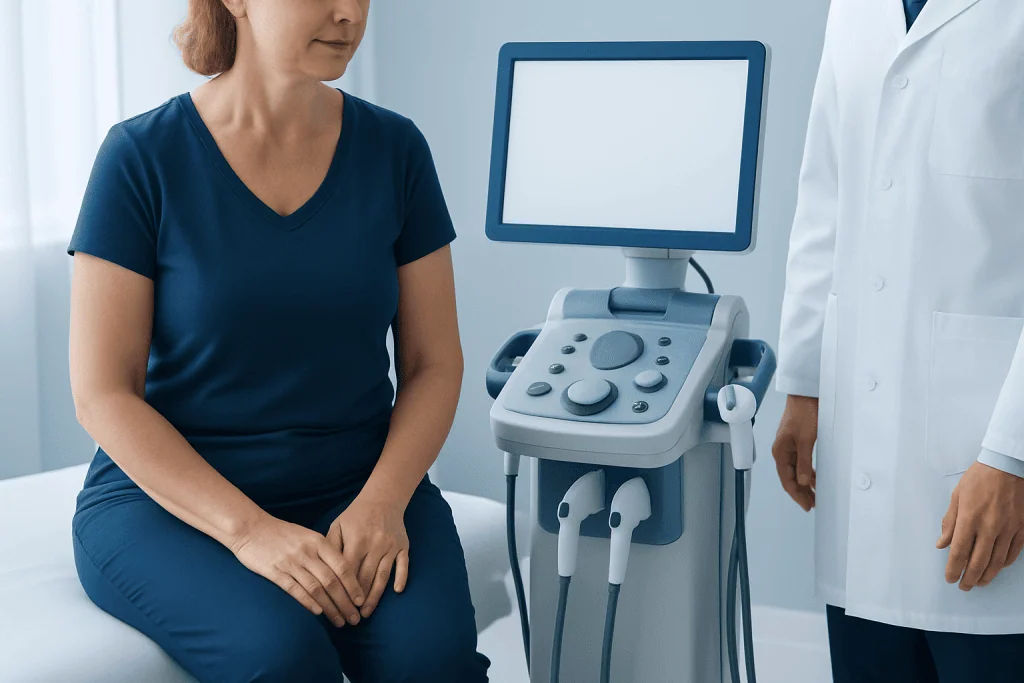
Symptoms vary from very mild to more noticeable. Some women feel a sense of pressure, pulling, or fullness in the pelvis. Others describe a bulge in the vagina, discomfort when standing for long periods, or a feeling that something is “falling out.” Symptoms often become more noticeable later in the day or after lifting, coughing, or straining.
Urinary and bowel symptoms can also happen because the pelvic organs support each other. A woman may have urine leakage, trouble fully emptying the bladder, frequent urination, constipation, or the need to strain during bowel movements. Sexual discomfort may occur as well, though many women can still have a normal sex life with proper management.
In some cases, there are few or no symptoms, and the prolapse is found during a routine exam. In others, symptoms overlap with bladder prolapse or stress incontinence, which is why medical evaluation matters. Similar symptoms can be seen in urinary incontinence, but the cause and treatment may be different.
Symptoms that interfere with work, exercise, intimacy, sleep, or confidence are worth discussing with a clinician. Even when prolapse is not dangerous, the effects on quality of life are important and treatable.
Causes and Risk Factors
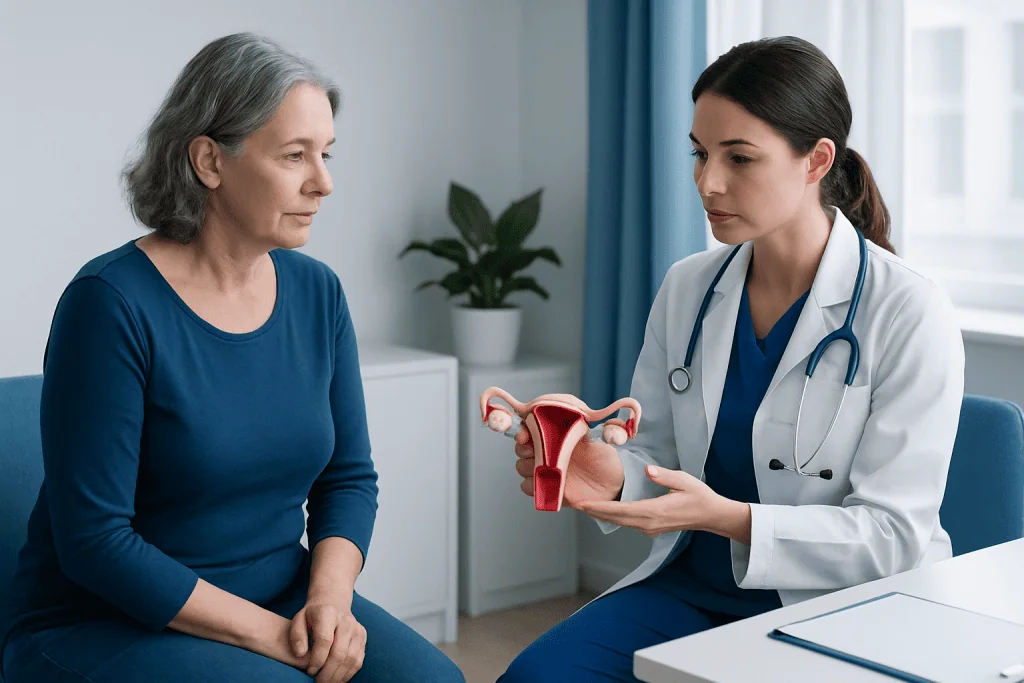
Uterine prolapse develops when the muscles, ligaments, and connective tissues that support the uterus weaken over time. Pregnancy and vaginal childbirth are well-known contributors because they stretch and sometimes injure the pelvic floor. A difficult delivery, a large baby, or repeated births can increase this risk, but prolapse can also affect women who have never given birth.
Hormonal changes after menopause can play a role because lower estrogen levels may affect tissue strength and elasticity. Aging itself is another factor, as support tissues naturally change over time. Family history may also matter, since some women inherit weaker connective tissue.
Pressure inside the abdomen can gradually worsen pelvic support. Common contributors include chronic constipation, frequent heavy lifting, a long-term cough, obesity, and activities that involve repeated straining. This does not mean exercise is harmful; in fact, appropriate exercise is often beneficial, but technique and load can matter.
Understanding risk factors helps explain why Kegels are useful but not the whole answer. Strengthening muscle support is important, yet reducing ongoing strain is equally important. A complete plan often includes pelvic floor training together with lifestyle changes and symptom-based treatment when needed.
How to Do Kegels Correctly
Kegels work by contracting and relaxing the pelvic floor muscles. The right muscles are the ones used to stop urine flow or prevent passing gas. However, regularly practicing during urination is not advised because it can interfere with normal bladder emptying. Instead, the exercises should be done with an empty bladder while sitting, lying down, or standing.
To begin, a woman gently tightens the pelvic floor as if lifting the muscles upward inside the pelvis, holds briefly, then fully relaxes. The abdomen, thighs, and buttocks should stay as relaxed as possible, and breathing should remain steady. Good technique matters more than squeezing hard.
Many women are unsure whether they are using the correct muscles. If Kegels are done incorrectly, they may be ineffective or even increase tension in surrounding muscles. A pelvic floor physiotherapist can assess muscle function and guide a personalized exercise program, sometimes using biofeedback to improve accuracy.
Consistency is important because pelvic floor muscles usually need time and regular training to improve. A clinician may also suggest a supervised pelvic floor rehabilitation program if symptoms are persistent, if the diagnosis is unclear, or if home exercises have not helped enough.
Diagnosis and How Severity Is Assessed
Diagnosis starts with a medical history and pelvic examination. The doctor asks about symptoms, childbirth history, bowel and bladder function, menopause status, and activities that may increase abdominal pressure. During the exam, the woman may be asked to cough or bear down so the prolapse can be seen more clearly.
Clinicians usually assess which organ is involved, how far the tissue descends, and whether there is associated bladder or bowel prolapse. This helps separate uterine prolapse from other pelvic floor problems. In some cases, urinary tests, ultrasound, or other evaluations are used if symptoms suggest additional conditions.
Severity matters because it affects treatment choices. Mild prolapse with manageable symptoms may respond well to pelvic floor training and lifestyle changes. More advanced prolapse may still benefit from exercise, but added support such as a pessary or surgery may be needed to provide lasting relief.
An accurate diagnosis also protects against self-treatment delays. A vaginal bulge, bleeding, pelvic pain, or bladder symptoms are not always caused by prolapse alone. A proper examination makes sure nothing more serious is missed and that treatment matches the real problem.
Treatment Options Beyond Kegels
Treatment depends on symptoms, the stage of prolapse, age, plans for future pregnancy, sexual activity, and personal preference. If symptoms are mild, watchful waiting combined with Kegels, constipation management, and avoiding heavy straining may be enough. Some women remain stable for long periods with conservative care.
A vaginal pessary is a common non-surgical option. This removable device sits in the vagina and helps support the uterus and surrounding organs. It can reduce pressure and bulging symptoms, and it is especially useful for women who want to avoid or delay surgery, are not good surgical candidates, or need symptom control while strengthening the pelvic floor.
When symptoms are significant or prolapse is advanced, surgery may be considered. The type of operation depends on the exact anatomy and the woman’s goals. In selected cases, care may involve procedures related to urogynecology and, when appropriate, an operation such as hysterectomy if the uterus is to be removed.
Near the end of the care pathway, some women seek evaluation at centers with multidisciplinary pelvic floor expertise. Acibadem International’s specialists at JCI-accredited hospitals evaluate and treat uterine prolapse for international patients, with plans tailored to the woman’s symptoms and examination findings.
Prevention and Self-Care
Not every case of prolapse can be prevented, but daily habits can support the pelvic floor and may reduce symptom progression. Regular pelvic floor exercise is one part of prevention, especially after childbirth or around menopause. Keeping the exercises gentle, controlled, and consistent is often more helpful than doing many repetitions with poor technique.
Reducing strain is equally important. Helpful measures include treating constipation, drinking enough fluids, eating fiber-rich foods, and avoiding prolonged pushing during bowel movements. If there is a chronic cough, it should be medically assessed and treated because repeated coughing can increase pressure on the pelvic floor.
Weight management and sensible lifting habits can also help. When lifting, exhaling and engaging the body without straining may reduce downward pressure. High-impact exercise is not automatically forbidden, but activities should be adapted if they trigger heaviness or bulging.
Postpartum recovery deserves special attention. Women who notice pressure, leakage, or pelvic weakness after birth may benefit from early guidance rather than waiting for symptoms to worsen. A structured recovery plan can be especially useful after complicated delivery, multiple births, or ongoing pelvic symptoms.
When to Seek Medical Care
Medical care is appropriate any time a woman notices a vaginal bulge, persistent pelvic pressure, urinary leakage, difficulty emptying the bladder, constipation linked to pelvic symptoms, or discomfort during sex. These symptoms often have effective treatments, and early assessment may prevent worsening strain and frustration.
Prompt medical attention is especially important if there is vaginal bleeding after menopause, sudden worsening pain, trouble passing urine, repeated urinary infections, or a bulge that remains outside the vagina and becomes sore or irritated. These symptoms do not always mean an emergency, but they should not be ignored.
Women should also seek help if they have been doing Kegels for several weeks or months without improvement, or if they are unsure whether they are performing the exercises correctly. Supervised therapy can make a meaningful difference because pelvic floor problems are not always solved by exercises alone.
A reassuring point is that prolapse is common and treatable. Getting medical advice does not automatically mean surgery. For many women, the goal is symptom relief, better bladder and bowel function, and a return to comfortable daily activities with the least invasive approach that works.
Frequently asked questions
Can Kegels cure a prolapsed uterus?
Kegels can improve support from the pelvic floor muscles and may reduce symptoms, especially in mild prolapse. However, they do not reliably reverse every prolapse or repair all stretched support tissues. A doctor can advise whether exercises alone are enough.
How long does it take for Kegels to help a prolapsed uterus?
Pelvic floor exercises usually need regular practice over weeks to months before improvement is noticed. The timeline varies based on severity, technique, and whether other issues such as constipation or chronic coughing are also addressed. Supervised pelvic floor therapy may help results come more reliably.
Can a prolapsed uterus get worse if it is not treated?
It can stay stable in some women, but it may gradually worsen in others, especially if straining continues. Symptoms can become more noticeable over time, including bulging, pressure, bladder problems, or bowel difficulties. Early assessment helps guide the most appropriate management.
Are Kegels safe to do every day?
For most women, Kegels are safe when done correctly and without excessive straining. The pelvic floor also needs relaxation, so over-tightening is not helpful. If exercises cause pain, increased pressure, or uncertainty about technique, professional guidance is recommended.
What if Kegels do not help my symptoms?
If symptoms do not improve, it does not mean treatment has failed overall. The diagnosis may need review, the prolapse may be more advanced, or another pelvic floor problem may be present. A doctor may suggest pelvic floor physiotherapy, a pessary, or surgical treatment depending on the findings.
Is surgery always needed for uterine prolapse?
No, surgery is not always necessary. Many women manage well with exercises, lifestyle changes, and pessary support, particularly when symptoms are mild to moderate. Surgery is usually considered when symptoms are more severe or conservative treatment does not provide enough relief.
References
- American College of Obstetricians and Gynecologists
- National Institute for Health and Care Excellence
- National Institute of Diabetes and Digestive and Kidney Diseases
- Mayo Clinic
- International Urogynecological Association
This article is for general information only and is not a substitute for professional medical advice. Please consult a qualified doctor about your individual situation.
Persistent digestive symptoms? Get evaluated in Turkey
JCI-accredited · board-certified surgeons · reply within 24h
Add us as a Preferred Source to see more of our trusted health content across Google Search, AI Overviews and Discover.