Kidney Disease vs Kidney Stones: How Doctors Tell the Difference
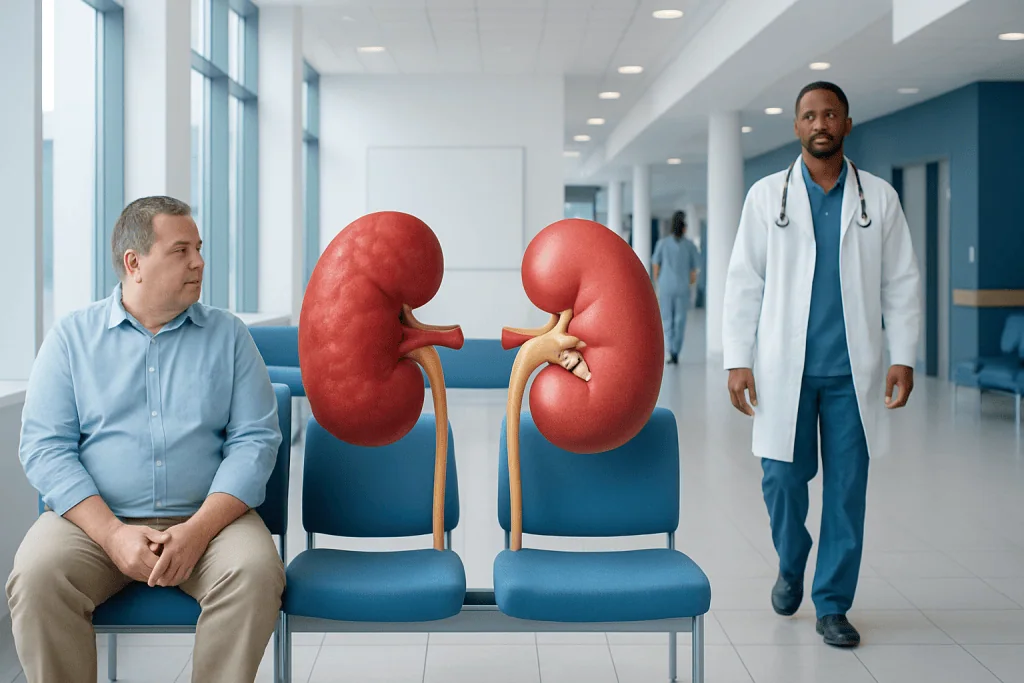
Kidney stones are hard mineral deposits, while kidney disease usually refers to damage that reduces kidney function over time. Stones often cause sudden, severe flank pain, whereas kidney disease may develop quietly with few symptoms at first.
Key Takeaways
- Kidney stones are hard mineral deposits, while kidney disease usually refers to damage that reduces kidney function over time.
- Stones often cause sudden, severe flank pain, whereas kidney disease may develop quietly with few symptoms at first.
- Urine tests, blood tests, ultrasound, and CT scans help doctors distinguish one condition from the other.
- Both conditions can cause blood in the urine, but the overall pattern of symptoms and test results is different.
- Prompt medical evaluation is important for severe pain, fever, vomiting, reduced urination, or signs of kidney failure.
Kidney disease and kidney stones can both affect the kidneys, but they are different conditions with different causes, warning signs, and treatments. Doctors usually tell them apart by combining symptoms, physical examination, urine and blood tests, and imaging studies.
Overview: How Kidney Disease and Kidney Stones Differ
When people hear that a kidney problem is causing pain or abnormal test results, it is natural to wonder whether the issue is kidney disease or kidney stones. Although both involve the kidneys, they are not the same. Kidney stones are solid, crystal-like deposits that form in the urinary tract. Kidney disease is a broader term that usually refers to damage in the kidneys that affects how well they filter blood, balance fluids, and remove waste.
Kidney stones often create a mechanical problem. A stone may block the flow of urine and irritate the urinary tract, leading to sudden pain, blood in the urine, nausea, or urinary symptoms. Kidney disease, especially chronic kidney disease, is more often a functional problem. The kidneys gradually lose their ability to work properly, sometimes without causing noticeable symptoms in the early stages.
Doctors tell the difference by looking at the full picture rather than relying on one symptom alone. The timing and location of pain, the presence of swelling, blood pressure changes, urine findings, blood test results, and imaging all provide important clues. In some cases, a person may even have both conditions at the same time, which makes careful medical assessment especially important.
Symptoms: What Patients May Notice
Kidney stones classically cause sudden, intense pain in the side or back, often below the ribs. The pain may move toward the lower abdomen or groin as the stone travels. Many people describe waves of pain that come and go. Other common symptoms include nausea, vomiting, burning with urination, frequent urination, cloudy urine, and visible blood in the urine.
Kidney disease symptoms are often different. Early kidney disease may cause no symptoms at all and may only be found through routine blood or urine tests. As kidney function declines, symptoms can include fatigue, swelling in the legs or around the eyes, changes in urination, itching, loss of appetite, muscle cramps, high blood pressure, or shortness of breath related to fluid retention.
There can be overlap. Blood in the urine can happen with stones, infection, or some forms of kidney disease. Back discomfort may also be confusing, because not all back pain comes from the kidneys. In general, sudden severe one-sided pain suggests a stone more than kidney disease, while widespread symptoms such as swelling, weakness, and persistent changes in kidney function suggest disease affecting the kidneys more broadly.
- More suggestive of kidney stones: sudden flank pain, pain waves, nausea, urinary urgency, pain that radiates to the groin
- More suggestive of kidney disease: swelling, fatigue, high blood pressure, foamy urine, reduced kidney function on blood tests
- Needs urgent attention in either case: fever, inability to urinate, severe vomiting, confusion, or very little urine output
Causes and Risk Factors
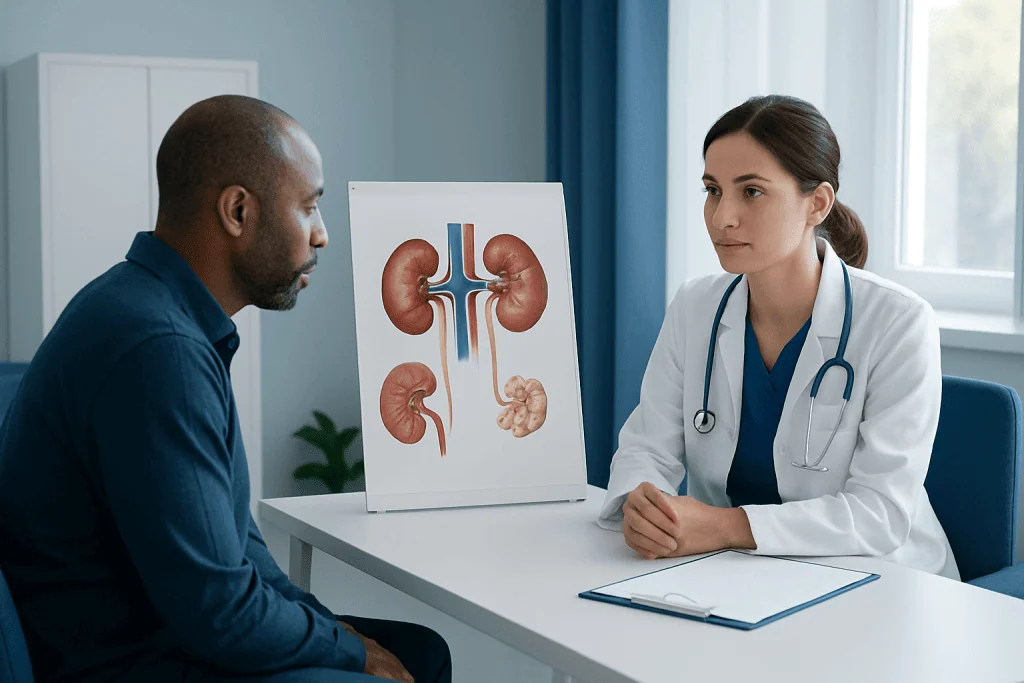
Kidney stones form when certain substances in urine, such as calcium, oxalate, or uric acid, become too concentrated and crystallize. Dehydration is one of the most common risk factors. Other contributors include a diet high in salt, some metabolic conditions, recurrent urinary tract infections, obesity, a family history of stones, and certain medications. Stones can vary in size, composition, and location.
Kidney disease has many possible causes. Diabetes and high blood pressure are among the most common reasons for long-term kidney damage. Other causes include autoimmune disorders, inherited conditions, repeated infections, problems that block urine flow, and side effects from certain medicines. Some people develop acute kidney injury suddenly from dehydration, severe infection, blood loss, or exposure to substances that affect the kidneys.
A blockage from a large stone can sometimes damage the kidney if it is not relieved, so the two conditions are not completely separate. Doctors may also consider other kidney-related conditions when symptoms overlap, including glomerulonephritis or urinary tract obstruction. Understanding risk factors helps guide testing and lowers the chance of missing an important diagnosis.
How Doctors Make the Diagnosis
The diagnostic process usually starts with a medical history and physical examination. Doctors ask when the symptoms started, where the pain is located, whether it comes in waves, and whether there is blood in the urine, fever, or vomiting. They also review medications, personal and family history, and any conditions such as diabetes or high blood pressure that raise the risk of kidney disease.
Urine and blood tests are central to the evaluation. A urine test may show blood, crystals, protein, or signs of infection. Blood tests help assess kidney function by measuring waste products and electrolyte balance. If kidney disease is suspected, doctors may also estimate the glomerular filtration rate and look for patterns that suggest acute or chronic damage.
Imaging is often the clearest way to identify stones and rule out other causes of pain. Ultrasound can show swelling of the kidney and many stones, while a CT scan can provide more detailed information in selected cases. Imaging may also help detect structural kidney problems or obstruction. When a broader assessment of kidney health is needed, a doctor may recommend nephrology evaluation and, in some situations, urinary system diagnostic assessment.
Sometimes diagnosis takes more than one step. For example, a person with blood in the urine might need repeat urine tests, imaging, blood pressure checks, and follow-up kidney function testing. This careful approach helps doctors distinguish a passing stone from underlying kidney disease that needs longer-term care.
Treatment Options: Why the Difference Matters
Treatment depends on the underlying problem. Small kidney stones may pass on their own with hydration, pain relief, and medical follow-up. Larger stones, persistent blockage, infection, or severe symptoms may require procedures to break up or remove the stone. In appropriate cases, doctors may discuss kidney stone treatment to restore urine flow and protect kidney function.
Kidney disease treatment focuses on preserving kidney function and addressing the cause. This may include controlling blood pressure, managing blood sugar, adjusting medications, reducing salt intake, treating inflammation or autoimmune disease, and closely monitoring kidney tests. Some people with advanced kidney failure may eventually need kidney transplant evaluation or other forms of renal replacement therapy, depending on the severity and overall medical situation.
The reason diagnosis matters so much is that treating one condition does not automatically treat the other. A pain medicine plan that helps a stone pass will not correct chronic kidney damage. On the other hand, a person with kidney disease may be harmed if a stone-related blockage or infection is overlooked. Accurate diagnosis allows doctors to choose the safest and most effective care plan.
Prevention and Self-Care
Prevention starts with understanding the specific condition. For kidney stones, staying well hydrated is one of the most helpful steps for many people. Depending on the type of stone, doctors may also advise limiting excess salt, moderating certain foods, or treating metabolic problems that increase stone formation. People who pass a stone may be asked to save it for analysis so prevention can be more personalized.
For kidney disease, prevention usually centers on protecting kidney function over time. Good blood pressure and diabetes control are especially important. Avoiding unnecessary use of medicines that may strain the kidneys, keeping follow-up appointments, and having recommended lab tests can make a meaningful difference. A doctor may also recommend dietary changes based on the stage and cause of kidney disease.
Self-care should never replace professional advice when symptoms are severe or persistent. Drinking large amounts of fluid, for example, may not be appropriate for everyone, especially people with advanced kidney disease or heart conditions. Safe prevention plans work best when they are tailored to the person’s overall health and test results.
When to See a Doctor
Medical evaluation is important whenever there is severe flank pain, blood in the urine, repeated vomiting, fever, chills, or trouble passing urine. These symptoms can signal a stone, infection, blockage, or a more serious kidney problem. Rapid assessment is especially important if pain is intense, one kidney is known to be functioning, or the person is pregnant, older, or medically fragile.
People should also see a doctor for swelling, persistent fatigue, high blood pressure, foamy urine, or changes in urination that last more than a short time. Because kidney disease can develop silently, regular checkups matter for anyone with diabetes, hypertension, a family history of kidney problems, or previous abnormal kidney tests.
Near the end of the diagnostic journey, some patients benefit from coordinated specialist care. Acibadem International’s multidisciplinary specialists in JCI-accredited hospitals diagnose and treat kidney conditions for international patients, including stone disease and chronic kidney problems, when expert evaluation is needed.
Frequently asked questions
Is kidney stone pain the same as kidney disease pain?
Usually not. Kidney stone pain is often sudden, severe, and felt in the side or back, sometimes moving toward the groin. Kidney disease may cause little or no pain, especially early on, and more often shows up through swelling, fatigue, or abnormal test results.
Can kidney stones cause kidney disease?
A stone can sometimes harm the kidney if it causes prolonged blockage, repeated infections, or delayed treatment. Most stones do not cause permanent damage when they are recognized and managed appropriately. Doctors aim to relieve obstruction quickly to protect kidney function.
Can kidney disease be mistaken for kidney stones?
Yes, especially when symptoms overlap, such as blood in the urine or back discomfort. That is why doctors use more than symptoms alone. Urine tests, blood tests, and imaging help separate a stone problem from reduced kidney function or inflammation.
What tests are most useful for telling them apart?
Urinalysis, blood tests for kidney function, and imaging studies are usually the most useful. Ultrasound can identify many stones and signs of blockage, while CT scans can give more detailed information in selected cases. Blood tests help show whether the kidneys are filtering properly.
Do both conditions cause blood in the urine?
Yes, both can. Kidney stones commonly cause blood in the urine because they irritate the urinary tract. Some kidney diseases can also cause blood in the urine, especially when inflammation affects the kidney’s filtering units.
When is it an emergency?
Emergency care is needed for severe pain with fever, shaking chills, inability to urinate, confusion, fainting, or very little urine output. These symptoms may mean infection, blockage, dehydration, or acute kidney injury. Fast treatment is important to prevent complications.
References
- National Kidney Foundation
- National Institute of Diabetes and Digestive and Kidney Diseases
- American Urological Association
- Kidney Disease: Improving Global Outcomes
- Mayo Clinic
This article is for general information only and is not a substitute for professional medical advice. Please consult a qualified doctor about your individual situation.
Kidney Disease in Turkey — costs, top hospitals & a free quote
JCI-accredited · board-certified surgeons · reply within 24h
Add us as a Preferred Source to see more of our trusted health content across Google Search, AI Overviews and Discover.
Check your numbers in seconds
BMI, calories, due date, blood pressure and 30+ more clinical calculators — free, instant, doctor-reviewed ranges.

Organ Transplantation
Kidney, liver and bone-marrow transplantation programs with dedicated coordination.
4 specialists in this unit