Kinds of Body: An Evidence-Based Guide for Patients

There is no single ideal body type; healthy bodies come in many shapes and sizes. Classic body types such as ectomorph, mesomorph, and endomorph are broad descriptions, not medical diagnoses.
Key Takeaways
- There is no single ideal body type; healthy bodies come in many shapes and sizes.
- Classic body types such as ectomorph, mesomorph, and endomorph are broad descriptions, not medical diagnoses.
- Body composition, fitness, sleep, nutrition, and metabolic health matter more than appearance alone.
- Weight gain, weight loss, swelling, or body-shape changes that happen quickly should be medically assessed.
- A doctor may look at waist size, muscle mass, medical history, and lab tests to understand health risks.
Kinds of body usually means the different natural ways bodies are built, including overall frame, fat distribution, and muscle mass. Most body types are healthy variations, but understanding body composition and unexpected changes can help a person know when lifestyle support or medical advice may be useful.
Overview: What Does “Kinds of Body” Mean?
“Kinds of body” is a common way to ask about body types, body shapes, and natural differences in build. In everyday language, it may refer to a person being slim, muscular, broad-framed, curvy, or carrying weight in certain areas. In health care, however, body type is understood more carefully through body composition, fat distribution, muscle mass, bone structure, and overall metabolic health.
Many people have heard of the classic somatotypes: ectomorph, mesomorph, and endomorph. These labels can be useful as simple descriptions, but they do not define a person’s health and they do not predict disease on their own. Most people are a mix of traits rather than fitting neatly into one category.
A patient-friendly, evidence-based view focuses less on appearance and more on how the body functions. Two people with similar weight or shape may have very different health profiles depending on blood pressure, cholesterol, blood sugar, physical activity, sleep, medications, and family history.
For that reason, healthy care should be individualized. A body that is naturally lean, naturally rounder, athletic, tall, short, or differently proportioned can still be healthy. What matters most is whether the body is functioning well and whether any recent changes suggest an underlying condition.
Common Ways Body Types Are Described
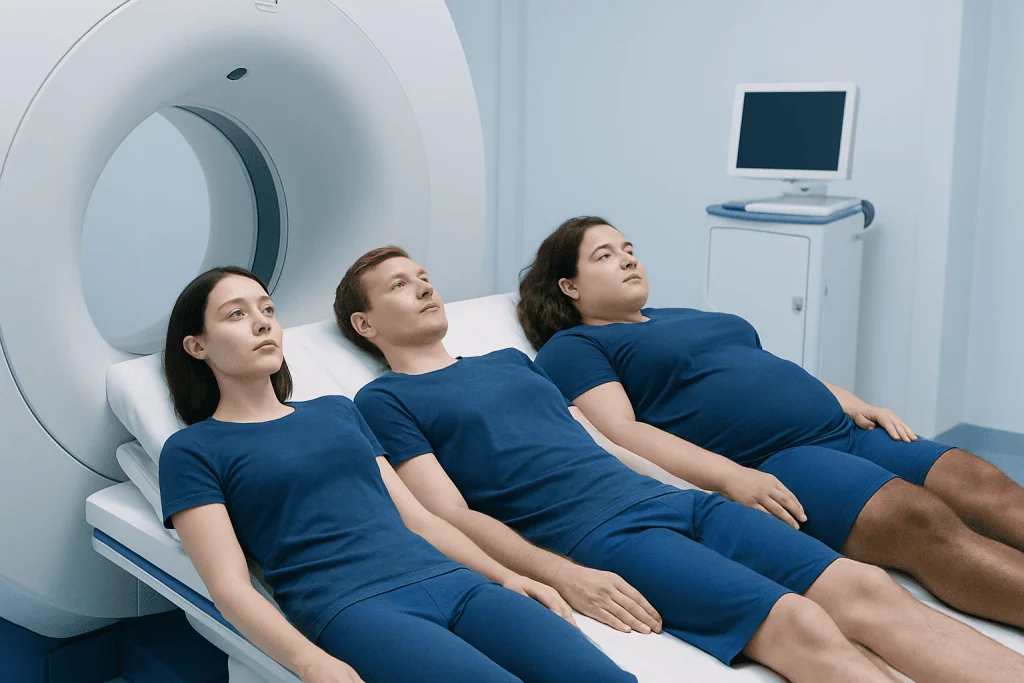
One familiar framework divides body types into three broad groups. Ectomorph describes a naturally slimmer frame with less body fat and sometimes less muscle. Mesomorph refers to a more muscular or athletic build. Endomorph is often used for a softer or rounder build, sometimes with a tendency to store more body fat. These categories are simplified and overlap in real life.
Another useful way to think about kinds of body is body shape rather than body type. Some people tend to carry weight around the waist, while others store more around the hips and thighs. Fat distribution can matter clinically because abdominal fat is more strongly linked with metabolic risks such as insulin resistance and cardiovascular disease than fat stored mainly in the lower body.
Doctors may also discuss body composition. This means the proportion of fat, muscle, bone, and water in the body. Someone may look thin but have low muscle mass or higher internal fat around the organs. Another person may weigh more because of greater muscle mass, not excess body fat. This is one reason why body mass index alone does not tell the whole story.
Age, sex, hormones, ethnicity, genetics, pregnancy history, activity level, and some medical conditions all influence body shape. During puberty, pregnancy, menopause, and aging, body composition often changes naturally. These changes are not automatically unhealthy, but they may affect a person’s energy needs, movement, and long-term health planning.
What Influences a Person’s Body Shape and Composition?

Genetics play a major role in natural body build. They help determine height, frame size, where fat tends to be stored, how easily muscle is built, and even aspects of appetite and metabolism. This is why two people following similar lifestyles may still have noticeably different body shapes.
Hormones are another important influence. Thyroid hormones, insulin, cortisol, estrogen, testosterone, and growth hormone all affect energy use, fat storage, and muscle maintenance. When these hormone systems are out of balance, body shape or weight may change. For example, thyroid problems can contribute to unexplained weight shifts, and conditions such as obesity may reflect a complex interaction of biology, environment, behavior, and health status.
Lifestyle also matters. Physical activity helps preserve muscle mass, improve insulin sensitivity, and support cardiovascular health. Diet quality influences energy balance, nutrient intake, gut health, and inflammation. Sleep and stress are often underestimated but can meaningfully affect hunger hormones, food choices, and abdominal fat storage over time.
Medicines and health conditions can change body composition as well. Some treatments may cause fluid retention, appetite changes, or muscle loss. In addition, long periods of illness or inactivity can reduce strength and lean mass. This is why body changes should be interpreted in context rather than judged by appearance alone.
When Body Type Is Normal—and When a Change May Suggest a Health Problem
Most variation in body type is normal. A person may naturally have narrow shoulders, wider hips, a smaller frame, or a tendency to gain muscle easily. These features are usually part of normal human diversity. A stable body shape that has changed gradually over years is often less concerning than a rapid or unexpected change.
Medical attention becomes more important when body changes are sudden, unexplained, or accompanied by other symptoms. Examples include rapid weight loss, rapidly increasing waist size, new swelling in the legs or abdomen, severe fatigue, menstrual changes, shortness of breath, or a new intolerance to heat or cold. Such findings can sometimes be linked to thyroid disease, heart, kidney, liver, or endocrine problems, or nutritional issues.
Unintended weight loss can be especially important to discuss with a doctor, particularly if it comes with loss of appetite, weakness, or ongoing digestive symptoms. Unexplained weight gain may also deserve assessment if it occurs with swelling, snoring, daytime sleepiness, blood pressure changes, or signs of hormonal imbalance.
Because body-shape changes can occasionally reflect underlying disease, clinicians may evaluate nutrition status, metabolism, and organ function rather than focusing only on the number on the scale. If a person has central weight gain with elevated blood sugar or cholesterol, a doctor may also assess for metabolic syndrome or related disorders such as diabetes.
How Doctors Assess Body Health Beyond Appearance
A medical assessment usually begins with a health history and physical examination. The doctor may ask about recent weight changes, diet, physical activity, sleep, menstrual cycles, medications, stress, family history, and symptoms such as fatigue, swelling, digestive complaints, or shortness of breath.
Measurements may include weight, height, waist circumference, blood pressure, and sometimes body composition testing. Waist size can be especially helpful because abdominal fat is linked with higher cardiometabolic risk. In some cases, blood tests are ordered to check blood sugar, thyroid function, cholesterol, liver and kidney function, vitamin levels, or hormone balance.
Assessment can also include looking for low muscle mass or reduced physical function. This matters because someone can appear to be at a “normal” weight but still have inadequate muscle strength, poor fitness, or unhealthy fat distribution. Physical performance, daily energy, and metabolic markers often give a more meaningful picture of health than appearance alone.
If a specific concern is identified, further evaluation may be recommended. For example, a patient with significant weight gain and obesity-related complications may benefit from a structured obesity treatment plan. Someone with suspected hormone-related changes may need endocrine assessment, and a person with fluid retention or abdominal swelling may need imaging or specialist review.
Supporting a Healthy Body Type: Nutrition, Activity, and Self-Care
The goal of healthy living is not to force every body into one shape. It is to support a body’s best function with realistic habits. Balanced eating patterns, regular movement, restorative sleep, stress management, and avoiding smoking all improve health across different body types.
Nutrition should generally focus on adequacy and balance rather than restriction alone. Meals that include vegetables, fruits, whole grains, legumes, healthy fats, and appropriate protein can support muscle maintenance, energy, and metabolic health. Extreme diets are often hard to maintain and may cause muscle loss, nutrient deficiencies, or rebound weight changes.
Physical activity benefits nearly everyone, regardless of size or shape. Aerobic exercise supports the heart and circulation, while resistance training helps preserve muscle and bone. For many people, combining regular walking or other enjoyable movement with strength exercises is a practical way to improve body composition without focusing only on weight.
In some situations, professional support is helpful. A clinician may suggest a personalized nutrition plan, supervised exercise, behavioral support, or medical therapy. If excess weight is affecting mobility, sleep, or blood sugar, options may include weight loss surgery for selected patients after careful evaluation. If there are signs of a hormonal cause, targeted endocrinology care may also be appropriate.
When to Seek Medical Care
A person should seek medical advice if there is a significant body change that cannot be explained by diet, exercise, pregnancy, aging, or another known factor. Rapid weight loss or gain, increasing abdominal size, swelling, weakness, new stretch marks with other hormonal symptoms, or changes in appetite should be assessed by a qualified doctor.
Urgent evaluation may be needed if body changes come with chest pain, severe shortness of breath, fainting, confusion, marked swelling, or symptoms of uncontrolled blood sugar such as excessive thirst and frequent urination. These symptoms may reflect a medical condition that should not be self-managed at home.
It is also reasonable to seek help when body shape or weight is affecting daily life, sleep, joint pain, fertility, mood, or self-confidence. Supportive medical care can identify whether there is a health problem and help a patient set realistic goals without stigma.
For international patients who need multidisciplinary evaluation, Acibadem International’s JCI-accredited hospitals care for a wide range of metabolic and weight-related conditions with specialist input when needed. The most helpful next step is usually a consultation focused on symptoms, health risks, and personal goals rather than appearance alone.
Frequently asked questions
What are the main kinds of body?
People often describe body types as ectomorph, mesomorph, and endomorph, but these are broad categories rather than strict medical groups. In practice, most people have a combination of traits, and health depends more on body composition and metabolic markers than on labels.
Is one body type healthier than another?
Not necessarily. A healthy body can be naturally slim, muscular, broad, or rounder. What matters most is blood pressure, blood sugar, cholesterol, fitness, sleep, nutrition, and whether the body is functioning well.
Can body type be changed?
Natural frame size and some fat-distribution patterns are strongly influenced by genetics, so they cannot be completely changed. However, muscle mass, fitness, and body composition can often improve through regular activity, balanced nutrition, sleep, and medical care when needed.
Why do some people gain weight mostly around the stomach?
Abdominal weight gain is influenced by genetics, hormones, aging, stress, sleep, and lifestyle. This pattern can be more closely linked with metabolic risks than fat stored mainly in the hips or thighs, which is why waist size is often assessed in medical care.
Should a person worry about sudden changes in body shape?
Sudden or unexplained changes deserve attention, especially if they happen over weeks or months rather than years. A doctor should assess rapid weight loss, fast abdominal enlargement, swelling, weakness, or symptoms such as fatigue, shortness of breath, or appetite changes.
Is BMI enough to understand body health?
BMI can be a useful screening tool, but it does not show how much of the body is muscle, fat, or fluid. Doctors often combine BMI with waist measurement, medical history, physical activity, and laboratory tests to get a clearer picture.
References
- World Health Organization
- Centers for Disease Control and Prevention
- National Institute of Diabetes and Digestive and Kidney Diseases
- American Heart Association
- Mayo Clinic
This article is for general information only and is not a substitute for professional medical advice. Please consult a qualified doctor about your individual situation.
Explore treatments in Turkey — costs, top hospitals & a free quote
JCI-accredited · board-certified surgeons · reply within 24h
Add us as a Preferred Source to see more of our trusted health content across Google Search, AI Overviews and Discover.
Check your numbers in seconds
BMI, calories, due date, blood pressure and 30+ more clinical calculators — free, instant, doctor-reviewed ranges.