Kinds of Cancer Disease: Early Signs, Risk Factors, and How It Is Treated

Cancer is not one disease but a large group of diseases that start when abnormal cells grow out of control. Different kinds of cancer disease are usually named for the organ or tissue where they begin.
Key Takeaways
- Cancer is not one disease but a large group of diseases that start when abnormal cells grow out of control.
- Different kinds of cancer disease are usually named for the organ or tissue where they begin.
- Early signs can be vague, so symptoms that persist, worsen, or are unexplained should be medically assessed.
- Risk factors include age, tobacco use, family history, infections, radiation, and some lifestyle or environmental exposures.
- Treatment may involve surgery, chemotherapy, radiotherapy, targeted therapy, immunotherapy, hormone therapy, or a combination.
- Screening, vaccination, tobacco avoidance, and healthy lifestyle choices can help reduce cancer risk or support earlier diagnosis.
Kinds of cancer disease refers to the many forms of cancer that can begin in different tissues and organs, such as the breast, lung, colon, blood, skin, or prostate. Although each type behaves differently, many cancers share common warning signs, risk factors, and treatment approaches that are guided by the cancer’s location, stage, and biology.
Overview: what “kinds of cancer disease” means
Kinds of cancer disease means the many different cancers that can arise in the body. Cancer begins when some cells develop changes in their genetic material and start growing in an uncontrolled way. These cells may form a tumor, invade nearby tissues, or spread to other parts of the body through the blood or lymphatic system.
Cancers are usually grouped by where they start or by the kind of cell involved. For example, carcinomas start in lining tissues such as the skin, lungs, breast, colon, or prostate. Sarcomas start in connective tissues such as bone, muscle, or fat. Leukemias, lymphomas, and myelomas affect blood-forming tissues and the immune system. Brain and spinal cord tumors are often classified separately because they behave differently from many other cancers.
Common examples include breast cancer, lung cancer, colorectal cancer, prostate cancer, skin cancer, cervical cancer, leukemia, and lymphoma. Each type has its own pattern of symptoms, growth, and response to treatment. That is why cancer care is based not only on the organ involved but also on staging, pathology, and molecular testing.
How cancers are classified
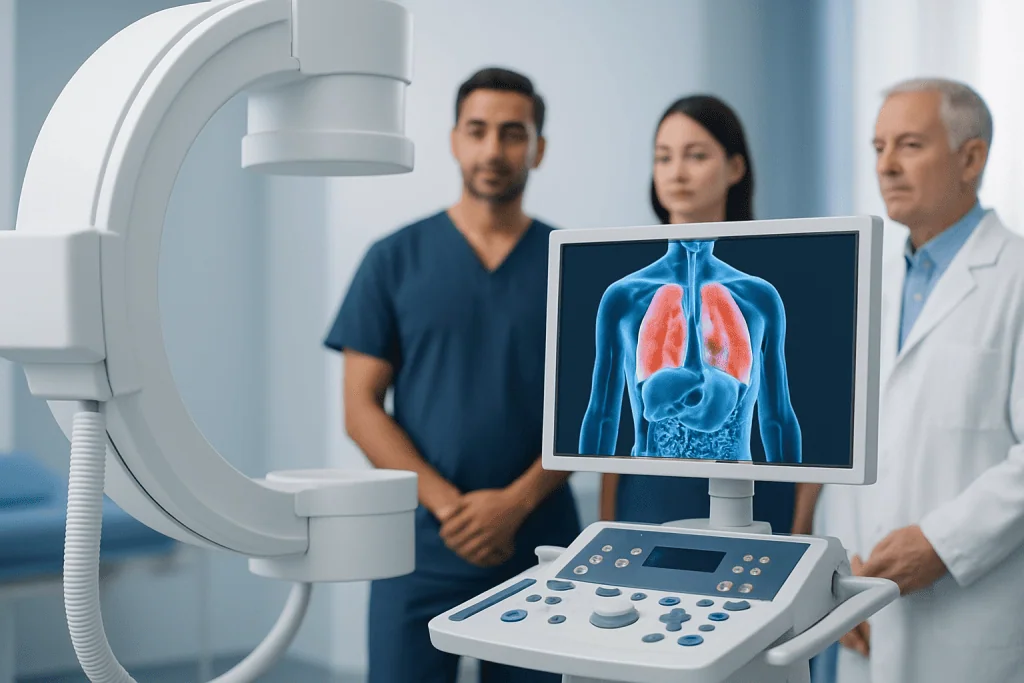
Understanding the kinds of cancer disease is easier when they are divided into broad categories. Carcinomas are the most common and include many cancers of the breast, lung, colon, pancreas, and skin. Hematologic cancers involve blood, bone marrow, or lymphatic tissues. Less common groups include sarcomas, mesothelioma, and cancers of the central nervous system.
Doctors also classify cancer by stage and grade. Stage describes how large the cancer is and whether it has spread. Grade refers to how abnormal the cancer cells look under the microscope and can suggest how quickly the cancer may grow. These details are important because two patients with the same type of cancer may need different treatments.
Increasingly, cancers are also categorized by biomarkers or gene changes found in the tumor. This information can help determine whether a person may benefit from cancer treatment such as targeted therapy, immunotherapy, or a more standard approach like surgery or chemotherapy. Precision medicine has become an important part of modern oncology, especially for advanced or recurrent disease.
Early signs and symptoms to watch for
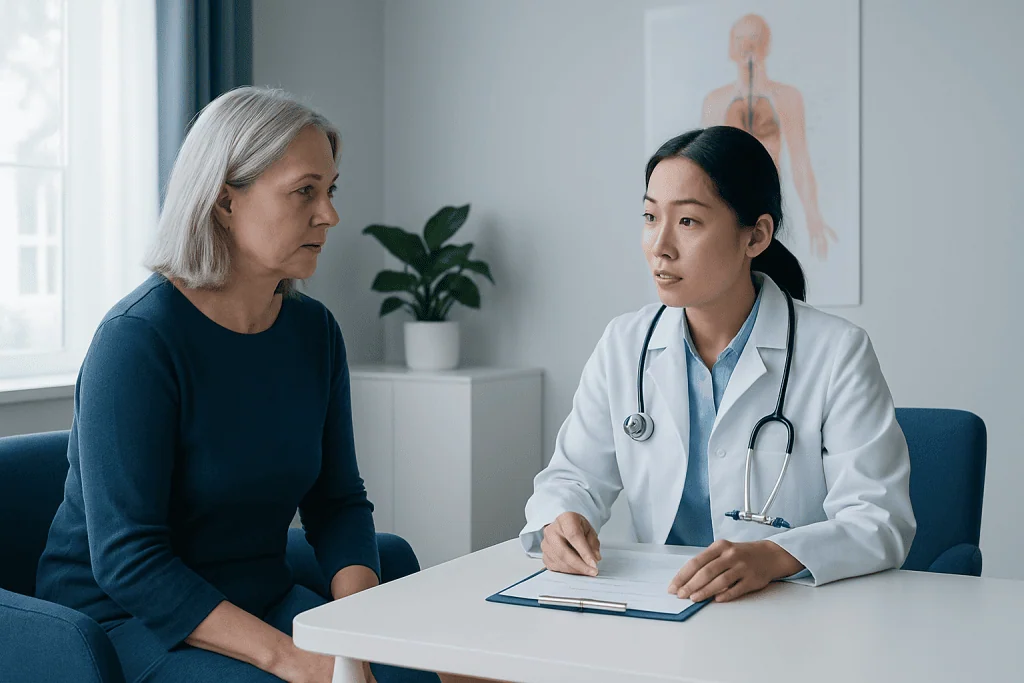
Early signs of cancer vary by type, and many symptoms are not specific to cancer alone. A lasting cough, unexplained weight loss, unusual bleeding, a new lump, a non-healing sore, changes in bowel or bladder habits, ongoing fatigue, difficulty swallowing, or persistent pain can all be warning signs. Most of these symptoms have non-cancer causes, but they should not be ignored if they continue or worsen.
Some cancers cause local symptoms related to the organ where they start. For example, breast cancer may cause a breast lump or skin changes, colon cancer may cause blood in the stool or altered bowel habits, and lung cancer may cause cough, chest discomfort, or shortness of breath. Blood cancers can lead to frequent infections, bruising, swollen lymph nodes, or severe tiredness.
General symptoms can include fever without a clear cause, night sweats, loss of appetite, or unexplained anemia. Because many cancers are more treatable when found early, persistent changes in health deserve medical attention, especially in older adults or people with known risk factors.
- New lump or swelling
- Unexplained bleeding or discharge
- Change in a mole or skin lesion
- Persistent cough or hoarseness
- Unintended weight loss
- Long-lasting fatigue or pain
Risk factors and possible causes
Cancer develops through a combination of genetic changes and exposures over time. Age is one of the strongest risk factors because cells accumulate damage as people get older. Family history and inherited gene mutations can also raise the risk for certain cancers, including some breast, ovarian, colorectal, and prostate cancers.
Tobacco use remains one of the most important preventable causes of cancer. Smoking is linked not only to lung cancer but also to cancers of the mouth, throat, bladder, pancreas, kidney, and several other organs. Heavy alcohol use, obesity, physical inactivity, a diet low in fiber or high in processed meat, and excessive sun exposure can also contribute to risk in some people.
Other factors include certain infections, such as human papillomavirus, hepatitis B and C, and Helicobacter pylori. Radiation exposure, air pollution, and occupational contact with substances like asbestos, benzene, or diesel exhaust may also increase risk. Having a risk factor does not mean cancer will develop, and some people with cancer have no clear risk factors at all.
Some chronic medical conditions can also be linked to cancer risk. For example, long-standing inflammatory bowel disease may raise the chance of colon cancer, and cirrhosis can increase the risk of liver cancer. A doctor can help assess whether personal or family history suggests the need for genetic counseling or earlier screening.
How cancer is diagnosed
Diagnosis usually begins with a medical history, symptom review, and physical examination. If cancer is suspected, a doctor may request blood tests, imaging studies, or referral to a specialist. The exact evaluation depends on the possible cancer type and the symptoms involved.
Imaging can help locate a suspicious area, measure its size, and show whether nearby structures are involved. Tools may include ultrasound, mammography, CT, MRI, PET-CT, or endoscopy. Screening tests, such as colonoscopy or mammography, can sometimes detect cancer before symptoms appear.
A biopsy is usually needed to confirm cancer. During a biopsy, a sample of tissue or cells is examined by a pathologist. The pathology report can identify the cancer type, grade, and receptor or biomarker status. This information is essential for building a treatment plan and may guide the use of chemotherapy, surgery, radiation, hormone therapy, targeted therapy, or immunotherapy.
After diagnosis, staging tests show whether the disease is localized, regionally advanced, or metastatic. Staging helps the care team estimate prognosis, compare treatment options, and coordinate care among specialists such as oncologists, surgeons, radiologists, and pathologists.
Treatment options for different kinds of cancer disease
Treatment depends on the cancer type, stage, location, symptoms, and the person’s overall health and preferences. In many cases, care includes more than one treatment. Surgery may be used to remove a localized tumor, while radiation therapy can target cancer cells in a precise area. Systemic treatments, which travel through the body, are often used when there is a risk of spread or when cancer has already spread.
Common systemic treatments include chemotherapy, targeted therapy, immunotherapy, hormone therapy, and supportive medicines that reduce treatment side effects. Some cancers respond best to combined approaches, such as surgery followed by chemotherapy or radiation. Others may be managed first with medicine to shrink the tumor before local treatment.
Treatment goals vary. For some people, the aim is cure. For others, treatment focuses on controlling the disease, reducing symptoms, and preserving quality of life. Shared decision-making is important, and patients may benefit from asking about expected benefits, possible side effects, treatment duration, fertility concerns, and supportive services such as nutrition or rehabilitation.
People with more complex cancers may need care from several specialists. In selected situations, options like radiotherapy or advanced surgical procedures can be part of an individualized plan. Near the end of the care pathway, patients may also discuss survivorship, rehabilitation, and long-term follow-up to monitor for recurrence or late effects of treatment.
Prevention, screening, and self-care
Not all cancers can be prevented, but risk can often be reduced. Avoiding tobacco is one of the most effective steps. Limiting alcohol, maintaining a healthy weight, staying physically active, protecting the skin from excessive ultraviolet exposure, and following a balanced diet rich in fruits, vegetables, and fiber may also help support overall cancer prevention.
Vaccination is another important preventive tool. Human papillomavirus vaccination can reduce the risk of several cancers, including cervical and some head and neck cancers. Hepatitis B vaccination can lower the risk of liver cancer. Preventing and treating chronic infections can also play a role in long-term cancer prevention.
Screening aims to detect cancer or precancerous changes before symptoms begin. Depending on age, sex, family history, and personal risk factors, a doctor may recommend mammography, cervical screening, colonoscopy, low-dose CT for selected smokers, prostate evaluation, or skin checks. Screening recommendations differ from person to person, so it is best to discuss them with a qualified clinician.
For people already living with cancer, self-care still matters. Good nutrition, rest, physical activity within medical advice, emotional support, and keeping up with follow-up appointments can make treatment and recovery more manageable. Acibadem International’s multidisciplinary specialists and JCI-accredited hospitals diagnose and treat cancer for international patients, including conditions such as breast cancer and lung cancer.
When to seek medical care
Medical care should be sought when a symptom is persistent, unexplained, or clearly changing over time. This includes a lump that does not go away, bleeding that is not expected, a cough lasting several weeks, unexplained weight loss, persistent difficulty swallowing, changes in a mole, or ongoing bowel or bladder changes. Early assessment does not mean cancer is likely, but it can help rule out serious causes and allow timely treatment if needed.
Urgent medical attention is especially important for symptoms such as coughing up blood, severe shortness of breath, sudden neurological changes, marked weakness, or significant unexplained bleeding. People with a strong family history of cancer or known inherited cancer risk should also speak with a doctor about screening and genetic counseling, even if they feel well.
If a diagnosis of cancer has already been made, prompt contact with the care team is important for fever during treatment, severe dehydration, uncontrolled pain, signs of infection, or sudden new symptoms. Ongoing communication with healthcare professionals helps ensure safe treatment and appropriate follow-up.
Frequently asked questions
What are the main kinds of cancer disease?
The main kinds of cancer disease are often grouped into carcinomas, sarcomas, leukemias, lymphomas, myelomas, and central nervous system tumors. They are usually named for the organ or tissue where they begin, such as breast, lung, colon, prostate, or skin.
Are all cancers treated the same way?
No. Treatment depends on the type of cancer, how far it has spread, the tumor’s biology, and the person’s overall health. Some cancers are treated mainly with surgery, while others need chemotherapy, radiotherapy, immunotherapy, targeted therapy, or combinations of these.
What are the earliest signs of cancer?
Early signs vary, but common examples include a new lump, unexplained bleeding, a lasting cough, weight loss without trying, a sore that does not heal, or changes in bowel habits. These symptoms do not always mean cancer, but persistent or unexplained symptoms should be checked by a doctor.
Can cancer happen without risk factors?
Yes. Although risk factors such as age, tobacco use, infections, and family history can increase the chance of cancer, some people develop cancer without any obvious risk factor. That is one reason regular screening and attention to symptoms remain important.
How is cancer confirmed?
Cancer is usually confirmed with a biopsy, which means taking a sample of tissue or cells for laboratory examination. Imaging tests and blood tests can support the diagnosis and help stage the disease, but a biopsy is often needed to identify the exact cancer type.
Can cancer be prevented?
Not all cancers can be prevented, but risk can often be lowered. Avoiding tobacco, limiting alcohol, maintaining a healthy weight, staying active, protecting the skin from too much sun, getting recommended vaccines, and attending screening tests can all help.
References
- World Health Organization
- National Cancer Institute
- American Cancer Society
- Centers for Disease Control and Prevention
- National Comprehensive Cancer Network
This article is for general information only and is not a substitute for professional medical advice. Please consult a qualified doctor about your individual situation.
Persistent digestive symptoms? Get evaluated in Turkey
JCI-accredited · board-certified surgeons · reply within 24h
Add us as a Preferred Source to see more of our trusted health content across Google Search, AI Overviews and Discover.