L4-L5 Back Pain Treatment Options: When to Start With Therapy and When to Consider Surgery

Most L4-L5 back pain improves with conservative treatment rather than surgery. Physical therapy is often a first-line treatment to reduce pain and improve movement and core support.
Key Takeaways
- Most L4-L5 back pain improves with conservative treatment rather than surgery.
- Physical therapy is often a first-line treatment to reduce pain and improve movement and core support.
- Surgery is usually reserved for significant nerve compression, progressive weakness, or pain that persists despite treatment.
- Red-flag symptoms such as bowel or bladder changes need urgent medical assessment.
- The best treatment plan depends on symptoms, examination findings, imaging, and how pain affects daily life.
L4-L5 back pain treatment options usually begin with non-surgical care such as activity changes, physical therapy, and pain relief measures. Surgery may be considered when symptoms are severe, progressive, or do not improve with appropriate conservative treatment.
Overview: What L4-L5 Back Pain Means
The L4-L5 level is one of the lowest segments of the lumbar spine, located in the lower back. This area carries substantial body weight and helps with bending, twisting, and standing, so it is a common source of back pain. Pain at this level may come from the intervertebral disc, facet joints, surrounding muscles and ligaments, or nearby nerves.
In some people, the problem involves a bulging or herniated disc that irritates or compresses a nerve root. In others, age-related wear, spinal narrowing, inflammation, or mechanical strain is the main cause. Because several structures can produce similar symptoms, a careful medical evaluation is important before choosing treatment.
L4-L5 back pain treatment options usually start with conservative care. Many episodes improve over days to weeks with guided activity, exercise, and symptom control. Surgery is generally not the first step unless there are urgent neurologic warning signs or a clearly defined structural problem causing severe, ongoing disability.
Symptoms and How L4-L5 Problems Can Feel
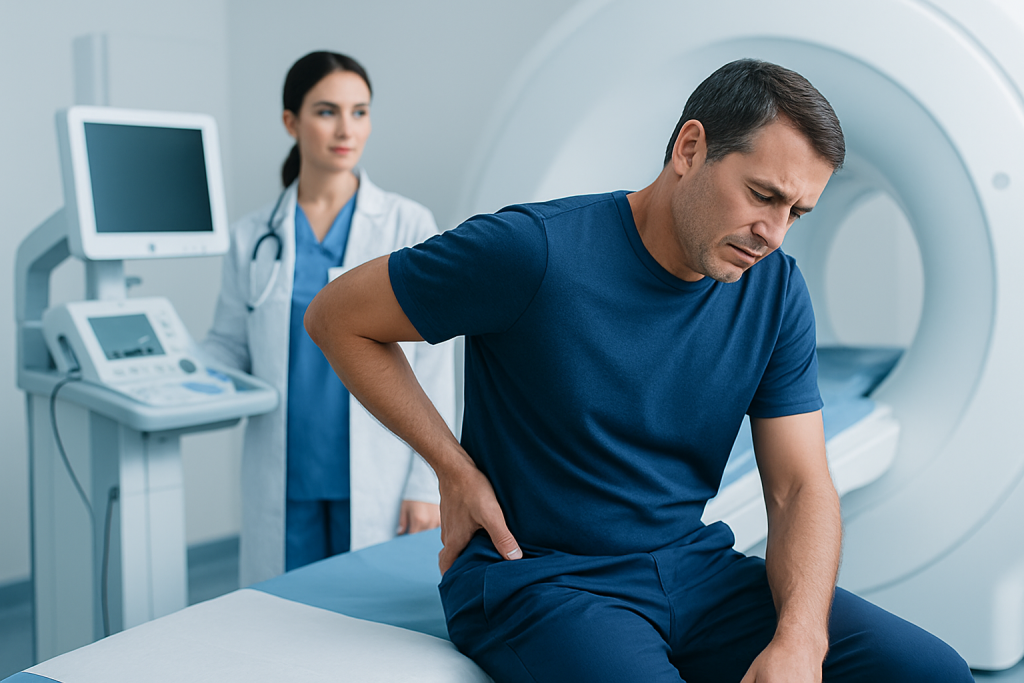
L4-L5 pain often causes aching, stiffness, or sharp discomfort in the lower back. Symptoms may worsen after lifting, prolonged sitting, sudden twisting, or standing for long periods. Some people feel that their back “catches” with movement, while others mainly notice reduced flexibility and difficulty returning to normal activities.
If a nerve is irritated, pain may radiate into the buttock, thigh, calf, or foot. This is commonly called sciatica or lumbar radicular pain. Tingling, numbness, burning, or electric-shock sensations can occur along with leg pain. Depending on which nerve root is affected, there may also be weakness when lifting the foot, climbing stairs, or straightening the knee.
Symptoms that suggest more serious nerve involvement should not be ignored. These include worsening leg weakness, numbness in the groin or saddle area, or loss of bladder or bowel control. Such symptoms need urgent medical attention because they can indicate significant nerve compression.
Common Causes and Risk Factors

A frequent cause of pain at this level is disc degeneration or disc herniation. Over time, discs can lose water content and become less flexible, making them more likely to bulge or tear. A herniated disc may press on nearby nerves and lead to back pain with leg symptoms. Some patients with lumbar herniated disc develop sudden pain after a lifting or bending movement, while others notice symptoms gradually.
Other possible causes include spinal stenosis, facet joint arthritis, spondylolisthesis, muscle strain, and ligament injury. Poor posture, weak core muscles, repetitive lifting, obesity, smoking, and prolonged inactivity can increase strain on the lower back. Sedentary work and long periods of driving may also aggravate symptoms in susceptible individuals.
Risk rises with age, but younger adults can also develop L4-L5 pain, especially after sports injuries or heavy physical work. In some cases, back pain is not due to a single problem but to a combination of disc wear, joint irritation, and muscle guarding. This is why treatment is usually tailored to the individual rather than based on imaging alone.
Diagnosis: When to Seek Evaluation and What Tests May Be Used
A doctor usually begins with questions about the onset of pain, what makes it better or worse, whether symptoms travel into the leg, and how the problem affects walking, sleep, and work. The physical examination may assess posture, range of motion, reflexes, muscle strength, sensation, and straight-leg raising. These findings help show whether the main issue is muscular, mechanical, or related to nerve compression.
Imaging is not always needed immediately for simple low back pain, especially if symptoms are recent and there are no warning signs. However, imaging may be recommended when pain is severe, persists despite treatment, or includes neurologic deficits. X-rays can show alignment and bony changes, while magnetic resonance imaging is especially useful for discs, nerves, and soft tissues. In some cases, doctors may evaluate for lumbar spinal stenosis or other structural causes if walking tolerance is limited or leg symptoms are prominent.
Urgent evaluation is important if there is trauma, fever, unexplained weight loss, a history of cancer, significant weakness, or bowel and bladder changes. These features may point to causes other than routine mechanical back pain. The goal of diagnosis is not just to name the problem, but to match the treatment plan to the severity of symptoms and the person’s daily needs.
Starting With Conservative Treatment: Therapy, Exercise, and Pain Relief
For most patients, the first approach is non-surgical care. This often includes relative activity modification rather than complete bed rest, which can sometimes delay recovery. Gentle walking, avoiding heavy lifting, and changing positions regularly may help reduce stiffness and muscle spasm while keeping the body active enough to support healing.
Physical therapy is a common starting point because it can address both pain and function. A therapist may focus on posture, core strengthening, hip flexibility, nerve-mobility techniques, and safe movement patterns for sitting, bending, and lifting. Individualized exercise programs are often central to recovery, and many people benefit from structured physical therapy and rehabilitation to improve spinal support and confidence with movement.
Other conservative measures may include heat or cold, short-term use of appropriate pain-relieving medicines as advised by a physician, and guided home exercises. In selected cases, doctors may consider injections to reduce inflammation around an irritated nerve and make rehabilitation easier. Treatment plans work best when they combine symptom relief with active recovery rather than relying on rest alone.
- Activity modification without prolonged bed rest
- Targeted physical therapy and home exercise
- Posture and ergonomic adjustments
- Physician-guided pain management options
- Gradual return to normal activity
When Surgery May Be Considered
Surgery is generally considered when conservative treatment has been tried appropriately and symptoms remain severe or functionally limiting. It may also be recommended earlier if there is progressive muscle weakness, severe nerve compression, or urgent problems such as cauda equina syndrome. The decision depends on the cause of pain, imaging findings, neurologic symptoms, and how significantly daily life is affected.
For a herniated disc causing persistent sciatica, a procedure such as microdiscectomy may be discussed if leg pain and nerve symptoms do not improve with time and therapy. If there is instability, marked narrowing, or other structural issues, doctors may consider broader spine surgery options. The aim of surgery is usually to relieve nerve pressure, improve function, and reduce pain that has not responded to less invasive treatment.
Surgery is not automatically better simply because imaging shows a disc bulge or degeneration. Many people have changes on scans without needing an operation. A thoughtful discussion with a spine specialist can help weigh expected benefits, possible risks, recovery time, and whether symptoms match what is seen on imaging. Near the end of the treatment journey, some patients choose evaluation at centers such as Acibadem International, where multidisciplinary specialists in JCI-accredited hospitals assess and treat spine conditions for international patients.
Prevention, Self-care, and Recovery Support
Even after pain improves, ongoing self-care matters. Regular exercise that strengthens the core, gluteal muscles, and legs can reduce pressure on the lower back and improve body mechanics. Flexibility work, gradual conditioning, and maintaining a healthy weight can also support long-term spinal health.
Daily habits can make a meaningful difference. Using proper lifting technique, avoiding long periods in one position, adjusting workstation ergonomics, and taking movement breaks may help prevent flare-ups. Sleep position, footwear, and the way a person gets in and out of a car or chair can also influence symptoms.
Recovery is often gradual rather than immediate. Mild ups and downs are common, especially when returning to work, exercise, or travel. A doctor or therapist can advise when it is safe to progress activities and whether symptoms suggest normal healing or the need for reassessment.
When to See a Doctor
Medical review is appropriate if lower back pain lasts more than a few weeks, keeps returning, or interferes with work, sleep, walking, or normal daily activities. A doctor should also assess pain that spreads into the leg, especially if numbness, tingling, or weakness is present. Early guidance may help shorten recovery and prevent unnecessary limitation of movement.
Urgent care is needed if there is sudden or worsening leg weakness, numbness in the saddle area, loss of bladder or bowel control, fever, significant trauma, or unexplained weight loss. These symptoms can point to conditions that need prompt treatment. People with osteoporosis, cancer history, immune suppression, or recent infection should seek medical advice sooner if they develop severe back pain.
When symptoms are persistent or complex, evaluation by specialists in rehabilitation, pain management, orthopedics, or neurosurgery may be helpful. The right timing for surgery is highly individual, and it is best decided after a full assessment rather than based on pain alone.
Frequently asked questions
Can L4-L5 back pain get better without surgery?
Yes. Many people improve with conservative treatment such as physical therapy, activity modification, and physician-guided pain relief. Surgery is usually reserved for specific situations, including persistent nerve compression, progressive weakness, or pain that does not improve enough with non-surgical care.
How long should someone try therapy before considering surgery?
There is no single timeline for everyone, but many patients are given a trial of conservative treatment over several weeks, depending on symptom severity and diagnosis. If pain remains disabling, leg symptoms continue, or weakness develops, a spine specialist may recommend earlier surgical evaluation.
What symptoms suggest a nerve problem at L4-L5?
Pain traveling from the lower back into the buttock or leg can suggest nerve irritation. Numbness, tingling, burning sensations, or weakness in the leg or foot are also important signs that should be assessed by a doctor.
Is bed rest helpful for L4-L5 pain?
Extended bed rest is usually not recommended for most cases of lower back pain. Short periods of rest may help during a severe flare, but gentle movement and guided activity are generally better for recovery and function.
What kind of doctor treats L4-L5 back pain?
Initial care may come from a primary care physician, rehabilitation specialist, or orthopedic or neurosurgical spine specialist. Physical therapists, pain management doctors, and radiologists may also be involved depending on the symptoms and treatment plan.
Does an MRI always mean surgery will be needed?
No. MRI findings must be interpreted alongside symptoms and the physical examination. Many people have disc bulges or age-related changes on imaging without needing surgery, so treatment decisions should be based on the full clinical picture.
References
- National Institute of Neurological Disorders and Stroke
- American Academy of Orthopaedic Surgeons
- National Institute for Health and Care Excellence
- North American Spine Society
- World Health Organization
This article is for general information only and is not a substitute for professional medical advice. Please consult a qualified doctor about your individual situation.
Joint and spine care in Turkey — expert assessment & treatment
JCI-accredited · board-certified surgeons · reply within 24h
Add us as a Preferred Source to see more of our trusted health content across Google Search, AI Overviews and Discover.