Labial Hypertrophy: An Evidence-Based Guide for Patients

Labial hypertrophy is usually benign and may simply reflect normal differences in anatomy. Some people have no symptoms, while others experience rubbing, pain with exercise, discomfort during sex, or hygiene difficulties.
Key Takeaways
- Labial hypertrophy is usually benign and may simply reflect normal differences in anatomy.
- Some people have no symptoms, while others experience rubbing, pain with exercise, discomfort during sex, or hygiene difficulties.
- Diagnosis is based mainly on symptoms, medical history, and a physical examination rather than a single size standard.
- Treatment depends on how much the condition affects daily life and may include self-care measures or surgery in selected cases.
- Persistent pain, a new lump, skin changes, bleeding, or signs of infection should be assessed by a qualified doctor.
Labial hypertrophy refers to labia that are larger, longer, or more prominent than a person expects, most often involving the labia minora. It is often a normal anatomical variation, but if it causes irritation, pain, hygiene problems, or emotional distress, medical assessment can help clarify the cause and discuss treatment options.
Overview
Labial hypertrophy is a term used when one or both inner vaginal lips, called the labia minora, are larger or more prominent than expected. In many cases, this is simply part of normal body variation. There is no single “correct” size or shape for the vulva, and healthy anatomy can look very different from person to person.
For some patients, enlarged labial tissue causes no problems at all. For others, it may lead to friction with clothing, discomfort during sports, difficulty with hygiene, pain during sexual activity, or emotional self-consciousness. The importance of the condition is therefore based less on appearance alone and more on whether it causes symptoms or affects quality of life.
It is also important to understand that asymmetry is common. One side may naturally be longer or fuller than the other. A medical assessment can help distinguish normal anatomy from irritation, swelling, infection, or another vulvar condition that may need treatment.
What It Can Feel Like and Common Symptoms
The symptoms of labial hypertrophy vary widely. Some patients notice the tissue protrudes beyond the outer labia, becomes visible in tight clothing, or twists or folds during movement. Others describe rubbing, pinching, or pulling sensations, especially with walking, cycling, running, or prolonged sitting.
Discomfort may also occur during sexual activity, tampon use, or when wearing fitted underwear or swimwear. Repeated friction can sometimes lead to redness, tenderness, chafing, or minor skin irritation. In some cases, moisture can collect in skin folds, making hygiene more difficult or increasing sensitivity.
Beyond physical symptoms, the condition can affect confidence and body image. Some patients avoid exercise, intimacy, or certain clothing because of discomfort or embarrassment. These concerns are valid and deserve thoughtful, respectful medical discussion.
- Visible prominence of the labia minora
- Rubbing or irritation during daily activity
- Pain with exercise, intercourse, or tampon insertion
- Chafing, redness, or skin sensitivity
- Self-consciousness about vulvar appearance
Why Labial Hypertrophy Happens

In many patients, labial hypertrophy develops naturally and is not caused by disease. Genetics plays an important role in body shape, including the size and contour of the vulva. Changes may become more noticeable during puberty as the external genital tissues respond to hormonal changes and mature into adult anatomy.
Pregnancy, childbirth, aging, and fluctuations in body weight may also change vulvar tissue over time. Repeated friction or stretching has been suggested as a contributing factor in some cases, but many patients develop prominent labia without any clear trigger. The condition can be present on one side or both sides.
Doctors also consider other reasons for swelling or asymmetry, especially if the change is new. These include cysts, infections, inflammatory skin conditions, trauma, and less commonly masses that need further evaluation. If symptoms include itching, discharge, sores, or sudden enlargement, the concern may not be simple labial hypertrophy but another problem that should be examined.
Because vulvar symptoms can overlap with other conditions, a clinician may evaluate for issues such as vaginal infection if there is irritation, discharge, or odor rather than enlargement alone.
How Doctors Diagnose It
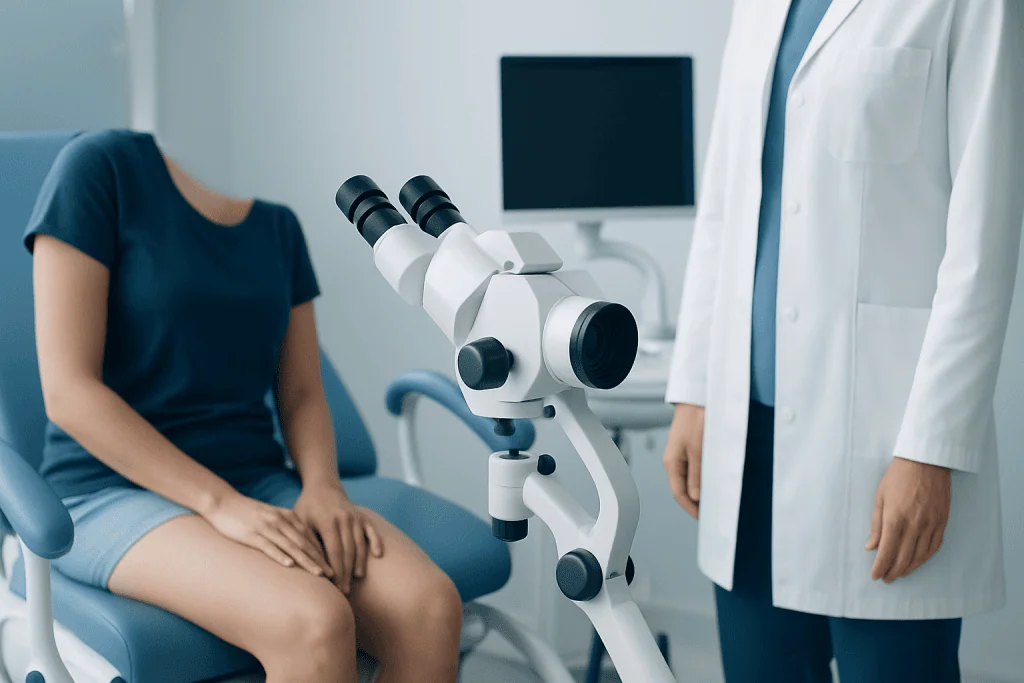
Diagnosis begins with a private, respectful conversation about symptoms, when they started, and how they affect daily life. A doctor may ask whether the discomfort occurs with exercise, intercourse, menstruation, certain clothing, or hygiene practices. They may also ask about past infections, childbirth, skin conditions, injury, or previous genital procedures.
A physical examination is the main way to assess labial hypertrophy. During the exam, the doctor looks at the size, symmetry, skin condition, and any signs of inflammation, cysts, infection, or another cause of swelling. There is no universal measurement that defines abnormal labial size in every patient; the clinical picture and the patient’s symptoms matter most.
Additional tests are not always needed. However, if the doctor suspects infection, a skin disorder, or another gynecologic issue, they may recommend swabs, laboratory testing, or referral to a gynecologist or dermatologist. Imaging is rarely necessary unless there is concern about a deeper mass or another pelvic condition.
Patients who are considering surgery usually need a more detailed consultation. This includes discussing goals, expected benefits, possible scarring, healing time, and the fact that surgery should aim to reduce symptoms and preserve function, not pursue an unrealistic aesthetic standard.
Treatment Options and When Surgery Is Considered
Treatment depends on symptoms, personal goals, and the effect on daily activities. If the labia are simply prominent but not uncomfortable, no treatment may be needed. Reassurance is often appropriate, especially when the anatomy falls within the broad range of normal variation.
When symptoms are mild, conservative measures may help. These include wearing breathable, less restrictive clothing, choosing seamless or soft underwear, using gentle cleansing methods, and applying protective emollients if friction causes irritation. Avoiding harsh soaps, fragranced products, and unnecessary shaving or rubbing can also reduce sensitivity.
If symptoms are persistent and clearly related to excess tissue, a doctor may discuss surgery. The procedure most often used is labiaplasty, which reduces or reshapes the labia minora. This can be helpful for selected patients with ongoing pain, chafing, hygiene problems, or significant distress after a full evaluation and informed consent.
Surgery is not a minor cosmetic decision, and it is important to understand both benefits and risks. Possible concerns include bleeding, infection, scarring, altered sensation, dissatisfaction with appearance, and the need for revision in some cases. A specialist may also assess whether associated concerns involve the vulva more broadly or require a gynecologic procedure rather than labial surgery alone.
Self-care, Recovery, and Practical Tips
Simple daily adjustments often make symptoms more manageable. Soft cotton underwear, looser exercise clothing, and changing out of damp garments promptly can reduce friction and moisture. During sports such as cycling or running, some patients find that supportive but non-restrictive clothing is more comfortable than tight seams or rough fabrics.
Good vulvar skin care is also important. The area should be cleaned gently with water or a mild, non-fragranced cleanser if recommended by a clinician. Scrubbing, douching, scented wipes, and perfumed products can irritate delicate skin and make discomfort worse.
For those who have surgery, recovery instructions should come from the treating surgeon. In general, patients are advised to rest, keep the area clean and dry, avoid friction, and limit strenuous activity and sexual intercourse until healing is complete. Follow-up visits are important so the doctor can check healing and address any concerns promptly.
Near the end of the care pathway, some patients benefit from support that addresses both physical comfort and emotional wellbeing. Acibadem International’s multidisciplinary specialists in JCI-accredited hospitals evaluate and treat patients with vulvar concerns, including those seeking surgical assessment after conservative measures have been explored.
When to Seek Medical Care
Medical care is appropriate when enlarged labial tissue causes pain, repeated irritation, hygiene problems, or distress that interferes with exercise, intimacy, work, or everyday comfort. A doctor can confirm whether the symptoms are due to labial hypertrophy or another condition that needs different treatment.
Prompt assessment is especially important if there is a sudden change in size, a new lump, one-sided swelling that is painful, fever, unusual discharge, bleeding, open sores, or significant skin color changes. These features are not typical of simple stable anatomical variation and may point to infection, a cyst, trauma, or another vulvar disorder.
Adolescents and adults who are worried about appearance alone may also benefit from a professional conversation. A clinician can explain what is considered normal, discuss symptom-focused care, and help decide whether referral to gynecology or plastic surgery is appropriate. If other pelvic symptoms are present, the evaluation may include broader women’s health assessment and, when indicated, options within gynecology care.
Frequently asked questions
Is labial hypertrophy normal?
Yes. In many cases, labial hypertrophy reflects normal anatomical variation rather than disease. Vulvar size, shape, color, and symmetry can differ greatly among healthy individuals.
Does labial hypertrophy always need treatment?
No. Treatment is not necessary if there are no symptoms and the person is comfortable. Care is usually considered when the condition causes pain, irritation, hygiene difficulty, or significant emotional distress.
Can labial hypertrophy cause pain during exercise or sex?
It can. Extra tissue may rub, twist, or be pulled during activities such as cycling, running, or intercourse, which may lead to discomfort or chafing. A doctor can help confirm whether the symptoms are due to labial tissue or another vulvar condition.
How is labial hypertrophy diagnosed?
Diagnosis is based mainly on symptoms, medical history, and a physical examination. There is no single size cutoff that defines the condition for everyone, so the patient’s experience and the doctor’s findings are both important.
What is labiaplasty?
Labiaplasty is a surgical procedure that reduces or reshapes the labia, usually the labia minora. It may be considered when symptoms persist despite conservative measures, but it should be discussed carefully because surgery carries risks as well as potential benefits.
When should someone worry about a change in the labia?
A new or rapidly changing swelling, a painful lump, bleeding, sores, fever, unusual discharge, or major skin changes should be evaluated by a doctor. These findings may suggest a problem other than stable labial hypertrophy.
References
- American College of Obstetricians and Gynecologists
- Royal College of Obstetricians and Gynaecologists
- National Health Service
- Mayo Clinic
- Merck Manual Consumer Version
This article is for general information only and is not a substitute for professional medical advice. Please consult a qualified doctor about your individual situation.
Explore treatments in Turkey — costs, top hospitals & a free quote
JCI-accredited · board-certified surgeons · reply within 24h
Add us as a Preferred Source to see more of our trusted health content across Google Search, AI Overviews and Discover.