Labotomy: An Evidence-Based Guide for Patients

Labotomy usually refers to lobotomy, a historical psychosurgical procedure. Lobotomy is no longer a routine treatment for mental health conditions.
Key Takeaways
- Labotomy usually refers to lobotomy, a historical psychosurgical procedure.
- Lobotomy is no longer a routine treatment for mental health conditions.
- Modern care focuses on evidence-based psychiatric, neurologic, and supportive treatments.
- Anyone with severe changes in mood, behavior, thinking, or functioning should seek professional evaluation.
- Understanding the history of lobotomy can help patients ask informed questions about brain and mental health treatments.
Labotomy is not a formal medical term. In most cases, people searching for labotomy mean lobotomy, an older form of brain surgery that was once used to treat severe psychiatric symptoms but is now largely abandoned because of serious risks and the development of safer, more effective treatments.
Overview: What does labotomy mean?
Labotomy is not a recognized medical diagnosis or standard procedure name. Most often, it is a misspelling or alternate search term for lobotomy, a historical operation in which connections in the brain’s frontal lobes were surgically disrupted. This procedure was mainly used in the mid-20th century for severe psychiatric symptoms.
Today, lobotomy is considered outdated and is rarely, if ever, used in routine medical practice. It was replaced because its benefits were unpredictable and its side effects could be profound, including changes in personality, judgment, motivation, and daily function. Modern mental health and neurologic care now rely on more targeted, carefully studied treatments.
For patients and families, the most helpful way to approach the term labotomy is to understand it as part of medical history rather than a current standard option. If a person is experiencing severe mental health, behavior, or neurologic symptoms, proper evaluation is important so that modern and appropriate care can be considered.
A brief history of lobotomy
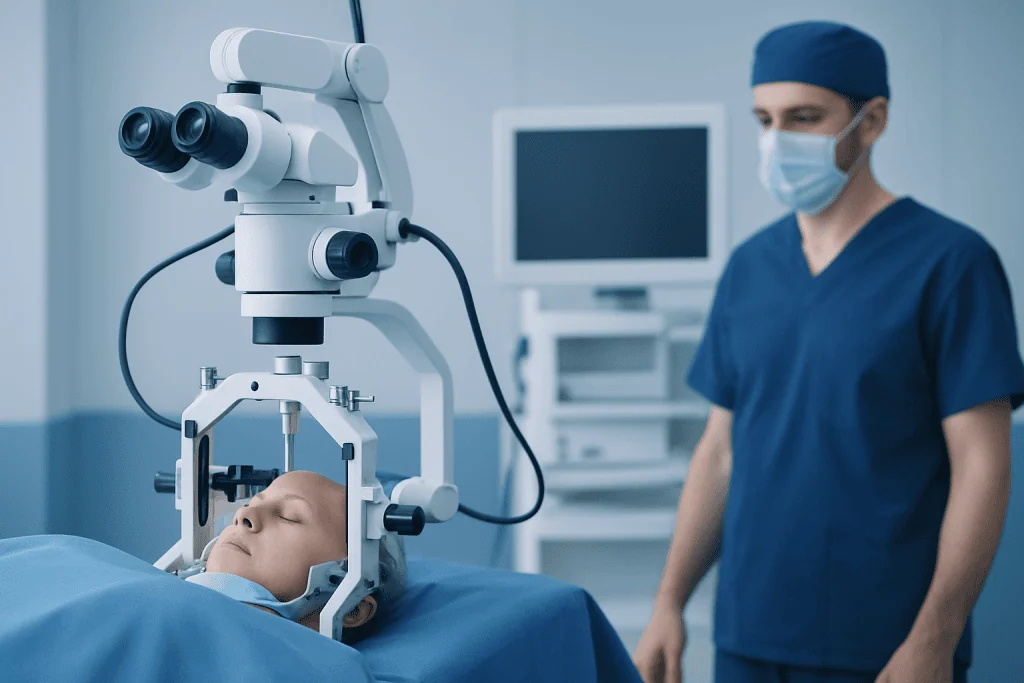
Lobotomy belongs to a broader group of interventions once called psychosurgery. In the early and mid-1900s, before many effective psychiatric medicines were available, some doctors used surgery in an attempt to reduce severe agitation, psychosis, depression, or obsessive symptoms. Different techniques were developed, but they all aimed to alter circuits involving the frontal part of the brain.
At the time, some patients appeared calmer or easier to manage after surgery. However, later experience showed that many also developed major long-term problems. These could include emotional blunting, slowed thinking, reduced initiative, difficulty planning, social withdrawal, and loss of independence. As medical ethics evolved and better treatments became available, lobotomy fell out of favor.
Today, the history of lobotomy is often discussed as an example of why careful research, informed consent, and long-term outcome tracking matter in medicine. It also highlights how mental health care has changed, with much greater emphasis on patient rights, safety, and evidence-based treatment.
Why people search for labotomy today

People may search for labotomy for several reasons. Some have seen the word in films, books, or online discussions and want to know whether it was a real treatment. Others may be trying to understand a family history, old medical records, or a diagnosis related to severe mental illness or behavior change.
In other situations, someone may use the term loosely when describing a person who seems emotionally flat, confused, or changed after illness, injury, or treatment. These symptoms are not the same as a lobotomy. Many medical and psychiatric conditions can affect personality, mood, memory, and decision-making, so an accurate assessment is essential.
If there are ongoing concerns about cognition, mood, or functioning, a clinician may consider neurologic and psychiatric causes. Depending on the situation, this could include evaluation for conditions such as brain tumor or other disorders affecting the brain and nervous system. The term labotomy itself does not explain symptoms, so it should not replace a proper diagnosis.
Possible effects and long-term consequences of lobotomy
The main concern with lobotomy was that it could permanently change how a person thinks, feels, and behaves. Some individuals became less distressed or less agitated, but this often came at the cost of reduced emotional responsiveness, impaired judgment, limited motivation, or difficulty carrying out daily tasks. The procedure could also affect speech, movement, attention, and social interaction.
Because the frontal lobes are involved in planning, self-control, personality, and problem-solving, disrupting their connections can have wide-ranging consequences. Effects varied from person to person, and there was no reliable way to predict who might improve, who might remain unchanged, or who might worsen.
These serious and irreversible risks are a major reason lobotomy is no longer accepted as a routine treatment. In current practice, when patients have symptoms involving thinking, memory, movement, or behavior, clinicians investigate specific causes and use targeted therapies whenever possible.
- Personality or emotional changes
- Reduced initiative or motivation
- Problems with planning and judgment
- Cognitive slowing or confusion
- Loss of independence in daily activities
How related symptoms are evaluated today
If a person has severe mood changes, psychosis, memory loss, confusion, personality change, or unusual behavior, doctors do not assume a historical procedure like lobotomy is the answer. Instead, they start with a careful medical history, symptom review, medication review, and physical as well as neurologic examination. Family input may also be important, especially if the person has difficulty describing symptoms.
Evaluation may include blood tests, brain imaging, and psychiatric assessment, depending on the clinical picture. Imaging can help identify structural causes when needed, and some patients may be referred for MRI scan or other diagnostic studies. In selected cases, doctors may also consider seizure disorders, neurodegenerative disease, head injury, infection, substance effects, or complications of another medical condition.
This step-by-step approach helps separate psychiatric illness from neurologic disease and from potentially reversible problems. Accurate diagnosis matters because treatment depends on the underlying cause rather than on a general label such as labotomy.
Modern treatment options for the conditions once linked to lobotomy
Conditions that were once treated with lobotomy are now managed with safer and more precise approaches. These may include psychiatric medications, psychotherapy, rehabilitation, social support, and structured long-term follow-up. For some people, treatment also involves hospitalization during severe episodes to improve safety and stabilize symptoms.
In rare and carefully selected situations, modern brain-based interventions may be considered for severe illness that has not improved with standard care. These are not the same as lobotomy. Depending on the diagnosis, options may include procedures such as deep brain stimulation or highly targeted stereotactic radiosurgery in specific neurologic contexts. These treatments are planned using modern imaging, strict criteria, and multidisciplinary review.
When symptoms are caused by a structural brain problem, treatment may focus on the underlying disorder rather than psychiatric symptom control alone. For example, some patients may need expert brain tumor surgery or other neurologic care. The best treatment plan depends on the exact diagnosis, the severity of symptoms, overall health, and the person’s goals and preferences.
When to seek medical care
Medical care is important when changes in thinking, behavior, mood, or personality are new, worsening, or affecting daily life. A person should be evaluated if they become confused, suspicious, severely withdrawn, unable to care for themselves, or if family members notice a clear change from their usual functioning.
Urgent assessment is needed if there are thoughts of self-harm, harm to others, severe agitation, sudden weakness, seizures, new speech problems, or a sudden change in consciousness. These symptoms may point to a psychiatric emergency, stroke, infection, medication effect, or another serious brain-related condition.
Patients do not need to know whether the problem is psychiatric or neurologic before seeking help. A qualified doctor can guide the next steps. Near the end of the care pathway, multidisciplinary specialists at Acibadem International and its JCI-accredited hospitals also evaluate and treat complex brain, neurologic, and mental health-related conditions for international patients.
Frequently asked questions
Is labotomy a real medical term?
Labotomy is not a standard medical term used in current practice. In most cases, people mean lobotomy, which was a historical brain operation used decades ago for severe psychiatric conditions.
What was a lobotomy used for?
Lobotomy was used in the past to try to reduce severe psychiatric symptoms such as agitation, psychosis, depression, or obsessive behavior. It was developed before many modern psychiatric medicines and therapies were available.
Is lobotomy still performed today?
Lobotomy is not a routine or accepted treatment in modern medicine. Current care uses evidence-based psychiatric therapies, medications, rehabilitation, and, in rare cases, highly targeted neuromodulation or neurosurgical approaches under strict clinical oversight.
What are the side effects of lobotomy?
Reported effects included personality changes, emotional blunting, poor judgment, reduced motivation, and problems with planning or daily functioning. Because the effects could be severe and irreversible, the procedure was abandoned in favor of safer options.
If someone has major personality or behavior changes, does that mean they had a lobotomy?
No. Many conditions can cause changes in mood, memory, judgment, or behavior, including psychiatric illness, dementia, brain injury, medication effects, seizures, infection, and tumors. A medical evaluation is needed to find the actual cause.
How are severe psychiatric or brain-related symptoms treated now?
Treatment depends on the diagnosis and may include medication, psychotherapy, supportive care, rehabilitation, and neurologic evaluation. In selected cases, advanced procedures may be considered, but they are very different from historical lobotomy and are performed with modern safety standards.
This article is for general information only and is not a substitute for professional medical advice. Please consult a qualified doctor about your individual situation.
Explore treatments in Turkey — costs, top hospitals & a free quote
JCI-accredited · board-certified surgeons · reply within 24h
Add us as a Preferred Source to see more of our trusted health content across Google Search, AI Overviews and Discover.

More from the Health Library
Cerebral Atrophy — Explained by Medical Evidence, Not Myths

Lockjaw: A Complete Medical Overview

Monomorphic Ventricular Tachycardia: What Patients Need to Know

Amber Erickson: An Evidence-Based Guide for Patients

Myoclonic Fits: An Evidence-Based Guide for Patients