Largest Artery in the Body: A Complete Medical Overview
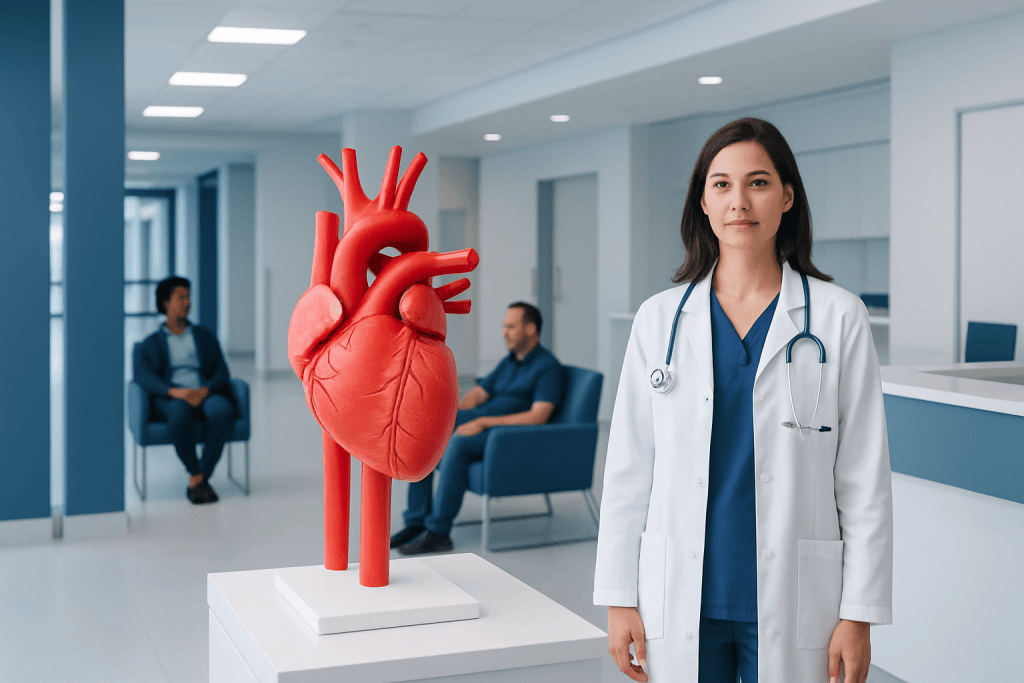
The aorta is the largest artery in the body and the body's main high-pressure blood vessel. It begins at the heart and branches to supply the head, arms, chest, abdomen, and legs.
Key Takeaways
- The aorta is the largest artery in the body and the body's main high-pressure blood vessel.
- It begins at the heart and branches to supply the head, arms, chest, abdomen, and legs.
- Conditions affecting the aorta include aneurysm, dissection, atherosclerosis, and congenital abnormalities.
- High blood pressure, smoking, aging, and some inherited conditions can increase aortic disease risk.
- Imaging tests such as ultrasound, CT, MRI, and echocardiography help diagnose aortic problems.
- Prompt medical care is important for sudden severe chest, back, or abdominal pain.
The largest artery in the body is the aorta. It is the main blood vessel that carries oxygen-rich blood from the heart to the rest of the body, and its health is essential for normal circulation.
Overview: What Is the Largest Artery in the Body?
The largest artery in the body is the aorta. It is the main artery that receives oxygen-rich blood from the heart’s left ventricle and distributes it through a network of branches to nearly every organ and tissue. In simple terms, the aorta is the body’s central highway for blood flow.
Unlike veins, which return blood back to the heart at lower pressure, arteries carry blood away from the heart under higher pressure. The aorta must be strong, elastic, and wide enough to handle this constant force with every heartbeat. Its wall contains layers of muscle and connective tissue that allow it to stretch as blood is pumped out, then recoil to help keep blood moving forward.
Because the aorta is so important, problems affecting it can influence circulation throughout the body. Some issues develop slowly over time, while others happen suddenly and require urgent care. Understanding the aorta’s role, structure, and common conditions can help patients recognize why doctors monitor this vessel closely in certain situations.
Where the Aorta Is Located and How It Works
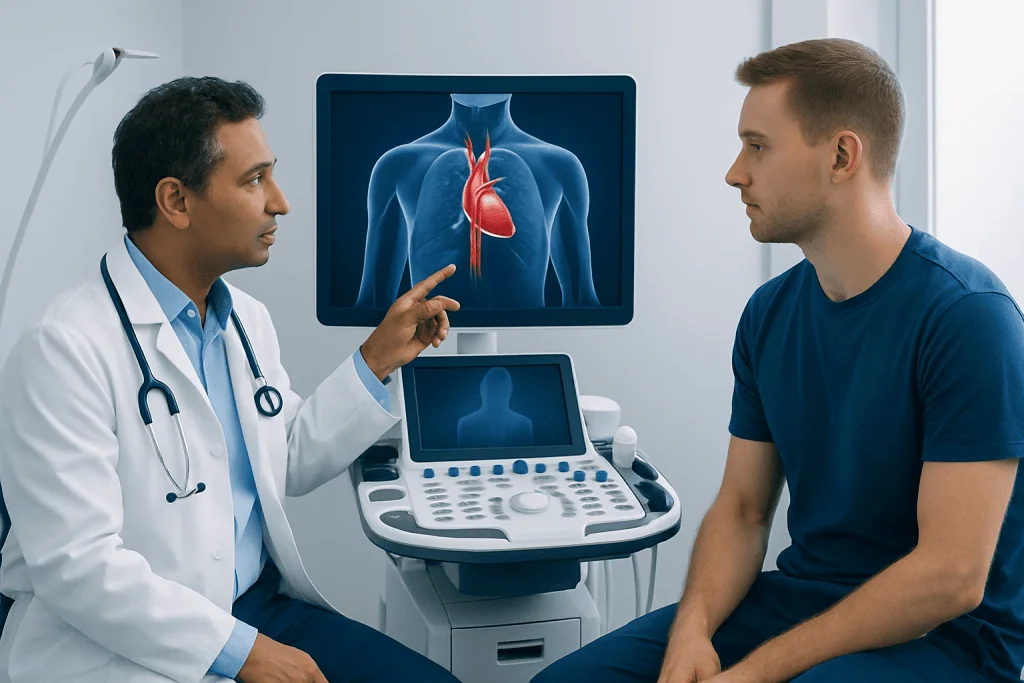
The aorta starts at the top of the heart and travels through the chest and abdomen before dividing into arteries that supply the legs. Doctors usually describe it in sections: the ascending aorta, the aortic arch, the descending thoracic aorta, and the abdominal aorta. Each section gives rise to important branches that send blood to different parts of the body.
The ascending aorta rises from the heart. The aortic arch then curves and gives off branches to the head, neck, and arms. The descending thoracic aorta continues through the chest to supply structures there, and the abdominal aorta feeds organs such as the kidneys, liver, intestines, and lower limbs.
The aorta also helps smooth out the pulse of blood leaving the heart. When the heart contracts, the aortic wall expands slightly to accept the sudden surge of blood. As the wall recoils between beats, it helps maintain forward blood flow. This elastic function is especially important for steady delivery of oxygen and nutrients to the brain, kidneys, and other vital organs.
- Ascending aorta: carries blood out of the heart
- Aortic arch: sends branches to the head and arms
- Thoracic aorta: supplies the chest area
- Abdominal aorta: supplies abdominal organs and legs
Why the Aorta Matters for Overall Health

The aorta is not just the largest artery in the body; it is also one of the most medically important blood vessels. If blood flow through the aorta is disrupted, many organs can be affected at once. This is why aortic health is closely tied to heart health, brain health, kidney function, and circulation to the arms and legs.
Over time, the aorta can be affected by high blood pressure, aging, inflammation, or a buildup of fatty deposits in the artery wall. Some people are also born with structural differences that increase the risk of aortic problems later in life. Conditions involving the aorta may remain silent for years before symptoms appear, which makes prevention and routine medical follow-up especially valuable for people at higher risk.
The aorta is also central in several serious vascular conditions. These include aortic aneurysm, in which part of the artery wall balloons outward, and tears in the inner lining that can lead to life-threatening emergencies. Although these conditions may sound alarming, many aortic problems can be monitored or treated effectively when found early.
Common Conditions That Can Affect the Aorta
Several medical conditions can involve the aorta. An aortic aneurysm happens when a weakened section of the aortic wall enlarges. Aneurysms may occur in the chest or abdomen, and small aneurysms may not cause symptoms. Doctors may monitor them over time with imaging, while larger or growing aneurysms may need treatment to reduce the risk of rupture.
An aortic dissection is a tear in the inner layer of the aortic wall. Blood enters the wall layers and can separate them, which may reduce blood flow to organs or lead to dangerous bleeding. This is a medical emergency. The risk is higher in people with uncontrolled high blood pressure, connective tissue disorders, or certain inherited conditions.
Other problems include atherosclerosis, where fatty plaque builds up and stiffens the artery; coarctation of the aorta, a congenital narrowing; and disease of the aortic valve, which sits between the heart and the aorta. In some cases, doctors may evaluate related problems with advanced imaging or procedures such as cardiovascular surgery when anatomy, symptoms, or complications require specialized care.
People may also hear about the aorta in connection with blood vessel imaging, treatment planning, or surgery for other cardiovascular conditions. Since many aortic disorders overlap with broader heart and vascular disease, management often involves a multidisciplinary team including cardiologists, vascular specialists, radiologists, and surgeons.
Symptoms and Risk Factors of Aortic Problems
Many aortic conditions do not cause symptoms at first. For example, a small abdominal aneurysm may be found incidentally during an ultrasound or CT scan performed for another reason. When symptoms do appear, they depend on the type, size, and location of the problem.
Possible symptoms can include deep chest pain, upper back pain, abdominal pain, pulsating sensation in the abdomen, shortness of breath, hoarseness, trouble swallowing, leg pain with walking, or fainting. Sudden severe chest, back, or abdominal pain can be a warning sign of an emergency such as dissection or rupture and should not be ignored.
Important risk factors include:
- High blood pressure
- Smoking
- Older age
- High cholesterol and atherosclerosis
- Family history of aortic disease
- Inherited connective tissue conditions
- Male sex for some aneurysm types
- Congenital heart or vessel abnormalities
People with known vascular disease, longstanding hypertension, or a family history of aneurysm may benefit from medical review even if they feel well. In some cases, a doctor may also assess for related circulatory conditions such as carotid artery disease or other arterial narrowing elsewhere in the body.
How Doctors Diagnose Aortic Disease
Diagnosis starts with a medical history and physical examination. A doctor may ask about pain, family history, blood pressure, smoking, prior heart disease, or inherited disorders. On examination, they may listen for heart murmurs, feel pulses, check blood pressure in both arms, or assess for signs of reduced circulation.
Imaging is the main way to evaluate the aorta. Common tests include ultrasound, especially for the abdominal aorta; echocardiography, which can assess the heart and proximal aorta; CT angiography, which provides detailed cross-sectional images; and MRI, which can be useful for long-term monitoring in selected patients. Chest X-rays and blood tests may also support the evaluation, but they do not replace dedicated vascular imaging.
In emergency situations, rapid imaging helps doctors confirm the diagnosis and plan treatment. In less urgent cases, the purpose of testing may be to measure the aorta, monitor change over time, or decide whether repair is needed. Specialized vascular imaging and minimally invasive techniques such as interventional radiology may also be part of diagnosis and management in appropriate patients.
Treatment, Prevention, and Self-care
Treatment depends on the specific aortic condition. Small aneurysms may be monitored with regular scans and careful management of risk factors. Medications are often used to control blood pressure, reduce strain on the aortic wall, and manage cholesterol. For acute dissection, rapidly enlarging aneurysms, or threatened rupture, urgent intervention may be needed.
Repair can be performed through open surgery or, in selected cases, through less invasive endovascular approaches. The best method depends on the location of the disease, the patient’s overall health, and the anatomy of the aorta and branch vessels. Some patients may also need assessment with cardiology or coordinated follow-up across several specialties.
Self-care and prevention focus on protecting the blood vessels over the long term. Helpful steps include keeping blood pressure in a healthy range, avoiding smoking, following a heart-healthy eating pattern, staying physically active within a doctor’s guidance, taking prescribed medicines consistently, and attending follow-up imaging appointments. People with a family history of aortic disease should discuss whether screening is appropriate.
Near the end of the care pathway, some patients may need long-term surveillance even after treatment because the aorta can change over time. Acibadem International’s multidisciplinary specialists and JCI-accredited hospitals diagnose and treat aortic conditions for international patients, with care plans tailored to the individual’s anatomy, symptoms, and overall cardiovascular health.
When to Seek Medical Care
Medical advice should be sought promptly for unexplained chest pain, back pain, abdominal pain, fainting, shortness of breath, or a new pulsating sensation in the abdomen. These symptoms do not always mean a serious aortic problem, but they should be evaluated, especially in people with high blood pressure, smoking history, or known vascular disease.
Emergency care is especially important if pain is sudden, severe, tearing, or associated with weakness, confusion, leg symptoms, or collapse. These features can suggest aortic dissection or rupture, which require urgent diagnosis and treatment.
People with known aneurysms, inherited connective tissue disorders, bicuspid aortic valve, or a strong family history of aortic disease should keep regular follow-up appointments even when they feel well. Routine monitoring can help detect changes early and guide safe, timely treatment decisions.
Frequently asked questions
What is the largest artery in the body?
The largest artery in the body is the aorta. It carries oxygen-rich blood from the heart to the rest of the body through a series of major branches.
Where is the aorta located?
The aorta begins at the top of the heart, travels through the chest, and continues into the abdomen. It then divides into arteries that supply the pelvis and legs.
What does the aorta do?
The aorta is the main vessel that delivers oxygen-rich blood from the heart to organs and tissues throughout the body. Its elastic wall also helps maintain steady blood flow between heartbeats.
Can a person have an aortic problem without symptoms?
Yes. Some aortic conditions, especially smaller aneurysms, may cause no symptoms and are found during imaging done for another reason. That is why screening or follow-up can be important in people with risk factors.
What are warning signs of a serious aortic emergency?
Sudden severe chest, back, or abdominal pain is a key warning sign. Fainting, weakness, shortness of breath, or symptoms of poor blood flow to the limbs or brain also need urgent medical assessment.
Who is at higher risk for disease of the aorta?
Risk is higher in people with high blood pressure, smoking history, older age, atherosclerosis, or a family history of aortic disease. Some inherited connective tissue disorders and congenital heart abnormalities can also increase risk.
References
- American Heart Association
- National Heart, Lung, and Blood Institute
- Centers for Disease Control and Prevention
- Society for Vascular Surgery
- Merck Manual Consumer Version
This article is for general information only and is not a substitute for professional medical advice. Please consult a qualified doctor about your individual situation.
Explore treatments in Turkey — costs, top hospitals & a free quote
JCI-accredited · board-certified surgeons · reply within 24h
Add us as a Preferred Source to see more of our trusted health content across Google Search, AI Overviews and Discover.
Check your numbers in seconds
BMI, calories, due date, blood pressure and 30+ more clinical calculators — free, instant, doctor-reviewed ranges.

More from the Health Library

Oil of Oregano Benefits: A Complete Medical Overview

Chief Cells: An Evidence-Based Guide for Patients

Parenteral: An Evidence-Based Guide for Patients

Sudafed Sinus: A Complete Medical Overview

Bandaged Finger: A Complete Medical Overview