LASEK Surgery Side Effects: Risks and Recovery Tips
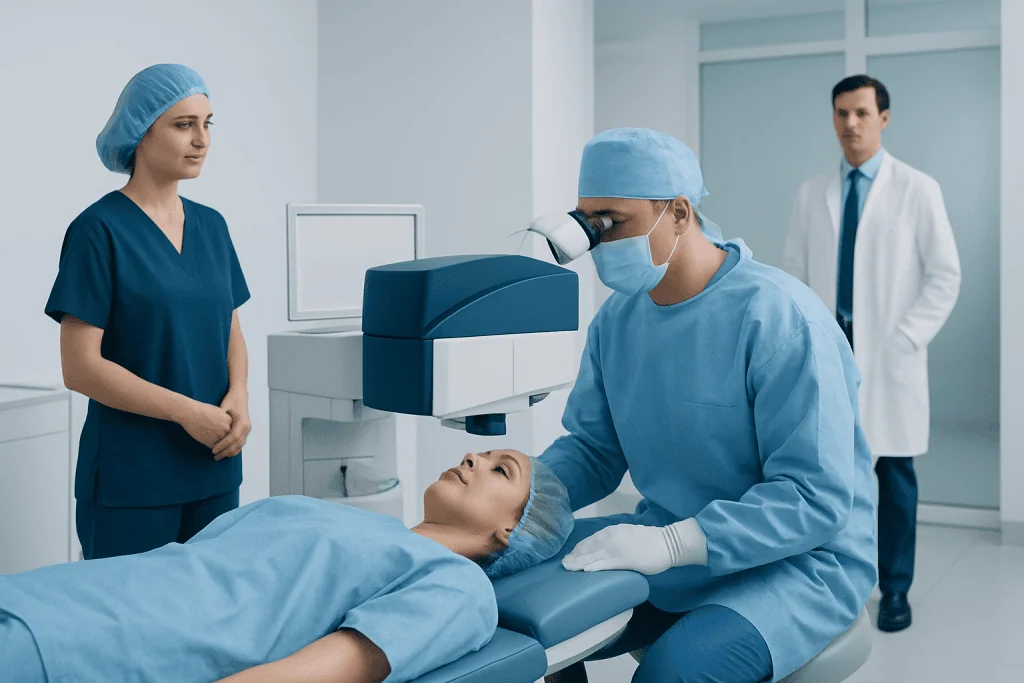
Most LASEK surgery side effects, including discomfort, tearing, glare, and blurry vision, are temporary and improve as the eye heals. Recovery after LASEK is usually slower than after LASIK, so vision may fluctuate for days to weeks.
Key Takeaways
- Most LASEK surgery side effects, including discomfort, tearing, glare, and blurry vision, are temporary and improve as the eye heals.
- Recovery after LASEK is usually slower than after LASIK, so vision may fluctuate for days to weeks.
- Important but less common risks include infection, delayed healing, dry eye, corneal haze, and undercorrection or overcorrection.
- Careful use of prescribed eye drops, avoiding eye rubbing, and protecting the eyes from sunlight support healing.
- Severe pain, worsening redness, sudden vision loss, or discharge should be assessed by an eye doctor promptly.
LASEK is a type of laser vision correction that can reduce dependence on glasses or contact lenses, but it can also cause short-term side effects and, less commonly, complications. Most people recover well with proper aftercare, realistic expectations, and timely follow-up with an eye specialist.
Overview of LASEK and Its Side Effects
LASEK, or laser-assisted subepithelial keratectomy, is a refractive eye procedure used to correct vision problems such as nearsightedness, farsightedness, and astigmatism. It reshapes the cornea with an excimer laser after the surface epithelial layer is loosened and moved aside. Unlike LASIK, LASEK does not create a deeper corneal flap, which may make it suitable for some people with thinner corneas or certain lifestyle needs.
As with any eye procedure, LASEK surgery side effects can happen during the healing process. Many are expected and temporary, especially in the first few days. These commonly include eye discomfort, watering, light sensitivity, blurry vision, and a sensation that something is in the eye.
It is also important to understand that recovery after LASEK is often slower than after some other vision correction procedures. Vision may improve gradually rather than immediately. This can feel frustrating, but it is often a normal part of healing.
Most side effects improve with time and proper aftercare. However, a small number of people may develop complications that need closer monitoring or additional treatment. Preoperative assessment, following instructions carefully, and attending follow-up visits all help reduce risk.
Common Side Effects After LASEK
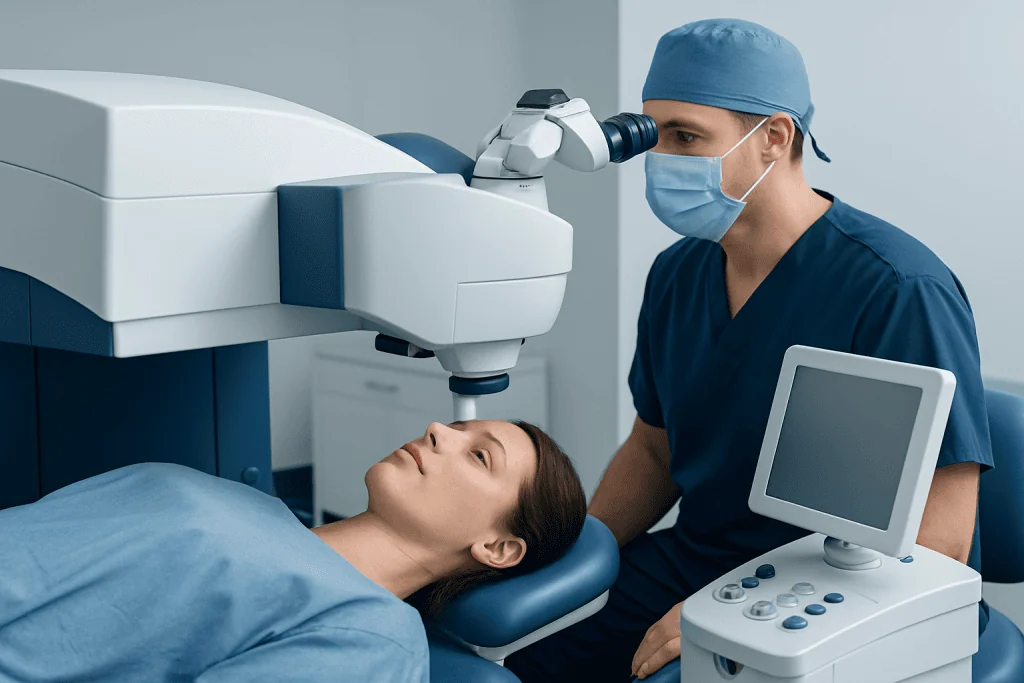
The most common LASEK surgery side effects appear soon after the procedure and usually lessen over several days or weeks. During the early recovery period, the eye surface is healing, which explains why symptoms may feel more noticeable than after some other laser procedures.
Common short-term side effects include:
- Eye pain or burning, especially in the first 48 to 72 hours
- Tearing or watery eyes
- Light sensitivity
- Blurred or fluctuating vision
- Redness
- A gritty, sandy, or foreign-body sensation
- Halos or glare, especially at night
Dry eye symptoms are also common after refractive surgery. The eyes may feel irritated, tired, or intermittently blurry, particularly when reading, using screens, or being in air-conditioned or windy environments. Artificial tears and prescribed drops are often part of routine care during this period.
Many people also notice that one day may seem better than the next. This fluctuation can be normal in early healing. The bandage contact lens placed after LASEK is usually removed after several days, and comfort often improves after that stage.
Possible Risks and Less Common Complications
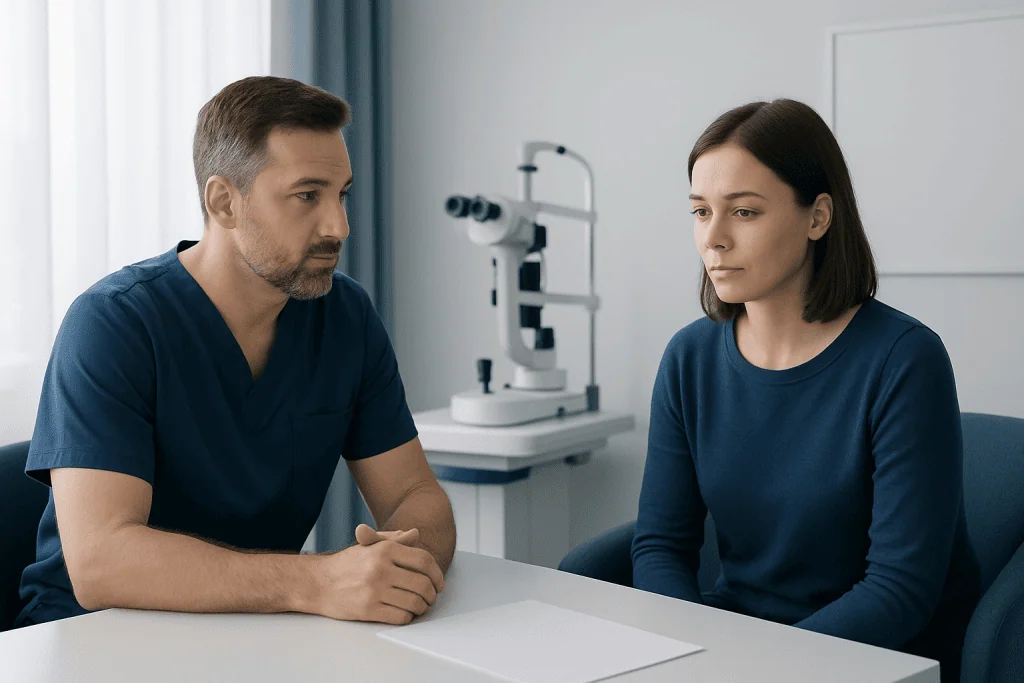
Although most people heal without major problems, LASEK surgery side effects can occasionally include complications that require medical attention. These are less common, but patients should know about them before treatment so they can recognize warning signs and seek help early if needed.
Potential complications may include infection, delayed epithelial healing, significant dry eye, corneal haze, scarring, or persistent visual symptoms such as glare and halos. Some people may also have undercorrection or overcorrection, meaning the vision result is not exactly as planned. In some cases, an enhancement procedure may be considered later.
Corneal haze is one of the better-known risks after surface laser procedures such as LASEK and PRK. It refers to a cloudy healing response in the cornea that can reduce visual clarity. Modern techniques and medications have lowered this risk, but it can still occur, especially in stronger prescriptions or if aftercare is not followed closely.
Very rarely, irregular healing can affect visual quality for longer than expected. This is why people with certain corneal conditions may need extra evaluation before surgery. For example, someone with abnormal corneal shape may need assessment related to keratoconus treatment or other corneal concerns rather than standard laser correction.
Who May Have a Higher Risk of Side Effects?
Not everyone has the same likelihood of side effects after LASEK. The condition of the cornea, the strength of the vision prescription, age, eye surface health, and general healing response can all influence recovery. A detailed preoperative eye examination helps determine whether LASEK is appropriate and whether another option may be safer or more effective.
People with dry eye disease, eyelid inflammation, autoimmune conditions, poorly controlled diabetes, or certain corneal abnormalities may have a higher risk of delayed healing or postoperative discomfort. Very high refractive errors can also increase the chance of visual regression or haze. If a person already has unstable vision or other eye disease, the care team may advise against surgery until the underlying issue is addressed.
Contact lens use can also affect pre-surgical measurements, so patients are usually asked to stop wearing lenses for a period before evaluation. This allows the cornea to return to its natural shape. For some individuals, alternatives such as iLASIK or other refractive procedures may be discussed depending on corneal thickness, lifestyle, and visual goals.
A careful consultation is one of the best ways to reduce the chance of avoidable problems. It helps match the right procedure to the right patient and sets realistic expectations about what the surgery can and cannot achieve.
Diagnosis and Follow-Up During Recovery
After LASEK, follow-up visits are an essential part of care. The eye doctor checks how the corneal surface is healing, whether the bandage lens can be removed, and whether there are signs of infection, haze, or inflammation. Vision testing may still show some blur early on, so these appointments are often more focused on healing than on the final visual result.
The diagnosis of a normal side effect versus a complication is based on symptoms, visual acuity, and slit-lamp examination of the front of the eye. Mild discomfort, tearing, and light sensitivity are expected at first. In contrast, worsening pain, increasing redness, new discharge, or a sudden drop in vision are more concerning and need prompt evaluation.
Doctors may also assess the tear film and corneal surface if dryness remains bothersome. Persistent symptoms are not always a sign of a serious complication, but they deserve attention because targeted treatment can improve comfort and recovery. If symptoms suggest another eye surface issue, the doctor may also consider conditions such as conjunctivitis or eyelid-related irritation.
Patients should avoid self-diagnosing or changing their drops without guidance. Even if a symptom seems minor, it is best to mention it during follow-up so the care team can decide whether it is part of normal healing.
Treatment and Recovery Tips
Treatment for LASEK surgery side effects depends on whether the symptoms are expected or whether a complication has developed. Standard recovery care often includes antibiotic drops for a limited period, anti-inflammatory or steroid drops, lubricating tears, and a protective bandage contact lens for the first few days. The exact plan varies by surgeon and by the patient’s healing response.
At home, recovery is usually smoother when patients follow practical eye-care measures:
- Use all prescribed drops exactly as directed
- Do not rub the eyes
- Wear sunglasses outdoors to reduce light sensitivity and UV exposure
- Avoid swimming, hot tubs, dusty environments, and eye makeup until the doctor says it is safe
- Take screen breaks if the eyes feel strained or dry
- Rest as needed during the first few days
It is normal for vision to recover gradually. Some people can resume light daily activities within a few days, but sharp, stable vision may take longer to develop than with flap-based procedures. Driving and work should be resumed based on the doctor’s advice and the individual’s visual function rather than a fixed timeline.
If visual results remain unsatisfactory after healing, the surgeon may discuss whether additional treatment is appropriate. In specialized centers, options related to LASEK or another refractive approach can be reviewed once the cornea has fully stabilized.
When to See a Doctor
Most symptoms after LASEK improve steadily, but some warning signs should not be ignored. A doctor should be contacted promptly if pain becomes severe or suddenly worsens, redness increases instead of fading, vision drops sharply, or there is thick discharge from the eye. These symptoms may suggest infection, significant inflammation, or another complication that needs treatment.
Ongoing blurred vision, bothersome halos, or persistent dryness are not always emergencies, but they should still be discussed at follow-up visits. Early treatment may improve comfort and help prevent longer-term irritation. Patients should also mention if one eye seems to be healing much differently from the other.
Anyone considering refractive surgery should feel comfortable asking about expected healing, side effects, and alternatives before deciding on treatment. Good communication before and after surgery supports both safety and satisfaction. For international patients seeking evaluation and care, Acibadem International’s multidisciplinary specialists and JCI-accredited hospitals diagnose and treat eye conditions with individualized planning.
With proper patient selection, attentive aftercare, and timely review of new symptoms, most people recover well from LASEK and achieve clearer vision over time.
Frequently asked questions
How long do LASEK surgery side effects usually last?
Many common side effects are strongest in the first few days and then gradually improve. Vision fluctuations, light sensitivity, and dryness can last for several weeks, and final visual stability may take longer than with LASIK.
Is pain normal after LASEK?
Yes, some pain or burning is common in the early recovery period because the corneal surface is healing. It is often most noticeable during the first 48 to 72 hours and should improve with prescribed treatment and time.
Can LASEK cause permanent vision problems?
Serious long-term problems are uncommon, but they can happen in a small number of cases. Risks such as corneal haze, scarring, infection, or persistent visual disturbances may affect vision quality, which is why follow-up care is so important.
What is the difference between normal blurry vision and a complication?
Mild to moderate blurry or fluctuating vision is expected early after LASEK. However, a sudden drop in vision, worsening pain, increasing redness, or discharge should be checked by an eye doctor promptly.
Does dry eye after LASEK go away?
In many people, dry eye symptoms improve as healing progresses. Some may need lubricating drops for longer, especially if they had dryness before surgery or spend a lot of time in dry or screen-heavy environments.
Is LASEK safer than LASIK?
LASEK and LASIK have different benefits and risks rather than one being universally safer for everyone. LASEK avoids creating a deeper corneal flap, but it usually involves more discomfort and a slower recovery, so the best option depends on the individual eye.
This article is for general information only and is not a substitute for professional medical advice. Please consult a qualified doctor about your individual situation.
LASEK in Turkey — costs, top hospitals & a free quote
JCI-accredited · board-certified surgeons · reply within 24h
Add us as a Preferred Source to see more of our trusted health content across Google Search, AI Overviews and Discover.

Related Treatments
More from the Health Library

Secondary Cataract After Surgery: Why Vision Gets Cloudy Again

Contact Lenses: Who Is a Good Candidate and What Are the Limits?
Lazy Eye Treatment in Adults: Can Amblyopia Still Improve?

Amblyopia Surgery: When Is an Operation Considered for Lazy Eye?

Conjunctivitis: Red Eye Causes and When It Is Contagious