Laser Hair Removal: How to Prepare and Care for Your Skin After Sessions
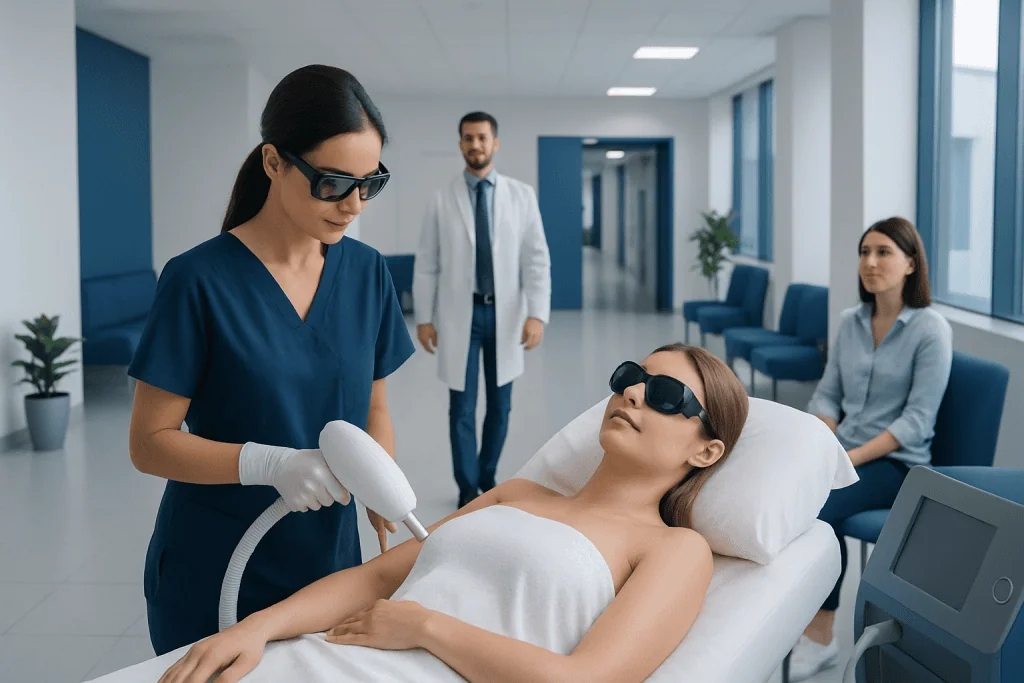
Laser hair removal targets hair follicles with light energy and usually requires several sessions. Sun protection before and after treatment is one of the most important parts of skin care.
Key Takeaways
- Laser hair removal targets hair follicles with light energy and usually requires several sessions.
- Sun protection before and after treatment is one of the most important parts of skin care.
- Patients are usually advised to shave the area before treatment and avoid waxing or plucking.
- Temporary redness, warmth, and mild sensitivity are common after a session.
- Gentle skin care and avoiding heat, friction, and tanning can help the skin recover well.
Laser hair removal can reduce unwanted hair effectively when the skin is prepared properly and cared for after each session. Understanding what to do before and after treatment helps support comfort, safety, and the best possible results.
Overview of laser hair removal
Laser hair removal is a cosmetic procedure that uses concentrated light energy to target pigment in hair follicles. The heat from the laser helps reduce future hair growth without damaging the surrounding skin when the treatment is performed appropriately. It is commonly used on the face, underarms, legs, bikini area, back, and other areas with unwanted hair.
The treatment does not usually remove all hair permanently after one session. Hair grows in cycles, and the laser is most effective when hairs are in an active growth phase. Because of this, most people need a series of treatments spaced over time, followed by maintenance sessions if needed.
Results vary based on hair color, skin tone, hormonal factors, and the area being treated. In general, darker hair responds better because the laser targets pigment. A qualified specialist will choose the most suitable laser type and settings for the person’s skin and hair characteristics.
How to prepare before a laser hair removal session
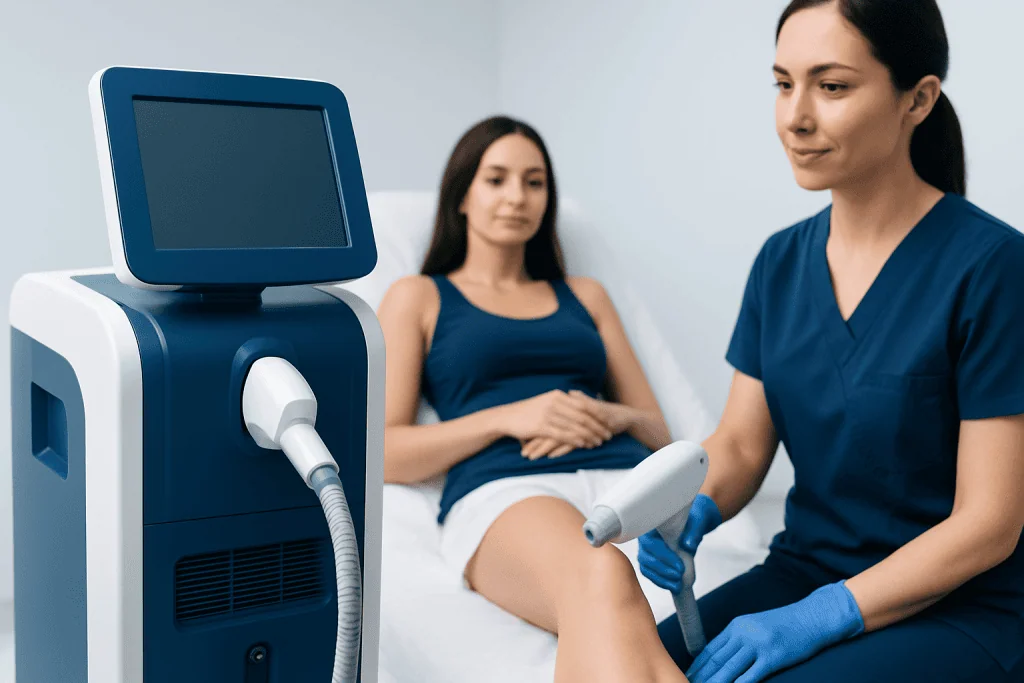
Good preparation starts several weeks before the appointment. Patients are usually advised to avoid waxing, threading, plucking, or using depilatory methods that remove hair from the root for a period recommended by their clinician. The laser needs the hair follicle to be present in order to work effectively.
Shaving is usually recommended shortly before treatment, often within a day or so depending on the area and the clinic’s instructions. Shaving leaves the follicle in place while reducing surface hair that could absorb too much heat. The skin should also be clean on the day of treatment, without makeup, deodorant, lotion, perfume, or self-tanning products on the area.
Sun exposure is an important issue. Tanned or sunburned skin can increase the risk of irritation and pigment changes, so patients are often told to avoid direct sun and tanning beds before treatment and to use broad-spectrum sunscreen regularly. A clinician should also be informed about recent skin procedures, a history of cold sores, active rashes, and any medications that may increase light sensitivity.
- Avoid waxing, plucking, or threading before treatment.
- Shave the area as instructed by the clinic.
- Do not use self-tanner on the treatment area.
- Avoid heavy sun exposure and tanning beds.
- Tell the clinician about medicines, acne treatments, and skin conditions.
What happens during the procedure

Before treatment begins, the specialist typically reviews the skin, confirms the treatment plan, and may perform or refer to a test patch, especially for darker skin tones or sensitive areas. Protective eyewear is worn during the session. In some cases, a cooling gel or built-in cooling device is used to help protect the skin and improve comfort.
During the session, the laser delivers brief pulses of light to the targeted area. Many people describe the feeling as a warm snapping sensation or a quick flick against the skin. The level of discomfort varies depending on the body area, the density of hair, individual sensitivity, and the type of laser used.
Sessions can be relatively short for small areas such as the upper lip and longer for larger regions such as the legs or back. After the treatment, the skin may look slightly pink or feel warm, similar to a mild sun-exposed feeling. This usually settles gradually with simple aftercare steps.
How to care for the skin after laser hair removal
After a session, the skin is often mildly red, warm, or a little swollen around the hair follicles. This is a common short-term response. Cool compresses and gentle skin care can help soothe the area. The treated skin should be kept clean and moisturized with mild, fragrance-free products unless the treating clinician advises otherwise.
For several days after treatment, it is usually best to avoid anything that adds heat or friction to the skin. This can include very hot showers, saunas, steam rooms, vigorous exercise, tight clothing over the treated area, and harsh exfoliants. Patients should also avoid scratching, picking, or trying to remove shedding hairs aggressively.
Sun protection remains essential after laser hair removal. Freshly treated skin can be more sensitive to ultraviolet exposure, which may increase the chance of darkening or irritation. A broad-spectrum sunscreen and protective clothing are often recommended when the treated area is exposed. Some people also notice that treated hairs seem to “grow” for a short time afterward, but this is often shedding of damaged hairs rather than new growth.
- Use cool compresses if the skin feels warm or irritated.
- Choose gentle cleansers and fragrance-free moisturizers.
- Avoid tanning, direct sun, and irritating skin products.
- Skip scrubs, peels, and retinoids on the treated area until advised.
- Follow the clinic’s instructions about shaving between sessions.
Possible side effects and when to seek medical advice
Most side effects after laser hair removal are mild and temporary. Redness, slight swelling around follicles, tenderness, and a warm sensation are common and often improve within hours to a few days. Some people may develop temporary dryness, itching, or a mild rash-like reaction, especially if the skin is naturally sensitive.
Less commonly, pigment changes can occur, particularly if the skin is sun-exposed before or after treatment or if the laser settings are not well matched to the skin type. Blistering, crusting, burns, or infection are uncommon but important to recognize. These reactions need prompt medical assessment, especially if symptoms are worsening rather than improving.
Patients should contact their treatment provider or a doctor if they develop significant pain, spreading redness, blisters, pus, fever, or skin changes that do not settle as expected. People with recurring ingrown hairs or irritation may also benefit from specialist advice from a dermatology team. If unwanted changes in skin color occur, early review may help guide appropriate care.
How many sessions are needed and what results to expect
Laser hair removal usually works gradually. Because not all hairs are in the same growth phase at the same time, multiple sessions are needed to target hairs effectively over several treatment cycles. The exact number depends on the treatment area, hair thickness, skin type, and hormonal influences.
Many people notice that hair becomes finer, lighter, or slower to grow after a few sessions. Some areas respond more quickly than others. Hormone-sensitive areas, such as the face, may need more sessions or occasional maintenance over time. The goal is often long-term hair reduction rather than the absolute absence of every hair.
It is helpful to have realistic expectations and to follow the recommended schedule. Delays between sessions can reduce efficiency, while proper preparation and aftercare can support better comfort and outcomes. For people exploring broader options in aesthetic skin care, a clinician may also discuss related dermatology or medical aesthetics and cosmetology services when appropriate.
Who may need extra caution
Laser hair removal is not suitable for everyone in the same way. People with very recent tanning, active skin infections, open wounds, severe irritation, or certain photosensitizing medications may need to postpone treatment. Those with a history of keloid scarring, pigment disorders, or recurrent herpes outbreaks in the treatment area should discuss this with their doctor beforehand.
People with darker skin tones can often be treated safely, but this requires the right laser technology and an experienced clinician who understands how to adjust settings carefully. Individuals with very light, gray, white, or red hair may have a less predictable response because there is less pigment for the laser to target.
A consultation is especially important if a person has hormonal conditions linked to excess hair growth, such as polycystic ovary syndrome. In these cases, laser hair removal may still help, but addressing the underlying cause can improve overall results. Near the end of the care journey, some international patients may choose centers such as Acibadem International, where multidisciplinary specialists in JCI-accredited hospitals evaluate and treat skin and hair concerns.
When to speak with a specialist
It is wise to speak with a qualified clinician before starting laser hair removal, especially if the person has sensitive skin, a chronic skin condition, unusual hair growth, or concerns about scarring or pigmentation. A proper assessment helps determine whether laser treatment is suitable and which approach may be safest.
Medical advice is also important if the treatment area develops persistent redness, peeling, blistering, darkening, lightening, or signs of infection after a session. Early assessment can help protect the skin and guide recovery. People who are unsure about whether their symptoms are expected should not hesitate to ask for professional advice.
If unwanted hair growth is sudden, severe, or associated with menstrual changes, acne, weight changes, or other hormonal symptoms, a doctor may recommend further evaluation. In some cases, care may involve both skin-focused treatment and assessment by relevant specialists to look for underlying causes.
Frequently asked questions
How long should someone stay out of the sun before and after laser hair removal?
Exact timing can vary by clinic and skin type, but avoiding tanning and strong sun exposure before and after treatment is very important. Sunburned or recently tanned skin can be more prone to irritation and pigment changes. A clinician can give personalized advice based on the area treated and the person's skin tone.
Can someone shave between laser hair removal sessions?
Yes, shaving is usually allowed and often recommended between sessions. Shaving removes surface hair without pulling the follicle out, which helps the next treatment work properly. Waxing, threading, and plucking are usually discouraged because they remove the target hair root.
Is redness after laser hair removal normal?
Mild redness, warmth, and slight swelling around the follicles are common short-term effects. These changes often improve within hours to a few days. If symptoms become severe, blistering appears, or the skin seems infected, medical advice is needed.
When can normal skin care products be used again?
Gentle cleansers and bland moisturizers are usually suitable soon after treatment unless the clinician advises otherwise. Strong exfoliants, retinoids, acids, and fragranced products are often paused for a short period because they may irritate the skin. The exact timing depends on how sensitive the skin feels and the provider's instructions.
Does laser hair removal work for everyone?
Results vary based on hair color, skin tone, the treatment area, and hormonal factors. Darker hair often responds better because the laser targets pigment in the hair follicle. Some hair colors, such as gray, white, or very light blond, may respond less effectively.
Can laser hair removal treat ingrown hairs?
For some people, reducing hair growth can also reduce the frequency of ingrown hairs, especially in areas that are shaved often. However, treatment plans should be individualized, particularly if the skin is inflamed or prone to pigmentation. A dermatologist or laser specialist can advise whether it is appropriate for that situation.
References
- American Academy of Dermatology
- British Association of Dermatologists
- Mayo Clinic
- National Health Service
- U.S. Food and Drug Administration
This article is for general information only and is not a substitute for professional medical advice. Please consult a qualified doctor about your individual situation.
Hair transplant in Turkey — costs, graft counts & a free assessment
JCI-accredited · board-certified surgeons · reply within 24h
Add us as a Preferred Source to see more of our trusted health content across Google Search, AI Overviews and Discover.