

LASIK Suicide: An Evidence-Based Patient Guide

There is no evidence that LASIK directly causes suicide, but severe or persistent postoperative symptoms can affect quality of life and mental wellbeing. Dry eye, glare, halos, fluctuating vision, and rarely persistent eye pain may occur after LASIK and should be assessed promptly.
Key Takeaways
- There is no evidence that LASIK directly causes suicide, but severe or persistent postoperative symptoms can affect quality of life and mental wellbeing.
- Dry eye, glare, halos, fluctuating vision, and rarely persistent eye pain may occur after LASIK and should be assessed promptly.
- A careful preoperative eye examination, realistic expectations, and discussion of mental health history support safer decision-making.
- New or worsening depression, anxiety, hopelessness, or thoughts of self-harm require urgent mental health support, regardless of the cause.
- Most people recover well after LASIK, but treatment plans should be individualized when symptoms persist.
LASIK suicide is a distressing search term that reflects concern about whether LASIK-related symptoms can affect mental health. Current evidence does not show that LASIK directly causes suicide, but persistent visual symptoms, pain, disappointment, or pre-existing mental health concerns can cause significant distress and deserve compassionate medical support.
Overview: What Does “LASIK Suicide” Mean?
The phrase “LASIK suicide” is often searched by people who are worried about reports of severe distress after laser vision correction. LASIK is a commonly performed procedure for correcting refractive errors such as short-sightedness, long-sightedness, and astigmatism. Most appropriately selected patients are satisfied with their results, but no procedure is free from risk.
There is no reliable evidence that LASIK directly causes suicide. However, some people may experience symptoms after surgery that are difficult to manage, including dry eye discomfort, light sensitivity, glare, halos, visual fluctuations, or dissatisfaction with vision. When these symptoms are severe, prolonged, or combined with anxiety, depression, or other life stressors, they can have a meaningful effect on emotional wellbeing.
Any person who feels overwhelmed after LASIK should be taken seriously. Eye symptoms need assessment by an ophthalmologist, while depression, panic, hopelessness, or thoughts of self-harm need timely mental health care. Seeking help is an important step and does not mean that a person has failed to cope.
How LASIK Works and Who May Be a Candidate
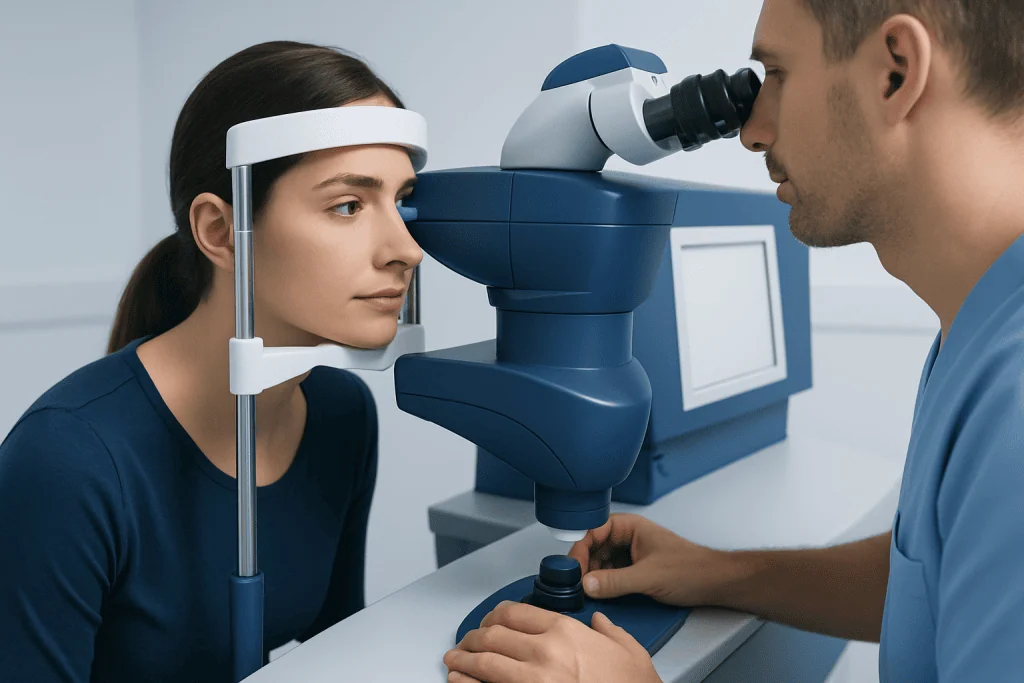
LASIK, short for laser-assisted in situ keratomileusis, changes the shape of the cornea, the clear front surface of the eye. By reshaping the cornea, the procedure changes how light is focused on the retina and can reduce dependence on glasses or contact lenses. A thin corneal flap is created, laser treatment is applied to underlying tissue, and the flap is repositioned.
Good candidacy depends on more than a glasses prescription. An ophthalmologist considers the stability of the prescription, corneal thickness and shape, tear-film health, pupil size, general eye health, age, and personal visual needs. Testing is also used to identify concerns such as keratoconus, significant dry eye, cataract, glaucoma, retinal disease, or corneal irregularities.
People considering laser refractive surgery should discuss their goals and concerns openly. The LASIK eye surgery assessment should include a balanced discussion of expected benefits, possible limitations, alternatives, and the possibility that glasses, contact lenses, enhancement treatment, or other eye care may still be needed in the future.
Mental health is also relevant to informed decision-making. A history of anxiety, depression, body-image concerns, chronic pain, or heightened sensitivity to health symptoms does not automatically exclude someone from LASIK. It may, however, make it especially helpful to ensure that expectations are realistic and that emotional support is available if recovery proves more challenging than expected.
What Happens During LASIK and Recovery Timeline
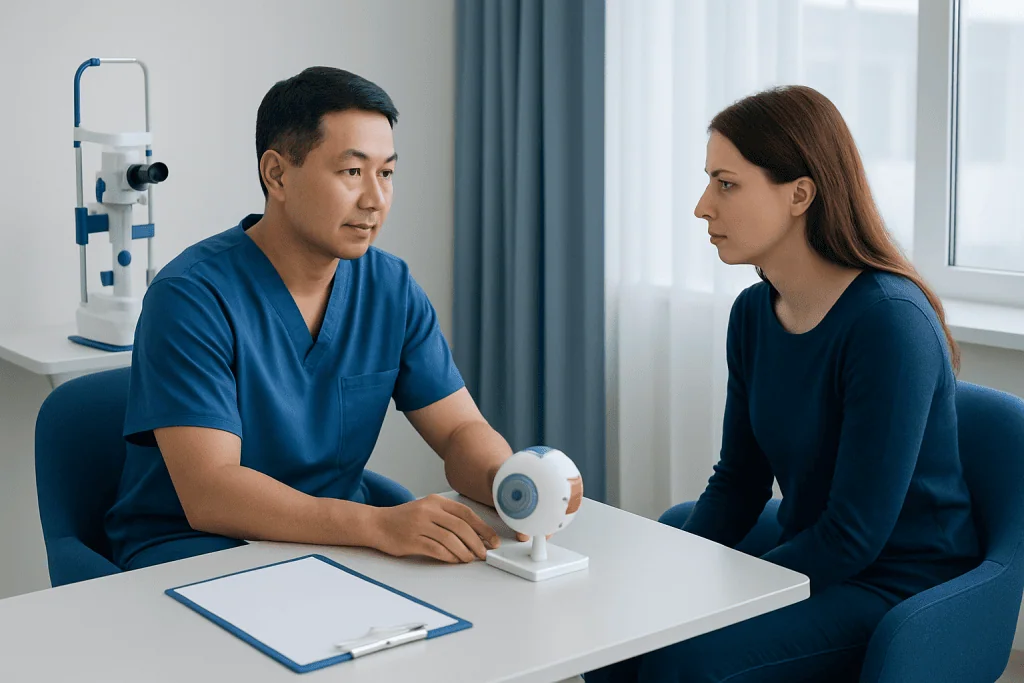
Before the procedure, the eye is measured in detail and numbing drops are used. During LASIK, the patient remains awake. A device helps keep the eyelids open, and the surgeon creates a corneal flap using a laser or a surgical instrument. The laser then reshapes the corneal tissue according to the treatment plan, and the flap is carefully returned to its original position.
The laser treatment itself is usually brief, although patients may notice pressure, lights, or sounds during the procedure. Vision may be blurry soon afterward, and mild burning, tearing, light sensitivity, or a gritty sensation can occur during the first day. Patients need someone to take them home and should follow postoperative instructions closely.
Many people notice improved vision within days, but visual quality can fluctuate during the first weeks. Dry eye symptoms may be more noticeable during this period, and nighttime glare or halos may take longer to settle. Follow-up visits allow the ophthalmologist to check healing, vision, eye pressure, corneal position, and the ocular surface.
Recovery varies between individuals. It is important not to judge the final outcome too early or compare recovery with another person’s experience. Persistent symptoms should be discussed at follow-up rather than endured in silence, because many issues can be evaluated and managed with a tailored plan.
Benefits, Risks, and Symptoms That Can Affect Wellbeing
The main potential benefit of LASIK is reduced reliance on corrective lenses for everyday activities. Some people find this convenient for work, sport, travel, or daily routines. However, LASIK is elective surgery, and the appropriate decision depends on whether the potential advantages outweigh the individual’s risks and priorities.
Possible side effects include temporary dry eye, irritation, blurred or fluctuating vision, glare, halos, starbursts around lights, reduced contrast sensitivity, and light sensitivity. Some people may need glasses for certain tasks, particularly in low light or as age-related near-vision changes develop. Less common complications can include infection, inflammation, flap-related problems, undercorrection, overcorrection, irregular astigmatism, or corneal ectasia.
Dry eye can be especially important because the corneal nerves are affected during surgery. For many patients, symptoms improve as healing progresses. In others, dry eye may need ongoing care, which can include preservative-free lubricating drops, treatment for eyelid gland dysfunction, anti-inflammatory therapies when clinically appropriate, punctal plugs, or other options selected by an eye specialist. People with pre-existing dry eye syndrome may need treatment before deciding whether LASIK is suitable.
Persistent symptoms can be emotionally exhausting, particularly when they affect sleep, screen use, driving, work, or social life. Symptoms are real even when an examination does not immediately identify a single explanation. A practical approach includes reassessment by an ophthalmologist, symptom-focused treatment, clear communication, and mental health support when distress is affecting daily life.
Mental Health, Informed Consent, and Support After LASIK
LASIK outcomes should be discussed in both visual and personal terms. A technically successful procedure may still feel disappointing if the outcome does not match a person’s expectations, if they experience a lengthy recovery, or if they are troubled by new visual sensations. Thorough informed consent helps patients understand that perfect vision and complete freedom from glasses cannot be promised.
Anyone preparing for LASIK can support their decision by asking about their individual eye findings, anticipated visual result, dry-eye risk, nighttime vision concerns, alternatives to LASIK, and what follow-up care would involve. It can also be useful to consider whether this is a calm, well-informed decision rather than a response to pressure, frustration with glasses, or an urgent wish for a perfect outcome.
After surgery, a person who is struggling should tell both their eye-care clinician and a trusted relative, friend, or healthcare professional. Psychological care can work alongside eye care; it does not imply that symptoms are imagined. Supportive counseling, treatment for anxiety or depression when indicated, sleep support, and practical adjustments at work or home may all help recovery and coping.
Acibadem International’s multidisciplinary specialists and JCI-accredited hospitals can assess persistent eye symptoms and coordinate ophthalmology and mental health support for international patients when appropriate.
When to Seek Medical Care
Patients should contact their ophthalmologist promptly if they have worsening pain, increasing redness, a sudden decrease in vision, discharge, new flashes of light, a curtain-like shadow in vision, or symptoms that become significantly worse rather than gradually improving. These symptoms do not always indicate a serious complication, but they require timely assessment.
A follow-up appointment is also appropriate for persistent dryness, burning, glare, halos, difficulty driving at night, fluctuating vision, or concerns that are interfering with work, sleep, or daily activities. A second opinion from a cornea or refractive surgery specialist may be helpful when symptoms remain unresolved or when further procedures are being considered.
Urgent mental health support is needed if a person feels hopeless, unable to stay safe, or has thoughts of self-harm or suicide. They should contact local emergency services, a crisis service, or go to the nearest emergency department immediately. If possible, they should not remain alone and should tell someone they trust what they are experiencing.
Reducing Risk and Making a Balanced Decision
Risk reduction begins before surgery. Patients should have a detailed examination, disclose all eye and health conditions, and share current medicines, previous eye procedures, contact lens use, and symptoms of dryness or discomfort. Contact lenses can temporarily alter corneal measurements, so the clinic may advise stopping their use for a period before testing.
Choosing surgery should be based on informed preferences rather than a promise of a particular result. Glasses and contact lenses remain reasonable options for many people. Other refractive approaches may be considered in selected cases, depending on corneal features, prescription, age, and eye health.
After surgery, using prescribed drops as directed, avoiding eye rubbing, attending follow-up appointments, and protecting the eyes according to the clinical team’s advice can support healing. Patients should avoid self-treating persistent symptoms with multiple over-the-counter products without guidance, as some drops can worsen irritation when used frequently.
A balanced discussion with a qualified ophthalmologist is the best way to determine whether LASIK is appropriate. For people concerned about postoperative visual symptoms, early assessment and compassionate support can make a meaningful difference.
Frequently asked questions
Does LASIK cause suicide?
Current evidence does not establish that LASIK directly causes suicide. However, severe or persistent symptoms after any procedure can contribute to distress, especially in someone with existing mental health challenges or other stressors. Anyone experiencing hopelessness or thoughts of self-harm needs urgent support.
Can LASIK affect mental health?
Some people may feel anxious, frustrated, or low in mood if recovery is difficult or visual symptoms affect daily life. This does not mean LASIK symptoms are psychological; eye symptoms and emotional health can influence one another. Both should be assessed and treated respectfully.
What symptoms after LASIK should not be ignored?
Worsening pain, redness, discharge, sudden vision loss, or a marked decline in vision need prompt ophthalmic assessment. Persistent dry eye, light sensitivity, glare, halos, or fluctuating vision should also be discussed with an eye specialist, particularly when they affect sleep, work, or driving.
How long do dry eyes last after LASIK?
Dry eye symptoms often improve over weeks to months as the cornea heals, but recovery differs between individuals. Some people need longer-term treatment, especially if dry eye was present before surgery. An ophthalmologist can assess the tear film and recommend appropriate management.
Should someone with anxiety or depression avoid LASIK?
Anxiety or depression does not automatically mean LASIK is unsuitable. It is important that the condition is appropriately managed, expectations are realistic, and the patient feels able to make an informed, unpressured decision. Discussing mental health history with the care team can support safer planning.
What should a person do if they regret LASIK?
They should arrange a review with an ophthalmologist to clarify the cause of their symptoms and discuss available treatment options. It can also help to speak with a mental health professional if regret, anxiety, sleep disruption, or low mood is becoming difficult to manage. Immediate emergency help is needed for thoughts of self-harm or suicide.
References
- U.S. Food and Drug Administration
- American Academy of Ophthalmology
- National Eye Institute
- Royal College of Ophthalmologists
- American Psychiatric Association
This article is for general information only and is not a substitute for professional medical advice. Please consult a qualified doctor about your individual situation.
Suicide in Turkey — costs, top hospitals & a free quote
JCI-accredited · board-certified surgeons · reply within 24h
Add us as a Preferred Source to see more of our trusted health content across Google Search, AI Overviews and Discover.

More from the Health Library



Related Specialists

Prof. Dr. Deniz Tuna Edizer
Otorhinolaryngology
Dr. Mehmet Arslanoğlu
Pediatrics
Assoc. Prof. Dr. Alpay Medetalibeyoğlu
Internal Medicine
Dt. Can Sart
Oral & Dental Health