Lateral Meniscus: A Complete Medical Overview
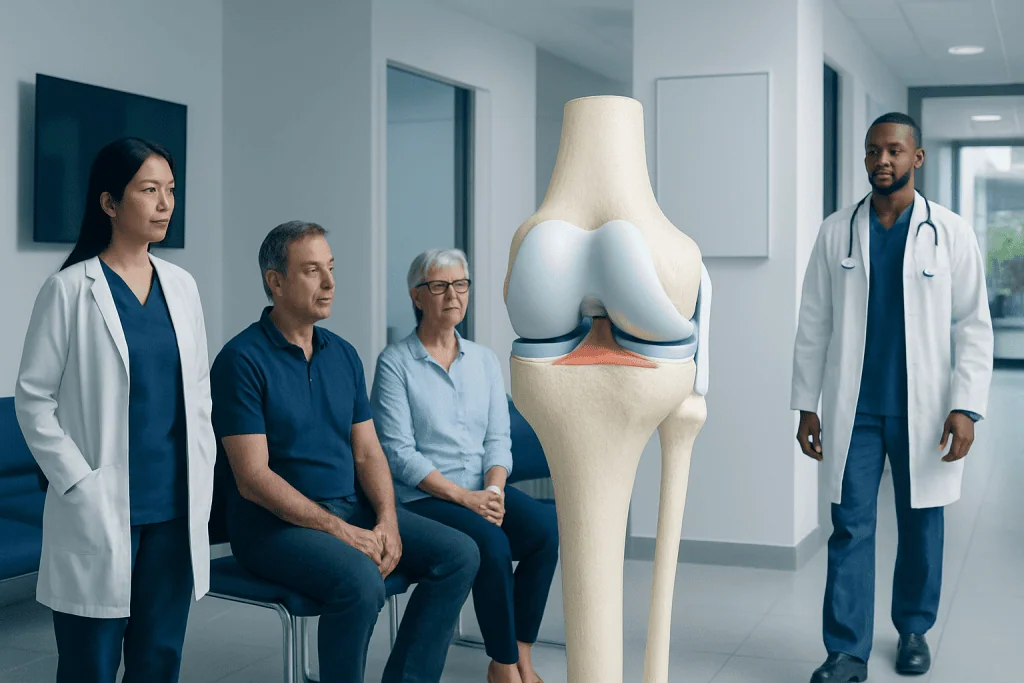
The lateral meniscus cushions and stabilizes the outer part of the knee joint. A lateral meniscus tear may happen suddenly with twisting or gradually with age-related wear.
Key Takeaways
- The lateral meniscus cushions and stabilizes the outer part of the knee joint.
- A lateral meniscus tear may happen suddenly with twisting or gradually with age-related wear.
- Common symptoms include outer knee pain, swelling, clicking, catching, and limited motion.
- Diagnosis usually combines a physical exam with imaging, especially MRI when needed.
- Many cases improve with activity modification, physical therapy, and pain control, while some require surgical repair or removal of damaged tissue.
The lateral meniscus is the C-shaped cartilage on the outer side of the knee that helps absorb shock and stabilize movement. Injury or degeneration of the lateral meniscus can cause pain, swelling, catching, or locking, and treatment ranges from rest and rehabilitation to surgery in selected cases.
Overview of the lateral meniscus
The lateral meniscus is a crescent-shaped piece of cartilage located on the outer side of the knee, between the thighbone and shinbone. It acts as a shock absorber, helps distribute body weight across the joint, and contributes to knee stability during walking, squatting, turning, and sports. Although it is small, it has an important role in protecting the smooth joint surfaces from excess stress.
When people search for “lateral meniscus,” they are usually asking about a tear or injury to this outer meniscus. A lateral meniscus problem can develop after a sudden twist of the knee, a sports injury, or gradual cartilage wear over time. Symptoms can range from mild discomfort to swelling, locking, or a feeling that the knee is not moving normally.
The lateral meniscus is different from the medial meniscus, which sits on the inner side of the knee. Because the outer and inner menisci have different shapes, movement patterns, and attachments, the symptoms and treatment approach may vary. A careful assessment helps identify whether the pain is truly from the lateral meniscus or from another knee problem, such as ligament injury, cartilage damage, or knee osteoarthritis.
How the lateral meniscus works in the knee
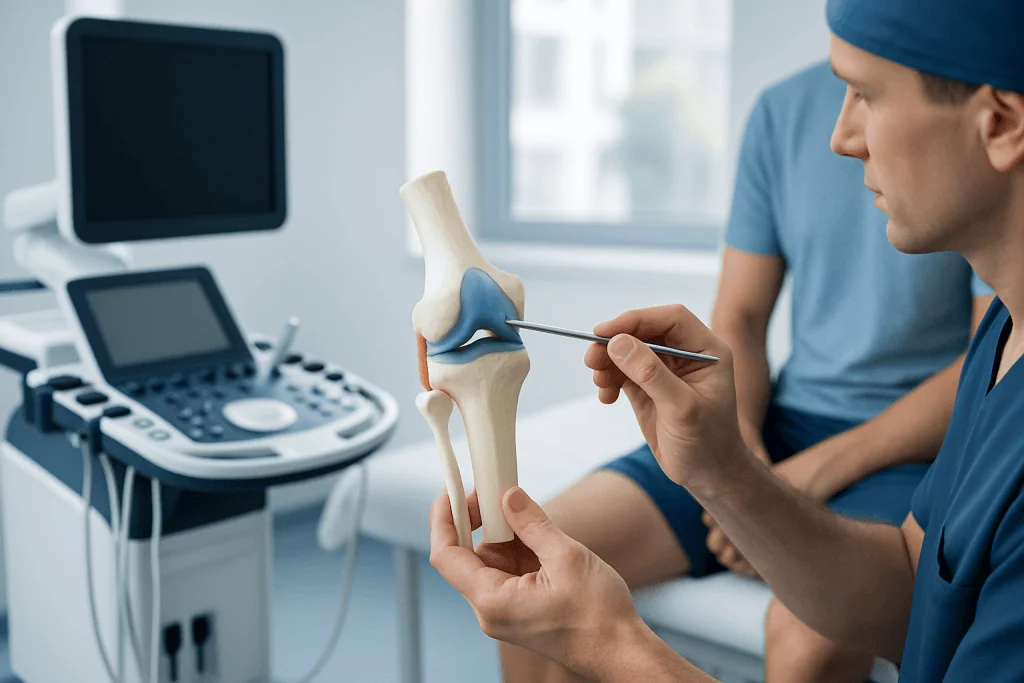
The knee is a complex joint that must be stable enough to support body weight and flexible enough to bend, straighten, and rotate. The lateral meniscus helps the outer compartment of the knee tolerate these forces. It improves the fit between the bones, spreads pressure over a wider area, and reduces friction during movement.
Blood supply to the meniscus is limited, especially toward the inner portion. This matters because healing potential depends partly on where a tear occurs. Tears near the outer rim may have a better chance of healing, while tears in the inner region often heal less reliably because fewer blood vessels reach that area.
Not every meniscus abnormality causes symptoms. Some changes seen on imaging may reflect natural aging rather than an active injury. For this reason, doctors usually interpret MRI findings together with symptoms, examination findings, and the person’s activity level before recommending treatment.
Symptoms of a lateral meniscus injury

Symptoms of a lateral meniscus problem can begin suddenly after a twist, pivot, or awkward landing, or they may appear gradually. Pain is often felt along the outer side of the knee. Some people notice swelling within hours or over the next day, while others mainly report stiffness, reduced range of motion, or discomfort when squatting.
Mechanical symptoms are especially important. A damaged lateral meniscus may cause catching, clicking, or a sensation that something is moving inside the joint. In some cases, the knee may lock and become difficult to fully straighten or bend. This can happen when a torn fragment interferes with normal joint motion.
Common symptoms include:
- Outer knee pain, especially with twisting or deep bending
- Swelling or a feeling of fullness in the knee
- Clicking, catching, or popping sensations
- Difficulty fully straightening the knee
- A sense of instability or reduced confidence on the leg
- Pain during sports, climbing stairs, or rising from a squat
Symptoms can overlap with other injuries, especially ligament problems such as an ACL tear. If a person has significant swelling after injury, trouble bearing weight, or repeated locking episodes, a medical assessment is important.
Causes and risk factors
A lateral meniscus tear can be traumatic or degenerative. Traumatic tears are more common in younger, active people and often happen during sports that involve pivoting, cutting, sudden stops, or contact. Examples include football, basketball, tennis, and skiing. The knee may twist while the foot is planted, creating a force that tears the cartilage.
Degenerative tears are more common with aging. Over time, the meniscus can become less elastic and more vulnerable to fraying or tearing with relatively minor stress. In these cases, pain may begin without one clear injury. Degeneration often coexists with early arthritis or other age-related knee changes.
Risk factors include:
- Sports with twisting or rapid directional change
- Occupations that involve repetitive squatting or kneeling
- Previous knee injuries
- Weakness or poor control of the hip and thigh muscles
- Age-related cartilage wear
- Associated ligament injuries, especially ACL injury
Some people also have a meniscus shape variation called a discoid meniscus, more often affecting the lateral meniscus. This can make the meniscus thicker and more prone to symptoms such as snapping, pain, or tearing. A doctor can usually identify this on imaging if it is relevant.
How doctors diagnose lateral meniscus problems
Diagnosis starts with a medical history and physical examination. The doctor asks how the injury happened, where the pain is located, whether the knee swells, and if there are episodes of catching or locking. During the examination, they check joint line tenderness, range of motion, swelling, and special maneuvers that may reproduce meniscus-related symptoms.
Imaging is often helpful, but not everyone needs it immediately. Plain X-rays do not show the meniscus itself, yet they are useful for looking at bone alignment, fracture, and signs of arthritis. MRI is the most common test used to visualize a meniscus tear and identify associated injuries to cartilage or ligaments.
Diagnosis is most accurate when symptoms, examination findings, and imaging are considered together. A tear seen on MRI does not always explain knee pain, especially in older adults who may have incidental age-related changes. The goal is to identify whether the lateral meniscus is truly the source of symptoms and whether treatment should focus on rehabilitation, monitoring, or procedures such as knee arthroscopy.
Treatment options
Treatment depends on the type of tear, its location, symptom severity, the person’s age and activity level, and whether other knee injuries are present. Many people begin with conservative care. This usually includes relative rest, temporary activity modification, ice, compression, and pain relief measures recommended by a clinician. Structured physical therapy often helps restore movement, strength, and knee control.
Rehabilitation focuses on reducing swelling, improving range of motion, and strengthening the quadriceps, hamstrings, hips, and core. Better muscle support can reduce stress on the knee and improve confidence with walking, stairs, and return to sport. Some people recover well without surgery, particularly when symptoms are mild and the tear is stable.
Surgery may be considered if the knee continues to lock, pain persists despite appropriate rehabilitation, or the tear pattern is unlikely to heal on its own. Depending on the tear, the surgeon may repair the meniscus or remove only the unstable damaged part while preserving as much healthy tissue as possible. Meniscus preservation is generally preferred when feasible because the meniscus helps protect the long-term health of the knee joint.
When surgery is needed, recovery plans vary. Meniscus repair may require a more gradual return to weight-bearing and sports, while partial meniscectomy can have a different rehabilitation timeline. In selected patients with complex knee damage, related procedures may also be part of care, such as ACL surgery or a broader knee surgery plan. A personalized approach helps balance symptom relief, healing potential, and joint preservation.
Self-care, recovery, and prevention
Self-care can support recovery, especially in the early phase after a new injury or during a flare of pain. Reducing activities that aggravate symptoms, using ice for short periods, and following medical advice for pain control can help settle irritation. Gentle motion is often encouraged to avoid stiffness, but the right balance depends on the diagnosis and should be guided by a healthcare professional.
Physical therapy is central both for treatment and prevention. Strong thigh and hip muscles improve knee alignment and absorb forces more effectively during activity. Training may also address landing mechanics, balance, and sport-specific movement patterns to lower reinjury risk.
Prevention is not always possible, but several steps may help:
- Warm up before sports and build training intensity gradually
- Improve leg strength, flexibility, and balance
- Use good technique for jumping, turning, and cutting movements
- Wear appropriate footwear for the activity and surface
- Address knee pain early instead of pushing through repeated symptoms
- Follow rehabilitation fully before returning to high-demand sports
People with recurrent knee problems, previous injuries, or age-related joint changes may benefit from an individualized exercise plan. This can help maintain function and reduce repeated strain on the outer compartment of the knee.
When to seek medical care
Medical evaluation is advisable if knee pain does not improve after a few days of rest, if swelling is significant, or if symptoms keep returning with routine activity. Prompt assessment is especially helpful after a twisting injury or when the knee feels unstable. Early diagnosis can guide treatment and help avoid unnecessary strain on the joint.
Urgent medical attention is appropriate if the knee locks and cannot be straightened, if bearing weight is very difficult, or if severe swelling follows an injury. These signs may indicate a more significant meniscus tear or another injury such as a ligament tear or fracture that needs timely care.
A specialist may recommend examination, imaging, and a rehabilitation plan tailored to the individual’s needs and goals. Near the end of the care pathway, some patients may require orthopedic assessment for procedures, while others do well with non-surgical management alone. Acibadem International’s multidisciplinary specialists and JCI-accredited hospitals diagnose and treat lateral meniscus problems for international patients when advanced evaluation or treatment is needed.
Frequently asked questions
What is the lateral meniscus?
The lateral meniscus is the cartilage cushion on the outer side of the knee. It helps absorb shock, spread body weight, and stabilize the joint during movement.
How is a lateral meniscus tear different from a medial meniscus tear?
A lateral meniscus tear affects the outer side of the knee, while a medial meniscus tear affects the inner side. The two menisci have different shapes and movement patterns, so symptoms, associated injuries, and treatment decisions can differ.
Can a lateral meniscus tear heal without surgery?
Some lateral meniscus tears can improve without surgery, especially if symptoms are mild and the tear is stable. Healing depends on the tear pattern, size, and location, particularly whether it is near the outer area with better blood supply.
What does a torn lateral meniscus feel like?
People often describe pain on the outer side of the knee, swelling, and discomfort when twisting or squatting. Some also notice clicking, catching, or locking if the torn tissue interferes with joint motion.
Is MRI always needed for lateral meniscus problems?
No. Many cases can first be assessed with a history and physical examination, and X-rays may be used to look for other causes of knee pain. MRI is commonly requested when the diagnosis is unclear, symptoms persist, or surgery is being considered.
How long does recovery take?
Recovery time varies widely depending on whether the problem is treated conservatively or surgically and whether there are other knee injuries. Some people improve over weeks with rehabilitation, while surgical recovery may take longer and follow a structured protocol.
This article is for general information only and is not a substitute for professional medical advice. Please consult a qualified doctor about your individual situation.
Joint and spine care in Turkey — expert assessment & treatment
JCI-accredited · board-certified surgeons · reply within 24h
Add us as a Preferred Source to see more of our trusted health content across Google Search, AI Overviews and Discover.

More from the Health Library

Senile: What Patients Need to Know

Bile Acid Diarrhea: An Evidence-Based Guide for Patients

Cellulite on Stomach: What Patients Need to Know

Pansexual: An Evidence-Based Guide for Patients

Peripheral Vision — Explained by Medical Evidence, Not Myths