Lbp Treatment: How It Works, Results and What to Expect
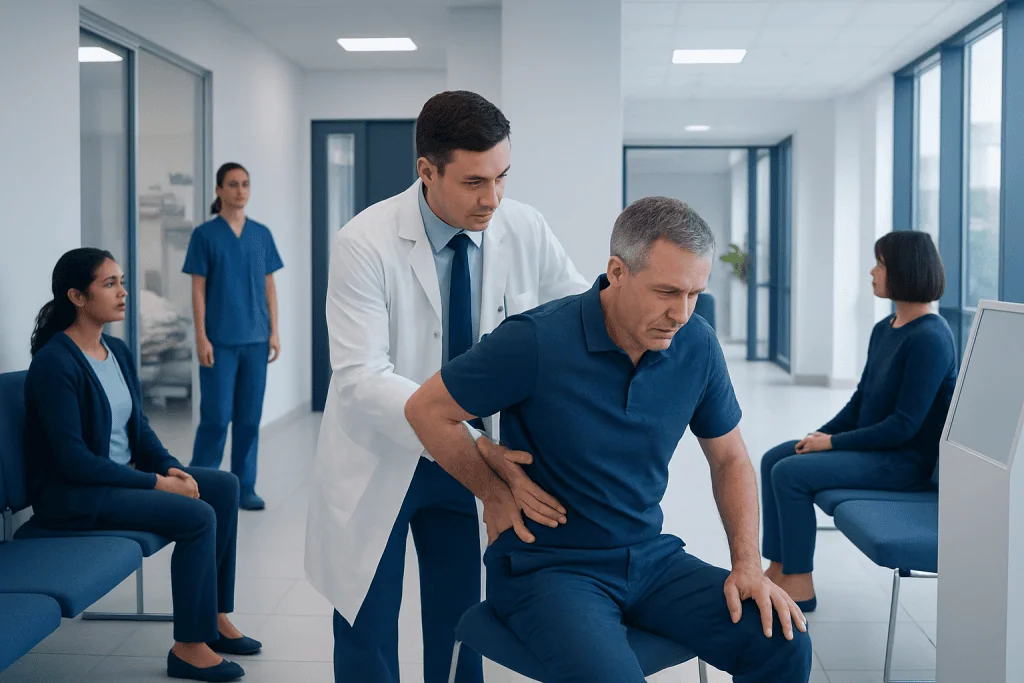
LBP means low back pain and can have muscle, joint, disc, nerve or other causes. Most acute lower back pain improves with time, gradual activity and appropriate self-care.
Key Takeaways
- LBP means low back pain and can have muscle, joint, disc, nerve or other causes.
- Most acute lower back pain improves with time, gradual activity and appropriate self-care.
- Physical therapy can build movement confidence, strength and functional ability when symptoms persist or recur.
- Scans are not routinely needed for uncomplicated back pain, but may be appropriate when warning signs or nerve symptoms are present.
- Urgent assessment is important for new bladder or bowel problems, saddle-area numbness, fever with back pain, or progressive leg weakness.
Lbp treatment usually starts with staying gently active, managing pain safely and using an individualized rehabilitation plan rather than prolonged rest. Most uncomplicated lower back pain improves over time, while persistent, severe or nerve-related symptoms may need medical assessment and targeted treatment.
Overview: What is LBP treatment?
LBP treatment refers to care for low back pain, ranging from practical self-management and exercise-based rehabilitation to medicines, image-guided procedures or surgery in selected cases. The right approach depends on the likely cause of pain, its duration, its effect on daily life, and whether there are symptoms involving the nerves in the legs.
For many people, the first goal is not complete bed rest or an immediate scan. It is to keep moving within comfortable limits, reduce pain enough to resume daily activities, and gradually restore strength, mobility and confidence. Care is usually adjusted over time, because low back pain can improve naturally but may also recur.
LBP can be described as acute when it has lasted less than several weeks, subacute when it continues longer, and chronic when it persists for about three months or more. Persistent pain does not necessarily mean ongoing damage, but it deserves a careful assessment and a plan that addresses physical, work, sleep and emotional factors.
Is LBP lower back pain?
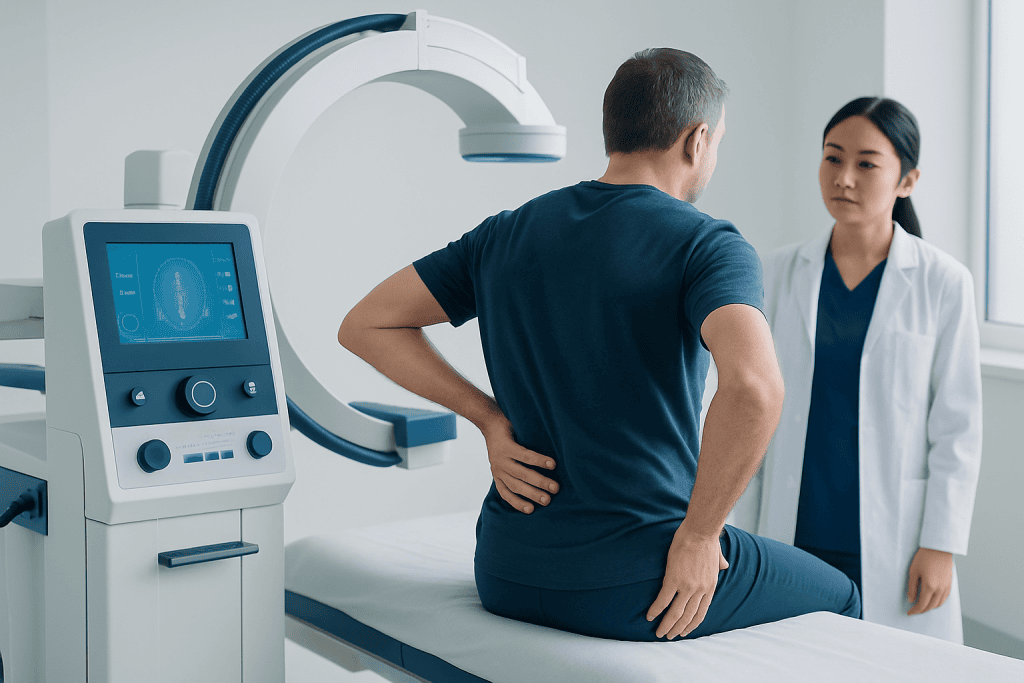
Yes. LBP is the common clinical abbreviation for low back pain, meaning pain or discomfort in the area below the ribs and above the buttocks. It may be felt centrally or on one side, and it can sometimes spread into the buttock, hip or leg.
Low back pain is a symptom rather than one single diagnosis. A strain or sprain, age-related changes in spinal joints or discs, reduced conditioning, prolonged positions, or irritation of a nerve can all contribute. Pain that travels down one leg with tingling, numbness or weakness may suggest sciatica, which can need a different assessment from pain limited to the back.
Clinicians also consider less common causes, such as inflammatory conditions, fracture, infection or cancer, when the history or examination suggests them. This is why an individualized evaluation is useful when symptoms are persistent, unusual or worsening.
How LBP treatment works: assessment, candidacy and planning
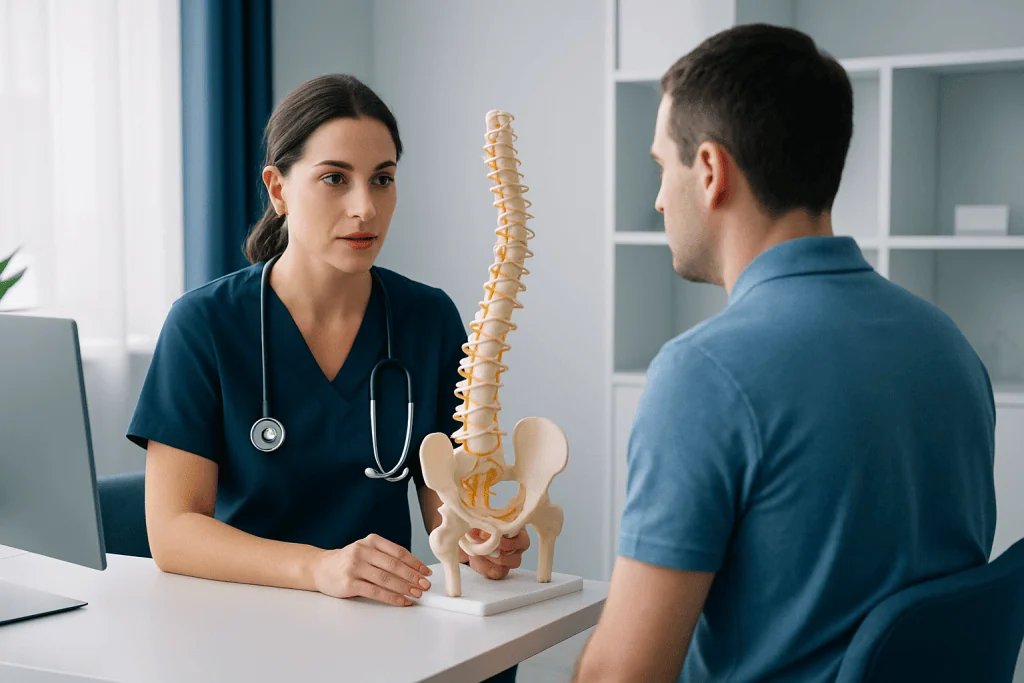
Effective LBP treatments begin with a history and physical examination. A clinician asks about the location and pattern of pain, triggers, sleep, work demands, previous episodes, general health and any neurological symptoms. The examination may include posture, walking, spinal movement, hip function, muscle strength, reflexes and sensation.
Many people are candidates for conservative care, particularly when pain is recent, there are no warning signs, and everyday movement remains possible. Conservative care commonly includes education, a graded return to activity, physical therapy, and short-term pain-relief options where medically appropriate. Imaging such as X-ray or MRI is usually reserved for symptoms that do not improve as expected, significant trauma, suspected serious disease, or possible nerve compression.
People with severe radiating pain, meaningful weakness, symptoms lasting despite well-delivered rehabilitation, or a clear structural problem may be referred to a spine, orthopedics, neurology, pain medicine or rehabilitation specialist. The purpose is to match treatment to the problem rather than treating an image finding alone.
Acibadem International’s multidisciplinary specialists at JCI-accredited hospitals evaluate and treat spine-related conditions for international patients, coordinating rehabilitation, pain management and surgical care when needed.
Step-by-step: what an LBP therapy plan may involve
There is no single procedure called “LBP therapy.” Instead, an LBP therapy definition usually includes a structured, progressive plan designed to reduce limitations and help a person return to valued activities. An LBP rehab protocol is tailored to symptoms, fitness, work or sport demands, and the findings of the assessment.
A typical plan begins with education about safe movement and pacing, followed by gentle mobility work and everyday activities such as short walks. A physiotherapist may then introduce exercises for trunk, hip and leg strength, flexibility, balance and movement control. Treatment can also include practical advice on lifting, sitting, sleep positions and work modifications.
In LBP in PT, meaning low back pain managed in physical therapy, progress is usually measured by improved walking tolerance, ability to sit or bend, sleep quality, work function and confidence—not only by pain scores. Passive treatments may provide short-term comfort for some people, but active rehabilitation is generally central to lasting functional improvement.
When conservative care is insufficient, clinicians may discuss medication, targeted injections for carefully selected diagnoses, or surgery for specific conditions such as significant nerve compression or spinal instability. These options require a clear discussion of likely benefits, limits and alternatives. For specialist evaluation and rehabilitation planning, spine surgery and spine care may be considered when clinically appropriate.
Benefits, risks and realistic expectations
The potential benefits of an individualized LBP treatment plan include less pain interference, better mobility, improved sleep, greater ability to work or exercise, and fewer recurrent episodes. Improvement is often gradual. A successful outcome may mean returning to normal or valued activity even if occasional discomfort remains.
Exercise-based rehabilitation is generally safe when adapted to the individual. Temporary muscle soreness or a brief increase in symptoms can occur when activity is increased, but sharp worsening pain, new leg weakness or neurological symptoms should be reported promptly. A therapist can modify exercises, intensity and pacing.
Medicines can be helpful for short periods but may cause side effects or interact with other treatments. Anti-inflammatory medicines are not suitable for everyone, especially people with certain stomach, kidney, heart or bleeding risks. Strong pain medicines may have substantial risks and are not routinely a long-term solution for most low back pain.
Injections and surgery may help particular patients, but neither is appropriate for every type of back pain. Procedures carry risks such as infection, bleeding, nerve injury, reaction to medicines or anesthesia, and incomplete relief. Shared decision-making with a qualified clinician helps ensure that expected benefit justifies these risks.
LBP recovery: timelines, activity and medicines
How long does it take to get rid of lower back pain? Many new episodes improve substantially within a few days to several weeks, although recovery varies by cause, overall health and activity demands. Some people have symptoms for longer or experience repeat episodes. If pain is not improving after a few weeks, is limiting normal function, or keeps returning, a medical review can help refine the plan.
Is walking good for LBP? Walking is often helpful because it supports gentle movement, circulation and confidence without requiring complex equipment. It should be started at a comfortable duration and increased gradually. A person should stop and seek advice if walking causes severe or progressively worsening pain, marked leg symptoms, weakness, dizziness or other concerning signs.
How long does it take for lower back pain medication to work? This depends on the medicine, the cause of pain and the individual. Some non-prescription pain-relief options may begin helping within hours, while medicines intended for nerve-related pain can take longer to assess. Medication should be used exactly as advised by a clinician or pharmacist, alongside—not instead of—appropriate movement and rehabilitation.
A practical LBP recovery plan often includes regular sleep, manageable activity, breaks from prolonged sitting, gradual conditioning and attention to stress. Heat or cold may offer temporary comfort for some people. Long periods of bed rest are generally discouraged because they can increase stiffness, reduce conditioning and delay return to normal activity.
When to seek medical care
Medical advice is recommended when low back pain is severe, follows a significant injury, lasts longer than expected, repeatedly disrupts daily activities, or spreads below the knee with persistent numbness, tingling or weakness. Assessment is also sensible for pain that is unexplained, worsening at night, or accompanied by unintentional weight loss or a history of cancer, osteoporosis, immune suppression or long-term steroid use.
Urgent medical assessment is needed for new loss of bladder or bowel control, inability to urinate, numbness around the genitals or buttocks, rapidly increasing leg weakness, fever or feeling very unwell with back pain. These symptoms are uncommon, but they can indicate conditions requiring prompt treatment.
People should also seek timely care if back pain begins after a fall or accident, particularly in older adults or those at risk of fracture. A clinician can determine whether imaging, laboratory testing, rehabilitation referral or specialist input is needed.
Frequently asked questions
What is the best treatment for LBP?
The best LBP treatment depends on the cause, duration and severity of symptoms. For uncomplicated low back pain, staying active, graded exercise, education and targeted physical therapy are commonly recommended. Medicines or procedures may be considered when appropriate after medical assessment.
Should people rest in bed with lower back pain?
Short rest may be necessary during severe pain, but extended bed rest is generally not advised. Gentle movement and a gradual return to normal activities usually support recovery better. A clinician can advise on safe activity levels when symptoms are severe or include leg pain.
When is an MRI needed for low back pain?
An MRI is not routinely needed for a recent, uncomplicated episode of low back pain. It may be considered when there are serious warning signs, significant or progressive nerve symptoms, suspected infection or fracture, or persistent symptoms that may change treatment decisions. The decision should be based on a clinical examination.
Can physical therapy make lower back pain worse at first?
Some temporary soreness or symptom fluctuation can occur as activity increases, especially after a period of reduced movement. Exercises should be adjusted to remain tolerable and should not cause progressive neurological symptoms. New weakness, severe worsening pain or numbness should be discussed promptly with a healthcare professional.
Can lower back pain come back after recovery?
Yes, recurrence is common, especially when work, inactivity, poor sleep, stress or previous episodes contribute. Continuing a manageable exercise routine, pacing demanding activities and using good lifting strategies may reduce the impact of future episodes. Recurrence does not automatically mean that serious damage has occurred.
What symptoms suggest low back pain may be urgent?
Urgent symptoms include new bowel or bladder changes, numbness around the saddle area, rapidly worsening leg weakness, fever with back pain, or pain after major trauma. These signs are uncommon but require prompt medical assessment. If in doubt, seeking urgent professional advice is the safest choice.
References
- World Health Organization
- National Institute for Health and Care Excellence
- American College of Physicians
- National Institute of Neurological Disorders and Stroke
This article is for general information only and is not a substitute for professional medical advice. Please consult a qualified doctor about your individual situation.
Joint and spine care in Turkey — expert assessment & treatment
JCI-accredited · board-certified surgeons · reply within 24h
Add us as a Preferred Source to see more of our trusted health content across Google Search, AI Overviews and Discover.

More from the Health Library


Related Specialists

Assoc. Prof. Dr. Mehmet Ferdi Kıncı
Gynecology & Obstetrics
Dr. Buğra Alpan
Orthopedic Surgery & Traumatology
Dr. Erhan Çatalbaş
Emergency Service
Ody. Zeynep Gence
Audiology