Left Side Pain Under Ribs Female: Possible Causes and When to Seek Care
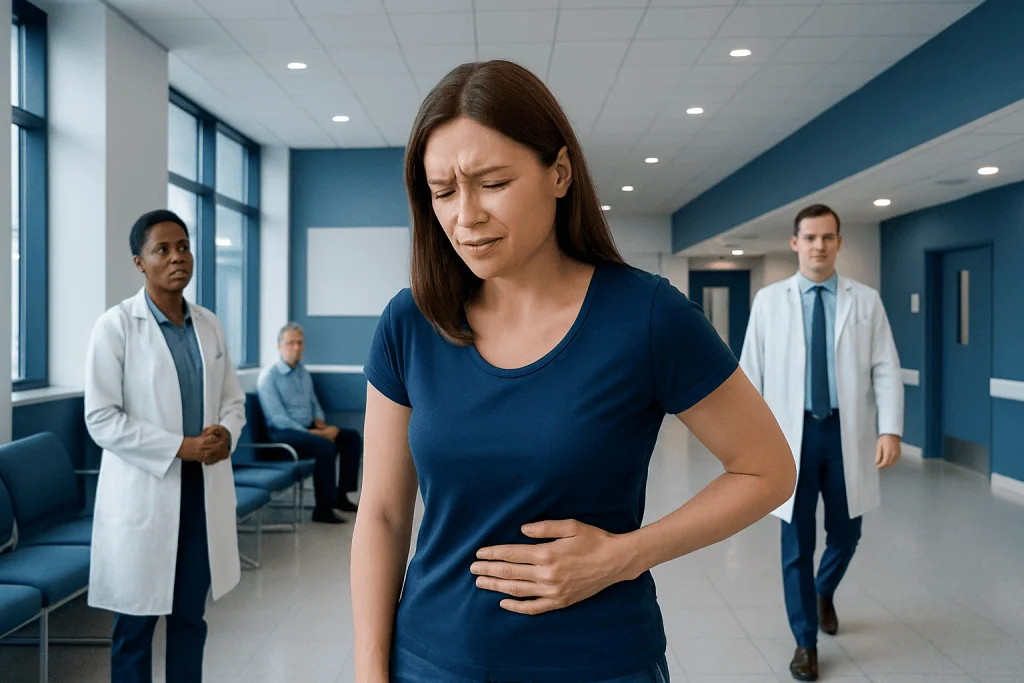
Left-sided pain under the ribs can start in the chest wall, stomach, bowel, kidney, lung, spleen, or nearby nerves. Common benign causes include muscle strain, gas, constipation, and indigestion, but persistent or severe pain needs assessment.
Key Takeaways
- Left-sided pain under the ribs can start in the chest wall, stomach, bowel, kidney, lung, spleen, or nearby nerves.
- Common benign causes include muscle strain, gas, constipation, and indigestion, but persistent or severe pain needs assessment.
- Warning signs include chest pressure, shortness of breath, fever, vomiting, fainting, blood in stool or urine, or pain after an injury.
- The timing, exact location, relation to meals, breathing, movement, and menstrual cycle can help narrow the cause.
- Evaluation may include a physical exam, blood and urine tests, ultrasound, X-ray, or CT depending on symptoms.
Left side pain under the ribs in females is a symptom rather than a diagnosis. It may be caused by a strained muscle, trapped gas, constipation, stomach irritation, kidney problems, lung conditions, or less commonly a problem involving the spleen, heart, or reproductive organs, so the pattern of symptoms helps guide when to seek care.
Overview: what left side pain under the ribs may mean
Left side pain under ribs female is a common search because this area contains several different organs and tissues. Pain may come from the abdominal wall muscles, the lower ribs and cartilage, the stomach, colon, pancreas, left kidney, left lung, or the spleen. Sometimes pain is also felt here even when the source is nearby rather than directly under the ribs.
In many women, the cause is not dangerous and may relate to a pulled muscle, bloating, constipation, or stomach irritation. However, the same symptom can occasionally signal a more serious issue such as a kidney infection, pneumonia, a spleen problem, pancreatitis, or heart-related pain that is felt in an unusual location.
Because the causes are varied, doctors usually look at the whole pattern rather than the pain alone. Whether the pain is sharp or dull, sudden or gradual, linked to eating, breathing, movement, urination, or the menstrual cycle can provide useful clues. Persistent, worsening, or severe symptoms should be checked by a qualified clinician.
How the pain may feel and what patterns can suggest
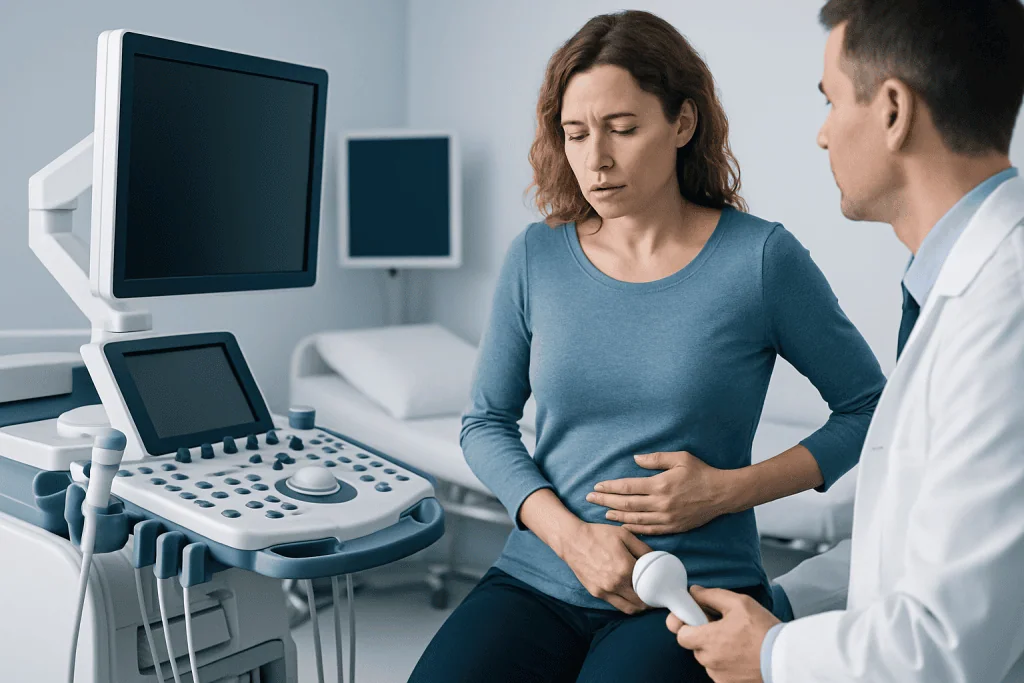
The pain may feel sharp, stabbing, cramping, burning, aching, or like pressure under the left rib cage. Some women notice pain only when twisting, coughing, laughing, or taking a deep breath, which may point more toward the muscles, ribs, or lining around the lungs. Others feel fullness, bloating, or cramping after meals, which may suggest a digestive cause.
Pain that comes in waves may happen with bowel spasm, constipation, or kidney stones. A burning or gnawing discomfort can occur with acid-related stomach irritation or an ulcer. A deep constant pain that spreads to the back may raise concern for the pancreas or kidney, while pain with fever or a cough may suggest a chest or lung infection.
Timing also matters. Symptoms related to menstruation, ovulation, or endometriosis may fluctuate with the cycle, although pelvic conditions more often cause lower abdominal pain than pain high under the ribs. Pain after exercise, heavy lifting, or an awkward movement often comes from the chest wall. When symptoms are hard to interpret, a medical assessment is the safest way to identify the source.
- Worse with movement or pressing the area: often muscle or rib-related
- Worse after meals, with bloating or nausea: often stomach or bowel-related
- Worse with deep breathing or cough: may involve the lungs or pleura
- With urinary symptoms: may point to the kidney or urinary tract
- With dizziness, chest symptoms, or fainting: needs urgent evaluation
Possible causes in females: from common to less common
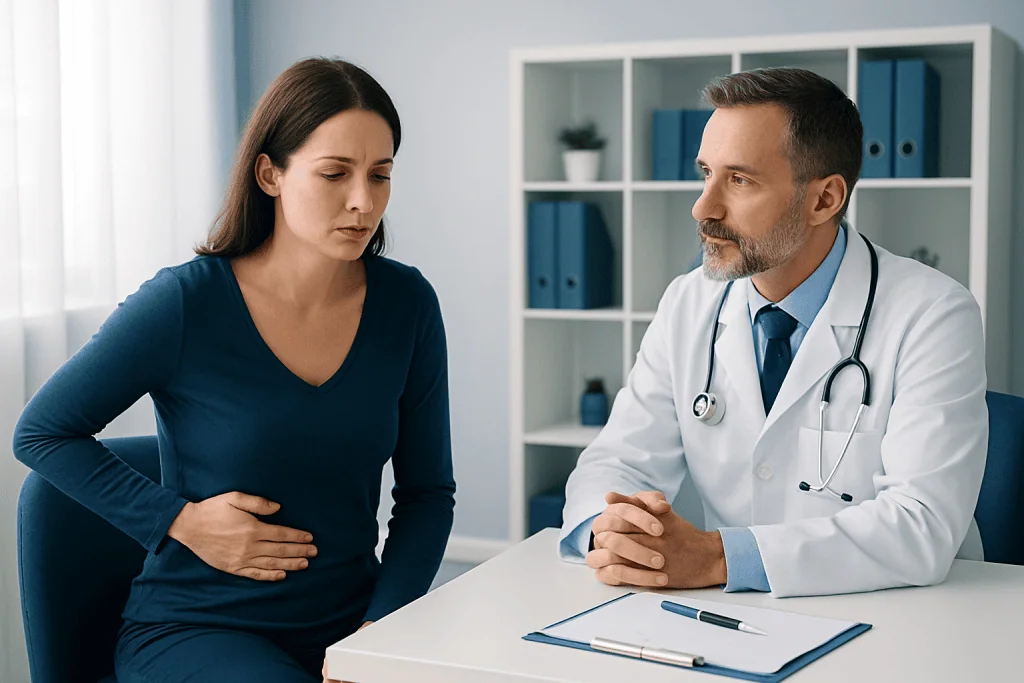
Muscle strain and rib cartilage irritation are among the most frequent causes. Carrying children, lifting bags, coughing repeatedly, exercise, or sleeping awkwardly can irritate the muscles between the ribs or the costochondral joints. These problems usually cause localized tenderness and are more noticeable with motion or pressure.
Digestive causes are also common. Trapped gas near the bend of the colon on the left side, constipation, indigestion, gastritis, peptic ulcer disease, and sometimes acid reflux can create discomfort beneath the left ribs. Less commonly, inflammation of the pancreas can cause upper abdominal pain that may spread to the back and often comes with nausea or vomiting.
Kidney and urinary causes may produce pain in the side or back that seems to wrap toward the front under the ribs. A urinary tract infection that has reached the kidney, or a kidney stone, can cause significant pain and may be associated with fever, burning urination, nausea, or blood in the urine. In some patients, the discomfort overlaps with symptoms seen in kidney stones.
The spleen sits in the upper left abdomen beneath the rib cage. An enlarged or injured spleen can cause fullness or pain in this area, sometimes after infection, blood disorders, or trauma. Chest and lung causes, such as lower left-sided pneumonia or inflammation of the pleura, can also present as pain under the ribs, especially if breathing deeply makes it worse. Although reproductive causes are less likely to cause pain this high up, endometriosis and referred pain from pelvic conditions may occasionally contribute, particularly if symptoms follow a menstrual pattern.
Risk factors and associated symptoms doctors ask about
Doctors usually ask what happened before the pain started and what else is occurring at the same time. A recent workout, lifting injury, cough, fall, or blow to the side increases the chance of a musculoskeletal cause or rib injury. Heavy alcohol use, certain medications such as anti-inflammatory pain relievers, or a history of ulcers may increase the likelihood of stomach irritation or pancreatitis.
Changes in bowel habits, bloating, constipation, diarrhea, nausea, vomiting, loss of appetite, dark stools, or blood in the stool suggest a digestive origin. Burning with urination, urinary frequency, fever, chills, side or back pain, and blood in the urine make urinary or kidney conditions more likely. A cough, shortness of breath, fever, or pain with inhaling can point to the lungs.
Women may also be asked about menstrual timing, possible pregnancy, known endometriosis, ovarian cysts, and prior abdominal or pelvic surgery. Even though gynecologic causes usually cause lower abdominal pain, they remain part of the broader evaluation. Age, chronic medical conditions, and family history can also influence which causes need to be considered first.
How left-sided rib pain is diagnosed
Diagnosis begins with a medical history and a physical examination. A clinician may press on the ribs and abdomen, listen to the lungs, check for fever, and ask whether the pain changes with breathing, eating, movement, or urination. Reproducing the pain by pressing the chest wall often supports a muscle or rib source, but this alone does not rule out deeper causes.
Depending on the symptoms, tests may include blood work, a urine test, pregnancy testing when relevant, and stool testing in selected cases. Imaging may be used if the cause is unclear or if warning signs are present. An ultrasound can help assess abdominal organs, while a chest X-ray may be useful if pneumonia or a rib problem is suspected. In some situations, doctors may recommend MRI or a CT scan for a closer look at the abdomen, chest, or spine-related structures.
If reflux, ulcer disease, or ongoing upper digestive symptoms are suspected, the doctor may first try treatment or may suggest a specialist evaluation. In selected patients with persistent symptoms, endoscopy can help examine the esophagus, stomach, and upper small intestine. The goal is not simply to label the symptom, but to identify whether the cause is mild and self-limited or needs more urgent treatment.
Treatment options and self-care
Treatment depends entirely on the cause. Muscle strain and chest wall irritation often improve with rest from aggravating activities, gentle movement, posture support, and clinician-guided pain relief. Digestive causes may respond to hydration, a temporary change in diet, avoiding heavy or very spicy meals, and treatment for constipation, reflux, or gastritis when appropriate.
If a urinary infection, kidney stone, pneumonia, ulcer, or pancreatitis is diagnosed, treatment should be directed by a doctor. Some conditions need prescription medicines, intravenous fluids, or hospital care. For recurrent or unexplained pain, referral to gastroenterology, pulmonology, urology, or another specialist may be helpful depending on the suspected source. When bowel symptoms are prominent, tests such as colonoscopy may be considered in selected patients based on age, red flags, and the clinical picture.
Simple self-care can be useful while waiting for medical advice if symptoms are mild and there are no danger signs. Eating smaller meals, staying well hydrated, avoiding strenuous lifting, treating constipation early, and tracking triggers such as foods, menstrual timing, or exercise can help. It is best to avoid repeated self-treatment with pain relievers if the diagnosis is uncertain, especially if there is vomiting, black stools, or concern for an ulcer.
When to seek medical care
Medical care is important if left side pain under the ribs is severe, keeps returning, lasts more than a few days, or interferes with eating, breathing, sleep, or normal activity. Prompt assessment is also wise if the pain started after a fall, accident, sports injury, or another blow to the side. Even if the cause turns out to be minor, these features justify a careful evaluation.
Urgent or emergency care is needed for chest pressure, shortness of breath, fainting, new confusion, blue lips, severe weakness, high fever, repeated vomiting, black stools, bloody stools, blood in the urine, or sudden intense pain. These symptoms can signal conditions that should not be managed at home. If a person is pregnant or may be pregnant, abdominal or side pain should be discussed with a clinician without delay.
For patients who need further evaluation, multidisciplinary specialists can assess persistent upper abdominal, chest wall, digestive, kidney, and lung-related causes. Acibadem International’s JCI-accredited hospitals care for international patients and can coordinate diagnosis and treatment across specialties when needed.
Prevention and practical tips for monitoring symptoms
Not all causes can be prevented, but a few habits may lower risk. Using proper lifting technique, warming up before exercise, and treating a cough early may reduce strain on the rib and chest muscles. Regular hydration, fiber intake, and activity can help prevent constipation and may reduce some digestive discomfort.
Women with recurring symptoms may find it useful to keep a brief symptom diary. Noting where the pain occurs, what it feels like, how long it lasts, relation to meals or bowel movements, and any menstrual pattern can help a doctor reach the diagnosis faster. This can also show whether the symptom is stable, improving, or changing in a way that requires faster reassessment.
Prevention also includes not ignoring warning signs. Pain that is new, different, or progressively worse should be reviewed rather than repeatedly self-treated. Early evaluation is especially important for those with known kidney disease, stomach ulcers, blood disorders, immune suppression, or recent trauma.
Frequently asked questions
What organ is on the left side under the ribs in females?
Several structures lie in or near this area, including the stomach, spleen, part of the colon, pancreas, left kidney, lower left lung, ribs, muscles, and nerves. In females, reproductive organs are lower in the pelvis, but pain can sometimes be felt in nearby areas or be referred from another location.
Is left side pain under the ribs usually serious?
Often it is not serious and may be related to gas, constipation, indigestion, or a muscle strain. However, severe, persistent, or worsening pain, especially with fever, breathing trouble, vomiting, blood in stool or urine, or chest pressure, should be evaluated promptly.
Can gas cause pain under the left ribs?
Yes. Gas trapped at the left bend of the colon can cause cramping, pressure, bloating, and discomfort under the left rib area. This type of pain may come and go and may improve after passing gas or having a bowel movement.
Can a kidney problem cause pain under the left ribs?
Yes. The left kidney sits toward the back of the upper abdomen, so kidney stones or a kidney infection can cause pain in the side or back that seems to extend under the ribs. Fever, nausea, burning urination, or blood in the urine make a kidney cause more likely.
Does menstrual cycle timing matter with this kind of pain?
It can. While period-related conditions usually cause lower abdominal or pelvic pain, some women notice upper abdominal discomfort related to bloating, endometriosis, or referred pain around their cycle. Tracking timing can help a clinician decide whether gynecologic causes should be considered.
When should a woman go to the emergency room for pain under the left ribs?
Emergency care is important for sudden severe pain, chest pressure, trouble breathing, fainting, high fever, repeated vomiting, black or bloody stools, blood in the urine, or pain after a significant injury. These symptoms may indicate a condition that needs immediate treatment.
This article is for general information only and is not a substitute for professional medical advice. Please consult a qualified doctor about your individual situation.
Persistent digestive symptoms? Get evaluated in Turkey
JCI-accredited · board-certified surgeons · reply within 24h
Add us as a Preferred Source to see more of our trusted health content across Google Search, AI Overviews and Discover.
Check your numbers in seconds
BMI, calories, due date, blood pressure and 30+ more clinical calculators — free, instant, doctor-reviewed ranges.

More from the Health Library

Frozen vs Fresh Vegetable Nutrients: Key Differences and How Doctors Tell Them Apart

How to Get Rid of a Boil? Here Is What the Evidence Says
Does Apple Cider Vinegar Help with Bloating? A Doctor-Reviewed Answer

How to Tell If Salmon Is Bad? A Doctor-Reviewed Answer

Is Hyaluronic Acid Good for Acne? Here Is What the Evidence Says