Coronavirus hku1: Common Causes, Warning Signs, and When to Worry

Coronavirus HKU1 is one of several human coronaviruses that commonly circulate and usually causes mild respiratory illness. Typical symptoms include runny nose, sore throat, cough, fever, fatigue, and sometimes wheezing.
Key Takeaways
- Coronavirus HKU1 is one of several human coronaviruses that commonly circulate and usually causes mild respiratory illness.
- Typical symptoms include runny nose, sore throat, cough, fever, fatigue, and sometimes wheezing.
- Most people recover with rest, fluids, and symptom relief, but some may develop bronchitis or pneumonia.
- Higher-risk groups include babies, older adults, immunocompromised people, and those with heart or lung disease.
- Urgent care is important for trouble breathing, chest pain, bluish lips, confusion, dehydration, or worsening symptoms.
Coronavirus HKU1 is a human coronavirus that most often causes a mild upper respiratory infection with cold-like symptoms. In infants, older adults, and people with chronic medical conditions or weakened immunity, it can sometimes lead to more significant breathing problems and may need medical evaluation.
Overview: what coronavirus HKU1 is
Coronavirus HKU1 is a type of human coronavirus that usually infects the airways and causes symptoms similar to a common cold. It is different from the virus that causes COVID-19. In most healthy people, the illness is mild and gets better on its own with supportive care.
HKU1 belongs to a group of seasonal human coronaviruses that can circulate during the year, often increasing in colder months. Like other respiratory viruses, it spreads mainly through droplets and close contact. Because its symptoms overlap with many other infections, the exact cause is often not clear unless a laboratory test is done.
Although HKU1 is often mild, it can sometimes affect the lower airways and lead to complications such as bronchitis or pneumonia, especially in people at higher risk. That is why it helps to know the usual warning signs, understand who may be more vulnerable, and recognize when a doctor should assess breathing symptoms.
Common symptoms and how the illness may feel
The most common coronavirus HKU1 symptoms are similar to those of other viral upper respiratory infections. A person may develop a runny or stuffy nose, sore throat, cough, sneezing, mild fever, headache, and tiredness. Some people also notice body aches or a general feeling of being unwell for several days.
In children and in people with sensitive airways, wheezing can occur. The cough may start dry and later become more productive. Fever is not always present, and symptom intensity can vary widely from person to person. Many cases are mild enough to be managed at home.
Less often, the infection can move deeper into the lungs and cause shortness of breath, chest discomfort when breathing, persistent fever, or worsening cough. These symptoms deserve closer attention because they can point to complications such as pneumonia or another lower respiratory tract infection.
- Runny or blocked nose
- Sore throat
- Cough
- Fever
- Fatigue
- Headache
- Wheezing in some patients
- Shortness of breath in more serious cases
How coronavirus HKU1 spreads and who is at higher risk

Coronavirus HKU1 spreads in much the same way as many other respiratory viruses. It can pass from person to person through droplets released when someone coughs, sneezes, talks, or breathes at close range. It may also spread when contaminated hands touch the eyes, nose, or mouth after contact with shared surfaces.
Anyone can catch HKU1, but not everyone has the same risk of complications. Babies and young children may have more noticeable symptoms because their airways are smaller. Older adults can become sicker more easily, especially if they already have chronic heart or lung conditions.
People with asthma, chronic obstructive pulmonary disease, heart disease, diabetes, cancer, organ transplants, or other causes of reduced immunity may be more likely to develop more severe respiratory illness. In these groups, symptoms should be watched more carefully, particularly if there is wheezing, increasing breathlessness, or poor fluid intake.
Possible complications and when HKU1 becomes more than a cold
Most HKU1 infections stay in the upper airways and improve within days to about a week or two. However, some people develop inflammation in the lower respiratory tract. This can lead to bronchitis, worsening asthma symptoms, or lung infection. In vulnerable patients, the illness can be more prolonged or more intense.
A key difference between a routine viral cold and a more concerning illness is the effect on breathing and overall function. Trouble catching a full breath, rapid breathing, unusual sleepiness, poor feeding in infants, or symptoms that worsen after initially seeming mild should not be ignored. These patterns can suggest more significant airway involvement.
If a clinician suspects a lower respiratory infection, they may assess for conditions such as bronchitis or pneumonia. The goal is not to assume the worst, but to recognize that a small number of patients need closer monitoring, especially if they have a history of lung disease or a weakened immune system.
How doctors diagnose coronavirus HKU1
Doctors usually begin with the history of symptoms, possible exposures, underlying health conditions, and a physical examination. Listening to the lungs, checking temperature, oxygen level, and breathing pattern can help determine whether the illness looks mild or whether further testing is needed.
Because HKU1 causes symptoms that overlap with many other viruses, testing is not always necessary in mild cases. When a diagnosis matters clinically, a healthcare professional may use a respiratory panel on a nose or throat sample. These tests can identify several viruses, including human coronaviruses, and help clarify the likely cause of illness.
If breathing symptoms are more significant, additional assessment may be needed. This may include blood tests, pulse oximetry, or imaging such as a chest X-ray to look for signs of lung involvement. In patients with persistent cough, fever, or low oxygen levels, doctors may consider a chest X-ray or broader medical evaluation to guide treatment safely.
Treatment options and supportive care
There is no specific routine antiviral treatment used for most coronavirus HKU1 infections. Care is usually supportive, meaning it focuses on relieving symptoms while the body clears the virus. Rest, good hydration, and using simple fever or pain relief as advised by a clinician are the main approaches for uncomplicated cases.
Nasal saline, humidified air, warm fluids, and throat-soothing measures may help comfort. If a person has asthma or another chronic airway condition, they should follow their clinician’s usual action plan and prescribed inhalers. Antibiotics are not helpful against a virus unless a doctor finds a separate bacterial infection.
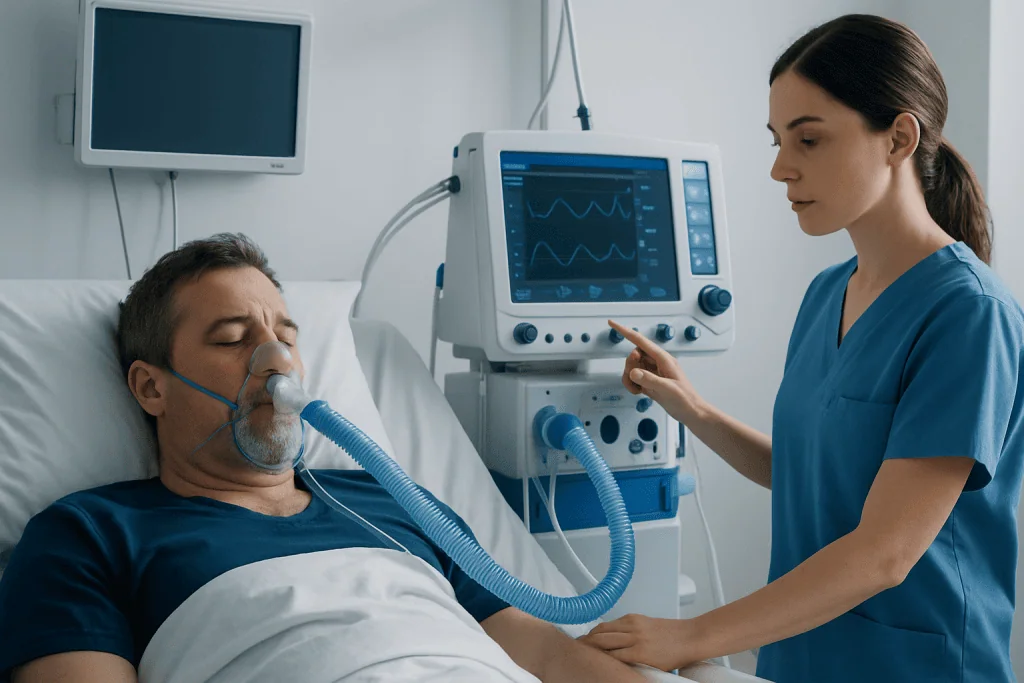
Hospital care may be needed if oxygen levels drop, breathing becomes difficult, dehydration develops, or the person has significant underlying disease. In that setting, supportive treatment can include oxygen therapy, fluids, and close observation. If symptoms are severe or progressing, clinicians may also evaluate with respiratory function testing when appropriate after the acute phase, especially in patients with ongoing breathing concerns.
Prevention and self-care at home
Prevention centers on reducing the spread of respiratory viruses. Frequent handwashing, avoiding touching the face with unwashed hands, covering coughs and sneezes, improving indoor ventilation, and staying home when sick all help lower the chance of passing HKU1 to others. Cleaning commonly touched surfaces can also be useful in households with illness.
At home, recovery is supported by rest, fluids, and watching symptoms over time rather than hour by hour. It can help to keep track of fever, cough, breathing effort, and energy levels. Parents of infants should watch for poor feeding, fewer wet diapers, or unusual fussiness or sleepiness.
People with chronic lung or heart disease should be especially attentive to worsening respiratory symptoms. Keeping regular medical conditions well managed may reduce the chance that a viral infection triggers a more serious flare. Near the end of care planning, some international patients may seek evaluation at centers such as Acibadem International, where multidisciplinary specialists in JCI-accredited hospitals diagnose and treat respiratory infections and related complications.
When to seek medical care
Medical advice is appropriate if symptoms are not improving after several days, if fever is persistent, or if cough is becoming more severe rather than gradually easing. A clinician should also assess infants, older adults, pregnant patients, and people with weakened immunity or chronic heart and lung disease sooner, even if symptoms seem moderate at first.
Urgent care is important for trouble breathing, fast breathing, chest pain, bluish lips or face, confusion, fainting, signs of dehydration, or an oxygen level that is lower than usual in someone who monitors it at home. In children, urgent warning signs include struggling to breathe, poor feeding, listlessness, or fewer wet diapers than expected.
It is also wise to seek care if symptoms worsen after initial improvement, since that pattern can sometimes signal a complication or a second infection. A qualified doctor can decide whether the illness is likely to remain a routine viral infection or whether tests and closer treatment are needed.
Frequently asked questions
Is coronavirus HKU1 the same as COVID-19?
No. Coronavirus HKU1 is a seasonal human coronavirus that usually causes a mild respiratory illness, while COVID-19 is caused by a different coronavirus called SARS-CoV-2. The symptoms can overlap, so testing may be needed in some situations.
How serious is coronavirus HKU1?
In most healthy people, coronavirus HKU1 causes a mild cold-like illness that improves with rest and supportive care. It can be more serious in infants, older adults, and people with chronic medical conditions or weakened immune systems.
How long do HKU1 symptoms last?
Many people start to feel better within several days, though cough and fatigue can last longer than nasal symptoms. If symptoms are worsening, not improving after about one to two weeks, or are affecting breathing, medical review is important.
Can antibiotics treat coronavirus HKU1?
Antibiotics do not treat viral infections such as coronavirus HKU1. They are only used if a doctor suspects or confirms a bacterial infection in addition to the virus.
Who should be most careful with coronavirus HKU1?
Babies, older adults, and people with asthma, chronic lung disease, heart disease, diabetes, cancer, or weakened immunity should be more cautious. These groups have a higher chance of complications and may need earlier medical assessment.
When should someone go to urgent care or the emergency department?
Urgent evaluation is needed for shortness of breath, chest pain, confusion, blue lips or face, dehydration, or symptoms that rapidly worsen. In children, emergency care is important for labored breathing, poor feeding, extreme sleepiness, or signs of dehydration.
References
- Centers for Disease Control and Prevention
- World Health Organization
- National Institutes of Health
- American Lung Association
- Merck Manual Consumer Version
This article is for general information only and is not a substitute for professional medical advice. Please consult a qualified doctor about your individual situation.
Explore treatments in Turkey — costs, top hospitals & a free quote
JCI-accredited · board-certified surgeons · reply within 24h
Add us as a Preferred Source to see more of our trusted health content across Google Search, AI Overviews and Discover.