Leg Edema During Pregnancy: A Complete Clinical Guide for Patients
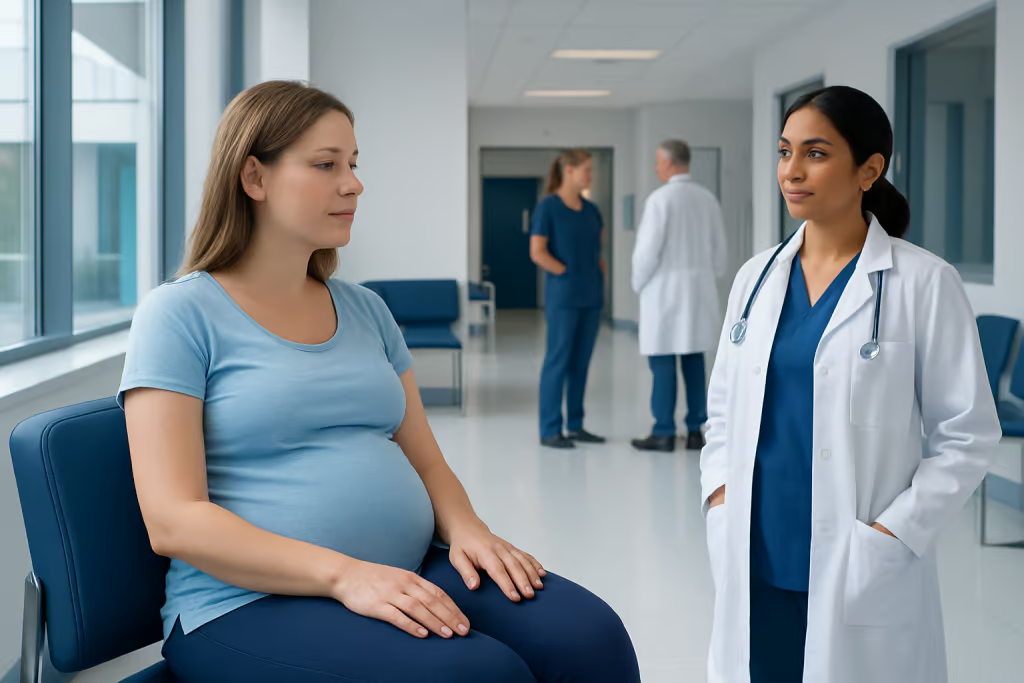
Mild leg edema during pregnancy is common, especially later in pregnancy and toward the end of the day. Swelling happens because pregnancy increases body fluid and can slow blood return from the legs.
Key Takeaways
- Mild leg edema during pregnancy is common, especially later in pregnancy and toward the end of the day.
- Swelling happens because pregnancy increases body fluid and can slow blood return from the legs.
- Simple measures such as walking, changing position, elevating the legs, and staying hydrated often help.
- Urgent medical review is needed for sudden swelling, swelling in one leg, shortness of breath, chest pain, severe headache, or vision changes.
- Doctors may check blood pressure, urine, and circulation to rule out conditions such as preeclampsia or a blood clot.
Leg edema during pregnancy usually refers to swelling in the feet, ankles, or lower legs caused by normal body-fluid changes and pressure from the growing uterus. It is often harmless and improves with rest, movement, and leg elevation, but sudden, painful, or one-sided swelling should be assessed by a doctor.
Overview: What Leg Edema During Pregnancy Means
Leg edema during pregnancy means fluid collects in the tissues of the feet, ankles, or lower legs, making them look or feel swollen. For many pregnant women, this is a normal response to pregnancy-related changes in circulation, hormones, and body-fluid balance. The swelling may be mild in the morning and more noticeable by evening, after standing, or in hot weather.
Pregnancy naturally increases blood volume and total body water to support the developing baby and placenta. At the same time, the growing uterus can press on veins in the pelvis, making it harder for blood to flow back from the legs to the heart. This combination allows fluid to move into nearby tissues, especially in the lower body.
Although most swelling is not dangerous, it is still important to notice how it behaves. Swelling that appears gradually in both legs is often typical. In contrast, swelling that is sudden, severe, painful, limited to one leg, or linked with other symptoms may point to a condition that needs prompt evaluation.
How Normal Pregnancy Swelling Usually Feels
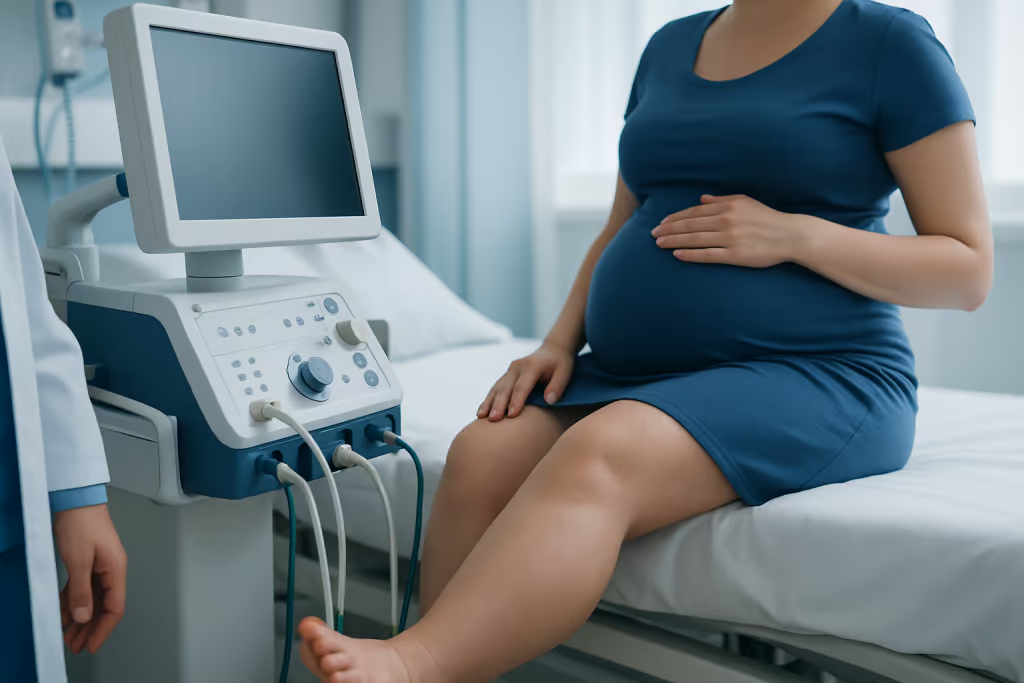
Common pregnancy-related edema usually affects both feet or ankles and may extend into the calves. Shoes may feel tighter, socks may leave marks on the skin, and the legs may feel heavy or mildly achy by the end of the day. Gentle pressure on the swollen area can sometimes leave a temporary indentation, called pitting edema.
This type of swelling often becomes more noticeable in the second half of pregnancy and is especially common in the third trimester. Long periods of sitting or standing, warm temperatures, travel, and a higher salt intake can all make it more obvious. Some people also notice mild swelling in the hands or face, though this should still be mentioned at routine prenatal visits.
Normal swelling tends to improve with rest, lying on the left side, moving the ankles, or raising the legs above heart level for short periods. It may also ease overnight and return during the day. If swelling keeps worsening instead of fluctuating, or if it begins very early in pregnancy, a doctor may want to look more closely for another cause.
Why It Happens: Causes and Risk Factors
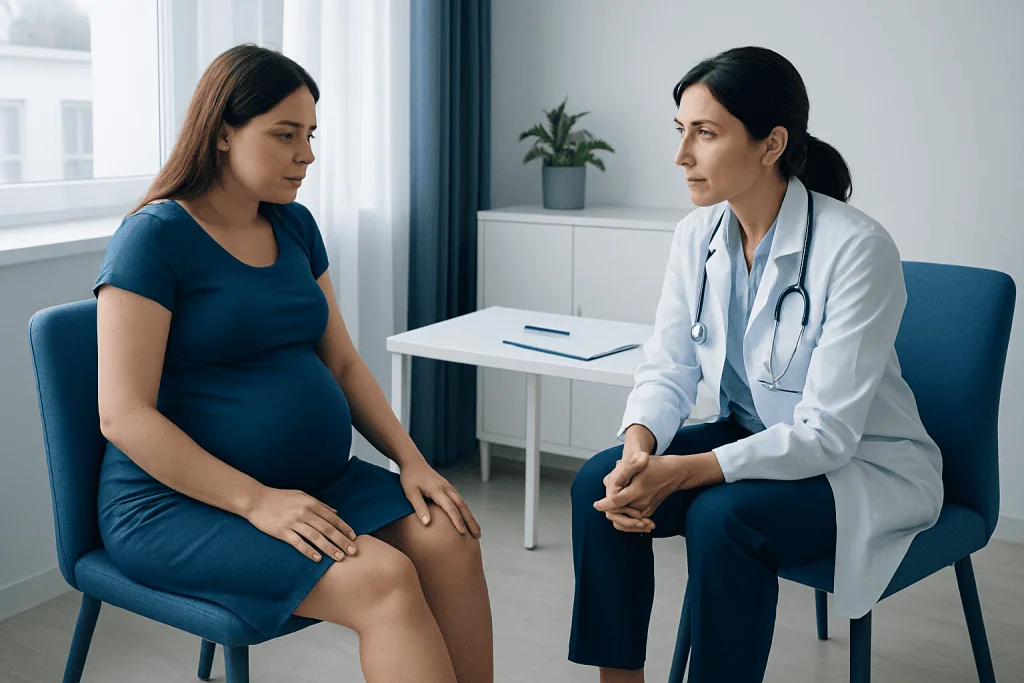
The main cause of leg edema during pregnancy is fluid retention together with slower blood return from the lower body. Hormonal changes can relax blood vessel walls, and the uterus can compress major veins in the abdomen and pelvis. This increases pressure in leg veins and encourages fluid to leak into surrounding tissues.
Several factors can make swelling more likely. These include later pregnancy, carrying twins or more, prolonged standing, hot weather, reduced activity, and preexisting vein problems. Women with obesity, limited mobility, or a history of circulation disorders may also notice more swelling. Varicose veins can contribute as well and may coexist with edema; in some cases, a doctor may assess related varicose veins.
Not all edema in pregnancy is purely physiologic. Sometimes swelling is related to high blood pressure disorders, kidney disease, heart disease, thyroid conditions, or problems with the veins or lymphatic system. A blood clot in a leg vein, called deep vein thrombosis, is less common but important to rule out when swelling is one-sided or painful.
Doctors also think about how swelling fits with the whole clinical picture. If leg swelling appears along with severe headache, visual symptoms, upper abdominal pain, or high blood pressure, the possibility of preeclampsia becomes more important. That is why new or changing swelling should always be discussed during prenatal care.
Warning Signs That Need Medical Attention
Most pregnancy swelling is benign, but some features deserve prompt medical advice. Sudden swelling of the face, hands, or legs can be a warning sign, especially if it happens together with severe headache, blurred vision, flashing lights, nausea, or pain under the ribs. These symptoms can suggest a hypertensive disorder of pregnancy and should not be ignored.
One-sided swelling is another important warning sign. If one calf or leg becomes more swollen than the other, warm, red, tender, or painful, a blood clot may need to be excluded. Shortness of breath, chest pain, fainting, or coughing up blood are emergency symptoms and require urgent care right away.
Medical review is also wise if swelling starts very early, becomes severe enough to limit walking, does not improve with rest, or is associated with palpitations, reduced urine output, or generalized illness. In many cases the cause is still routine fluid retention, but it is safer to confirm this rather than assume.
How Doctors Evaluate Leg Edema During Pregnancy
Evaluation starts with a careful history and physical examination. The doctor will ask when the swelling began, whether it affects one or both legs, what makes it better or worse, and whether there are symptoms such as pain, headache, vision changes, breathlessness, or high blood pressure. They may also ask about travel, prior blood clots, heart or kidney disease, and medications or supplements.
A physical examination usually includes checking blood pressure, weight change, and the pattern of swelling. The legs may be examined for tenderness, skin color changes, visible veins, warmth, and pitting. Urine testing is often used in prenatal care to look for protein when preeclampsia is a concern, and blood tests may be recommended depending on the situation.
If a clot is suspected, imaging may be needed to assess blood flow in the veins. A common approach is a Doppler ultrasound of the leg. If symptoms suggest broader circulation concerns, the care team may also coordinate vascular assessment through services related to vascular surgery when appropriate.
The goal of testing is not to overmedicalize a common pregnancy symptom, but to separate normal edema from conditions that need treatment. Most women are reassured after a straightforward assessment and can then focus on symptom relief and regular follow-up.
Treatment and Practical Relief Options
Treatment depends on the cause. If the swelling is normal pregnancy edema, management is usually conservative and focused on comfort. The safest first steps are regular movement, avoiding long periods in one position, resting with the legs elevated, and sleeping on the left side when comfortable. These strategies can help venous return and reduce pressure in the legs.
Supportive measures may also help. Some women benefit from properly fitted compression stockings, especially during travel or long workdays, but it is best to ask a clinician which level and type are suitable in pregnancy. Comfortable footwear, light exercise such as walking or prenatal swimming, and adequate hydration may also improve symptoms. Despite common myths, drinking enough water supports normal fluid balance rather than causing edema.
Diuretics are not usually used for routine pregnancy swelling unless a doctor identifies a specific medical reason. If evaluation shows an underlying problem, treatment is directed at that cause. For example, if there is concern about significant venous disease, a specialist may discuss options related to varicose veins treatment after assessing risks and timing in pregnancy or postpartum.
Near the end of the care pathway, some patients may need multidisciplinary support, particularly when symptoms are severe or linked with other medical conditions. Acibadem International’s multidisciplinary specialists in JCI-accredited hospitals evaluate and treat pregnancy-related swelling and its underlying causes for international patients when specialist care is needed.
Prevention and Self-Care Day to Day
It may not be possible to prevent all leg edema during pregnancy, but daily habits can reduce discomfort. Gentle activity helps the calf muscles push blood upward, so short walks, ankle circles, and regular position changes are useful. Avoid sitting with the legs crossed for long periods, and try to stand up and move around during work, travel, or long appointments.
Resting with the feet elevated above the level of the hips can help fluid move out of the lower legs. Many women also find relief by lying on the left side, which may reduce pressure on major blood vessels. During warmer weather, cooler environments, loose clothing, and avoiding prolonged heat exposure can make swelling less pronounced.
Nutrition matters too, but extreme dietary restrictions are not advisable without guidance. A balanced diet, enough fluids, and moderation with highly salty processed foods can support overall comfort. Rapid use of herbal remedies, over-the-counter water pills, or tight garments should be avoided unless a qualified clinician recommends them.
- Walk or stretch the ankles every 1 to 2 hours if sitting for long periods.
- Elevate the legs for short sessions during the day.
- Ask a clinician whether compression stockings are appropriate.
- Stay hydrated and wear comfortable, nonrestrictive shoes.
- Attend all prenatal appointments so blood pressure and urine can be checked.
When to Seek Medical Care
Medical advice should be sought promptly if swelling is sudden, severe, or noticeably worse than before. The same is true if swelling affects only one leg or is paired with pain, warmth, redness, or difficulty walking. These symptoms deserve assessment rather than home monitoring alone.
Urgent evaluation is needed for swelling with severe headache, visual changes, chest pain, shortness of breath, fainting, or pain under the right ribs. Reduced fetal movement or a general feeling that something is not right should also be reported without delay. Trusting symptoms and contacting the prenatal care team early is an important part of safe pregnancy care.
For mild swelling without warning signs, it is still helpful to mention it at the next prenatal visit. A doctor or midwife can confirm that the pattern is consistent with normal pregnancy changes and offer personalized strategies for relief.
Frequently asked questions
Is leg edema during pregnancy normal?
Yes, mild swelling of the feet, ankles, and lower legs is common in pregnancy, especially in the third trimester. It usually happens because the body holds more fluid and the growing uterus slows blood return from the legs. Even so, sudden or severe swelling should be discussed with a doctor.
When is leg swelling in pregnancy a concern?
It is more concerning when it starts suddenly, affects only one leg, becomes painful, or appears with redness, warmth, headache, vision changes, chest pain, or shortness of breath. These features can suggest problems such as a blood clot or preeclampsia. Prompt medical assessment is the safest step.
How can pregnant women reduce leg edema at home?
Helpful measures include walking regularly, changing position often, elevating the legs, and resting on the left side when comfortable. Wearing supportive shoes and asking a clinician about compression stockings may also help. These steps relieve symptoms for many women, but they do not replace medical review if warning signs are present.
Does drinking more water make edema worse?
Usually no. Adequate hydration supports normal circulation and fluid balance, while dehydration can sometimes make the body retain fluid more readily. A balanced intake of water is generally better than restricting fluids unless a doctor gives different advice.
Can leg edema during pregnancy mean preeclampsia?
Swelling alone does not mean preeclampsia, because edema is common in normal pregnancy. However, swelling that is sudden or linked with high blood pressure, headache, visual symptoms, or protein in the urine may raise concern. That is why prenatal checks and symptom reporting are important.
Will the swelling go away after delivery?
In most cases, pregnancy-related leg swelling improves after birth as fluid balance and circulation gradually return toward normal. Some women even notice temporary swelling for a short time after delivery before it resolves. If swelling persists, worsens, or remains one-sided, follow-up care is recommended.
References
- American College of Obstetricians and Gynecologists
- National Health Service
- Centers for Disease Control and Prevention
- Mayo Clinic
- World Health Organization
This article is for general information only and is not a substitute for professional medical advice. Please consult a qualified doctor about your individual situation.
Explore treatments in Turkey — costs, top hospitals & a free quote
JCI-accredited · board-certified surgeons · reply within 24h
Add us as a Preferred Source to see more of our trusted health content across Google Search, AI Overviews and Discover.
Check your numbers in seconds
BMI, calories, due date, blood pressure and 30+ more clinical calculators — free, instant, doctor-reviewed ranges.