Legally Blind: An Evidence-Based Guide for Patients

Legally blind does not always mean complete darkness or total loss of sight. The term is based on vision measurements, usually visual acuity and visual field, after best possible correction.
Key Takeaways
- Legally blind does not always mean complete darkness or total loss of sight.
- The term is based on vision measurements, usually visual acuity and visual field, after best possible correction.
- Common causes include macular degeneration, glaucoma, diabetic eye disease, cataracts, retinal disorders, and optic nerve disease.
- Diagnosis involves a full eye examination and tests of visual acuity, visual field, and eye health.
- Treatment depends on the cause and may include glasses, medication, laser treatment, surgery, or low-vision rehabilitation.
- Prompt medical care is important for sudden vision loss, eye pain, flashes, or a curtain-like shadow over vision.
Legally blind is a legal and functional term, not a diagnosis. It usually means best-corrected central vision is 20/200 or worse in the better-seeing eye, or the visual field is very restricted, and many people who are legally blind still have some usable sight.
Overview: what legally blind means
Legally blind means a person’s vision meets a formal legal definition of severe visual impairment. In many settings, this means best-corrected visual acuity of 20/200 or worse in the better-seeing eye, or a visual field narrowed to 20 degrees or less. This definition is used to determine eligibility for certain services, accommodations, and benefits.
Importantly, legally blind does not mean the same thing as total blindness. Many people who are legally blind can still perceive light, shapes, color, or central or side vision to some degree. The amount of usable vision varies widely, which is why daily experiences can differ greatly from one person to another.
Legal blindness is also not a disease by itself. It is the result of an eye condition, optic nerve problem, or neurological disorder affecting vision. Understanding the underlying cause is the first step toward treatment, vision support, and protecting any remaining sight.
How vision is measured and why the legal definition matters
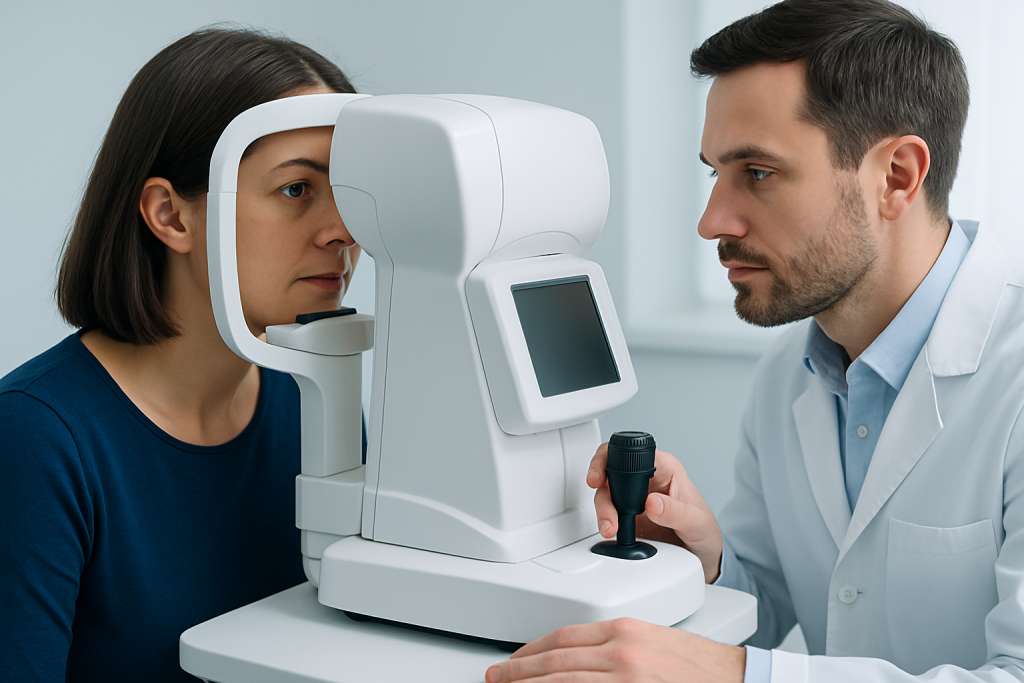
Eye specialists measure vision in more than one way. Visual acuity checks how clearly a person sees detail at a set distance, often using an eye chart. A result of 20/200 means that what a person with typical vision can see from 200 feet away, the tested person needs to be at 20 feet to see.
Visual field testing measures side vision. Some people may read letters fairly well in the center but have severe loss of peripheral vision, sometimes called tunnel vision. If the remaining field is very narrow, everyday activities such as walking safely, driving, or noticing hazards can become difficult even when central sharpness seems partly preserved.
The legal definition matters because it helps standardize access to support services, educational accommodations, workplace adjustments, mobility training, and low-vision devices. It can also affect whether a person is allowed to drive, although driving rules vary by country and local law.
At the same time, a legal threshold cannot fully describe how vision loss affects real life. Lighting, contrast, glare, depth perception, reading speed, and the specific pattern of sight loss all influence how well a person functions day to day.
Symptoms and daily challenges
The symptoms linked with legal blindness depend on the cause. Some people notice blurred central vision that makes reading or recognizing faces difficult. Others mainly lose side vision, which can lead to bumping into objects, trouble navigating unfamiliar places, or feeling unsafe in dim environments.
Other common problems include reduced contrast sensitivity, increased sensitivity to glare, difficulty seeing at night, distorted lines, patchy blind spots, and slower adaptation when moving between bright and dark places. Visual tasks such as using a phone, cooking, taking medication correctly, and crossing the street may become harder.
Children and adults may also experience emotional and practical effects. Frustration, loss of confidence, fatigue from straining to see, and social withdrawal can occur, especially when vision changes are recent. Supportive rehabilitation and adaptive strategies can make a meaningful difference.
- Blurred or distorted vision
- Blind spots in central or side vision
- Trouble reading, driving, or recognizing faces
- Frequent falls or bumping into objects
- Difficulty with glare, low light, or contrast
Common causes and risk factors
Legal blindness can develop from many eye and neurological conditions. In adults, common causes include age-related macular degeneration, glaucoma, diabetic retinopathy, advanced cataracts, retinal detachment, inherited retinal disorders, corneal disease, severe eye injury, and optic nerve damage. In children, causes may include genetic eye disease, developmental disorders, retinopathy of prematurity, or brain-related visual impairment.
Some causes mainly affect central vision, such as macular disease. Others damage peripheral vision first, as in glaucoma. Diabetes can injure the small blood vessels in the retina, and high eye pressure can harm the optic nerve over time. Cataracts can cloud the eye’s lens and reduce clarity, contrast, and color perception.
Risk factors depend on the condition but often include older age, diabetes, family history of eye disease, smoking, high blood pressure, previous eye injury, long-term steroid use, and lack of regular eye examinations. Some infections and autoimmune conditions can also threaten vision if not recognized and treated promptly.
Because there are many possible causes, self-diagnosis is not reliable. A person with worsening sight needs a comprehensive assessment to find out whether vision loss can be treated, slowed, or supported with rehabilitation.
Diagnosis and eye tests
Diagnosis begins with a detailed history and a complete eye examination. The clinician asks when vision changed, whether one or both eyes are affected, and whether there are warning symptoms such as eye pain, flashes of light, floaters, headache, or sudden loss of part of the visual field. Current medications, medical conditions, and family history are also important.
Testing usually includes visual acuity, refraction to see whether glasses improve vision, pupil examination, measurement of eye pressure, slit-lamp examination of the front of the eye, and a dilated retinal exam. Visual field testing is especially important when peripheral vision loss is suspected.
Depending on the findings, additional tests may be recommended. These may include optical coherence tomography to assess the retina and optic nerve, retinal photography, fluorescein angiography, corneal imaging, ultrasound, or brain and orbit imaging when a neurological cause is possible. Relevant internal medicine evaluation may also be needed, particularly for diabetes, vascular disease, or inflammatory conditions.
The goal is not only to confirm whether a person meets the definition of legal blindness, but also to identify the exact cause and the safest plan for treatment and long-term support.
Treatment options and low-vision support
Treatment depends entirely on the underlying cause. Some conditions are reversible or partly reversible, while others can be stabilized but not fully cured. Examples include cataract surgery for visually significant cataracts, pressure-lowering treatment for glaucoma, laser or injection-based care for diabetic retinal disease, and urgent repair for some retinal problems. Corrective lenses, medication, or treatment of systemic disease may also help.
When vision cannot be fully restored, low-vision rehabilitation becomes an important part of care. This may include magnifiers, high-contrast reading tools, screen-reading software, improved home lighting, orientation and mobility training, and strategies for daily tasks. Referral to specialists in ophthalmology care and visual rehabilitation can help people make the most of remaining vision.
Some patients benefit from coordinated care across specialties. For example, a person with diabetes may need eye treatment along with careful glucose and blood pressure control. A person with sudden or complex visual symptoms may also need assessment in neurology if the optic nerve or brain could be involved.
Near the end of the care pathway, practical support matters just as much as medical treatment. Documentation of visual function may be needed for school, work, driving, disability services, or assistive technology access. Acibadem International’s multidisciplinary specialists and JCI-accredited hospitals diagnose and treat vision-threatening conditions for international patients, including advanced assessment and rehabilitation planning when appropriate.
Prevention and self-care
Not all causes of legal blindness can be prevented, but many risks can be reduced. Regular comprehensive eye examinations are one of the most effective steps, especially for older adults and people with diabetes, high blood pressure, glaucoma risk, or a family history of serious eye disease. Early disease may cause few symptoms, so screening can protect sight before major damage occurs.
Daily health habits also matter. Managing diabetes, blood pressure, and cholesterol supports eye health by protecting blood vessels and nerves. Avoiding smoking, wearing protective eyewear during sports or hazardous work, and using sunglasses that reduce ultraviolet exposure may also help lower risk for some eye conditions.
For people already living with severe vision loss, self-care focuses on safety and independence. Helpful measures may include reducing trip hazards at home, adding task lighting, labeling medications clearly, using large-print or audio tools, and asking about occupational therapy or low-vision services. Support groups and counseling can also help with the emotional adjustment to sight loss.
When to seek medical care
A person should seek prompt medical care for any sudden change in vision, sudden loss of part of the visual field, new flashes of light, many new floaters, a curtain-like shadow, severe eye pain, redness with reduced vision, or double vision. These symptoms can signal an urgent eye or neurological problem and should not be ignored.
Non-urgent but important reasons to book an eye evaluation include gradually worsening vision, difficulty reading even with glasses, increasing glare, trouble seeing at night, or frequent bumping into objects. People with diabetes should keep regular eye appointments even if their vision seems stable.
Children should be assessed if they squint, sit very close to screens, have wandering eyes, avoid visual tasks, or seem delayed in visual development. Early recognition can improve learning, safety, and access to support.
Frequently asked questions
Does legally blind mean completely blind?
No. Legally blind is a legal definition of severe vision impairment, not a statement that all sight is gone. Many people who are legally blind still have some useful vision, such as light perception, central detail, or side vision.
What is the usual definition of legally blind?
A commonly used definition is best-corrected vision of 20/200 or worse in the better-seeing eye, or a visual field of 20 degrees or less. Exact rules can vary somewhat by country or agency, so an eye specialist can explain which standard applies.
Can legal blindness be reversed?
Sometimes, depending on the cause. Vision loss from cataracts or certain treatable eye conditions may improve, while damage from diseases such as advanced glaucoma or retinal degeneration may be permanent but can often be managed to slow further loss.
How is legal blindness diagnosed?
Diagnosis requires a full eye evaluation, including vision testing and often visual field testing. The doctor also looks for the underlying cause through examination and, when needed, retinal scans or other imaging tests.
Can a legally blind person still read or use a phone?
Yes, many can, especially with low-vision tools and accessibility features. Large print, magnifiers, screen readers, voice controls, stronger lighting, and high-contrast settings can make reading and device use much easier.
Is someone who is legally blind allowed to drive?
Usually not if vision falls below the legal driving standard, but regulations differ by region. Some people with milder impairment may qualify for restricted licenses, while others may need to stop driving for safety.
This article is for general information only and is not a substitute for professional medical advice. Please consult a qualified doctor about your individual situation.
Explore treatments in Turkey — costs, top hospitals & a free quote
JCI-accredited · board-certified surgeons · reply within 24h
Add us as a Preferred Source to see more of our trusted health content across Google Search, AI Overviews and Discover.

More from the Health Library
Hordeolum Externum: What Patients Need to Know

Exercise and Menstruation: A Complete Medical Overview

Rf Test — Explained by Medical Evidence, Not Myths
Casting of Fractures: A Complete Medical Overview

Fecal Oral Route: An Evidence-Based Guide for Patients