Exercise and Menstruation: A Complete Medical Overview

Most people can continue exercising during their period, including aerobic exercise, strength training, and gentle movement. Regular physical activity may reduce menstrual cramps, support mood, improve sleep, and benefit long-term health.
Key Takeaways
- Most people can continue exercising during their period, including aerobic exercise, strength training, and gentle movement.
- Regular physical activity may reduce menstrual cramps, support mood, improve sleep, and benefit long-term health.
- Energy, pain tolerance, and exercise comfort can vary across the menstrual cycle and between individuals.
- Hydration, sufficient food intake, suitable menstrual products, and flexible training plans can improve comfort.
- Very heavy bleeding, severe pain, fainting, or major cycle changes should be assessed by a healthcare professional.
Exercise and menstruation can safely go together for most people. Adjusting the type, intensity, and timing of activity to energy levels and symptoms may help make movement more comfortable throughout the menstrual cycle.
Exercise and Menstruation: The Main Message
Exercise and menstruation can safely go together for most people, and there is no medical need to stop normal physical activity simply because a period has started. Many people find that a walk, cycling, swimming, yoga, or a usual gym routine improves cramps, stress, mood, and sleep. The best approach is flexible: continuing activity when it feels good and reducing intensity or resting when symptoms are more limiting.
The menstrual cycle is not identical from one person to another, and its effects on exercise are also individual. Some people notice little change in performance or comfort, while others have fatigue, pelvic pain, breast tenderness, headaches, bowel changes, or lower motivation at certain times. These experiences are valid and do not mean a person is unfit or doing anything wrong.
Regular movement supports cardiovascular health, muscle and bone strength, metabolic health, and emotional wellbeing. It may also be one part of a broader plan for managing common menstrual symptoms. However, exercise is not a substitute for medical assessment when periods are unusually painful, very heavy, absent unexpectedly, or associated with concerning symptoms.
How the Menstrual Cycle May Affect Exercise
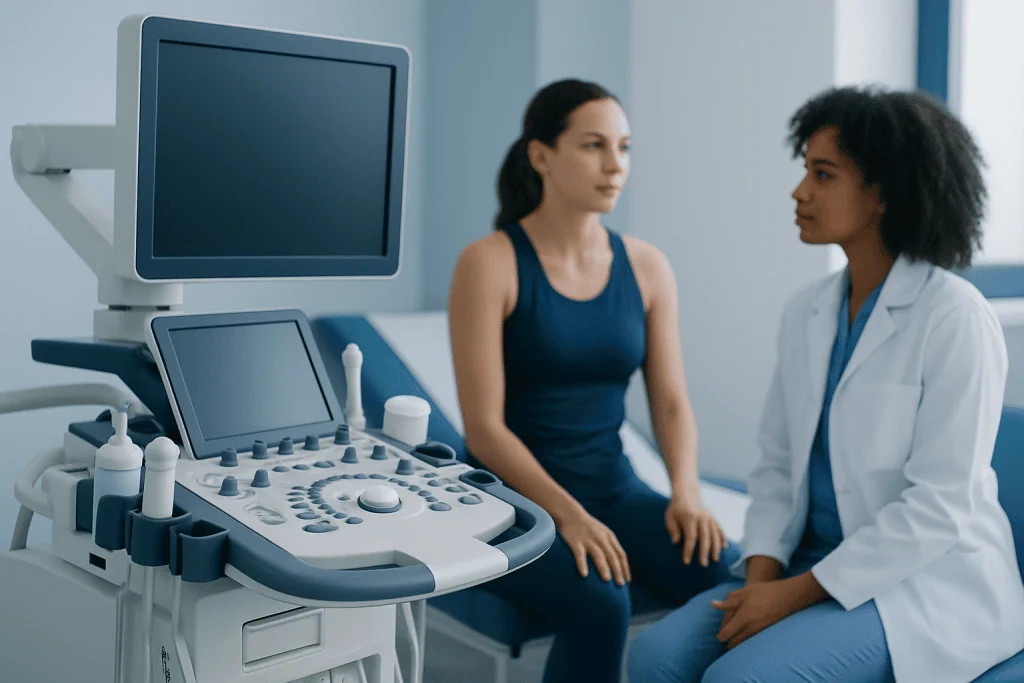
A menstrual cycle is commonly described in phases, although cycle length and symptoms vary. Menstruation begins on the first day of bleeding. The follicular phase follows and leads toward ovulation, while the luteal phase is the time after ovulation until the next period. Estrogen and progesterone change across these phases, and these hormonal shifts can influence body temperature, fluid balance, appetite, sleep, and perceived effort.
Research does not support one universal rule that a person must train hard or avoid exercise during a particular phase. On average, any effects of cycle phase on athletic performance appear small and are highly variable. Training status, nutrition, sleep, stress, medical conditions, and the demands of a sport often have a greater effect on performance than cycle phase alone.
During the days before a period, some people experience premenstrual symptoms such as bloating, fatigue, mood changes, headaches, or disrupted sleep. During bleeding, uterine contractions can cause cramps and some people may feel less energetic, particularly with heavy flow. Others feel their symptoms lessen once bleeding starts. Tracking symptoms alongside exercise can help identify useful patterns without making the cycle feel restrictive.
For people who compete in sport or train intensely, individualized planning may be useful. A coach, sports physician, physiotherapist, or registered dietitian can help match training load with recovery, nutrition, symptoms, and personal goals. The aim is to support sustainable participation rather than to apply rigid cycle-based rules.
Potential Benefits of Exercise During a Period

Gentle to moderate physical activity can be helpful during menstruation. Aerobic movement increases circulation and may stimulate the release of endorphins, which are natural chemicals involved in pain modulation and mood. Some people find that a brisk walk, easy jog, dance class, stationary cycling, or swimming makes cramps and low mood more manageable.
Exercise may also support sleep and reduce stress, both of which can affect how menstrual symptoms are experienced. Yoga, stretching, Pilates, breathing exercises, and tai chi may be particularly suitable on days when high-intensity activity feels unappealing. These forms of movement can promote relaxation while maintaining mobility.
Strength training is generally safe during menstruation for people who already participate in it and have no medical restrictions. A person may choose to use lighter loads, take longer rests, or shorten a session if fatigue, cramping, or heavy flow makes a usual workout difficult. Others may feel entirely comfortable following their regular plan.
Regular exercise may be beneficial for people with premenstrual symptoms and for overall menstrual health, but it does not reliably eliminate symptoms for everyone. If pain prevents normal daily activities, exercise alone should not be expected to solve the problem. A clinician can check for conditions such as endometriosis, fibroids, or other causes of significant menstrual symptoms.
Choosing the Right Activity for Symptoms and Energy
There is no single best workout for a period. The most appropriate activity depends on symptoms, baseline fitness, personal preferences, and any medical conditions. On a day with mild cramps and normal energy, a person may safely continue their usual activity. On a day with pronounced fatigue, nausea, headache, or heavier bleeding, gentler movement or a rest day may be more appropriate.
Low-impact options can be useful when discomfort is present. Walking, easy cycling, swimming, water exercise, light resistance work, and mobility exercises are commonly well tolerated. Warmth can be soothing for cramps, so some people prefer a warm-up that is slightly longer than usual or gentle movement in a comfortable environment.
- For cramps: try walking, gentle yoga, stretching, or low-to-moderate aerobic activity.
- For fatigue: reduce duration or intensity, prioritize rest, and choose movement that feels manageable.
- For bloating: comfortable clothing and low-impact movement may help a person feel less restricted.
- For heavy flow: plan access to menstrual supplies and bathroom breaks, and consider whether symptoms suggest a need for medical advice.
- For competitive training: use symptoms and recovery markers, not calendar dates alone, to guide adjustments.
Pain is an important signal. Mild cramping that improves with movement may be manageable, but sharp, escalating, one-sided, or unusual pelvic pain should not be pushed through. Stopping the session and seeking clinical advice is sensible if pain is severe, dizziness develops, or a person feels unwell.
Practical Comfort, Hydration, and Nutrition
Simple preparation can make exercise during menstruation more comfortable. Wearing breathable clothing, choosing a menstrual product that feels secure for the activity, and bringing spare supplies can reduce worry about leaks. People who swim may prefer tampons, menstrual cups, or discs, depending on what is safe and comfortable for them. Pads can also be used for many forms of exercise, although they may feel less practical for swimming.
Hydration remains important throughout the cycle. Sweating, warm weather, long workouts, vomiting, diarrhea, or heavy menstrual bleeding can all increase the need to replace fluids. Drinking regularly according to thirst and taking breaks during longer activity is usually appropriate. A person with recurrent dizziness or marked weakness should not assume dehydration is the only explanation and should discuss symptoms with a clinician.
Eating enough overall is especially important for active people. Meals and snacks containing carbohydrates, protein, healthy fats, vitamins, and minerals support training and recovery. Iron is a nutrient of particular interest for people who menstruate, because blood loss contributes to iron loss. Iron-rich foods include meat, seafood, legumes, tofu, leafy green vegetables, and iron-fortified grains; a clinician may recommend blood tests before suggesting supplements.
Avoiding excessive training while not eating enough can affect hormone function and menstrual regularity. This pattern can occur in athletes and non-athletes of any gender identity who menstruate. Missed periods, declining performance, repeated injuries, fatigue, or restrictive eating patterns deserve prompt medical attention, as they may indicate low energy availability or another health concern.
When to Modify Exercise or Seek Medical Care
It is reasonable to modify or skip exercise temporarily when symptoms are substantial. This may include taking a rest day during severe cramping, choosing light activity during a migraine, or avoiding strenuous training when sleep has been poor. Rest is part of a healthy exercise routine, not a failure to follow it.
Medical care is important when menstrual symptoms are severe, new, or getting worse. A healthcare professional can review bleeding patterns, pain, medications, pregnancy possibility, exercise habits, nutrition, and other relevant factors. Depending on symptoms, assessment may include a physical examination, blood tests, or imaging.
- Seek urgent medical care for fainting, severe weakness, chest pain, shortness of breath, or sudden severe pelvic pain.
- Arrange a medical review for very heavy bleeding, bleeding between periods, periods that become much more painful, or pain that disrupts work, school, sleep, or exercise.
- Speak with a clinician about periods that stop for several months when pregnancy is not the explanation, especially with high training volume, weight change, stress, or restrictive eating.
- Discuss fatigue, paleness, breathlessness on exertion, or dizziness, which may be signs of anemia or another condition.
Conditions affecting the uterus, ovaries, hormones, or blood can contribute to difficult periods. Early assessment can lead to appropriate symptom relief and treatment options. People should feel comfortable raising menstrual concerns, including changes that occur only during exercise.
Building a Sustainable Exercise Routine Across the Cycle
A sustainable routine starts with consistency rather than perfection. Adults are generally encouraged to include regular aerobic activity and muscle-strengthening exercise, but the most useful plan is one a person can maintain safely. Period days can be included in that plan, with flexibility for changing symptoms and daily responsibilities.
Keeping a simple record for two or three cycles may be helpful. A person can note bleeding days, cramps, sleep, mood, energy, training type, and perceived effort. This information can identify whether certain adjustments are helpful and can provide useful detail at a medical appointment if symptoms are troublesome.
It is helpful to avoid comparing menstrual experiences or athletic performance with others. A person who feels strong during menstruation does not need to reduce training solely because of their cycle, while someone with painful periods does not need to force a demanding workout. Both approaches can be healthy when guided by symptoms and medical advice.
Acibadem International’s multidisciplinary specialists and JCI-accredited hospitals support international patients who need assessment for menstrual symptoms that affect daily life or physical activity. A gynecologist or primary care clinician can help create an individualized plan that considers both menstrual health and exercise goals.
Frequently asked questions
Is it safe to exercise during menstruation?
Yes. Most people can safely exercise during menstruation, including doing aerobic activity, strength training, or gentle stretching. The appropriate intensity depends on individual symptoms, fitness level, and any medical condition. It is reasonable to reduce intensity or rest if pain, fatigue, dizziness, or heavy bleeding makes exercise uncomfortable.
Can exercise help period cramps?
For many people, gentle or moderate activity can reduce the discomfort of period cramps. Walking, cycling, yoga, and stretching may improve circulation, reduce stress, and support natural pain-relieving chemicals in the body. Severe or worsening cramps should be evaluated rather than managed with exercise alone.
Does the menstrual cycle reduce athletic performance?
The menstrual cycle affects people differently, and there is no consistent evidence that it reduces performance for everyone. Sleep, nutrition, stress, training load, illness, and symptoms may have a larger effect on a given day. Tracking personal patterns can help an athlete make practical adjustments without relying on strict cycle-based rules.
What exercise is best on heavy period days?
Low-impact activities such as walking, easy cycling, swimming, mobility work, or gentle strength training may feel more comfortable on heavy-flow days. Some people can continue their usual training if they feel well. Heavy bleeding with dizziness, exhaustion, shortness of breath, or frequent leakage through menstrual products needs medical assessment.
Can intense exercise make periods irregular or stop?
High training volume combined with insufficient energy intake, stress, or weight changes can contribute to irregular or absent periods in some people. This is not considered a normal training effect that should be ignored, because it can affect bone and overall health. A clinician should assess missed periods when pregnancy is not the cause.
Should a person take iron supplements if they exercise and menstruate?
Iron supplements should not be started routinely without medical advice. People with heavy periods, fatigue, reduced exercise tolerance, dizziness, or known low iron may need evaluation with blood tests. A clinician can determine whether iron deficiency is present and recommend the appropriate treatment.
This article is for general information only and is not a substitute for professional medical advice. Please consult a qualified doctor about your individual situation.
Explore treatments in Turkey — costs, top hospitals & a free quote
JCI-accredited · board-certified surgeons · reply within 24h
Add us as a Preferred Source to see more of our trusted health content across Google Search, AI Overviews and Discover.
Check your numbers in seconds
BMI, calories, due date, blood pressure and 30+ more clinical calculators — free, instant, doctor-reviewed ranges.

More from the Health Library
Jaw and Chest Tightness — Explained by Medical Evidence, Not Myths

Tums and Alcohol: What Patients Need to Know

Jardiance Generic — Explained by Medical Evidence, Not Myths

Glucagon: An Evidence-Based Guide for Patients

Rectal Fissure Cure: An Evidence-Based Guide for Patients