Life Expectancy After Retirement: Health Risks and Protective Habits

Retirement can improve well-being for some people, but it may also bring changes that affect physical and mental health. Common retirement-related risks include inactivity, social isolation, poor sleep, depression, and worsening chronic conditions.
Key Takeaways
- Retirement can improve well-being for some people, but it may also bring changes that affect physical and mental health.
- Common retirement-related risks include inactivity, social isolation, poor sleep, depression, and worsening chronic conditions.
- Protective habits such as regular exercise, a balanced diet, mental stimulation, and routine health checks help support longevity.
- A structured daily routine and strong social ties can protect both brain health and emotional well-being.
- Medical advice should be individualized, especially for people with heart disease, diabetes, lung disease, or memory concerns.
Life expectancy after retirement is influenced by more than age alone. Physical activity, nutrition, purpose, sleep, mental health, and timely medical care can all support healthier, longer living in the retirement years.
Overview: What Retirement Can Mean for Health and Longevity
Life expectancy after retirement does not depend on retirement itself as a single event. Instead, it reflects a combination of factors that shape health in later life, including long-term medical conditions, financial stability, stress levels, physical activity, diet, sleep quality, and social connection. For some people, retirement brings welcome relief from work strain and more time for healthy routines. For others, it can disrupt structure, reduce movement, or increase loneliness.
Retirement is best understood as a major life transition. Like other transitions, it may affect the body and mind in different ways. A person who replaces work with regular walking, hobbies, social contact, and preventive care may support healthy aging. In contrast, a person who becomes sedentary, isolated, or overwhelmed may notice a decline in well-being.
There is no fixed number that predicts how long someone will live after retirement. People retire at different ages, enter retirement with different medical histories, and live in different social circumstances. What matters most is the overall health picture and whether everyday habits support resilience, independence, and early recognition of health problems.
How Retirement May Affect the Body and Mind
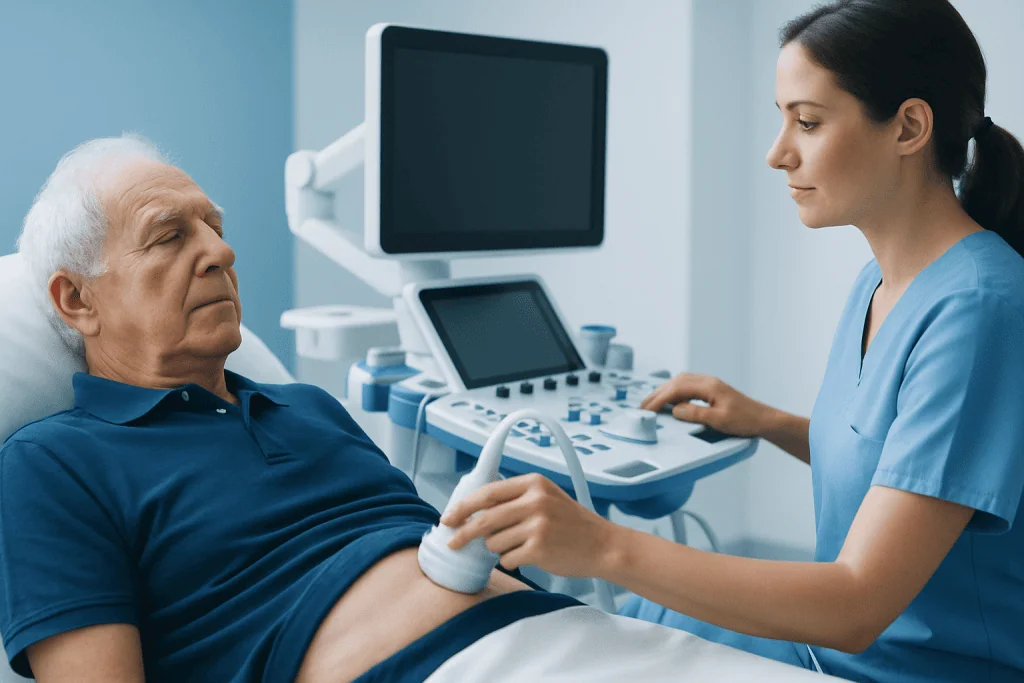
Retirement often changes daily patterns all at once. Work may have provided movement, routine, social interaction, problem-solving, and a sense of identity. When those are reduced or lost, the effects may be subtle at first. A person may sit longer, snack more often, sleep irregularly, or withdraw from social activities without realizing how much these shifts matter.
At the same time, retirement can create important health opportunities. More flexible time may make it easier to exercise, prepare nutritious meals, attend medical appointments, and rest more consistently. Some people also experience lower stress after leaving demanding or physically exhausting work, which can benefit blood pressure, mood, and sleep.
Mental and emotional adaptation is just as important as physical adjustment. A loss of role or purpose can contribute to low mood, anxiety, or decreased motivation. On the other hand, volunteering, caregiving in balance, learning new skills, and maintaining relationships can help preserve confidence, cognitive engagement, and emotional stability.
These mixed effects explain why retirement is not automatically harmful or protective. Its impact depends greatly on how the transition is managed and whether healthy habits replace the routines that work once provided.
Common Health Risks After Retirement

One of the most common risks after retirement is physical inactivity. Without commuting, job-related movement, or a fixed schedule, many people spend more time sitting. Over time, this can affect weight, blood sugar, muscle strength, joint function, balance, and cardiovascular health. Reduced activity may also increase fatigue, making exercise feel harder to restart.
Social isolation is another important concern. Retirement may reduce daily contact with colleagues and regular social routines. Living alone, hearing problems, limited mobility, or the loss of a partner can deepen loneliness. This matters because social isolation is linked with poorer mental health, lower activity levels, and reduced motivation for self-care.
Chronic conditions may become more noticeable in retirement, especially if they were previously masked by routine or delayed medical follow-up. Common concerns include high blood pressure, diabetes, heart disease, arthritis, sleep disorders, osteoporosis, and memory changes. Emotional health also deserves attention, as depression and anxiety may appear or worsen during periods of major adjustment.
Other risks include unhealthy eating patterns, excess alcohol use, poor sleep, medication problems, and falls. Warning signs may include:
- Loss of interest in daily activities
- Noticeable weight gain or loss
- Increasing shortness of breath or fatigue
- Problems with balance or repeated falls
- Persistent sadness, worry, or irritability
- Memory lapses that interfere with everyday tasks
Protective Habits That Support Life Expectancy After Retirement
Regular physical activity is one of the strongest protective habits for healthy aging. It supports heart health, circulation, mood, sleep, muscle mass, bone strength, and balance. Many retirees do well with a combination of walking, strength training, stretching, and balance exercises. The exact plan should match a person’s fitness level and any medical conditions, but consistency is often more important than intensity.
Nutrition also plays a central role. A diet centered on vegetables, fruits, legumes, whole grains, healthy fats, and appropriate sources of protein can help support energy, weight control, and metabolic health. Good hydration matters as well, especially because thirst sensation may change with age. Limiting highly processed foods, excess salt, and excess alcohol can help reduce strain on the heart and other organs.
Sleep, stress management, and emotional well-being are equally important. A regular sleep schedule, exposure to daylight, relaxation practices, and treatment for sleep disorders can all improve overall health. Activities that give meaning to the day, such as volunteering, gardening, learning, or time with family, may protect against low mood and loss of motivation.
Brain and social health should not be overlooked. Reading, language learning, music, crafts, games, and conversation all help keep the mind engaged. Staying socially active through community groups, religious communities, clubs, or regular visits with friends and relatives may support both mental and physical resilience.
The Importance of Preventive Care and Regular Checkups
Preventive care can strongly influence life expectancy after retirement because it helps identify treatable problems before they become more serious. Regular checkups allow doctors to monitor blood pressure, cholesterol, blood sugar, kidney function, vision, hearing, bone health, and vaccination status. For many retirees, these visits also provide a chance to review symptoms that may otherwise be dismissed as normal aging.
Medication review is especially important in later life. People may be prescribed medicines by different doctors over time, and retirement can change routines in ways that affect adherence. A clinician or pharmacist can help check for side effects, drug interactions, dizziness, sleepiness, or medications that may increase the risk of falls.
Screening recommendations vary by age, sex, family history, and overall health. Depending on the individual, clinicians may advise cancer screenings, osteoporosis assessment, heart health evaluation, hearing and vision tests, or cognitive assessment. Concerns such as Alzheimer's disease or other forms of memory decline deserve prompt evaluation rather than watchful waiting alone.
When symptoms suggest an underlying condition, more detailed testing may be appropriate. This can include heart assessment, lung function testing, sleep evaluation, or imaging. In some cases, doctors may recommend check-up and screening programs to support a comprehensive review of health needs during retirement.
Building a Healthy Retirement Routine
A healthy retirement often benefits from structure. Without some plan for the day, healthy intentions can be replaced by long periods of sitting, irregular meals, or excessive screen time. A simple weekly routine can support better habits without feeling rigid. Many people do well when they schedule activity, meals, social contact, hobbies, and sleep at roughly consistent times.
Movement can be built naturally into daily life. Walking to nearby errands, using stairs when safe, gardening, light household tasks, swimming, or joining group exercise sessions can all reduce sedentary time. People with joint pain or reduced mobility may benefit from tailored physical therapy and rehabilitation to improve strength, flexibility, and confidence.
Retirement is also a good time to reassess risk factors developed over many years. Smoking cessation, moderation of alcohol, weight management, and better control of blood pressure or diabetes can still bring meaningful benefits later in life. For some individuals, a medically guided cardiac rehabilitation program may be useful after heart-related illness or procedures.
Families can play a helpful role by encouraging routines without being overbearing. Shared meals, regular phone calls, walks together, and help attending appointments may strengthen both health and relationships. If persistent sadness, withdrawal, or anxiety develops, assessment for depression may be important, since emotional health is closely linked to overall longevity.
When to Seek Medical Advice
Retirement should not be seen as a time to accept every symptom as part of aging. New or worsening shortness of breath, chest discomfort, fainting, significant fatigue, unexplained weight loss, repeated falls, or persistent pain should be discussed with a doctor. Early evaluation often makes treatment simpler and may help preserve independence.
Mood and memory changes also deserve attention. If a person becomes withdrawn, loses interest in usual activities, forgets important tasks, or struggles to manage medicines or finances, professional assessment is appropriate. Family members may notice these changes before the individual does, so their observations can be valuable.
Sleep problems, loud snoring, daytime sleepiness, dizziness, reduced exercise tolerance, and changes in bowel or bladder habits are additional reasons to seek care. These symptoms may be linked to treatable conditions rather than aging alone. A doctor can help decide whether lifestyle changes, medication adjustments, or specialist referral is needed.
Near the end of the retirement transition, some people benefit from a more coordinated evaluation if several issues overlap. Acibadem International’s multidisciplinary specialists in JCI-accredited hospitals diagnose and treat complex health concerns for international patients, with care plans tailored to the individual’s age, symptoms, and goals.
Frequently asked questions
Does retirement shorten life expectancy?
Retirement itself does not automatically shorten life expectancy. Its effect depends on a person's health, stress level, income security, social support, and daily habits after leaving work. For some people, retirement improves health; for others, inactivity or isolation may create new risks.
What habits are most important for healthy aging after retirement?
The most helpful habits usually include regular physical activity, a balanced diet, good sleep, social engagement, and routine medical care. Avoiding smoking, limiting alcohol, and managing chronic conditions are also important. Small habits done consistently often have the greatest long-term benefit.
Why do some people feel worse after they retire?
Retirement can change structure, purpose, movement, and social contact all at once. Some people may feel lonely, less motivated, or uncertain about their new role. If these feelings persist, medical or mental health support can help identify depression, anxiety, sleep problems, or other treatable concerns.
How much exercise is helpful in retirement?
The right amount depends on age, fitness, and medical history, but regular movement is generally beneficial. Walking, strength exercises, balance training, and stretching can all support healthy aging. A doctor should guide exercise plans for anyone with heart disease, lung disease, joint pain, or recent surgery.
Can social life really affect longevity after retirement?
Yes, social connection can affect health in meaningful ways. Staying connected may support mood, memory, activity levels, and adherence to healthy routines. Even simple habits such as regular calls, community groups, or shared walks can make a difference.
Which symptoms should not be ignored after retirement?
Symptoms such as chest pain, fainting, unexplained weight loss, shortness of breath, repeated falls, new confusion, or persistent low mood should not be ignored. These may be signs of treatable medical conditions rather than normal aging. Early assessment is usually the safest approach.
References
- World Health Organization
- National Institute on Aging
- Centers for Disease Control and Prevention
- American Heart Association
- Alzheimer’s Association
This article is for general information only and is not a substitute for professional medical advice. Please consult a qualified doctor about your individual situation.
Explore treatments in Turkey — costs, top hospitals & a free quote
JCI-accredited · board-certified surgeons · reply within 24h
Add us as a Preferred Source to see more of our trusted health content across Google Search, AI Overviews and Discover.
Check your numbers in seconds
BMI, calories, due date, blood pressure and 30+ more clinical calculators — free, instant, doctor-reviewed ranges.

More from the Health Library



Related Specialists

Fzt. Kenan Kesgin
Physical Medicine & Rehabilitation
Assoc. Prof. Dr. Aylin Altan Kuş
Radiology
Dr. Mesut Fatih
Orthopedic Surgery & Traumatology
Fzt. Atilla Murat Ünver
Physical Medicine & Rehabilitation