Liss Cardio — Explained by Medical Evidence, Not Myths
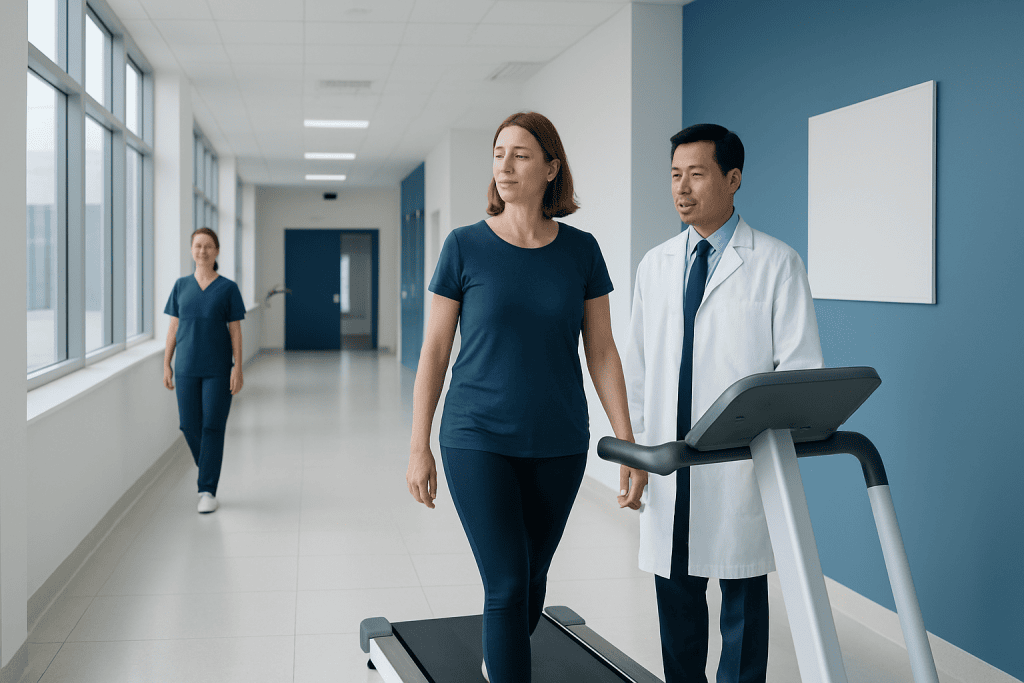
LISS cardio involves continuous movement at an intensity that usually allows a person to speak in full sentences. Walking, easy cycling, swimming and using an elliptical trainer can all be forms of LISS cardio.
Key Takeaways
- LISS cardio involves continuous movement at an intensity that usually allows a person to speak in full sentences.
- Walking, easy cycling, swimming and using an elliptical trainer can all be forms of LISS cardio.
- Regular LISS can support heart health, fitness, mood and long-term activity habits.
- It may be gentler on joints than high-impact exercise, but it is not risk-free for everyone.
- Weight change depends on overall energy balance, nutrition, sleep and consistency, not one exercise style alone.
- People with concerning symptoms or known medical conditions should seek individualized medical advice before starting a new program.
LISS cardio, short for low-intensity steady-state cardio, is continuous aerobic exercise performed at an easy-to-moderate, sustainable pace. Medical evidence supports it as a practical way to increase physical activity, improve aerobic fitness and support cardiovascular health, although it is not inherently better than all other forms of exercise.
What Is LISS Cardio?
LISS cardio means low-intensity steady-state cardio. It describes aerobic activity performed continuously at a relatively comfortable, even pace rather than in repeated hard bursts. A brisk but manageable walk, gentle cycling, relaxed lap swimming or an easy elliptical session may qualify as LISS cardio when the effort remains steady.
In practical terms, the intensity is usually low to moderate enough that a person can talk in complete sentences, although singing may be difficult. This is often called the talk test. Heart-rate targets can be useful for some people, but they are not essential: medications, fitness level, age and medical conditions can all affect heart rate, so perceived effort is often a more accessible guide.
LISS is not a formal medical diagnosis or a uniquely defined training method. It is a popular fitness term for a familiar type of aerobic exercise. Its main value is that it can make regular movement feel achievable, particularly for people who are new to exercise, returning after a break, or looking for a lower-impact activity option.
What the Evidence Says About LISS Cardio
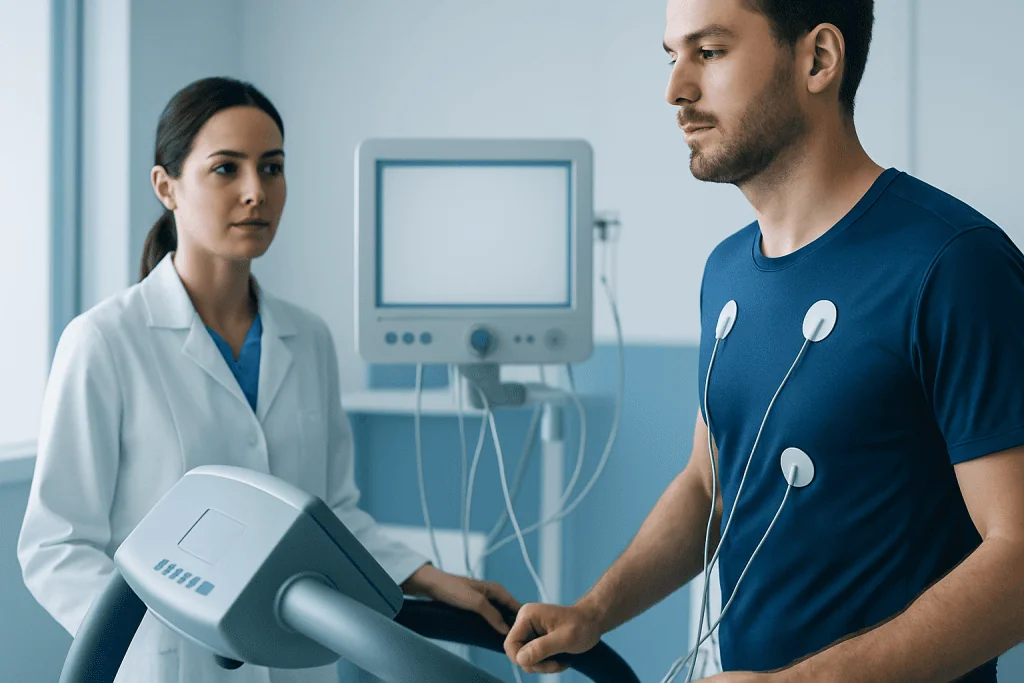
Research consistently shows that regular physical activity is associated with better cardiovascular health, improved cardiorespiratory fitness, lower risk of several chronic diseases and benefits for mental well-being. Moderate-intensity aerobic activity, which overlaps with many LISS sessions, is included in major public-health exercise recommendations. The health benefit comes largely from moving regularly and accumulating enough activity over time.
LISS can improve aerobic capacity, especially in people who are inactive or beginning a program. It trains the body to use oxygen during sustained activity and may improve endurance for everyday tasks such as walking uphill, climbing stairs or carrying shopping. As fitness improves, the same pace often feels easier.
However, evidence does not show that LISS is universally superior to higher-intensity interval training or other exercise approaches. More vigorous exercise may improve fitness in less time for some healthy individuals, while resistance training is particularly important for muscle strength, bone health and physical function. The most suitable plan is one that is safe, enjoyable and sustainable for the individual.
Benefits and Common Myths

A key benefit of LISS cardio is accessibility. It can be adapted to different settings and does not require specialized equipment. Because the effort is manageable, many people can perform it more frequently or for longer periods than strenuous workouts. This may help build a dependable routine and reduce long periods of sitting.
LISS may also be useful as active recovery between more demanding training sessions. Gentle movement can help a person feel less stiff and maintain a habit of activity without adding a high training load. That said, recovery needs vary, and rest may be more appropriate after illness, injury, severe fatigue or unusually intense exercise.
Several popular claims need perspective. LISS does not “melt fat” from a specific body area, and no exercise can reliably target fat loss from the abdomen, hips or thighs. It may use a greater proportion of fat as fuel at lower intensities, but body-weight and body-fat changes depend on total energy balance, eating patterns, sleep, stress, health conditions and consistency over time.
LISS also does not need to be done fasted to be effective. Exercising after eating or before eating can both be appropriate depending on comfort, schedule and medical needs. People with diabetes, those prone to dizziness, or anyone taking medicines that affect blood glucose should discuss safe exercise timing with a healthcare professional.
How to Find the Right Intensity
The talk test is a simple starting point. During LISS cardio, breathing should be deeper than at rest, but conversation should remain possible in full sentences. On a 0-to-10 perceived exertion scale, many people experience LISS around 3 to 5: noticeable effort, but not a level that feels exhausting. A person should be able to maintain the pace without repeatedly needing to stop.
Wearable devices can estimate heart rate, distance and pace, but their readings are not always exact. A device should be used as an optional guide rather than a reason to push through discomfort. People who use beta-blockers or certain other heart medicines may have a lower-than-expected exercise heart rate, making heart-rate zones less reliable without clinical guidance.
For beginners, a level route, stationary bicycle or water-based exercise may make it easier to control intensity. A person can begin with a short duration that feels realistic and gradually add time, frequency or a small amount of pace as comfort and fitness improve. A gradual approach is generally more sustainable than trying to compensate for inactivity with long, difficult sessions.
Ways to Include LISS in a Weekly Routine
Adults are generally encouraged to aim for regular aerobic activity across the week, along with muscle-strengthening activity on at least two days. LISS can contribute to this goal. A person might choose several walks during the week, cycle at an easy pace, swim steadily, dance, or use a treadmill or elliptical trainer at a manageable setting.
A practical routine may start with 10 to 20 minutes at a comfortable pace and build gradually. Shorter sessions also count. For example, a person may take a walk after meals, walk part of a commute, or divide activity into two or three brief periods during the day. Consistency is more important than selecting the “perfect” activity.
Adding strength and balance work can make an exercise plan more complete. Simple body-weight movements, resistance bands or supervised resistance training can support muscles, bones and daily function. Variety may also reduce boredom and repetitive strain; alternating walking with cycling or swimming can be helpful for some people.
- Choose footwear and equipment appropriate for the activity.
- Warm up with a few minutes of slower movement and finish gradually.
- Drink fluids according to thirst and conditions, especially in hot weather.
- Increase one element at a time, such as duration before speed or incline.
Who May Benefit and Who Needs Extra Care
LISS cardio may suit people who want a manageable introduction to exercise, older adults who are able to be active, people returning to movement after a period of inactivity, and individuals who prefer lower-impact activities. It can also fit into rehabilitation or long-term health plans when recommended by a clinician or physiotherapist. The right form of activity depends on symptoms, mobility, fitness and personal goals.
People with arthritis, persistent joint pain, back problems or balance concerns may need modifications. Cycling, water exercise or an elliptical trainer may be more comfortable than walking or jogging for some people, but individual assessment is important. Pain that increases during or after activity should not simply be ignored.
Medical advice before starting or increasing exercise is especially important for people with known heart or lung disease, uncontrolled high blood pressure, diabetes complications, significant kidney disease, recent surgery, pregnancy-related concerns, or a history of fainting with activity. A clinician can help determine an appropriate activity level and whether assessment, supervision or rehabilitation is needed.
When to Seek Medical Care
A person should stop exercising and seek urgent medical attention for chest pressure or pain, severe shortness of breath, fainting, new confusion, weakness on one side of the body, or a rapid or irregular heartbeat accompanied by feeling unwell. These symptoms should not be attributed to being out of shape or to a difficult workout.
Non-urgent medical advice is appropriate for recurring dizziness, unusual breathlessness, palpitations, persistent exercise-related pain, swelling in the legs, or a clear drop in exercise tolerance. A healthcare professional can assess possible causes and advise on safe activity. This is particularly important when symptoms are new or worsening.
For people seeking a structured assessment, Acibadem International’s multidisciplinary specialists in JCI-accredited hospitals can evaluate exercise-related symptoms and support individualized care for international patients. In most cases, LISS cardio is best viewed as one flexible part of a broader lifestyle approach that includes regular movement, balanced nutrition, adequate sleep and preventive healthcare.
Frequently asked questions
Is LISS cardio good for beginners?
Yes. LISS cardio can be a suitable starting point because the intensity is usually manageable and can be adapted to a person’s current fitness level. Beginning with brief sessions and increasing gradually can help reduce the chance of overuse discomfort or discouragement.
How long should a LISS cardio workout be?
The appropriate duration depends on fitness, health and goals. Some people begin with 10 to 20 minutes, while others comfortably perform longer sessions. Weekly activity accumulated over multiple shorter sessions can also provide health benefits.
Is walking considered LISS cardio?
Walking can be LISS cardio when it is continuous and raises breathing and heart rate modestly while still allowing conversation. A very slow stroll may be below this intensity, while a steep or very fast walk may become more vigorous exercise.
Does LISS cardio burn more fat than HIIT?
LISS may use a larger proportion of fat as fuel during the session, but this does not automatically mean greater body-fat loss. Long-term body composition is influenced by total activity, food intake, sleep, health status and the ability to maintain a routine.
Can LISS cardio be done every day?
Many people can perform gentle LISS activities, such as walking, on most days if they feel well and increase activity gradually. Rest, variety and attention to pain or excessive fatigue remain important. People with medical conditions or injuries should ask a clinician for individualized advice.
Should LISS cardio be done before or after strength training?
Either order can be appropriate. People prioritizing strength gains may prefer to complete resistance training first so they have more energy for quality lifting technique. A short, easy cardio warm-up before strength work can also be useful, provided it does not cause fatigue.
References
- World Health Organization
- American Heart Association
- American College of Sports Medicine
- Centers for Disease Control and Prevention
- National Institute on Aging
This article is for general information only and is not a substitute for professional medical advice. Please consult a qualified doctor about your individual situation.
Heart care in Turkey — expert evaluation and treatment
JCI-accredited · board-certified surgeons · reply within 24h
Add us as a Preferred Source to see more of our trusted health content across Google Search, AI Overviews and Discover.
Check your numbers in seconds
BMI, calories, due date, blood pressure and 30+ more clinical calculators — free, instant, doctor-reviewed ranges.