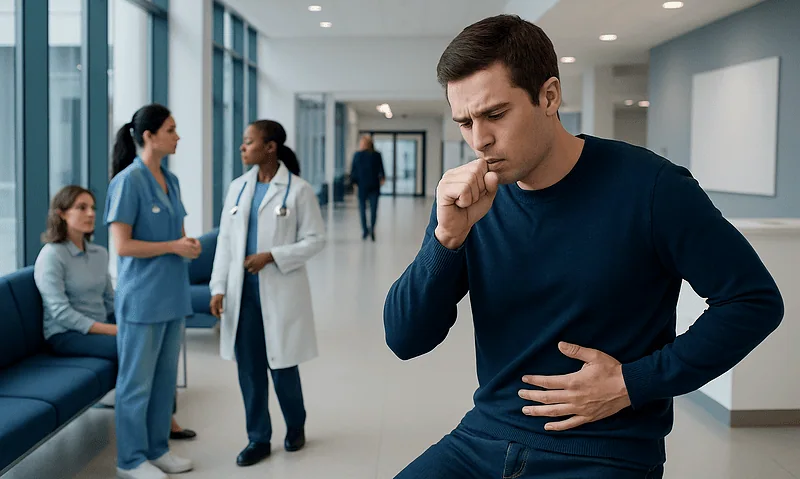
Living with Herpes: What Patients Need to Know

Herpes simplex virus infections are common and can affect the mouth, genitals or both. Symptoms may come and go, but many people have no noticeable symptoms between outbreaks or throughout infection.
Key Takeaways
- Herpes simplex virus infections are common and can affect the mouth, genitals or both.
- Symptoms may come and go, but many people have no noticeable symptoms between outbreaks or throughout infection.
- Antiviral treatment can treat outbreaks and, when taken daily by some patients, reduce recurrences and transmission risk.
- Condoms, avoiding sexual contact during symptoms and open communication can reduce, but not eliminate, transmission risk.
- A diagnosis does not define a person's health, relationships or future fertility in most cases.
Living with herpes can be manageable: many people have mild or infrequent symptoms, and antiviral medicines can shorten outbreaks and lower the chance of passing the virus to others. Clear information, practical self-care and supportive medical follow-up can help people protect their health and maintain fulfilling relationships.
Living with herpes: a practical overview
Living with herpes usually means learning how the infection behaves, recognizing possible outbreaks and using strategies that reduce discomfort and transmission risk. Herpes simplex viruses remain in the body after infection, so there is currently no treatment that removes the virus completely. However, effective antiviral medicines and everyday precautions allow many people to have few symptoms and continue their usual work, social life and relationships.
Herpes simplex virus type 1 (HSV-1) most often causes oral herpes, including cold sores around the lips or mouth. It can also cause genital herpes through oral-genital contact. Herpes simplex virus type 2 (HSV-2) more commonly causes genital herpes. Either type may be present without visible sores, which is why a person can sometimes pass the virus on without knowing they are infected.
A new diagnosis can bring worry, embarrassment or uncertainty. These feelings are understandable, but herpes is a common viral infection and is not a reflection of personal cleanliness, character or sexual values. A clinician can explain the likely type of infection, discuss treatment choices and help a patient make a plan that fits their symptoms, relationships and health needs.
Symptoms, outbreaks and what to expect
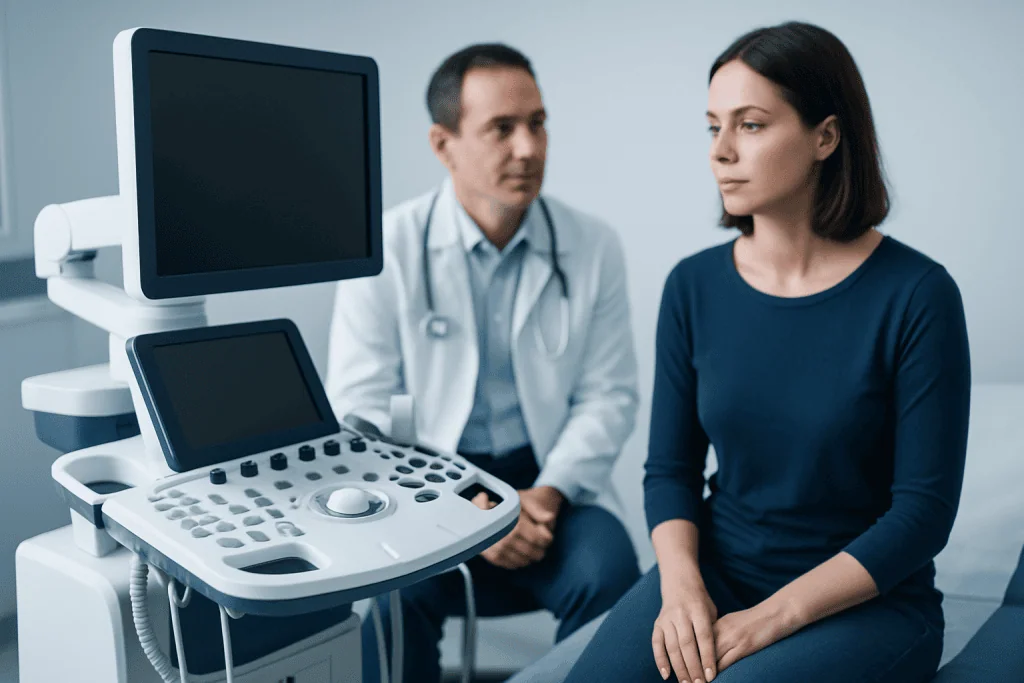
Symptoms vary widely. Some people never develop recognizable sores, while others notice tingling, itching or burning followed by small blisters. The blisters can break to form painful shallow sores. Oral sores may occur on or around the lips, while genital sores can affect the genital area, anus, buttocks or upper thighs.
A first noticeable outbreak can be more uncomfortable than later episodes. It may include fever, body aches, swollen glands, headache or discomfort when passing urine, particularly with genital herpes. These symptoms can overlap with other conditions, so testing and clinical assessment are important rather than self-diagnosis.
After an outbreak heals, the virus becomes inactive in nearby nerve tissue but may reactivate later. Recurrences are often milder and shorter than the first episode. They may be triggered by illness, stress, friction in the affected area, lack of sleep, hormonal changes or sun exposure for some people with oral herpes. Not every outbreak has an identifiable trigger, and recurrence patterns commonly change over time.
Prodromal symptoms are early warning signs of an outbreak. They can include localized tingling, itching, burning or shooting discomfort before sores appear. Avoiding skin-to-skin sexual contact from the first warning sign until lesions have fully healed helps reduce the chance of transmission.
How herpes spreads and how risk can be reduced

Herpes spreads through direct skin or mucosal contact with an infected area, including kissing, oral sex, vaginal sex and anal sex. Transmission is most likely when sores are present, but it can also occur during asymptomatic viral shedding, when the virus is active on the skin without causing visible symptoms.
Barrier methods such as external condoms, internal condoms and dental dams lower the risk of herpes transmission. They do not provide complete protection because herpes can affect skin not covered by a barrier. Consistent use remains worthwhile, especially alongside other preventive measures.
People with genital herpes are usually advised to avoid oral, vaginal and anal sexual contact when they have sores or early warning symptoms. Sharing information with a current or prospective sexual partner before sexual activity allows both people to discuss testing, risk reduction and what feels comfortable. This conversation may be difficult, but it is an important part of mutual consent and trust.
- Do not kiss or have oral contact when an oral cold sore is present.
- Do not share items that directly contact an active oral sore, such as lip products or razors.
- Use barriers consistently during sex, including oral sex where appropriate.
- Consider daily suppressive antiviral therapy if outbreaks are frequent or reducing partner risk is a priority.
Diagnosis and discussing testing with a clinician
A clinician may diagnose herpes by examining characteristic lesions and taking a swab from a fresh sore for laboratory testing. Polymerase chain reaction (PCR) testing is commonly used because it can identify herpes virus genetic material and distinguish HSV-1 from HSV-2. Testing is most useful when performed as soon as possible after a new lesion appears.
Blood tests can look for antibodies to HSV-1 or HSV-2. They may be considered when no sores are present, when a partner has known herpes, or when recurrent unexplained genital symptoms occur. However, blood tests cannot reliably determine where on the body an HSV-1 infection is located or when the infection was acquired. Results should be interpreted with a qualified clinician, particularly if the likelihood of infection is low.
It is sensible to discuss screening for other sexually transmitted infections (STIs) when genital herpes is diagnosed or suspected. Having one STI can indicate exposure risk for others, and many STIs can have few or no symptoms. A sexual health professional can recommend tests based on the individual’s symptoms, history and pregnancy plans.
Patients may find it helpful to note when symptoms begin, where they occur, how long they last and possible triggers. This record can support diagnosis and help determine whether episodic or daily treatment is most appropriate.
Treatment options and everyday symptom relief
Antiviral medicines are the main treatment for herpes. Medicines such as acyclovir, valacyclovir and famciclovir can shorten and ease outbreaks when started promptly. They may be prescribed for a first episode, for occasional treatment at the start of later outbreaks, or as daily suppressive therapy for people with frequent recurrences or a wish to reduce transmission risk.
Daily suppressive therapy can reduce the frequency of outbreaks and lowers, but does not eliminate, the likelihood of passing genital herpes to a sexual partner. The best approach depends on outbreak frequency, severity, other medical conditions, pregnancy status and personal priorities. A doctor or sexual health clinician can review benefits, possible side effects and how treatment should be used.
During an outbreak, gentle care can support comfort. Keeping the area clean and dry, wearing loose clothing and avoiding products that irritate the skin may help. Cool compresses or a brief lukewarm bath can be soothing for some people. Over-the-counter pain relief may be appropriate for many adults, but patients should ask a clinician or pharmacist if they have kidney, liver, stomach, bleeding or medication-related concerns.
Patients should avoid touching sores where possible and wash their hands after touching the affected area. This reduces the chance of moving the virus to another body area, especially the eyes. For broader information about sexually transmitted infections and clinical evaluation, patients can explore sexually transmitted diseases.
Relationships, mental wellbeing and pregnancy planning
Herpes can affect confidence and intimacy, especially after a new diagnosis. Many people benefit from allowing time to process the information and learning the facts before deciding how to discuss it with a partner. A calm conversation can cover the type of herpes, whether symptoms are active, the precautions being used and questions either partner may have.
There is no single correct time or script for disclosure, but honesty before sexual contact is generally the most respectful approach. A patient may say that herpes is manageable, explain the steps they take to reduce risk and offer to review reliable information together. A clinician or sexual health counselor can help if anxiety, stigma or relationship conflict becomes difficult to manage.
Herpes usually does not affect the ability to become pregnant. However, genital herpes should be discussed with the obstetric team during pregnancy. A first genital herpes infection late in pregnancy can pose a higher risk to a newborn than an established recurrent infection. Obstetric clinicians may recommend antiviral treatment later in pregnancy or other delivery planning measures depending on the individual situation.
For international patients seeking coordinated care, Acibadem International’s multidisciplinary specialists and JCI-accredited hospitals can support diagnosis, treatment planning and sexual health care. Ongoing emotional distress, persistent low mood or anxiety deserves the same attention as physical symptoms and can be discussed with a healthcare professional.
When to seek medical care
Medical assessment is recommended for a first episode of suspected herpes, new genital sores, sores that are unusually painful or widespread, or symptoms that do not improve as expected. Early assessment makes it more likely that a swab can confirm the diagnosis and that antiviral treatment can be started promptly when appropriate.
Urgent medical care is important for eye pain, redness, sensitivity to light, blurred vision or a rash near the eye, as herpes infection of the eye needs prompt specialist evaluation. People with a weakened immune system, including those receiving certain cancer treatments or taking immune-suppressing medicines, should contact a clinician promptly if they develop possible herpes symptoms.
Pregnant people should contact their maternity care team if they have a history of genital herpes, develop genital sores, or think they may have been exposed. Immediate assessment is also appropriate for severe headache, neck stiffness, confusion, trouble passing urine, severe pain, inability to drink enough fluids or signs of a serious allergic reaction to a medicine.
Regular follow-up can be useful when outbreaks are frequent, symptoms interfere with daily life, treatment causes side effects or a patient wants to reconsider their prevention plan. Care can be adjusted over time as symptoms, partnerships and health priorities change.
Frequently asked questions
Can a person live a normal life with herpes?
Yes. Many people with herpes have mild, infrequent or no noticeable symptoms and lead full personal, professional and sexual lives. Learning about outbreaks, using treatment when appropriate and taking steps to reduce transmission can make the condition easier to manage.
Is herpes contagious when there are no sores?
Yes, herpes can sometimes be transmitted when there are no visible sores because the virus may be shed from the skin without symptoms. Transmission risk is higher during an outbreak, but it is not zero between outbreaks. Barriers, avoiding sex during symptoms and daily antiviral treatment for selected patients can reduce risk.
Will herpes outbreaks happen forever?
The herpes virus remains in the body, but outbreaks do not occur continuously. Many people find that recurrences become less frequent or less severe over time. A clinician can discuss treatment if outbreaks are frequent, painful or disruptive.
Can herpes be cured?
There is currently no cure that completely removes HSV-1 or HSV-2 from the body. Antiviral medicines are effective at treating outbreaks and can be used daily to reduce recurrences for some people. They can also lower the chance of transmission, although they cannot eliminate it entirely.
Can a person with herpes have sex safely?
Sexual activity is possible, but it is important to use risk-reduction measures. Avoid sexual contact during sores or early symptoms, use condoms or other barriers consistently, and discuss the infection with partners. A clinician may recommend suppressive antiviral treatment in some circumstances.
Does genital herpes affect pregnancy or the baby?
Most people with established genital herpes have healthy pregnancies, particularly when their maternity team knows their history. The greatest concern is a first genital herpes infection close to delivery, which requires prompt specialist advice. Pregnant people should discuss symptoms, previous outbreaks and treatment options with their obstetric clinician.
References
- Centers for Disease Control and Prevention
- World Health Organization
- American Sexual Health Association
- National Health Service
- American College of Obstetricians and Gynecologists
This article is for general information only and is not a substitute for professional medical advice. Please consult a qualified doctor about your individual situation.
Explore treatments in Turkey — costs, top hospitals & a free quote
JCI-accredited · board-certified surgeons · reply within 24h
Add us as a Preferred Source to see more of our trusted health content across Google Search, AI Overviews and Discover.