Llq Pain: Possible Causes and When to Seek Care

LLQ pain refers to discomfort in the lower left area of the abdomen or pelvis. Common causes include constipation, diverticular disease, kidney stones, muscle strain, and gynecologic conditions.
Key Takeaways
- LLQ pain refers to discomfort in the lower left area of the abdomen or pelvis.
- Common causes include constipation, diverticular disease, kidney stones, muscle strain, and gynecologic conditions.
- The pattern of pain, associated symptoms, age, and sex all help guide the likely cause.
- Urgent evaluation is important for severe pain, fever, persistent vomiting, blood in stool or urine, or signs of shock.
- Diagnosis may involve an exam, blood and urine tests, ultrasound, or CT imaging.
- Treatment depends on the underlying cause and ranges from self-care to medicines or surgery.
LLQ pain means pain in the lower left part of the abdomen. It can be caused by digestive, urinary, muscle, or reproductive conditions, and while many causes are not emergencies, sudden severe pain or pain with fever, vomiting, bleeding, or fainting needs prompt medical attention.
What LLQ Pain Can Mean
LLQ pain is pain felt in the left lower quadrant of the abdomen, the area below the belly button and toward the left hip. In many people, this symptom is linked to the digestive tract, especially the colon, but it can also come from the urinary system, abdominal wall muscles, nerves, or reproductive organs.
The meaning of LLQ pain depends on how it starts, how severe it is, and what other symptoms occur with it. Crampy pain with bloating may point to constipation or bowel spasm, while sharp waves of pain radiating toward the groin can suggest a urinary stone. In women, ovarian cysts, endometriosis, or ectopic pregnancy may also cause pain in this area.
Because the same symptom can have different explanations, LLQ pain is best understood as a clue rather than a diagnosis. Paying attention to timing, bowel changes, urination, menstrual history, fever, appetite, and any recent injury can help a doctor narrow down the cause and decide whether urgent testing is needed.
Common Symptoms and Pain Patterns
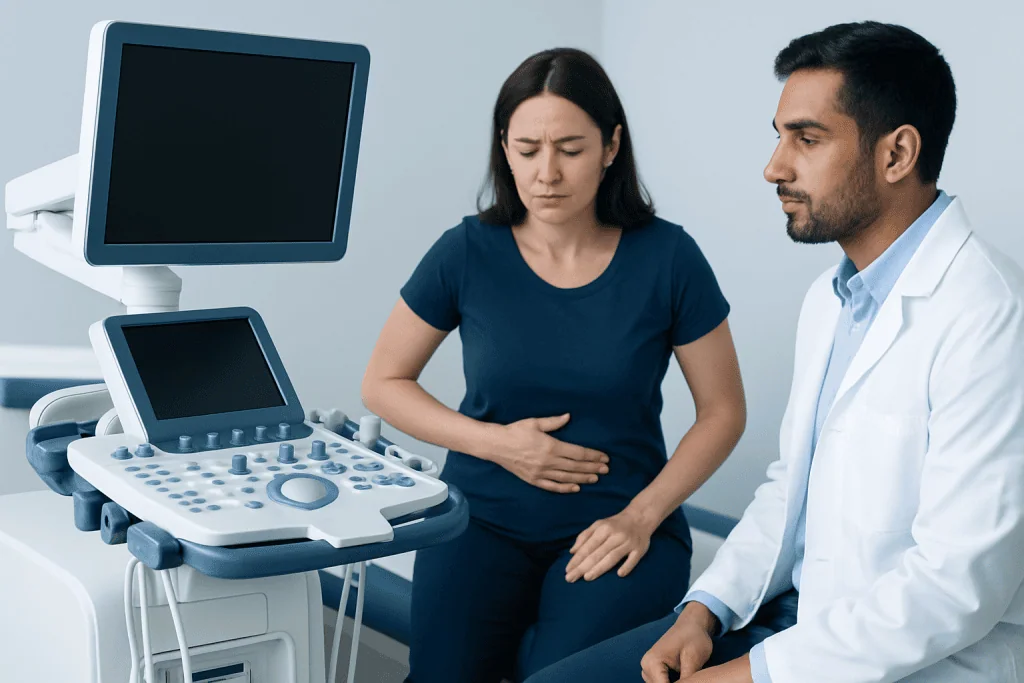
People describe LLQ pain in different ways: dull, aching, cramp-like, sharp, stabbing, or pressure-like. The pain may be constant or come and go. Some notice it more after meals, during bowel movements, when coughing, or with movement.
Associated symptoms often provide important clues. Digestive causes may come with bloating, constipation, diarrhea, nausea, or changes in stool. Urinary causes may lead to burning with urination, urgency, blood in the urine, or pain spreading to the back or groin. Reproductive causes may be accompanied by pelvic pressure, vaginal bleeding, missed periods, or pain during sex.
Doctors also consider whether the pain is new or chronic. Sudden severe pain raises more concern for urgent conditions, while recurring discomfort over months may fit a chronic digestive disorder, pelvic condition, or abdominal wall problem. Symptoms that wake a person from sleep, steadily worsen, or are paired with fever, faintness, or repeated vomiting usually need faster assessment.
Possible Causes of LLQ Pain

Digestive conditions are among the most common explanations. Constipation can cause cramping and a sense of fullness, while irritable bowel syndrome may lead to recurring pain with altered bowel habits. In older adults especially, inflammation or infection in small pouches of the colon, known as diverticulitis, is a classic cause of LLQ pain and may also cause fever and bowel changes.
Urinary tract problems can also produce pain in the lower left abdomen. A kidney stone may trigger sudden severe pain that comes in waves and may extend from the side or back toward the groin. Urinary tract infection can cause lower abdominal discomfort together with burning, frequency, or cloudy urine.
In women, LLQ pain may come from the ovary, fallopian tube, or uterus. Examples include ovulation pain, ovarian cysts, endometriosis, pelvic inflammatory disease, or ectopic pregnancy. In men and women alike, a strained abdominal muscle, hernia, or irritated nerve can mimic internal abdominal pain, especially if the discomfort is linked to movement or lifting.
Less common but important causes include inflammatory bowel disease, bowel obstruction, reduced blood flow to the bowel, and some cancers of the colon or ovary. LLQ pain can occasionally be referred from nearby areas, meaning the source is not exactly where the pain is felt. This is one reason persistent or unexplained symptoms deserve medical review.
Risk Factors and Clues Doctors Consider
A doctor interprets LLQ pain in the context of the whole person. Age matters because some conditions become more likely later in life, such as diverticular disease or colon tumors, while reproductive-age women may need assessment for gynecologic causes. A person’s sex, menstrual history, pregnancy possibility, prior surgeries, and long-term medical conditions can all change the list of likely diagnoses.
Bowel habits and diet are also relevant. Low fiber intake, dehydration, or reduced physical activity can contribute to constipation. A history of inflammatory bowel disease, kidney stones, or repeated urinary infections may point in a more specific direction. Recent infections, antibiotic use, travel, heavy lifting, or abdominal injury may also be important.
Doctors often ask about red-flag features such as weight loss, night sweats, black or bloody stool, blood in the urine, persistent fever, or inability to pass stool or gas. Family history matters too, especially for colon cancer, inflammatory bowel disease, or kidney stone disease. These details help determine whether the pain is likely temporary and manageable or whether it requires more urgent imaging and specialist input.
How LLQ Pain Is Diagnosed
Diagnosis begins with a medical history and physical examination. The clinician will ask where the pain is felt, when it started, what it feels like, what makes it worse or better, and whether there are bowel, urinary, gynecologic, or systemic symptoms. During the exam, the abdomen is checked for tenderness, guarding, swelling, bowel sounds, and signs that the pain may come from the abdominal wall rather than an internal organ.
Basic tests may include blood work to look for infection, inflammation, anemia, or dehydration, and a urine test to check for infection or blood. In women of childbearing age, pregnancy testing is important because ectopic pregnancy can be serious and may present with lower abdominal pain.
Imaging is chosen based on the most likely cause. Ultrasound is often useful for pelvic and gynecologic problems and can help in some urinary conditions. CT scanning is commonly used when diverticulitis, kidney stones, bowel inflammation, or other intra-abdominal causes are suspected; in some situations, doctors may recommend CT imaging for a clearer view. If colon disease is a concern after the acute problem is assessed, a specialist may advise colonoscopy to examine the large intestine directly.
Treatment Options and Self-Care
Treatment for LLQ pain depends entirely on the cause. Mild constipation may improve with hydration, gradual increases in dietary fiber, regular movement, and a doctor-recommended laxative if needed. Functional bowel symptoms may be managed with diet changes, stress reduction, and follow-up care to rule out more serious causes before assuming a benign explanation.
If diverticulitis, urinary infection, inflammatory bowel disease, or a gynecologic condition is diagnosed, treatment may include prescription medicines and close monitoring. Some cases of kidney stones pass on their own, while others need pain control, hydration advice, or procedures if the stone is large or causing blockage. Severe infection, obstruction, or internal bleeding may require hospitalization and sometimes surgery.
Until the cause is known, it is safest to avoid self-medicating heavily with pain relievers that could mask worsening symptoms. A person may rest, drink fluids if able, and note any fever, vomiting, changes in stool, or urinary symptoms. For persistent pain or pain with uncertain cause, specialist assessment in fields such as gastroenterology or gynecology may be appropriate.
Near the end of the evaluation pathway, some patients benefit from multidisciplinary care, especially if symptoms overlap several body systems. Acibadem International’s multidisciplinary specialists and JCI-accredited hospitals diagnose and treat abdominal and pelvic conditions for international patients when further assessment is needed.
When to Seek Medical Care
Medical care is recommended promptly if LLQ pain is severe, sudden, or getting worse, or if it comes with fever, repeated vomiting, rigid abdomen, fainting, dizziness, trouble breathing, or an inability to pass stool or gas. Blood in the stool or urine, black tarry stool, significant vaginal bleeding, or pain during pregnancy also deserve urgent attention.
Same-day medical review is wise for LLQ pain that lasts more than a day or two, keeps returning, or interferes with eating, sleeping, walking, or daily activities. Older adults, people with weakened immune systems, and those with cancer history, inflammatory bowel disease, or previous abdominal surgery should have a lower threshold for evaluation.
If the pain is mild and seems linked to constipation or a minor muscle strain, short-term self-care may be reasonable. Even then, a doctor should be consulted if symptoms do not improve, if the diagnosis is uncertain, or if new warning signs appear. Prompt assessment helps identify conditions that need targeted treatment and avoids delays in care.
Frequently asked questions
What does LLQ pain mean?
LLQ pain means pain in the left lower quadrant of the abdomen, below the belly button and toward the left side. It is a symptom rather than a diagnosis and can come from the bowel, urinary tract, muscles, nerves, or reproductive organs.
Is LLQ pain usually serious?
Not always. LLQ pain can happen with common problems such as constipation, gas, or a mild muscle strain, but it can also signal conditions that need medical treatment, such as diverticulitis, kidney stones, or gynecologic emergencies.
Can constipation cause LLQ pain?
Yes. Constipation can cause cramping, pressure, bloating, and discomfort in the lower abdomen, including the left lower side. If constipation is severe, lasts several days, or comes with vomiting or inability to pass gas, medical advice is important.
How is LLQ pain different in women?
In women, LLQ pain may come from digestive or urinary causes, but doctors also consider the ovaries, fallopian tubes, and uterus. Ovarian cysts, endometriosis, pelvic infection, and ectopic pregnancy are examples that may cause lower left abdominal or pelvic pain.
What tests might be needed for LLQ pain?
Testing depends on the symptoms and exam findings. Common tests include blood tests, a urine test, pregnancy testing when relevant, and imaging such as ultrasound or CT scan; some people also need colon evaluation after the acute issue is addressed.
When should someone go to the emergency department for LLQ pain?
Emergency care is appropriate for sudden severe pain, fainting, chest symptoms, high fever, persistent vomiting, heavy bleeding, blood in stool, or a hard swollen abdomen. A person should also seek urgent help if there is pain during pregnancy or if the pain is rapidly worsening.
This article is for general information only and is not a substitute for professional medical advice. Please consult a qualified doctor about your individual situation.
Explore treatments in Turkey — costs, top hospitals & a free quote
JCI-accredited · board-certified surgeons · reply within 24h
Add us as a Preferred Source to see more of our trusted health content across Google Search, AI Overviews and Discover.
Check your numbers in seconds
BMI, calories, due date, blood pressure and 30+ more clinical calculators — free, instant, doctor-reviewed ranges.

More from the Health Library

Does Nyquil Have Alcohol in It? Here Is What the Evidence Says

Osteoarthritis vs Rheumatoid Arthritis: Key Differences and How Doctors Tell Them Apart

Purpuric Rash: Possible Causes and When to Seek Care

Rash Under Breast: Common Causes, Related Conditions, and When to See a Doctor

Can You Drink Water While Fasting? Here Is What the Evidence Says