Low Back Pain Surgery: Procedure, Recovery and Results

Most low back pain improves without surgery, so an operation is usually considered only after a structured assessment and non-surgical care. Common procedures include lumbar decompression, discectomy, and spinal fusion; the right option depends on the underlying diagnosis.
Key Takeaways
- Most low back pain improves without surgery, so an operation is usually considered only after a structured assessment and non-surgical care.
- Common procedures include lumbar decompression, discectomy, and spinal fusion; the right option depends on the underlying diagnosis.
- Early walking and gradual activity are usually encouraged after surgery, while bending, twisting, and heavy lifting may be restricted initially.
- Pain and stiffness can be expected during healing, but worsening weakness, fever, wound concerns, or bladder and bowel changes need prompt medical assessment.
- Lumbar fusion recovery commonly takes months, and outcomes are influenced by the diagnosis, procedure, rehabilitation, general health, and smoking status.
Low back pain surgery is considered when a specific spinal condition, such as nerve compression or instability, continues to cause disabling symptoms despite appropriate non-surgical treatment. The operation aims to relieve pressure on nerves, stabilize selected spinal segments, or both, and is most helpful when symptoms, examination findings, and imaging results clearly match.
Low Back Pain Surgery: What It Is and When It Can Help
Low back pain surgery is not a single procedure. It describes several operations used to treat a diagnosed structural problem in the lower spine, such as a herniated disc pressing on a nerve, spinal stenosis narrowing the nerve pathways, vertebral slippage, or instability. Surgery is intended to address the source of symptoms rather than treat non-specific back pain alone.
For many people, low back pain improves with time, activity modification, physiotherapy, medicines when appropriate, and other non-surgical measures. Surgery may be discussed when pain remains severe or function remains limited despite a suitable course of conservative treatment, particularly when leg pain, numbness, weakness, or difficulty walking can be linked to a clear spinal finding.
A careful diagnosis is essential because imaging changes are common, including in people without pain. The best surgical results are generally seen when the person’s symptoms, neurological examination, and imaging findings point to the same level and condition. Conditions such as lumbar spinal stenosis or a symptomatic disc herniation may be evaluated by a spine specialist in this way.
How Low Back Pain Surgery Works
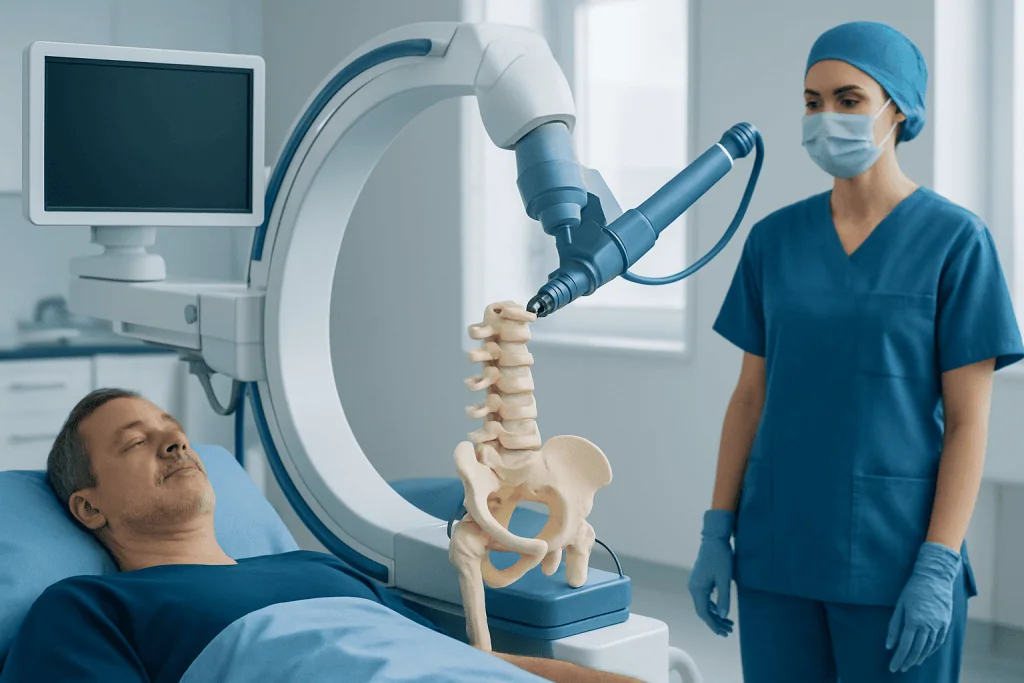
Some operations create more room for irritated spinal nerves. A discectomy removes the portion of a damaged disc that is pressing on a nerve root. A laminectomy or other decompression procedure removes selected bone or thickened tissue that narrows the spinal canal or nerve openings. These procedures are often used when leg symptoms, sometimes called sciatica, are more prominent than back pain.
Spinal fusion has a different purpose. It joins two or more vertebrae so that they heal into a more stable unit. The surgeon may use bone graft material along with screws, rods, or cages to maintain alignment while the bones fuse. Fusion may be considered for proven instability, certain cases of spondylolisthesis, spinal deformity, or when decompression would otherwise leave a segment unstable.
Operations may be performed through traditional open approaches or, for selected patients, minimally invasive techniques using smaller incisions and specialized instruments. The approach is chosen according to the condition, the levels involved, prior surgery, anatomy, and surgeon expertise. spine surgery planning should include a discussion of the expected goals, alternatives, and limitations of each approach.
Who May Be a Candidate for Surgery?

Potential candidates usually have symptoms that affect daily life and a diagnosis that can reasonably be corrected or improved with surgery. Examples include persistent nerve pain traveling into a leg due to disc herniation, walking limitation caused by lumbar spinal stenosis, progressive nerve weakness, or mechanically unstable vertebrae. In rare urgent situations, surgery may be needed more quickly to protect nerve function.
Before recommending an operation, clinicians review the pattern and duration of symptoms, medical history, physical examination, imaging such as MRI or CT, and any previous treatment. X-rays may be used to assess spinal alignment or movement-related instability. Blood tests or other pre-operative checks help identify health issues that may affect anesthesia, wound healing, or recovery.
Suitability also involves personal factors. Smoking or nicotine use, poorly controlled diabetes, osteoporosis, excess physical strain at work, depression, and untreated sleep problems can affect healing or recovery. These factors do not automatically prevent surgery, but addressing them before the procedure can improve safety and support a more realistic recovery plan.
What Happens During the Procedure?
Low back operations are performed in a hospital under general anesthesia. The patient is positioned carefully, usually face down, and the surgical team confirms the intended spinal level using imaging. The skin is cleaned and covered with sterile drapes before an incision is made in the lower back or, for some fusion approaches, near the abdomen or side.
During decompression surgery, the surgeon reaches the affected spinal structures and removes only the tissue needed to free the compressed nerve. In a discectomy, this may mean removing a fragment of disc material. In a laminectomy, it can include removing part of the lamina and related tissue that is narrowing the canal.
When fusion is required, the surgeon prepares the bone surfaces, places graft material, and may insert implants to stabilize the area. X-ray guidance may be used during the operation to confirm positioning. The incision is then closed, and the person is monitored in a recovery area before moving to a hospital room or, in selected cases, preparing for same-day discharge.
The operation length and hospital stay vary widely. They depend on the exact procedure, number of spinal levels treated, surgical approach, overall health, and whether the surgery is planned or urgent. The surgical team can provide the most relevant estimate during pre-operative planning.
Recovery Timeline, Benefits and Risks
Recovery starts with pain control, wound care, and safe movement. Many patients are encouraged to stand and take short walks with guidance soon after surgery, unless their surgeon advises otherwise. Early movement can support circulation, breathing, bowel function, and confidence with daily activities. Activity is then increased gradually according to the procedure and individual recovery.
After a simple lumbar discectomy or decompression, some people return to light daily activities within days to weeks, although nerve recovery can take longer. After lumbar fusion, restrictions and rehabilitation are often more extensive, and bone fusion develops over months. Follow-up visits monitor symptoms, wound healing, mobility, and, when needed, imaging evidence of fusion.
Potential benefits include reduced leg pain, improved walking tolerance, relief of nerve compression, greater stability, and improved ability to take part in valued activities. Surgery cannot guarantee complete pain relief, and it may not resolve every source of back discomfort. Persistent pain, residual numbness, or a period of nerve sensitivity can occur even when the operation successfully relieves compression.
Possible risks include bleeding, infection, blood clots, anesthesia-related problems, spinal fluid leak, nerve injury, persistent symptoms, implant problems, and the need for further surgery. Fusion may fail to heal fully, known as non-union, and stress can develop in spinal levels next to a fusion over time. The surgeon should explain the risks most relevant to the planned operation and the individual’s health.
Do and Don'ts After Spinal Surgery
Instructions differ between procedures, so the surgical team’s advice should always take priority. In general, patients are commonly advised to take short, frequent walks; change positions regularly; use prescribed medicines safely; keep the incision clean and dry as instructed; and attend follow-up and rehabilitation appointments. A physiotherapist may introduce exercises for walking, posture, flexibility, and core control at the appropriate stage.
It is usually important to avoid heavy lifting, repetitive bending, forceful twisting, high-impact exercise, and driving while taking sedating pain medicine or before safe vehicle control has returned. Patients should not stop prescribed medicines, remove dressings, or resume strenuous work without discussing it with their clinical team.
Nicotine products can interfere with wound and bone healing, particularly after fusion, so stopping is strongly recommended. Good nutrition, hydration, regular sleep, and treatment of constipation can also make early recovery more manageable. A gradual pace is often safer than trying to return to all usual activities at once.
Is it better to lay down or sit after back surgery? Neither position should usually be maintained for long periods. Short periods of resting are appropriate, but alternating between lying down, sitting with good support, standing, and gentle walking is commonly more comfortable and helps avoid stiffness. The care team may give specific sitting limits after fusion or other procedures.
Is Pain After L4-L5 Spinal Fusion Normal?
Some pain after L4-L5 spinal fusion is expected. Incision discomfort, muscle soreness, stiffness, fatigue, and changes in sensation can occur during the early healing period. Symptoms should generally become more manageable over time, although the pace varies and nerve-related pain or numbness may improve gradually rather than immediately.
It is important to distinguish expected post-operative discomfort from symptoms that need review. Contact the surgical team promptly if pain is rapidly worsening or uncontrolled, if there is increasing leg weakness or numbness, fever, redness or drainage from the incision, calf swelling, chest pain, shortness of breath, or new loss of bladder or bowel control.
Patients should use pain medicines only as directed and should discuss side effects, including nausea, dizziness, constipation, or excessive sleepiness. Unrelieved pain does not necessarily mean that the fusion has failed, but it deserves assessment so the team can check healing, medication needs, nerve symptoms, and other potential causes.
What Is Life Like After Lumbar Fusion Surgery and When to Seek Medical Care
What is life like after lumbar fusion surgery? Many people gradually return to walking, household tasks, social activities, and work, with timing tailored to the demands of each activity. The fused segment no longer moves in the same way, but the spine has multiple levels and most people can still move through everyday ranges once healing and rehabilitation progress. Some long-term adjustments, such as pacing heavy tasks and maintaining regular exercise, may help protect overall spinal health.
The final result is usually judged over months rather than days. A successful fusion can improve stability and relieve symptoms caused by the treated level, but it does not prevent normal aging changes elsewhere in the spine. Ongoing strengthening, weight management where relevant, safe lifting habits, and avoiding nicotine can support long-term function.
Medical care should be sought urgently for new bladder or bowel dysfunction, numbness around the groin or inner thighs, rapidly progressing leg weakness, severe chest pain, breathing difficulty, or signs of a serious wound infection. A doctor should also review persistent or worsening pain, recurrent leg symptoms, fever, or concerns about the incision. Acibadem International’s multidisciplinary spine specialists and JCI-accredited hospitals evaluate and treat spinal conditions for international patients, including through spinal fusion surgery when clinically appropriate.
Frequently asked questions
When is low back pain surgery usually recommended?
Low back pain surgery is usually considered when a specific spinal condition has been identified and symptoms remain disabling despite appropriate non-surgical treatment. It may also be recommended sooner when there is progressive weakness, significant nerve compression, or certain urgent neurological symptoms.
Is it better to lay down or sit after back surgery?
Short periods of lying down and sitting can both be useful after surgery, but staying in one position for too long may increase stiffness and discomfort. Most patients benefit from regularly changing position and taking short walks, following any procedure-specific restrictions from their surgeon.
Is pain after L4-L5 spinal fusion normal?
Pain, stiffness, and muscle soreness are common after L4-L5 fusion and should generally improve gradually as tissues heal. Rapidly worsening pain, fever, drainage from the wound, increasing weakness, or new bladder or bowel problems should be reported promptly.
What are the main do's and don'ts after spinal surgery?
Walking as advised, protecting the incision, taking medicines as directed, and attending follow-up appointments are important parts of recovery. Heavy lifting, repeated bending or twisting, high-impact exercise, nicotine use, and driving before it is safe should generally be avoided until cleared by the care team.
What is life like after lumbar fusion surgery?
Many people return gradually to daily activities, work, and exercise after lumbar fusion, although recovery often takes several months. Long-term comfort and function are supported by rehabilitation, regular physical activity, healthy movement habits, and realistic expectations about what surgery can and cannot change.
How long does it take to recover from low back pain surgery?
Recovery varies by procedure and individual health. Decompression procedures may allow a faster return to light activities, while fusion usually involves a longer recovery because the bones need time to heal together. The surgeon can provide a personalized timeline based on the operation and work or activity demands.
References
- American Academy of Orthopaedic Surgeons
- North American Spine Society
- National Institute of Neurological Disorders and Stroke
- National Institute for Health and Care Excellence
- Mayo Clinic
This article is for general information only and is not a substitute for professional medical advice. Please consult a qualified doctor about your individual situation.
Joint and spine care in Turkey — expert assessment & treatment
JCI-accredited · board-certified surgeons · reply within 24h
Add us as a Preferred Source to see more of our trusted health content across Google Search, AI Overviews and Discover.

More from the Health Library



Related Specialists

Prof. Dr. Enis Özyar
Radiation Oncology
Dr. Nazife Kartal Kara
Gynecology & Obstetrics
Prof. Dr. Erhan Serin
Orthopedic Surgery & Traumatology
Prof. Dr. Dilek Güven
Ophthalmology