Low Back Treatment: How It Works, Results and What to Expect

Most acute low back pain improves over days to several weeks with conservative care and gradual return to activity. A low back pain treatment plan should be based on symptoms, physical examination and, when needed, targeted imaging or tests.
Key Takeaways
- Most acute low back pain improves over days to several weeks with conservative care and gradual return to activity.
- A low back pain treatment plan should be based on symptoms, physical examination and, when needed, targeted imaging or tests.
- Physical therapy focuses on restoring movement, strength, confidence and safe everyday function rather than prolonged rest.
- Injections and radiofrequency ablation may help carefully selected people with a confirmed pain source, but they are not appropriate for every type of back pain.
- New leg weakness, bowel or bladder changes, fever, severe trauma or unexplained weight loss require prompt medical assessment.
Low back treatment is individualized because back pain can arise from muscles, joints, discs, nerves, arthritis or other health conditions. Most people improve with conservative care such as activity modification, exercise-based physical therapy and appropriate pain management, while procedures or surgery are reserved for specific diagnoses or persistent symptoms.
Overview: how low back treatment works
Low back treatment aims to reduce pain, restore comfortable movement and help a person return to work, sleep, exercise and daily activities. The most effective approach depends on the likely source of pain and on whether symptoms are recent, recurring or long-lasting. In many cases, clinicians use a stepwise plan that starts with education, gentle activity and rehabilitation before considering more invasive options.
Low back pain is common and often non-specific, meaning that no single damaged structure can be identified with certainty. Muscle strain, reduced conditioning, age-related changes in spinal joints or discs, and temporary irritation of surrounding tissues can all contribute. Some people have nerve-related pain, such as sciatica, which may cause pain, tingling or numbness traveling into the buttock or leg.
A person-centered low back pain treatment plan also considers sleep, work demands, stress, physical activity, other medical conditions and personal goals. Imaging findings alone do not always explain pain: disc bulges and joint changes may occur in people without symptoms. For this reason, treatment decisions should combine scan results, when indicated, with the clinical history and examination.
Specialist low back pain treatment may involve rehabilitation physicians, orthopedists, neurosurgeons, pain medicine physicians, physiotherapists and other professionals when symptoms are complex or persistent.
What is the most common treatment for low back pain?
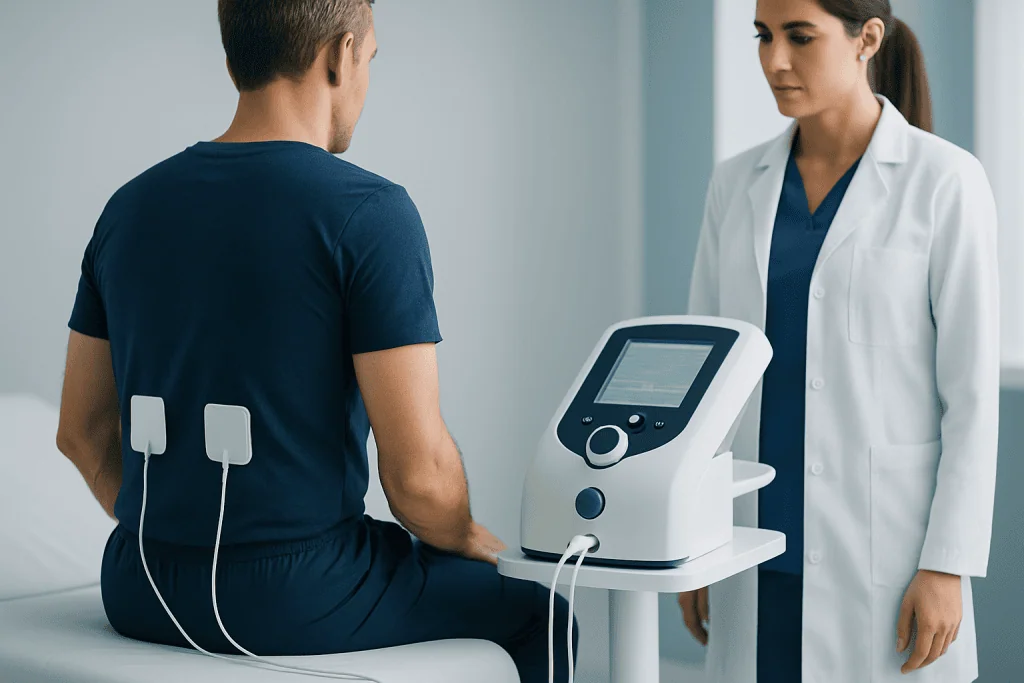
The most common treatment for low back pain is conservative care: remaining gently active, avoiding prolonged bed rest, using heat or other simple comfort measures when helpful, and completing an exercise-based rehabilitation program. A clinician may also recommend short-term pain-relief medicines when they are safe for the individual, taking account of kidney, stomach, heart, liver and other health considerations.
Physical therapy is a central part of many low back treatments. It may include education about movement, stretching for areas with limited flexibility, strengthening of the trunk and hips, walking or other aerobic activity, and practical strategies for lifting, sitting and returning to valued activities. The goal is not necessarily a perfectly straight posture or pain-free movement immediately; it is gradual, confident and sustainable function.
For some people, psychological approaches such as cognitive behavioral strategies, relaxation training or support for fear of movement can be useful alongside physical care. This does not mean the pain is imagined. It recognizes that persistent pain can affect, and be affected by, sleep, mood, stress and the nervous system’s sensitivity.
- Acute pain: often responds to reassurance, activity and short-term symptom relief.
- Persistent pain: may benefit from a structured rehabilitation and self-management plan.
- Nerve compression or a defined joint pain source: may need targeted procedures or surgical evaluation in selected cases.
Assessment, diagnosis and candidacy for procedures
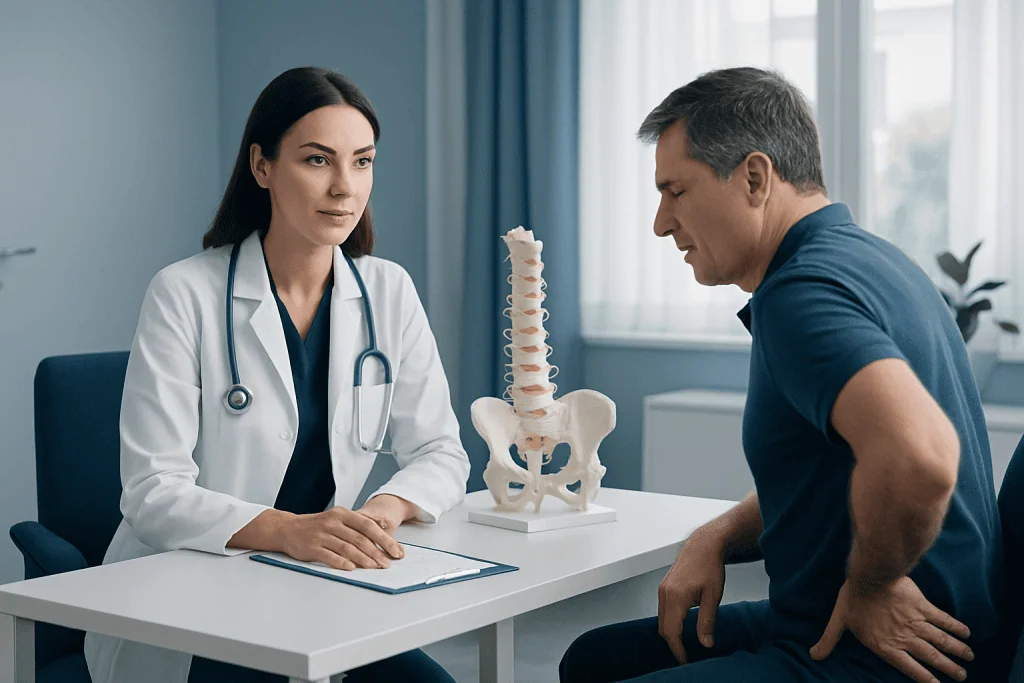
A clinician begins by asking where the pain is felt, when it started, what makes it better or worse, and whether it travels down a leg. The examination may assess posture, range of motion, strength, sensation, reflexes, walking and signs of hip or sacroiliac joint problems. This evaluation helps distinguish non-specific low back pain from conditions such as disc herniation, spinal stenosis, vertebral fracture, inflammatory disease or nerve compression.
X-rays, magnetic resonance imaging (MRI), computed tomography (CT) or blood tests are not routinely needed for every new episode. They are more likely to be useful when there are red flags, significant nerve symptoms, a history of cancer, infection risk, trauma, suspected fracture, or pain that has not improved with appropriate conservative care. Imaging should answer a clinical question and guide management rather than be used as a screening test.
Procedures are usually considered only after a careful diagnosis and adequate trial of non-surgical options, unless there is an urgent neurological concern. For example, an epidural injection may be considered for certain forms of nerve-root pain, while diagnostic blocks may help identify facet-joint pain before radiofrequency ablation. Lumbar disc herniation is one condition that may cause leg-dominant pain and may require a different treatment pathway than localized mechanical back pain.
Good candidacy is based on matching the procedure to the suspected pain generator, reviewing medicines and medical history, and setting realistic goals. A procedure may reduce pain enough to support rehabilitation, but it rarely replaces movement training, healthy activity and follow-up care.
Step by step: physical therapy, injections and ablation
Physical therapy typically begins with an assessment of pain patterns, mobility, strength, balance and functional limits. The therapist and patient agree on meaningful goals, such as walking farther, returning to work tasks or sleeping more comfortably. Sessions then progress through individualized exercises and activity exposure, with a home program that is adjusted as symptoms and confidence change.
When a targeted spinal injection is appropriate, it is commonly performed in an outpatient setting. The skin is cleaned and numbed, and imaging guidance may be used to place a needle accurately near a joint, nerve or epidural space. A medication is then injected to reduce inflammation or help clarify the source of pain. The exact technique and expected effect depend on the diagnosis.
Radiofrequency ablation is a procedure sometimes used for pain thought to arise from the facet joints of the spine. Before it is considered, temporary diagnostic nerve blocks are often used to see whether numbing the relevant nerves produces meaningful short-term relief. During ablation, a physician places specialized needles using imaging guidance and applies controlled heat to interrupt pain signals in selected small sensory nerves.
Local anesthetic is commonly used for radiofrequency ablation, and some settings may offer additional sedation when appropriate. The procedure treats nerve signals rather than correcting all underlying spinal changes. Because nerves can recover over time, pain relief may be temporary and the procedure may not help if the selected nerves are not the main source of pain.
How long does lower back physical therapy take?
Lower back physical therapy often lasts several weeks, but the exact duration varies with the diagnosis, severity of symptoms, fitness level, work demands and response to treatment. Some people need only a few sessions to learn an effective home program, while others with persistent pain, surgery recovery or complex mobility issues may benefit from a longer course.
Progress is usually measured by function as well as pain intensity. Helpful signs include easier walking, improved sleep, greater tolerance for sitting or standing, better strength and less fear of everyday movement. Symptoms can fluctuate during recovery, so a temporary increase in soreness after new exercises does not always mean harm; however, severe or lasting worsening should be discussed with the therapist or doctor.
Regular home exercise and gradual activity are important because improvement usually develops between appointments as well as during them. A therapist may reduce visit frequency once a person can safely continue independently. Continuing selected exercises after formal therapy can help maintain gains and reduce recurrence.
People recovering from nerve irritation, surgery or a more serious spinal condition may need a more individualized rehabilitation timetable. The treating team can explain activity restrictions, work planning and milestones that are appropriate for the person’s diagnosis.
How painful is a lower back ablation?
A lower back ablation is generally performed with local anesthetic, so patients may feel pressure, brief stinging from numbing medicine or short periods of discomfort as the needles are positioned. If sedation is used, it can help some people feel more relaxed, but the approach depends on the procedure, health history and local clinical practice. The clinician should explain what sensations are expected before treatment begins.
It is common to have localized soreness, stiffness or a bruised feeling for several days afterward. Some people notice a temporary increase in pain before improvement develops. The timing of relief varies, and the full benefit, when it occurs, may take several weeks because the treated nerves and surrounding tissues need time to settle.
Potential benefits include reduced facet-related pain and improved ability to take part in exercise, work or daily activities. Results differ between individuals, and radiofrequency ablation is not a universal treatment for low back pain. Its usefulness is greatest when clinical assessment and diagnostic blocks support facet-mediated pain.
Risks are uncommon but can include bleeding, infection, temporary numbness or weakness, increased pain, skin burns and an incomplete or short-lived response. Serious complications are rare, particularly when the procedure is performed by an experienced clinician using appropriate guidance and safety measures.
How long does it take for low back pain to go away?
Many episodes of uncomplicated acute low back pain improve substantially within days to a few weeks. Recovery is not always linear: discomfort may lessen gradually, and certain activities may remain sensitive for a period. Staying as active as comfortably possible and returning to usual movement in a paced way generally supports recovery better than extended bed rest.
When pain lasts longer than several weeks, recurs frequently or limits daily life, a medical review can help refine the diagnosis and plan. Persistent pain does not necessarily indicate ongoing tissue damage. It may reflect a combination of physical deconditioning, altered movement patterns, nerve sensitivity, sleep disruption and other factors that can be addressed through a comprehensive program.
Low back pain treatment success should be defined realistically. Complete pain elimination is possible for some people, but meaningful outcomes also include walking farther, working more comfortably, reducing reliance on pain medicines, sleeping better and returning to important activities. Discussing these goals helps clinicians select treatment options that fit the individual.
Prevention and self-care include regular aerobic and strengthening activity, changing positions during long periods of sitting, using safe lifting techniques, maintaining sleep habits and addressing tobacco use or excess body weight when relevant. There is no single “best” exercise for everyone; consistency and gradual progression matter most.
When to seek medical care
Medical care is appropriate for low back pain that is severe, persistent, recurrent or interfering with work, sleep, walking or self-care. A clinician should also assess pain that follows a significant fall, vehicle collision or other trauma, especially in older adults or people at risk of osteoporosis. Early evaluation can identify conditions that need specific treatment and can provide safe low back pain treatment recommendations.
Urgent assessment is needed for new or worsening leg weakness, numbness around the groin or buttocks, loss of bladder or bowel control, inability to urinate, fever with back pain, or back pain with unexplained weight loss or a history of cancer. These symptoms are uncommon, but they may signal a condition requiring prompt attention.
People with progressive sciatica, significant numbness or persistent leg pain may need evaluation for nerve compression. Sciatica describes nerve-related pain that often travels from the low back into the leg, and treatment is guided by the severity of symptoms and neurological findings.
Acibadem International’s multidisciplinary specialists and JCI-accredited hospitals evaluate and treat low back conditions for international patients. A qualified clinician can help determine whether rehabilitation, medication review, an injection, ablation or surgical consultation is appropriate.
Frequently asked questions
What is a low back pain treatment plan?
A low back pain treatment plan is an individualized approach based on the likely cause of pain, symptom duration, examination findings and personal goals. It commonly includes education, gradual activity, exercise-based rehabilitation and safe symptom management. Procedures or surgery are considered when there is a specific diagnosis and conservative care has not been sufficient.
Do all people with low back pain need an MRI?
No. Most people with a new episode of uncomplicated low back pain do not need immediate imaging. MRI or other tests are usually considered when symptoms suggest nerve compression, fracture, infection, cancer or another serious cause, or when results would change treatment decisions.
Can physical therapy make low back pain worse?
Mild temporary muscle soreness can occur when starting or progressing exercises, especially after a period of limited activity. Therapy should be individualized and adjusted if pain becomes severe, spreads, causes new numbness or weakness, or does not settle. Patients should tell their therapist about any concerning change in symptoms.
How long do results from radiofrequency ablation last?
When radiofrequency ablation is effective, relief may last for months, but the duration varies widely. The treated nerves can regenerate, so symptoms can eventually return. A doctor can review whether repeat treatment or a different approach is appropriate based on the diagnosis and prior response.
Are steroid injections a cure for low back pain?
No. Spinal injections may provide temporary relief for selected conditions, particularly some types of nerve-related pain, and may help a person participate more fully in rehabilitation. They do not correct every underlying cause of back pain and are not needed for most uncomplicated cases.
When is surgery considered for low back pain?
Surgery is usually considered when there is a clear structural problem that matches symptoms, such as severe nerve compression with weakness or persistent disabling leg pain, and non-surgical treatment has not helped. Urgent surgery may be needed for rare neurological emergencies. The decision should follow a detailed discussion of expected benefits, limitations and risks.
References
- World Health Organization
- National Institute for Health and Care Excellence
- American College of Physicians
- National Institute of Neurological Disorders and Stroke
- North American Spine Society
This article is for general information only and is not a substitute for professional medical advice. Please consult a qualified doctor about your individual situation.
Joint and spine care in Turkey — expert assessment & treatment
JCI-accredited · board-certified surgeons · reply within 24h
Add us as a Preferred Source to see more of our trusted health content across Google Search, AI Overviews and Discover.