Low Protein in Blood: Normal Ranges, High and Low Results Explained

Blood protein results are interpreted using the lab’s reference range, the specific protein measured, and the person’s age, health status, and symptoms. Albumin and total protein are the most common blood protein tests; they do not mean exactly the same thing.
Key Takeaways
- Blood protein results are interpreted using the lab’s reference range, the specific protein measured, and the person’s age, health status, and symptoms.
- Albumin and total protein are the most common blood protein tests; they do not mean exactly the same thing.
- Low protein in blood can be linked to poor intake, malabsorption, liver disease, kidney loss of protein, inflammation, or fluid overload.
- High protein in blood is less common and may be related to dehydration, chronic inflammation, or certain blood disorders.
- A single abnormal result often needs repeat testing and related tests before the cause is clear.
- Medical review is important if abnormal protein levels are accompanied by swelling, jaundice, foamy urine, ongoing diarrhea, or unexplained weight loss.
Low protein in blood means the measured protein level—usually total protein or albumin—is below the laboratory’s reference range. Mild changes are not always serious, but results become medically meaningful when they persist, are clearly outside the range, or occur with symptoms such as swelling, weight loss, fatigue, or signs of liver, kidney, or digestive disease.
Overview: what low protein in blood means
Low protein in blood usually refers to a blood test showing that total protein or albumin is below the laboratory’s normal range. In many adults, total protein is commonly reported at about 6.0 to 8.3 grams per deciliter and albumin at about 3.5 to 5.0 grams per deciliter, although exact ranges vary by laboratory, testing method, age, pregnancy status, and overall health context.
The first step in understanding the result is to look at which protein was measured. Total protein includes albumin and globulins together, while albumin is the main protein made by the liver and helps keep fluid in the bloodstream. A low result may reflect reduced production, poor intake or absorption, increased loss from the kidneys or digestive tract, or dilution from extra body fluid.
Not every mildly low result means disease. Temporary changes can happen with hydration shifts, acute illness, pregnancy, or recovery from surgery. What matters most is how far the value is from the reference range, whether the result is persistent, and whether there are other abnormal tests or symptoms.
Normal ranges, high results, and when a result is meaningful
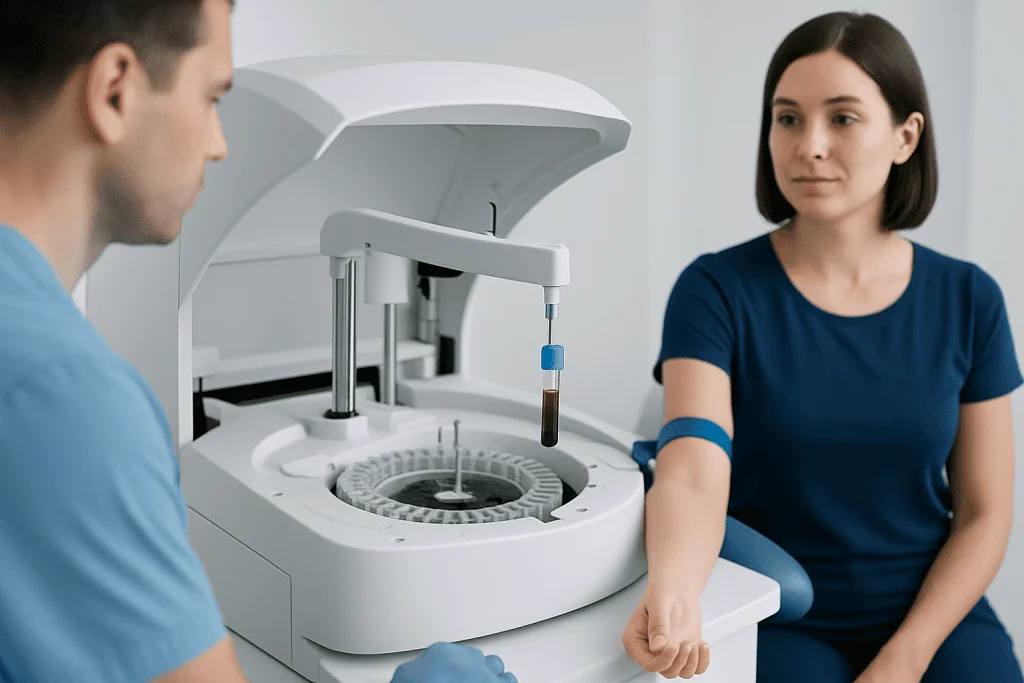
Most blood reports list a reference range next to the result. For total protein, many laboratories use a range near 6.0 to 8.3 g/dL, and for albumin a range near 3.5 to 5.0 g/dL. Children, older adults, pregnant women, and hospitalized patients may have different expected values, so the printed range from the testing laboratory is the best starting point.
Results should also be read in context. A person with a value just below the lower limit and no symptoms may only need repeat testing, while a person with a more pronounced drop plus swelling, weakness, or jaundice may need prompt evaluation. Trends over time are often more informative than one isolated result.
High protein in blood is interpreted differently. It is often due to dehydration, which concentrates proteins in the blood, but it can also be associated with chronic inflammation, infection, autoimmune disease, or less commonly certain plasma cell disorders. When total protein is high, doctors may order additional tests such as protein electrophoresis to understand which protein fraction is elevated.
The albumin-to-globulin ratio can also help. If albumin is low but globulins are normal or high, the pattern may suggest liver disease, inflammation, or protein loss. If both are low, poor nutrition, severe illness, or fluid overload may be considered along with other causes.
Symptoms and clues that may accompany low blood protein

Low protein in blood does not always cause noticeable symptoms, especially when the drop is mild. When symptoms do occur, they often relate to the cause or to reduced albumin, which can allow fluid to leak into tissues. This may lead to swelling in the legs, ankles, feet, or around the eyes.
Some people notice fatigue, muscle loss, weakness, slower healing, or unintentional weight loss. If protein loss happens through the digestive tract, symptoms can include ongoing diarrhea, abdominal discomfort, or poor appetite. If kidney disease is involved, urine may appear foamy and swelling may become more obvious.
Liver-related causes may be suggested by yellowing of the skin or eyes, abdominal swelling, easy bruising, or itching. Inflammation, infection, or chronic disease may bring fever, night sweats, joint symptoms, or a general feeling of being unwell. Because these signs overlap with many conditions, the blood test is interpreted alongside the person’s history and examination.
- Swelling of the legs, ankles, hands, or face
- Fatigue, weakness, or loss of muscle mass
- Foamy urine or changes in urination
- Persistent diarrhea or poor appetite
- Jaundice, abdominal swelling, or easy bruising
Common causes and risk factors
Low blood protein can develop for several broad reasons: the body may not be getting enough protein, may not be absorbing nutrients well, may not be making enough protein, or may be losing protein faster than normal. Reduced dietary intake is one possibility, especially in older adults, people with limited food access, or those recovering from illness or surgery. However, nutrition alone is not the only explanation.
Liver disease is a well-known cause because the liver makes albumin. Conditions such as chronic liver inflammation, cirrhosis, or advanced liver dysfunction can lower albumin over time. Kidney disease can also lead to protein loss into the urine, as seen in disorders such as kidney failure or nephrotic-range protein loss. Digestive disorders that impair absorption or cause protein-losing enteropathy are another important group.
Inflammation and serious illness may reduce albumin because the body shifts how it makes and uses proteins during stress. Heart failure, severe infections, burns, and some cancers can all affect protein levels indirectly. Fluid overload from intravenous fluids or certain medical conditions can make the concentration look lower even if total body protein has not fallen substantially.
High protein results have their own causes. Dehydration is common, but chronic inflammatory diseases, some infections, and blood conditions affecting immunoglobulins may also raise total protein. If a result is unexpectedly high or low, doctors may consider whether the issue is albumin, globulins, or both.
How doctors diagnose the cause
An abnormal protein result is a clue, not a diagnosis by itself. Doctors usually begin by reviewing symptoms, recent illness, hydration status, medicines, alcohol use, diet, and any history of liver, kidney, or digestive problems. They may repeat the blood test if the change is mild or unexpected, especially if there were no symptoms at the time of testing.
Useful follow-up tests often include albumin, globulin, liver enzymes, bilirubin, kidney function tests, electrolytes, urine protein testing, and markers of inflammation. If protein loss through the kidneys is suspected, urine albumin or a urine protein-to-creatinine ratio may be checked. If the pattern suggests an abnormal globulin level, serum protein electrophoresis may be ordered.
Imaging or specialist assessment may be needed in some cases. For example, liver ultrasound or advanced liver transplant evaluation may be relevant in severe chronic liver disease, while kidney imaging or biopsy is reserved for selected situations. If symptoms point to malabsorption, evaluation may include stool tests, celiac testing, or endoscopy.
The goal is to identify whether the issue is production, loss, absorption, inflammation, or dilution. This step-by-step approach helps avoid overinterpreting a single lab number and guides treatment toward the underlying condition rather than the number alone.
Treatment options and what may help
Treatment for low protein in blood depends on the cause. If a person has poor nutritional intake, a clinician may recommend changes in diet, support from a dietitian, or treatment for swallowing or appetite problems. If malabsorption is present, addressing the digestive disorder is more effective than simply eating more protein.
When liver disease is responsible, treatment focuses on the specific liver condition and on preventing complications. In selected cases, management may involve hepatology follow-up and care for advanced disease, including evaluation for liver cancer when clinically appropriate or referral for specialized treatment. If kidney protein loss is the main issue, nephrology care can help control the condition and reduce further damage, sometimes alongside planning for therapies such as kidney transplant in advanced disease.
Fluid balance also matters. If dilution from fluid overload is contributing, doctors will treat the underlying heart, kidney, or liver problem rather than trying to raise the protein level directly. During serious illness or inflammation, albumin may improve only when the main condition is brought under control.
Self-treatment with supplements is not always the answer. Protein powders or high-protein diets may be useful for some people, but they may not help if the body is losing protein or cannot process it well, and they may be unsuitable in certain kidney or liver conditions. A doctor or dietitian can advise on safe, individualized steps.
Prevention and self-care
Not all cases can be prevented, but general health habits can support normal protein balance. Eating a balanced diet with adequate protein, staying hydrated, limiting excess alcohol, and managing long-term conditions such as diabetes, high blood pressure, kidney disease, and digestive disorders can all help lower the risk of abnormal results over time.
People with known liver, kidney, or intestinal disease may need regular follow-up blood and urine tests. Taking medicines as prescribed, attending checkups, and reporting new swelling, appetite changes, or changes in urine can help problems be recognized early. It is also wise to discuss over-the-counter supplements or restrictive diets with a clinician before starting them.
For those recovering from surgery or serious illness, gradual nutritional support and monitoring are often important. If there are signs of ongoing protein loss or malnutrition, referral to specialists may be helpful. Acibadem International’s multidisciplinary specialists and JCI-accredited hospitals evaluate and treat complex liver, kidney, and digestive conditions for international patients, including advanced care such as organ transplantation.
When to seek medical care
A low protein result should be discussed with a doctor if it is clearly outside the lab range, keeps recurring, or appears together with symptoms. Medical assessment is especially important if there is swelling, foamy urine, yellowing of the skin or eyes, unexplained weight loss, persistent diarrhea, severe fatigue, or abdominal swelling.
Urgent care may be needed if symptoms are sudden or severe, such as confusion, breathing difficulty, rapid swelling, chest pain, severe dehydration, or signs of serious infection. People with known liver or kidney disease should not ignore a new abnormal protein result, because it may signal a change in disease activity or fluid balance.
In many cases, the next step is not emergency treatment but careful follow-up. Repeat blood work, urine tests, and targeted evaluation usually clarify whether the result reflects a temporary variation or an underlying condition that needs treatment.
Frequently asked questions
What is considered low protein in blood?
Low protein in blood usually means total protein or albumin is below the reference range listed by the laboratory. Many adult labs use about 6.0 to 8.3 g/dL for total protein and about 3.5 to 5.0 g/dL for albumin, but the exact range can vary.
Is low protein in blood serious?
It can be, but not always. A mild, isolated result may reflect hydration changes or short-term illness, while a persistent or clearly low result may point to liver disease, kidney protein loss, malabsorption, inflammation, or poor nutrition.
What is the difference between total protein and albumin?
Total protein measures albumin plus globulins together. Albumin is the main protein made by the liver and is especially important for keeping fluid inside blood vessels, so a low albumin level can be linked to swelling.
Can dehydration cause low protein in blood?
Dehydration more often makes protein levels appear higher because the blood becomes more concentrated. Low protein is more commonly linked to reduced production, poor intake or absorption, protein loss, or fluid overload.
How can low protein in blood be corrected?
Correction depends on the cause. Some people need better nutritional intake, while others need treatment for liver disease, kidney disease, digestive conditions, inflammation, or fluid imbalance.
What causes high protein in blood?
High protein in blood is often due to dehydration, but it can also occur with chronic inflammation, infections, autoimmune conditions, or certain blood disorders. Follow-up testing may be needed to determine which protein fraction is elevated.
Should a person repeat the test if the result is low?
Often yes, especially if the result is only slightly abnormal and there are no symptoms. A repeat test, along with related blood and urine tests, helps show whether the change is temporary or part of an underlying condition.
References
- MedlinePlus
- Cleveland Clinic
- Merck Manual Consumer Version
- National Institute of Diabetes and Digestive and Kidney Diseases
- Mayo Clinic
This article is for general information only and is not a substitute for professional medical advice. Please consult a qualified doctor about your individual situation.
Medical weight-loss options in Turkey — costs & eligibility
JCI-accredited · board-certified surgeons · reply within 24h
Add us as a Preferred Source to see more of our trusted health content across Google Search, AI Overviews and Discover.