Lower Back Exercises — Explained by Medical Evidence, Not Myths

Most lower back exercises work best when they are gentle, regular, and progressed gradually. Exercise can improve pain, flexibility, strength, and day-to-day function in many common types of low back pain.
Key Takeaways
- Most lower back exercises work best when they are gentle, regular, and progressed gradually.
- Exercise can improve pain, flexibility, strength, and day-to-day function in many common types of low back pain.
- Not every movement suits every person; pain that shoots down the leg, numbness, or worsening weakness needs medical advice.
- Staying active is usually more helpful than prolonged bed rest for uncomplicated low back pain.
- A balanced program often combines mobility, core strengthening, posture awareness, and walking.
- Urgent symptoms such as bladder or bowel changes, fever, major trauma, or saddle numbness require prompt assessment.
Lower back exercises can help many people reduce pain, improve movement, and support recovery, but the best routine depends on the cause of symptoms and the person’s current ability. Medical evidence supports gentle, progressive exercise over prolonged rest, while warning signs such as severe weakness, fever, or loss of bladder control need prompt medical evaluation.
Overview: what lower back exercises can really do
Lower back exercises are not a single universal routine. They are a group of movements used to improve mobility, build strength, reduce stiffness, and help the spine tolerate everyday activities more comfortably. For many people with common low back pain, exercise is one of the most effective non-drug treatments when it is chosen carefully and done consistently.
Medical evidence does not support the myth that everyone with back pain should stay in bed or avoid movement until all pain is gone. In fact, prolonged rest often makes the back feel stiffer and weaker. Most uncomplicated low back pain improves more reliably with gradual activity, simple exercises, and return to normal movement as tolerated.
At the same time, not all back pain has the same cause. Muscle strain, joint irritation, disc-related pain, poor conditioning, and pain linked to the sciatic nerve can each respond differently to movement. That is why the safest approach is not to copy intense online routines, but to choose exercises that match symptoms and stop any movement that clearly increases pain, tingling, or weakness.
How exercise helps the lower back
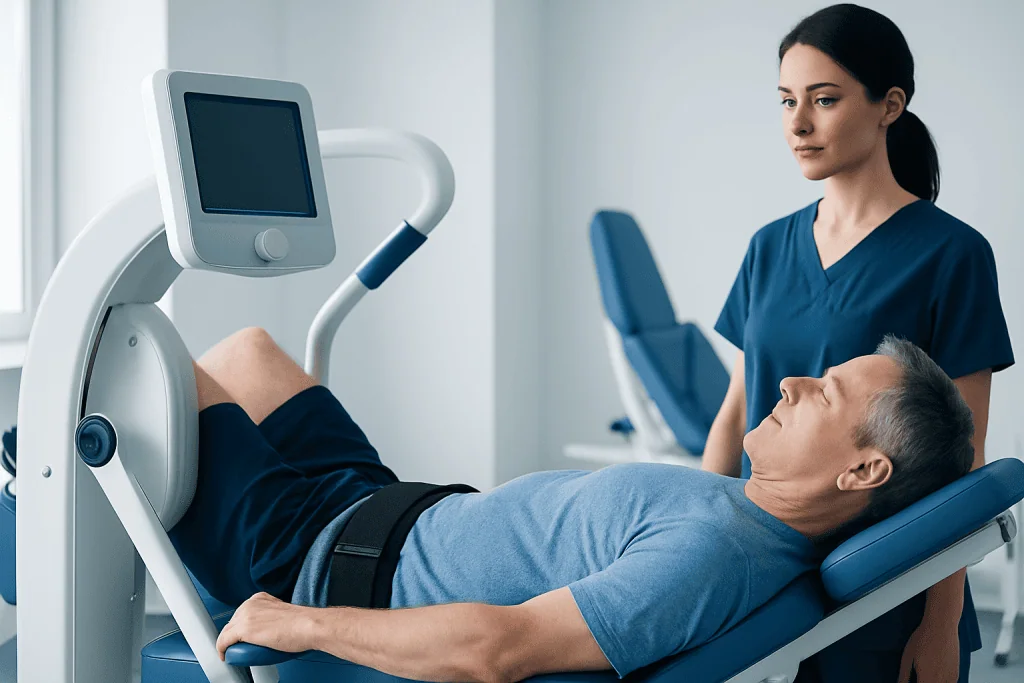
The lower back relies on coordinated support from the abdominal muscles, deep spinal muscles, hips, and pelvis. When these areas are deconditioned or stiff, the spine may become less efficient at handling lifting, prolonged sitting, or repetitive bending. Evidence-based exercise aims to restore this support system rather than simply “stretching out” pain.
Exercise may help by reducing muscle guarding, improving blood flow, maintaining joint motion, and increasing confidence in movement. It can also improve posture habits and lower the fear that normal activity will always cause harm. For chronic or recurring pain, this matters because pain is often influenced by both tissue sensitivity and movement patterns over time.
Effective lower back exercises usually fall into a few categories:
- Mobility exercises to reduce stiffness and restore comfortable movement.
- Core and hip strengthening to improve support for the spine.
- Stretching for tight muscles such as the hamstrings or hip flexors when appropriate.
- Aerobic activity such as walking, which supports overall recovery and function.
Evidence-based lower back exercises to consider

A practical lower back exercise program usually starts with gentle movements and progresses only when symptoms are settling. Commonly used options include pelvic tilts, knee-to-chest movements, cat-camel mobility, and gentle trunk rotation while lying down. These are often used to reduce stiffness and help a person become more comfortable with everyday movement again.
Strength-focused options may include abdominal bracing, bridges, bird-dog exercises, side-lying leg work, and modified planks, depending on ability and pain level. These exercises train the trunk and hips to share load more effectively. The goal is not to create a rigid spine, but to improve control and endurance so the back is less easily irritated by standing, lifting, or sitting.
Walking is sometimes overlooked, yet it has strong practical value. A gradual walking program can help many people with non-specific low back pain by improving circulation, stamina, and confidence with movement. Some people also benefit from flexion-based or extension-based exercises, but these should be individualized. If one direction consistently worsens leg pain or numbness, that pattern should be discussed with a clinician.
It can also help to work on nearby areas that affect spinal load, such as the hips and upper back. Tight hip flexors, weak gluteal muscles, or limited thoracic movement may change how the lower back moves. In some cases, low back symptoms are connected with conditions such as sciatica or a herniated disc, where a clinician can help select movements that are more suitable.
Common myths and mistakes to avoid
One common myth is that pain during any movement means damage is occurring. Mild discomfort or a feeling of stiffness at the start of exercise is common, especially after a pain flare. What matters more is whether symptoms settle soon after the session and whether function gradually improves over days and weeks. Sharp, escalating, or radiating pain is different and should not be pushed through.
Another misconception is that stronger always means better. Aggressive stretching, high-repetition sit-ups, heavy twisting, or advanced core work done too early can aggravate symptoms. The lower back often responds best to slow progression, attention to technique, and exercises that feel manageable rather than exhausting.
People also sometimes focus only on the back itself. In reality, sleep, stress, prolonged sitting, low activity levels, and poor lifting habits can all affect recovery. Exercise is most effective when combined with practical changes such as regular movement breaks, safe body mechanics, and gradual return to normal tasks.
Finally, a generic online routine may not fit every person. Back pain after a sports strain differs from back pain with leg numbness, pain after osteoporosis-related fracture, or inflammatory pain that is worse at night. When symptoms are persistent or unusual, assessment matters more than guessing.
How to start safely and build a routine
The safest starting point is usually short, gentle sessions performed regularly rather than occasional intense workouts. Many people do well with 10 to 15 minutes once or twice daily at first, then build gradually. Movements should be slow and controlled, with easy breathing and no forced range of motion.
A simple routine might include a brief warm-up, one or two mobility exercises, one or two strengthening exercises, and a short walk. It often helps to use a “tolerable symptom” approach: symptoms may be present, but they should not sharply increase during the movement, spread farther down the leg, or remain significantly worse later the same day.
Progression should be guided by function as well as pain. If a person can sit, stand, bend, and sleep more comfortably, the program is likely moving in the right direction. If pain repeatedly spikes after exercise, the routine may need to be modified. Rehabilitation programs such as physical therapy and rehabilitation can help tailor exercises to mobility limits, work demands, and imaging findings when needed.
Supportive measures may also help. These can include heat for short-term stiffness relief, pacing of activities, and ergonomic adjustments at work or home. For selected cases, a doctor may evaluate whether further care is needed through services such as orthopedics and traumatology or neurosurgery when structural spinal problems are suspected.
When lower back exercises may not be enough
Exercise is helpful for many forms of low back pain, but it is not the whole answer in every case. Some people have symptoms caused by nerve compression, significant arthritis, spinal canal narrowing, fracture, infection, inflammatory disease, or other conditions that need a different plan. Persistent pain without improvement, repeated flare-ups, or pain that limits sleep and daily activity deserves medical review.
Lower back pain that travels below the knee, causes tingling, or is linked with numbness may suggest nerve involvement. Weakness in the foot or leg, trouble walking on toes or heels, or worsening balance also needs attention. A clinician may combine a physical examination with imaging or other tests if the history suggests a structural cause rather than routine muscle-related pain.
For some patients, specialist care may include structured rehabilitation, medication review, image-guided procedures, or surgery when clearly indicated. Most people do not need surgery for low back pain, but evaluation is important when symptoms strongly suggest compression of a nerve root or another serious spinal condition. Near the end of the care pathway, Acibadem International’s multidisciplinary specialists in JCI-accredited hospitals diagnose and treat spinal and back-pain conditions for international patients.
When to seek medical care
A doctor should assess back pain promptly if it follows a major fall, accident, or other trauma, especially in older adults or people with known osteoporosis. Medical review is also important if the pain is severe and constant, keeps getting worse, or lasts beyond a few weeks despite sensible self-care and exercise modification.
Urgent medical care is needed for red-flag symptoms such as new loss of bladder or bowel control, numbness around the groin or inner thighs, significant or rapidly worsening leg weakness, unexplained fever, or back pain linked with unexplained weight loss. Night pain that does not improve with rest can also need evaluation depending on the overall clinical picture.
People with a history of cancer, immune suppression, intravenous drug use, recent serious infection, or long-term steroid use should not rely on exercise alone without professional advice. In children, pregnant individuals, and older adults with new or severe symptoms, assessment may also be important sooner rather than later.
Frequently asked questions
Do lower back exercises really help back pain?
For many people, yes. Evidence supports exercise as a key part of managing common low back pain because it can improve movement, strength, and daily function. The best results usually come from regular, gradual exercise rather than intense routines done occasionally.
Should a person rest or keep moving when the lower back hurts?
In most uncomplicated cases, gentle movement is more helpful than prolonged bed rest. Short periods of easing back may be reasonable during a pain flare, but staying inactive for too long can increase stiffness and weakness. If symptoms are severe or unusual, medical advice is important.
Which exercises are usually safest to start with?
Gentle mobility exercises, abdominal bracing, bridges, and walking are commonly used starting points. The right choice depends on symptoms, age, fitness, and whether pain stays in the back or travels into the leg. Movements should feel controlled and should not cause marked worsening afterward.
Can lower back exercises make pain worse?
They can if the exercise is poorly matched to the condition, done too aggressively, or progressed too quickly. Mild soreness can happen, but sharp pain, spreading leg pain, or new numbness is a sign to stop and seek advice. A clinician or physiotherapist can help adjust the program.
How long does it take to notice improvement?
Some people feel a difference within days, especially with stiffness-related pain, while others need several weeks of steady practice. Improvement is often gradual and measured by easier movement, better tolerance for sitting or walking, and fewer flare-ups. Consistency matters more than intensity.
When should someone not rely on exercise alone?
Exercise should not be the only strategy if there is major trauma, fever, unexplained weight loss, cancer history, bladder or bowel changes, saddle numbness, or progressive leg weakness. These symptoms may signal a condition that needs prompt medical assessment. Persistent pain that does not improve also deserves review.
This article is for general information only and is not a substitute for professional medical advice. Please consult a qualified doctor about your individual situation.
Explore treatments in Turkey — costs, top hospitals & a free quote
JCI-accredited · board-certified surgeons · reply within 24h
Add us as a Preferred Source to see more of our trusted health content across Google Search, AI Overviews and Discover.

More from the Health Library

Runing — Explained by Medical Evidence, Not Myths

Refractive Lens Exchange — Explained by Medical Evidence, Not Myths

Psychomotor Retardation: What Patients Need to Know

Influenza a: What Patients Need to Know

External Rotation: What Patients Need to Know