Lower Back Problems in Pregnancy Explained: Causes, Management, and When to See a Doctor
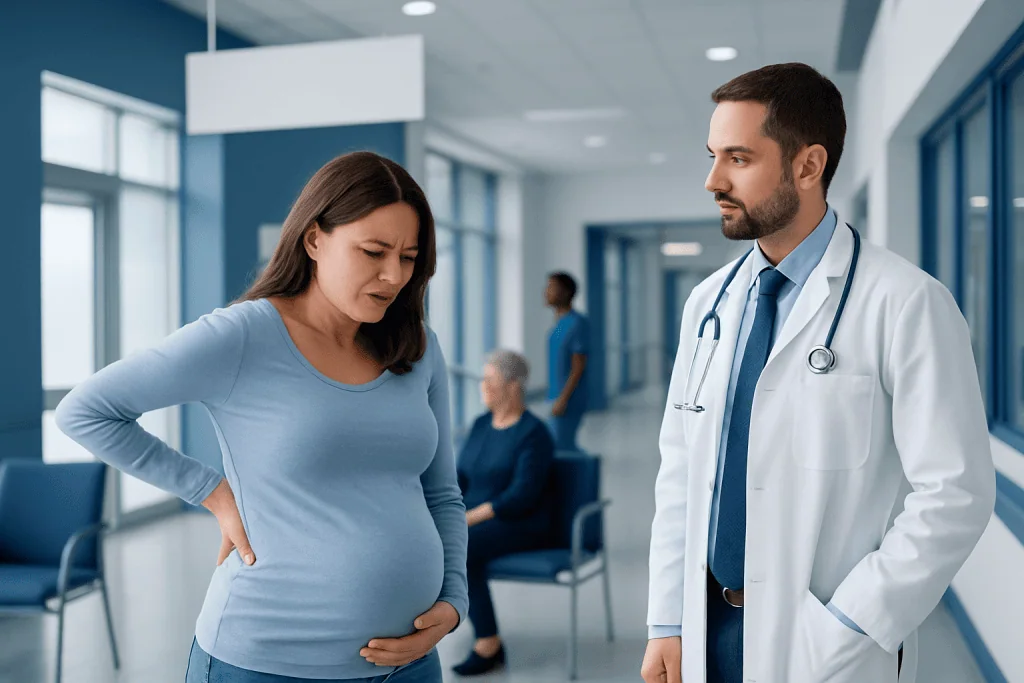
Lower back problems in pregnancy often result from normal physical and hormonal changes. Pain may feel like muscle strain, stiffness, pelvic aching, or discomfort that worsens with standing, lifting, or turning in bed.
Key Takeaways
- Lower back problems in pregnancy often result from normal physical and hormonal changes.
- Pain may feel like muscle strain, stiffness, pelvic aching, or discomfort that worsens with standing, lifting, or turning in bed.
- Good posture, sleep positioning, activity modification, and guided exercise can help reduce symptoms.
- Severe pain, fever, weakness, numbness, contractions, bleeding, or pain with urination should be assessed by a doctor.
- Treatment is usually conservative and tailored to the stage of pregnancy and the suspected cause.
Lower back problems in pregnancy are common because the body’s posture, ligaments, muscles, and weight distribution change as pregnancy progresses. In most cases, symptoms improve with supportive daily habits, gentle exercise, and guidance from a healthcare professional, but some warning signs need prompt medical attention.
Overview: why lower back pain happens in pregnancy
Lower back problems in pregnancy are very common, especially as the uterus grows and the body adapts to support the developing baby. For many people, the discomfort is related to normal changes in posture, muscle workload, ligament looseness, and shifting body weight rather than a serious spine problem.
Pregnancy can change the way the pelvis, hips, abdomen, and lower spine work together. As the center of gravity moves forward, the lower back may curve more, the abdominal muscles stretch, and the back muscles have to work harder to keep the body balanced. These changes can lead to aching, stiffness, or pain that is felt in the lower back, buttocks, or around the pelvic joints.
Not all pain is exactly the same. Some people have a more muscular low back ache, while others develop pain around the sacroiliac joints or pelvic girdle. A smaller number may have symptoms related to a disc problem or another medical condition, which is why symptom pattern and associated warning signs matter.
How symptoms can feel and when they tend to appear
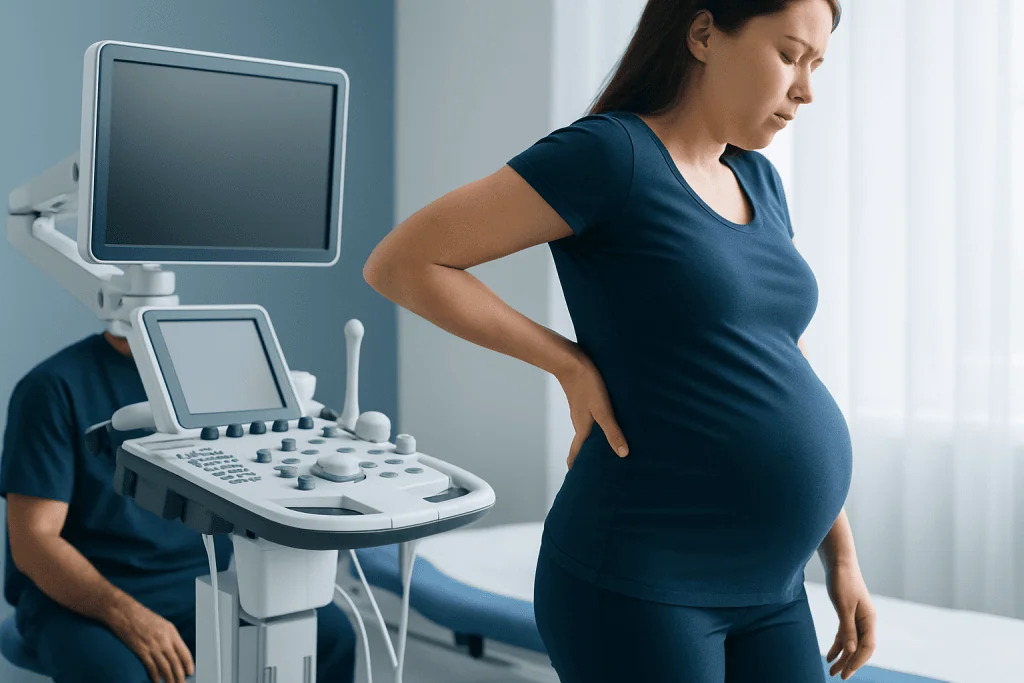
Symptoms vary from person to person. Lower back discomfort may begin early in pregnancy, but it often becomes more noticeable in the second and third trimesters as body mechanics change and daily movements place more strain on the back and pelvis.
The pain may feel dull, aching, tight, or sharp with certain movements. It can stay in the lower back or spread into the buttocks, hips, groin, or back of the thighs. Many people notice that symptoms are worse after standing for a long time, walking long distances, climbing stairs, lifting, or rolling over in bed.
Common symptom patterns include:
- Stiffness after rest or in the morning
- Discomfort after prolonged sitting or standing
- Pain with turning, bending, or getting out of a car
- Pelvic pressure or aching near the back dimples
- Tenderness in the lower back muscles
- Occasional pain radiating down one leg
If symptoms include significant shooting leg pain, numbness, weakness, bowel or bladder changes, or fever, evaluation should not be delayed. These features suggest that the discomfort may not be due to routine pregnancy-related strain alone.
Main causes and risk factors
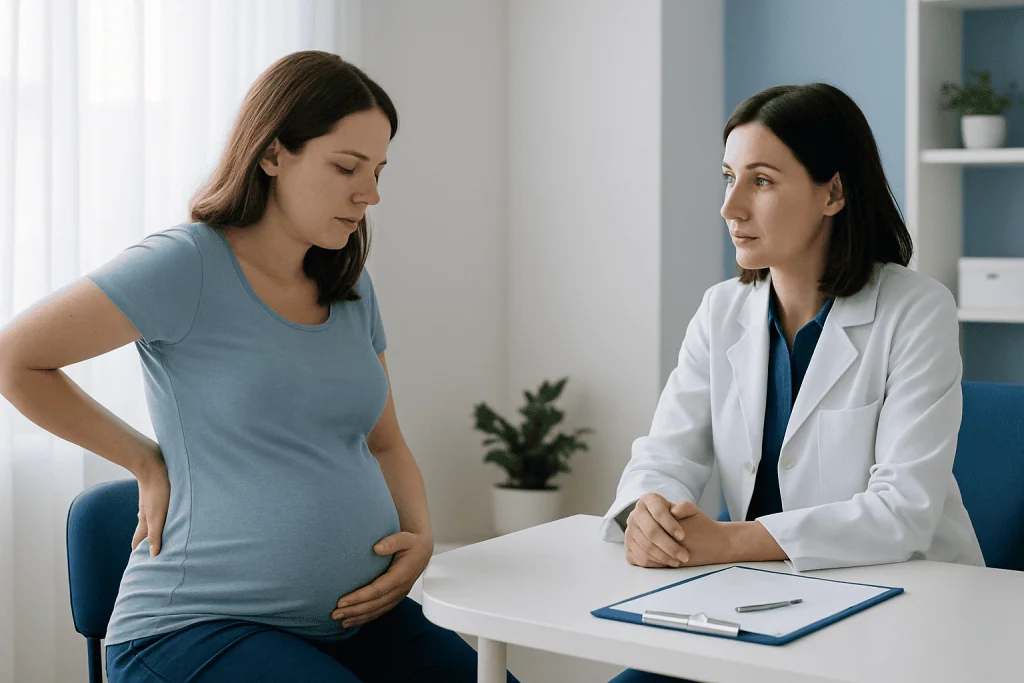
Several normal pregnancy-related changes can contribute to lower back problems in pregnancy. Hormones such as relaxin help prepare the body for childbirth by making ligaments more flexible, but this can also reduce joint stability around the pelvis and lower spine. At the same time, growing abdominal size changes posture and increases the load on spinal muscles.
Muscle fatigue also plays a role. The core and pelvic muscles may not support the spine as efficiently when they are stretched or weakened, and everyday tasks can become more physically demanding. Sleep disruption, lower activity levels, and stress can increase pain sensitivity and make symptoms feel more persistent.
Risk factors that may increase the chance of back pain in pregnancy include:
- A history of low back pain or pelvic pain before pregnancy
- Back pain in a previous pregnancy
- Carrying twins or a larger pregnancy-related weight gain
- Work or home activities that involve prolonged standing, bending, or lifting
- Low physical conditioning or weak core support
- Hypermobility or joint laxity
Less commonly, pregnancy may coincide with a separate spine or nerve condition such as a herniated disc. Urinary tract infection, kidney stones, and preterm labor can also cause pain that may be mistaken for back pain, so the overall symptom picture is important.
How doctors assess lower back problems in pregnancy
Assessment usually begins with a careful discussion of the pain: where it is located, when it started, what makes it better or worse, and whether there are other symptoms such as numbness, fever, bleeding, contractions, or urinary discomfort. This history helps separate common musculoskeletal pain from causes that need different treatment.
A physical examination may look at posture, gait, range of movement, areas of tenderness, and whether the pain seems to arise from the lumbar spine, pelvic girdle, hips, or nerves. The clinician may also ask about work demands, sleep position, exercise routine, and previous episodes of back pain.
Imaging is not routinely needed for mild, typical symptoms. If there are neurological findings, severe or unusual pain, or concern for another diagnosis, a doctor may recommend further evaluation. In selected cases, imaging such as MRI can help assess soft tissues and nerves without using ionizing radiation. When bone alignment or injury needs a closer look after specialist review, other imaging may occasionally be considered with pregnancy safety in mind.
The goal of diagnosis is not only to name the pain source but also to identify practical triggers and rule out problems that need urgent care. Many patients benefit from individualized guidance rather than a single test result.
Management options that are usually recommended
Treatment for lower back problems in pregnancy is usually conservative. The focus is on reducing strain, maintaining safe movement, improving muscle support, and controlling pain in ways that fit the stage of pregnancy. Most people improve with a combination of education, exercise, and daily habit changes.
Healthcare professionals often recommend activity modification instead of bed rest. Long periods of lying down can weaken muscles and make stiffness worse. Gentle, regular movement is usually more helpful than avoiding all activity, as long as the chosen activities do not increase symptoms significantly.
Management may include:
- Guided stretching and strengthening for the core, hips, and pelvic muscles
- Prenatal physiotherapy or physical therapy and rehabilitation
- Heat packs used safely on the painful area for short periods
- A maternity support belt when appropriate
- Sleep support with pillows between the knees and under the abdomen
- Advice on lifting, sitting, and standing mechanics
Medication decisions during pregnancy should always be discussed with a qualified doctor or obstetric care team. If pain is severe or persistent, a multidisciplinary review may be helpful. In selected cases where symptoms suggest a structural spinal issue, specialist evaluation through orthopedics and traumatology or spine care may be considered.
Self-care strategies for daily life
Simple changes in everyday routine can make a meaningful difference. Many pregnant patients find that pain improves when they avoid staying in one position for too long and alternate sitting, standing, and walking throughout the day. Supportive footwear and a stable, comfortable chair can also reduce strain on the lower back.
Posture matters, but the goal is not to stay rigid. A neutral, relaxed alignment is usually more practical than trying to force the back completely straight. When lifting, it helps to bend through the hips and knees, keep the object close to the body, and avoid twisting. Rolling onto one side before sitting up from bed often feels easier than rising straight upward.
Helpful self-care measures include:
- Walking, swimming, or other approved low-impact activity
- Prenatal exercises that strengthen the trunk and pelvic muscles
- Sleeping on the side with pillow support
- Taking short movement breaks during desk work or travel
- Using cold or heat based on comfort and medical advice
- Asking for help with heavy household tasks
Because pain can affect mood, sleep, and confidence in movement, reassurance is also part of treatment. Most lower back problems in pregnancy are manageable and temporary, though support is important if symptoms begin to interfere with daily life or emotional well-being.
When to seek medical care
Many cases of pregnancy-related back pain can be discussed at routine prenatal visits, especially if the pain is mild to moderate and linked to posture or activity. However, some symptoms should be checked promptly because they may suggest nerve involvement, infection, kidney problems, or pregnancy-related complications rather than routine musculoskeletal discomfort.
Medical assessment is important if lower back pain is severe, sudden, getting rapidly worse, or not improving with rest and supportive measures. A doctor should also be contacted if the pain is accompanied by symptoms that do not fit ordinary strain.
Warning signs include:
- Fever, chills, or feeling unwell
- Burning with urination, urinary urgency, or flank pain
- Vaginal bleeding, fluid leakage, or regular contractions
- Numbness, tingling, or leg weakness
- Loss of bladder or bowel control
- Pain after a fall or injury
- Persistent one-sided pain that is hard to explain
If symptoms are urgent, prompt review is essential. For international patients who need coordinated assessment, Acibadem International’s multidisciplinary specialists in JCI-accredited hospitals diagnose and treat pregnancy-related musculoskeletal concerns alongside obstetric evaluation when needed.
Frequently asked questions
Are lower back problems in pregnancy normal?
Yes, lower back pain is common in pregnancy and is often related to normal changes in posture, joint flexibility, and muscle workload. Even though it is common, persistent or severe pain should still be discussed with a healthcare professional.
What is the difference between low back pain and pelvic girdle pain in pregnancy?
Low back pain is usually felt in the lumbar area above the buttocks and may feel like muscle ache or stiffness. Pelvic girdle pain is often felt around the sacroiliac joints, buttocks, groin, or pubic area and may be triggered by walking, stairs, or turning in bed.
Can exercise help lower back pain during pregnancy?
In many cases, yes. Gentle, pregnancy-appropriate exercise can improve muscle support, reduce stiffness, and help the body move more comfortably. Exercises should be chosen with guidance from a qualified clinician, especially if pain is strong or symptoms are unusual.
Is it safe to use a heating pad for pregnancy back pain?
Local heat is often used for short periods to relax sore muscles, but it should be used carefully and according to medical advice. Very high heat and prolonged exposure should be avoided during pregnancy.
When should pregnancy back pain be taken seriously?
Back pain should be assessed promptly if it comes with fever, painful urination, bleeding, contractions, fluid leakage, weakness, numbness, or bowel or bladder changes. Severe pain after an injury or pain that rapidly worsens also needs medical review.
Will lower back pain go away after pregnancy?
For many people, symptoms improve after delivery as posture, ligament tension, and muscle balance gradually recover. Some may continue to have pain for a period after birth, especially if they had back problems before pregnancy or develop strain from lifting and infant care.
References
- American College of Obstetricians and Gynecologists
- National Institute for Health and Care Excellence
- Royal College of Obstetricians and Gynaecologists
- Mayo Clinic
- National Health Service
This article is for general information only and is not a substitute for professional medical advice. Please consult a qualified doctor about your individual situation.
Joint and spine care in Turkey — expert assessment & treatment
JCI-accredited · board-certified surgeons · reply within 24h
Add us as a Preferred Source to see more of our trusted health content across Google Search, AI Overviews and Discover.