Lower Backache Pain: Common Causes, Related Conditions, and When to See a Doctor

Lower backache pain commonly comes from muscles, ligaments, spinal discs, or joints in the lower spine. Pain may stay local in the back or spread into the buttock or leg, depending on the cause.
Key Takeaways
- Lower backache pain commonly comes from muscles, ligaments, spinal discs, or joints in the lower spine.
- Pain may stay local in the back or spread into the buttock or leg, depending on the cause.
- Red-flag symptoms such as weakness, fever, injury, or bladder and bowel changes need prompt medical care.
- Diagnosis is based on symptoms, physical examination, and imaging only when clinically necessary.
- Treatment often includes staying active, pain relief, physical therapy, and targeted care for the underlying cause.
Lower backache pain is very common and is often linked to strained muscles, poor posture, overuse, or age-related changes in the spine. Most cases improve with time and conservative care, but certain symptoms can point to a related condition that needs medical assessment.
Overview: what lower backache pain usually means
Lower backache pain describes discomfort felt in the lumbar area, the part of the spine between the rib cage and the pelvis. In many people, it comes from everyday strain on muscles, ligaments, joints, or spinal discs rather than from a serious disease. It may begin suddenly after lifting, twisting, or an awkward movement, or it may build gradually with prolonged sitting, repetitive activity, or reduced physical conditioning.
The lower back supports much of the body’s weight and helps with bending, turning, walking, and lifting. Because it works hard every day, it is vulnerable to irritation and overload. Pain can feel dull, tight, aching, sharp, or burning. Some people notice stiffness in the morning, while others feel worse after long periods at a desk, driving, or standing.
Although lower backache pain is common, it is not just one problem with one cause. It can be a symptom linked to muscle strain, disc changes, arthritis, nerve irritation, kidney problems, or less commonly infection or fracture. Looking at the pattern of pain, the person’s age, activity level, and associated symptoms helps guide the next steps.
How lower backache pain can feel
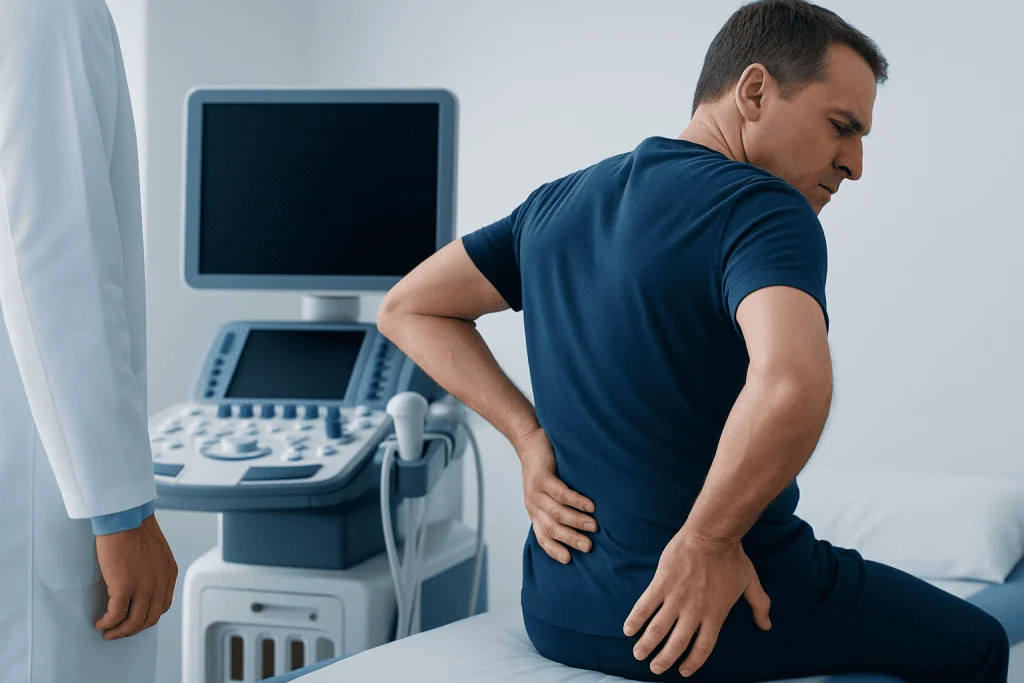
The symptoms of lower backache pain vary from person to person. Some feel a constant ache in the center of the lower back, while others have pain on one side. It may be mild and annoying or more intense and limiting. Pain often gets worse with bending, lifting, coughing, or sitting too long, and may improve with position changes or gentle movement.
In some cases, the pain stays in the back. In others, it travels into the buttock, hip, or leg. Pain that shoots down the leg, especially below the knee, may suggest irritation of a spinal nerve, often called sciatica. Numbness, tingling, or a pins-and-needles sensation can happen with nerve involvement as well.
Stiffness, reduced flexibility, and muscle spasm are also common. Some people feel as though the back “locks” after sitting or when first standing up. Warning symptoms that deserve more attention include fever, unexplained weight loss, a history of cancer, weakness in the leg, pain after a significant fall or accident, or trouble controlling the bladder or bowels.
- Localized aching or tenderness in the lower back
- Stiffness after rest or in the morning
- Sharp pain with lifting, twisting, or sudden movement
- Pain spreading into the buttock or leg
- Numbness, tingling, or weakness if a nerve is affected
Common causes and related conditions

The most frequent cause of lower backache pain is mechanical back pain. This means the discomfort comes from how the back’s structures are moving or being overloaded. Strained muscles or ligaments can develop after lifting, sports, housework, or even an unusual sleeping position. Weak core muscles, long periods of sitting, and poor lifting technique may increase the chance of this type of pain.
Age-related changes in the spine are another common reason. The discs between the vertebrae can lose water content over time, making them less flexible. Facet joints may also become irritated or arthritic. Sometimes a disc bulges or herniates and presses on a nearby nerve root, causing back pain along with leg pain or tingling. This pattern may be related to a herniated disc or other forms of nerve compression.
Other related conditions include narrowing of the spinal canal, inflammation around the joints, or weakness in the bones such as osteoporosis, which can increase the risk of compression fractures. Pain can also come from outside the spine. Kidney stones, urinary tract infections, gynecologic conditions, and certain abdominal problems may be felt in the lower back. Rare but important causes include spinal infection, inflammatory disease, and cancer involving the spine.
Risk factors include increasing age, obesity, smoking, low fitness, repetitive heavy work, stress, poor sleep, prolonged sitting, and previous episodes of back pain. Pregnancy can also place extra load on the lower back and pelvis. In many people, more than one factor contributes to the pain at the same time.
How doctors diagnose the cause
Diagnosis begins with a careful medical history. A doctor will usually ask when the lower backache pain started, where it is felt, whether it spreads to the leg, and what makes it better or worse. Questions about recent injury, fever, weight loss, numbness, weakness, bladder or bowel symptoms, and past medical conditions help identify whether the pain is likely mechanical or whether another cause needs to be ruled out.
A physical examination may include checking posture, range of movement, tenderness, walking pattern, reflexes, strength, and sensation in the legs. These findings help show whether muscles, joints, or nerves are involved. In many uncomplicated cases, imaging is not needed right away because it may not change early treatment.
Doctors may recommend tests if symptoms are severe, persistent, worsening, or associated with red flags. X-rays can show alignment and fractures. MRI is especially useful when a disc, spinal nerves, or soft tissues need evaluation and is often used when symptoms suggest nerve compression or if surgery is being considered. CT scans, blood tests, or urine tests may be appropriate when infection, fracture, kidney conditions, or other non-spinal causes are possible. If clinically indicated, assessment may include MRI scanning to clarify the source of pain.
Treatment options for lower backache pain
Treatment depends on the likely cause, how long the pain has been present, and whether there are nerve symptoms or warning signs. For many people, the first step is conservative care. This usually means relative rest rather than complete bed rest, staying gently active, using heat if it feels soothing, and returning gradually to normal movement. Prolonged inactivity can delay recovery in many cases.
Doctors may suggest pain-relieving medicines such as over-the-counter options when appropriate, but the choice depends on a person’s health history and should be guided by a clinician or pharmacist. Physical therapy is often central to recovery. A tailored exercise program can improve mobility, strengthen the core and hip muscles, and reduce the chance of recurring pain. For some patients, structured physical therapy and rehabilitation is especially helpful in restoring function and confidence with movement.
If a specific condition is identified, treatment is directed at that problem. Nerve pain from a disc problem may improve with time, targeted exercise, and medication, but some people need specialist care. In selected cases, image-guided injections or surgery may be considered when pain remains disabling, neurologic deficits are progressing, or there is a structural problem that has not responded to non-surgical treatment. When back pain is linked to severe nerve compression or certain spinal disorders, options may include specialist evaluation in neurosurgery or orthopedics and traumatology.
People with lower backache pain that comes from kidney, abdominal, inflammatory, or infectious causes need treatment for the underlying condition rather than standard back pain measures alone. This is why a clear diagnosis matters when symptoms do not follow the usual pattern.
Self-care, prevention, and daily habits that help
Many episodes of lower backache pain improve with practical self-care. Gentle walking, stretching recommended by a clinician, and avoiding heavy lifting for a short time can help. It is usually better to keep moving within comfort than to stay in bed. Heat packs may ease muscle tension, while attention to posture can reduce repeated strain during work and daily tasks.
Long-term prevention focuses on reducing stress on the lower spine. Regular exercise that strengthens the core, back, hips, and legs can improve support for the spine. Flexibility and balance work may also help. Maintaining a healthy body weight, stopping smoking, and adjusting workstation setup can all make a difference over time.
Simple habits matter. When lifting, it helps to keep the object close to the body, bend at the hips and knees, and avoid twisting while carrying. During long sitting periods, short movement breaks can reduce stiffness. Supportive sleep positions and a mattress that feels comfortable may also help manage recurring symptoms.
For international patients who need evaluation for persistent or complex spinal symptoms, Acibadem International’s multidisciplinary specialists in JCI-accredited hospitals diagnose and treat lower back conditions with coordinated care plans.
When to seek medical care
Most lower backache pain can be assessed in a routine medical visit, especially if it lasts more than a few weeks, keeps returning, or interferes with work, sleep, or daily activities. Medical advice is also important when the pain spreads down the leg, is associated with numbness or tingling, or limits walking and balance. A doctor can help identify whether the problem is muscular, joint-related, disc-related, or coming from another organ system.
Prompt medical care is recommended if lower back pain follows a major fall, accident, or sports injury, or if it is accompanied by fever, unexplained weight loss, severe night pain, or a known history of cancer. Urgent attention is needed for new leg weakness, numbness around the groin or saddle area, or difficulty controlling the bladder or bowels, because these symptoms can signal serious nerve compression.
People with osteoporosis, immune suppression, recent infection, or long-term steroid use should also seek earlier assessment because their risk of fracture or infection may be higher. Early evaluation does not always mean a serious diagnosis, but it helps ensure that important causes are not missed and that treatment begins appropriately.
Frequently asked questions
What is the most common cause of lower backache pain?
The most common cause is mechanical strain involving muscles, ligaments, joints, or discs in the lower spine. This can happen after lifting, twisting, prolonged sitting, poor posture, or a sudden awkward movement.
How do I know if lower backache pain is muscular or nerve-related?
Muscular pain is often felt as a localized ache, tightness, or spasm in the lower back and may worsen with movement. Nerve-related pain more often travels into the buttock or leg and may come with tingling, numbness, or weakness.
Should a person rest in bed when lower backache pain starts?
Short periods of easing activity may help, but complete bed rest is usually not recommended for most common back pain episodes. Gentle movement and gradual return to normal activity often support recovery better than staying still for long periods.
When is imaging needed for lower back pain?
Imaging is not always needed for new, uncomplicated lower back pain. Doctors usually consider X-ray, MRI, or other tests when symptoms are severe, persistent, worsening, or linked to warning signs such as injury, nerve deficits, fever, or unexplained weight loss.
Can lower backache pain come from something other than the spine?
Yes. Kidney stones, urinary infections, gynecologic problems, and some abdominal conditions can sometimes be felt as pain in the lower back. That is why associated symptoms and a medical assessment can be important when the pattern is unusual.
How long does lower backache pain usually last?
Many mild episodes improve within days to a few weeks, especially when the cause is a strain or posture-related problem. Pain that lasts longer, returns frequently, or limits normal life should be assessed by a qualified doctor.
This article is for general information only and is not a substitute for professional medical advice. Please consult a qualified doctor about your individual situation.
Joint and spine care in Turkey — expert assessment & treatment
JCI-accredited · board-certified surgeons · reply within 24h
Add us as a Preferred Source to see more of our trusted health content across Google Search, AI Overviews and Discover.

More from the Health Library

Swollen Lymph Nodes Explained: Common Triggers and Red Flags

How to Get Rid of Canker Sores? A Doctor-Reviewed Answer

What Good Is Zinc for? A Doctor-Reviewed Answer

Why Was Stevia Banned? A Doctor-Reviewed Answer

How Long Does Propranolol Last? Here Is What the Evidence Says